











target=”_blank” rel=”noopener noreferrer” title=”Source: gore-tex.com”>Gore-Tex, Fly knit, and Boost are engineered for specific performance benefits.
The Upper: Where Style Meets Function
The upper of a sneaker is its most visible part, dictating much of its aesthetic appeal and initial comfort. Historically, leather was a staple due to its durability and ability to mold to the foot. Today, while premium leather and suede remain popular for lifestyle sneakers, the drive for performance has introduced a wider array of materials.
Last updated: May 29, 2026
Engineered mesh and knit fabrics, like Nike’s Fly knit or Adidas’s Prime knit, have revolutionized sneaker uppers. Knitting or weaving yarns creats these materials directly into the shoe’s shape, resulting in a sock-like fit that’s incredibly lightweight, breathable, and flexible. This construction minimizes seams, reducing potential irritation and weight.
Synthetic leathers and textiles offer a cost-effective and often more sustainable alternative to natural leather. These can be engineered to mimic the look and feel of real leather while offering enhanced water resistance or easier maintenance. For those seeking strong protection, materials like ripstop nylon or Cordura are sometimes incorporated, especially in outdoor or tactical-inspired sneakers.

The Midsole: The Unsung Hero of Comfort
Beneath the upper lies the midsole, arguably the most critical component for comfort and performance. Its primary job is to absorb impact and provide a stable platform for the foot.
The most ubiquitous material in modern midsoles is Ethylene-Vinyl Acetate (EVA) foam. EVA is lightweight, flexible, and offers good cushioning. However, it can compress over time, losing its shock-absorbing properties. To combat this, many brands use variations of EVA or blend it with other materials.
Polyurethane (PU) is another common midsole material. It’s denser and more durable than EVA, offering excellent support and resistance to compression. PU-based midsoles are often found in sturdier, more supportive shoes like walking shoes or some basketball sneakers. Their trade-off is typically a heavier weight and less initial softness compared to EVA.
Beyond basic foams, advanced cushioning technologies are key differentiators. Adidas’s Boost technology, for instance, uses expanded TPU (thermoplastic polyurethane) pellets fused together, offering superior energy return and durability. Nike employs Air units (pressurized air pockets) and ZoomX foam (a proprietary Web-based foam) for distinct cushioning experiences. ASICS uses GEL technology, a silicone-based material, for targeted shock absorption.
The Outsole: Grounding Your Stride
The outsole is the bottom layer of the sneaker, directly contacting the ground. Its main functions are to provide traction, grip, and durability.
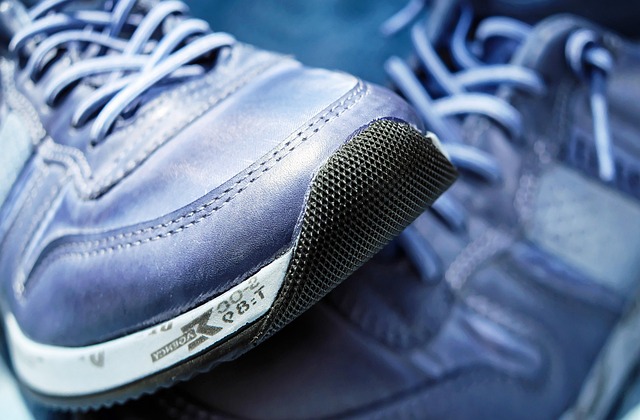
Rubber is the dominant material for outsoles, owing to its excellent grip and resilience. Different types of rubber are used depending on the intended purpose of the sneaker. Standard carbon rubber is a common choice for its balance of durability and cost. For enhanced durability and wear resistance, especially in high-impact sports or running shoes, brands often incorporate blown rubber (lighter, more flexible) or high-abrasion carbon rubber in critical wear zones.
The tread pattern on the outsole is as crucial as the material itself. Deep grooves, multi-directional lugs, and specific patterns are designed to optimize grip on various surfaces, from slick gym floors to uneven trails. Some athletic shoes might feature strategic placements of different rubber compounds to enhance flexibility in some areas and add toughness in others.
Beyond the Core: Liners, Insoles, and Details
While uppers, midsoles, and outsoles form the bulk of a sneaker, other components significantly impact overall comfort and performance.
The liner, or collar lining, often uses soft, moisture-wicking fabrics like terry cloth or specialized synthetic blends to enhance comfort around the ankle and heel. The insole, the removable footbed inside the shoe, can range from simple foam to anatomically molded designs with arch support and cushioning technologies. Many are designed for breathability and odor control.
Eyelets for laces can be reinforced with plastic or metal to prevent tearing. Tongues might be padded for comfort or gusseted (attached to the sides) to keep out debris. Even small elements like toe caps or heel counters are often made from stiffened synthetic materials or TPU to provide structure and protection.
The Future is Now: Innovations and Sustainability
The sneaker industry is a hotbed of material innovation, with a growing emphasis on sustainability. As of May 2026, brands are increasingly turning to eco-friendly alternatives.
Recycled materials are prominent. PET bottles are transformed into polyester yarns for uppers, and recycled rubber is used in outsoles. Companies are exploring bio-based foams derived from sugarcane or algae, aiming to reduce reliance on petroleum-based products. For example, Adidas’s partnership with Parley for the Oceans uses recycled ocean plastic in its footwear.
Beyond recycled content, new material science is pushing boundaries. Self-healing materials, responsive polymers that adapt to temperature, and advanced 3D-printed structures are no longer science fiction. For instance, companies like Elberfeld offer fully 3D-printed, customizable sneakers on demand, demonstrating a radical shift in how shoes are made and what they can be made from.
Gore-Tex and other waterproof-breathable membranes are integrated into uppers for all-weather performance, ensuring feet stay dry without sacrificing breathability. These technologies represent a significant leap in making sneakers suitable for a wider range of conditions.

Practical Guidance: Choosing Your Next Pair
Understanding what your sneakers are made of empowers you to make informed choices tailored to your needs. For intense athletic activities, prioritize lightweight, breathable uppers like engineered mesh or knit, combined with responsive, high-cushioning midsoles (e.g., EVA blends, Boost, ZoomX) and durable rubber outsoles with specific tread patterns for your sport.
For everyday casual wear, comfort and style might take precedence. Leather or suede uppers offer a classic look and can develop a unique patina over time. Midsole cushioning needs to be sufficient for long periods on your feet, but extreme performance foam might be overkill. Durability is still important, but the focus shifts to aesthetic longevity and all-day comfort.
If sustainability is a key concern, look for brands that clearly label their use of recycled or bio-based materials. Many are now transparent about their supply chains and manufacturing processes. Consider sneakers made from recycled PET, natural rubber, or plant-derived components.
Common Mistakes and Expert Insights
One common mistake is equating price with material quality across the board. A $200 lifestyle sneaker might use premium leather, while a $200 performance running shoe uses advanced, specialized synthetics and foams that are more expensive to produce and offer specific functional benefits. Don’t assume higher price always means better materials for your specific use case.
Another error is overlooking the importance of the midsole. A stylish upper with a cheap, unsupportive midsole will lead to discomfort and fatigue, regardless of how good the shoe looks. Always consider the cushioning and support technology described.
Finally, assuming all “rubber” outsoles are equal is a mistake. Some are designed for maximum grip (like on court shoes), others for extreme durability (trail running), and others for lightweight flexibility (minimalist shoes). Understanding the context of the outsole material and its intended function is key.
Frequently Asked Questions
What is the most common upper material for sneakers?
Engineered mesh and knit fabrics are the most common upper materials for performance and modern lifestyle sneakers due to their breathability, flexibility, and lightweight nature. Leather remains popular for classic styles.
Are vegan sneakers truly made from plant-based materials?
Many vegan sneakers use plant-based materials like cork, hemp, or pineapple leaf fiber. However, some vegan options may still rely on synthetic plastics derived from petroleum, so checking product descriptions is advised.
How does the midsole material affect sneaker performance?
Midsole materials like EVA, PU, and specialized foams (e.g., Boost, ZoomX) dictate cushioning, shock absorption, and energy return. Softer foams offer more comfort, while firmer ones provide better stability and responsiveness for athletic activities.
What is the difference between EVA and PU midsoles?
EVA foam is generally lighter and softer, offering good initial cushioning but compressing over time. PU is denser, more durable, and provides better support but is typically heavier and less plush than EVA.
Are all rubber outsoles the same for grip?
No, rubber outsoles vary significantly. Some are formulated for maximum traction on specific surfaces (like court shoes), while others prioritize durability (trail running) or flexibility. Tread patterns also play a huge role in grip.
What are the newest materials being used in sneakers?
As of 2026, innovations include advanced bio-based foams, 3D-printed structures for custom fits, and highly adaptive polymers. Recycled ocean plastics and other repurposed materials are also increasingly common.
Making the Informed Choice
The construction of a sneaker is a sophisticated blend of science and art. From the breathable knit uppers to the responsive foam midsoles and the grippy rubber outsoles, each material choice contributes to the shoe’s final performance, comfort, and aesthetic. By understanding these components, you can move beyond mere appearance and select sneakers that truly meet your needs, whether for athletic pursuits, daily wear, or sustainable fashion choices. The next time you lace up, take a moment to appreciate the intricate engineering at your feet.
Information current as of May 2026; pricing and product details may change.
Editorial Note: This article was researched and written by the Anarchy Label editorial team. We fact-check our content and update it regularly. For questions or corrections, contact us.