











Starting with fashion for beginners means building a versatile, reliable wardrobe around well-fitting core basics rather than chasing fleeting micro-trends. By identifying your daily lifestyle needs, focusing on neutral foundational garments, learning proper fit and tailoring, and adding selective accessories, you can assemble effortless outfits for any occasion.
Most people spend years accumulating clothes without a clear direction, resulting in a closet stuffed with items that never see the light of day. Learning Fashion fundamentals cuts through clutter, giving you a systematic strategy to build confidence, spend money wisely, and ensure every garment you own serves a distinct function.
How do you define your personal style starting from scratch?
Before spending money on new clothes, defining your style requirements prevents wasted purchases. Personal style is not about copying outfits directly from store displays or social feeds; it is about matching what you wear to how you actually spend your time.

Audit your daily routine
Begin by tracking your activities over a two-week period. Categorize your lifestyle into proportions: time spent working at an office or desk, running errands, exercising, socializing, and relaxing at home. Your wardrobe must reflect your true schedule, not an idealized version of your life.
Collect visual reference points
Create a digital mood board on Pinterest or save outfit images on social media platforms. Gather 20 to 30 images of outfits that instantly appeal to you. Once assembled, analyze the collection for common visual threads:
- Silhouettes: Do you lean toward relaxed, oversized cuts, or tailored, body-skimming structures?
- Color Palettes: Are the photos dominated by muted earth tones, monochrome black and white, or bold accent colors?
- Textures and Fabrics: Do you prefer soft knits and denim, or crisp poplin and heavy wool?
- Overall Aesthetic: Are the looks grounded in classic tailored pieces, athletic casual, utilitarian workwear, or minimalist styling?
Understanding these visual cues helps you learn fashion design principles and translate abstract visual inspiration into practical shopping lists.
What core pieces belong in a foundational beginner wardrobe?
A foundational wardrobe consists of interchangeable garments that coordinate effortlessly. Focusing on core items in neutral colors allows you to create dozens of distinct outfit combinations from a small, manageable collection.

The neutral color strategy
Build your starter closet using a base palette of navy, charcoal, black, white, cream, and olive. Neutral shades naturally align with one another, eliminating the frustration of standing in front of a closet wondering if two colors clash. Once your neutral foundation is established, adding a seasonal color accent becomes simple.
Ten essential building blocks
A balanced starter closet includes specific, hard-working items:
- White and Black Crew-Neck T-Shirts: Opt for medium-weight 100% cotton with a neckline that holds its structure after washing.
- Oxford Cloth Button-Down Shirt: A versatile shirt that works unbuttoned over a t-shirt or buttoned under a sweater.
- Dark-Wash Straight-Leg Denim: Clean, un-distressed dark denim transitions smoothly from casual weekends to smart-casual events.
- Tailored Chinos or Trousers: Mid-rise flat-front pants in navy, beige, or charcoal provide a polished alternative to jeans.
- Crewneck Knit Sweater: Fine-gauge merino wool or dense cotton knits provide warmth without adding bulk.
- Unstructured Blazer or Utility Jacket: An unlined jacket in navy wool or cotton twill adds structure without feeling overly stiff.
- Classic Trench or Tailored Overcoat: A structured coat completes mid-season and cold-weather outfits.
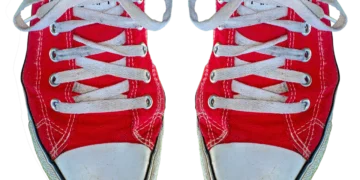
- Clean Minimalist Leather Sneakers: White or off-white leather sneakers pair with everything from denim to casual suits.
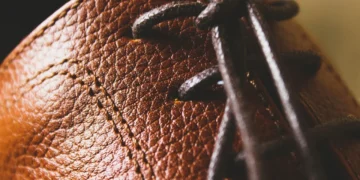
- Leather Loafers or Ankle Boots: Smooth brown or black leather footwear provides immediate refinement for formal settings.
- Versatile Everyday Outerwear: A denim jacket, leather jacket, or minimalist bomber for casual layering.
A 2025 study on consumer habits indicates that a well-curated capsule wardrobe can reduce unnecessary clothing purchases by up to 40% while increasing total outfit variations.
Why is clothing fit more important than brand or price?
Fit dictates whether an outfit looks intentional or sloppy. Expensive garments from luxury brands look unflattering if the proportions are wrong, whereas inexpensive clothes tailored correctly appear crisp and refined.

Crucial fit checkpoints
When trying on clothing, evaluate these specific anatomical markers:
- Shoulder Seams: On structured jackets, shirts, and coats, the shoulder seam must rest directly where your shoulder bone meets your arm. If the seam drops down your arm, the piece is too big; if it pulls toward your neck, it is too tight.
- Sleeve Length: Shirt sleeves should end right at the wrist bone. Jacket sleeves should sit roughly half an inch higher, allowing a sliver of shirt cuff to show.
- Chest and Torso Drape: Fabric should lie flat across your chest without pulling horizontal wrinkle lines across buttons, nor excess fabric ballooning at the sides.
- Trouser Inseam and Break: A no-break hem touches the top of your shoe cleanly; a slight break leaves a subtle fold of fabric above the shoe. Excess fabric pooling around the ankles makes legs appear shorter.
- Waistband Position: Pants should rest comfortably on your natural waist or hips without requiring a tightly pulled belt to keep them up.
The power of local tailoring
Off-the-rack garments are built for generic average body proportions. Alterations bridge the gap between mass manufacturing and custom clothing. Budgeting $15 to $35 for basic alterations turns budget finds into looking like high-end designer garments.
| Alteration Type | Difficulty Level | Typical Cost Range | Impact on Overall Look |
|---|---|---|---|
| Hemming pants or jeans | Easy | $10 – $20 | High: Eliminates fabric pooling and lengthens silhouette. |
| Taking in shirt waist | Easy to Moderate | $15 – $25 | High: Removes excess boxy fabric through the torso. |
| Shortening jacket sleeves | Moderate | $25 – $45 | High: Restores correct arm proportions. |
| Tapering trouser legs | Moderate | $20 – $35 | Medium: Creates a modern, streamlined leg line. |
| Adjusting jacket shoulders | Very Difficult | $80 – $150+ | Low Value: Often costs more than the jacket itself. Avoid. |
How to use color, texture, and layering to create visual interest
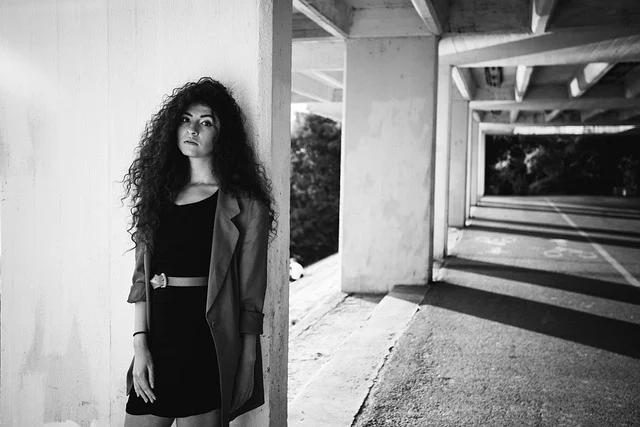
When starting with neutral, basic clothing, outfits can occasionally feel plain. Combining different fabric textures, mastering layering order, and applying balanced color schemes adds subtle depth without relying on loud graphics or temporary trends.
The 60-30-10 color proportion rule
To create balanced outfits, divide your clothes into three visual proportions:
- 60% Dominant Base: The main garment color, usually your suit, coat, or pants (e.g., navy or charcoal).
- 30% Secondary Layer: The complementary color in your shirt, knitwear, or jacket (e.g., crisp white, light gray, or soft blue).
- 10% Accent Color: A contrasting detail found in a scarf, socks, pocket square, or footwear (e.g., burgundy, olive, or mustard).
Mixing contrasting textures
Combining varied fabric textures prevents monochrome outfits from looking flat:
- Pair matte, heavy textures (like tweed, flannel, or chunky cable knits) with smooth, tight weaves (like combed cotton or polished leather).
- Combine rough fabrics like dark raw denim with soft materials like suede jackets or cashmere sweaters.
- Wear structured cotton canvas utility jackets over light poplin button-down shirts.
Strategic layering techniques
Effective layering serves both practical and aesthetic purposes. Follow the thin-to-thick rule: wear the lightest, finest fabric closest to your body and progressively heavier, coarser fabrics toward the exterior. For example, layer a light crew-neck tee under an Oxford shirt, topped with a wool cardigan and finished with a structured trench coat.
How do you choose and style accessories as a beginner?
Selected thoughtfully, Accessories unify an outfit, showing attention to detail without requiring a huge budget or dramatic wardrobe shifts.

Essential accessory rules
Keep these straightforward guidelines in mind when picking accessories:
- Match Leather Tones: Coordinate your belt, shoes, and watch strap. If you are wearing brown leather shoes, opt for a brown leather belt.
- Keep Metals Consistent: Align your watch casing, belt buckle, and jewelry metals (gold with gold, silver with silver).
- Limit Focus Points: Wear no more than two or three noticeable accessories at a time. A statement watch and a clean leather tote bag provide sufficient polish.
Simple styling adjustments
Small proportion adjustments instantly make basic clothes look structured:
- The French Tuck: Tuck only the front center of a loose t-shirt or sweater into your trousers while leaving the back loose to define your waistline without looking overly formal.
- Cuffing Sleeves and Hemlines: Rolling shirt sleeves to just below the elbow or adding a small cuff to selvedge denim adds clean, athletic structure.
- Adding Subtle Neckwear: Incorporate lightweight scarves or bandanas to introduce pattern and warmth; read How to Style a Bandana: 10 Unexpected Ways for versatile styling ideas.
Fashion for beginners: fast fashion vs quality basics
When building a wardrobe, you face a trade-off between inexpensive fast fashion and higher-priced quality basics. Choosing where to invest and where to save protects your budget.

| Factor | Fast Fashion | Quality Investment Basics |
|---|---|---|
| Upfront Cost | Low ($10 – $40 per item) | Moderate to High ($60 – $250+ per item) |
| Durability | Low (5 to 15 washes before structural degradation) | High (Years of continuous wear with proper care) |
| Fabric Content | High percentage synthetic blends (polyester, acrylic) | Natural fibers (100% long-staple cotton, wool, linen) |
| Fit Retention | Pulls, shrinks, or stretches out of shape rapidly | Maintains drape, seam alignment, and elasticity |
| Cost Per Wear (1 Year) | High ($30 shirt worn 5 times = $6.00/wear) | Low ($120 shirt worn 60 times = $2.00/wear) |
When to spend vs when to save
Invest in: Outerwear, leather boots, raw denim, tailored suit jackets, and daily footwear. These items endure heavy stress and structural demands where quality construction pays off over time.
Save on: Basic cotton t-shirts, seasonal trend items, workout gear, and casual undershirts. These wear out quickly regardless of price tier due to frequent washing and sweat exposure.
What common style mistakes should beginners avoid?
Avoiding frequent traps speeds up your progress and saves significant money.

Buying for an imaginary lifestyle
Purchasing clothing for events you rarely attend leads to an unworn closet. Always evaluate new purchases against your weekly schedule before checking out.
Chasing micro-trends on social media
Social media algorithms push hyper-specific micro-trends that change rapidly. Building a closet around short-lived aesthetics guarantees your clothes will look dated quickly. Stick to timeless shapes and incorporate trends only through low-cost, flexible accessories.
Ignoring fabric care instructions
Washing wool sweaters in hot water or throwing delicate cotton shirts into high-heat dryers ruins garments fast. Always check garment tags:
- Hang knitwear folded over hangers or stored flat to prevent shoulder bumps and stretching.
- Wash denim and dark garments inside out in cold water to preserve dye color.
- Use wooden or padded hangers for jackets and tailored trousers to maintain shoulder structure.
Ignoring simple garment care leads to ruined fabrics and shortens clothing lifespan. Always verify proper maintenance techniques when handling your Clothing to protect your investment.
How to maintain and evolve your style over time
Developing personal style is an ongoing process of refining what works for you. Maintaining clarity requires routine maintenance and conscious shopping habits.
Conduct regular seasonal audits
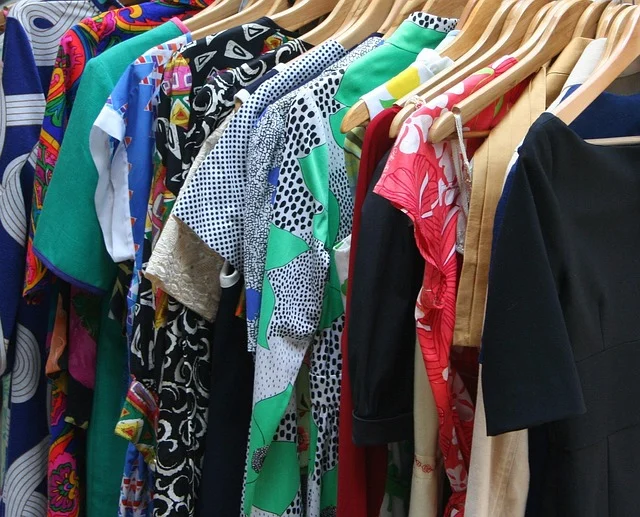
Every six months, inspect every piece in your wardrobe. Divide items into three piles:
- Active Rotation: Clothes worn regularly that fit comfortably.
- Tailor/Repair: Clothes that need hem adjustments, button replacements, or minor repairs.
- Donate/Sell: Items unworn for over twelve months, ill-fitting garments, or pieces that no longer match your aesthetic.
Applying a one-in, one-out rule maintains closet space and curbs impulse spending. When you buy a new garment, rehome an existing piece from the same category.
Participating in a mindful sustainable fashion ecosystem reduces unnecessary textile waste while maintaining an efficient wardrobe. Understanding how to keep up with fashion trends through curated choices keeps your wardrobe fresh without overspending, as detailed in How to Keep Up with Fashion Trends: An Expert’s Guide.
Frequently asked questions
What are the absolute basic essentials for a beginner’s wardrobe?
Focus on versatile, neutral basics: dark-wash straight-leg jeans, tailored navy or charcoal trousers, crisp white and black crew-neck t-shirts, an Oxford button-down shirt, a crewneck wool sweater, and clean white leather sneakers. These core pieces mix easily into numerous clean outfit combinations.
How do I find my personal style without spending a lot of money?
Build a digital visual mood board on Pinterest or save outfit photos on social media to identify recurring patterns in colors, cuts, and textures. Experiment by creating new outfit combinations with clothes you already own before purchasing new garments.
Is it better to buy many cheap items or a few quality ones?
Investing in fewer high-quality foundational garments offers far better long-term value, superior comfort, and improved fit compared to fast fashion. High-quality basics last significantly longer, lowering your overall cost per wear over time.
How important is clothing fit for beginners?
Clothing fit is the single most critical factor in looking sharp and intentional. Properly tailored, inexpensive clothes look far better than luxury brand garments that fit poorly across shoulders, sleeves, or hemlines.


