











Cleaning sneakers effectively requires matching your technique to the specific material, such as leather or suede. Learn how to sneakers clean properly by brushing off loose dirt before applying mild liquid soap.
This guide outlines essential prep work, step-by-step cleaning methods for canvas, mesh, synthetic, and suede materials, and effective techniques for scrubbing soles and removing interior odors. It also covers proper air-drying practices, critical mistakes to avoid, and cost considerations for DIY methods and professional services.
How to Clean Sneakers at Home: 6-Step Guide for Every Material
Cleaning sneakers effectively requires matching your technique to the specific material, such as using mild soap for leather or specialized dry erasers for water-sensitive suede. Removing loose surface dirt with a dry brush and unlacing shoes before washing prevents spreading grime and protects the footwear’s integrity.
This guide outlines essential prep work, step-by-step cleaning methods for canvas, mesh, synthetic, and suede materials, and effective techniques for scrubbing soles and removing odors. It also covers proper air-drying practices, critical mistakes to avoid, and cost considerations for DIY methods and professional services.
What to Clean Sneakers With at Home
To clean sneakers at home without damaging delicate adhesives or synthetic uppers, assemble basic cleaning supplies that lift grime while keeping moisture controlled. Selecting the right tools prevents waterlogging and fabric fraying.
- Soft-bristle brush: A soft toothbrush or dedicated horsehair shoe brush gently lifts surface dust and cleans fragile materials like mesh, knit, and split suede.
- Stiff-bristle brush: Essential for removing embedded mud and grit from hard rubber outsoles and heavy tread patterns.
- Mild liquid soap or clear dish soap: A gentle, dye-free soap diluted in warm water breaks down oils and dirt without stripping leather coatings or fading fabric colors.
- Baking soda and white vinegar: Household staples useful for formulating cleaning pastes for white shoes and neutralizing persistent odors inside shoe linings.
- Microfiber cloths: Absorbent microfiber towels rapidly wipe away lifted foam and moisture without leaving lint on fabric.
- Melamine foam sponge (Magic Eraser): Highly effective for removing stubborn scuffs from smooth white rubber midsoles.
| Cleaning Solution | Best Used For | Pros | Cons |
|---|---|---|---|
| Warm Water & Mild Dish Soap | Leather, synthetic leather, rubber midsoles | Inexpensive, safe for most surface dirt | Can soak porous fabrics if applied excessively |
| Baking Soda & Water Paste | White canvas, thick rubber soles, grass stains | Lifts stains and deodorizes naturally | Requires thorough wiping to avoid white powder residue |
| Dry Suede Eraser & Brush | Suede, nubuck, brushed leather | Completely waterless, protects original nap | Takes time and patience for deep grease spots |
| Melamine Foam Sponge | White rubber outsoles and sidewalls | Instantly erases stubborn dark scuff marks | Wears down quickly; do not use on delicate upper fabrics |
How to Clean Sneakers Step-by-Step Without Washing Machine
Hand-washing is the safest and most controlled method to clean sneakers at home. Follow this step-by-step procedure to remove dirt without risking glue separation or fabric damage.
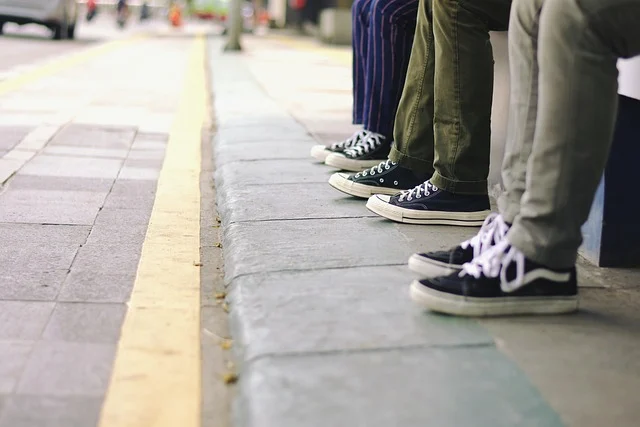
- Remove Laces and Insoles: Unlace the shoes completely and slip out removable insoles. Cleaning these components separately prevents dirt from packing into lace eyelets and allows the interior to dry completely.
- Dry Brush Surface Dirt: Take a dry soft-bristle brush and gently sweep off dry mud, dust, and loose particles from the uppers, tongue, and outsoles. Removing dry debris first prevents rubbing mud deeper into fibers once liquid is applied.
- Mix a Mild Soap Solution: Fill a small bowl with warm water and add a few drops of liquid dish soap or mild laundry detergent. Mix until light foam forms.
- Scrub Uppers Gentle and Blot: Dip the soft brush into the soapy water, shake off excess liquid so the brush is damp rather than soaking wet, and scrub the uppers using small circular motions. Immediately press and wipe with a clean microfiber towel to absorb dirty foam.
- Clean Midsoles and Outsoles: Dip a stiffer brush or toothbrush into the cleaning solution and scrub the rubber midsoles and bottom tread to lift ground-in dirt. Use a damp melamine sponge for dark drag marks on white rubber.
- Air Dry at Room Temperature: Wipe the entire shoe down with a damp cloth to remove remaining soap residue, then wipe dry with a towel. Stuff the shoes with clean, unprinted paper towels or white cloths to retain their shape and absorb internal moisture. Allow shoes to dry naturally away from direct heat sources and sun rays.
How to Clean Sneakers by Material: Mesh, Suede, Leather, and Canvas
Because different shoe materials respond differently to water, soap, and friction, tailoring your routine to the fabric prevents water marks, color bleeding, or texture damage.
How to clean sneakers with mesh
Mesh and knit uppers feature breathable, open weaves that easily trap dirt inside fabric layers. Excessive water flushes grime into the shoe’s inner foam padding.
- Use Minimal Moisture: Dip a soft-bristle brush or microfiber cloth into soapy water, shaking off almost all liquid so the brush is lightly moist.
- Work in Gentle Circles: Lightly brush the mesh in soft circular motions to loosen dirt without pulling or snagging delicate threads.
- Blot Moisture Immediately: Press a dry microfiber towel firmly against the mesh to draw out dirty moisture instead of rubbing back and forth.
How to clean sneakers with suede
Suede and nubuck feature delicate, raised fibers (nap) that stiffen, stain, and warp when saturated with water. Suede requires water-free dry cleaning techniques.
- Use a Suede Eraser and Brush: Rub a specialized suede eraser or clean rubber eraser back and forth across scuff marks to crumble away trapped dirt particles. Follow up with a suede brush, gently stroking in one direction to restore the nap.
- Treat Oil or Grease Spots Dry: Dust oily marks with cornstarch or baking soda, allow it to sit for several hours to absorb the oil, then brush away the powder dry.
- Damp Spot Treatment for Set-in Stains: If water spots or stubborn stains remain, barely dampen a microfiber cloth with white vinegar. Lightly dab the spot without soaking the leather, allow it to air dry, and restore texture with a suede brush.
How to clean leather and canvas sneakers
Smooth natural or synthetic leather is resistant to moisture. Wipe leather uppers down with a damp, soapy microfiber cloth, avoiding hard scrubbing along painted seams or logos. Canvas absorbs liquid quickly; scrub canvas uppers using a medium brush dipped in a paste of baking soda and mild detergent, then wipe away dirt with a clean damp cloth.
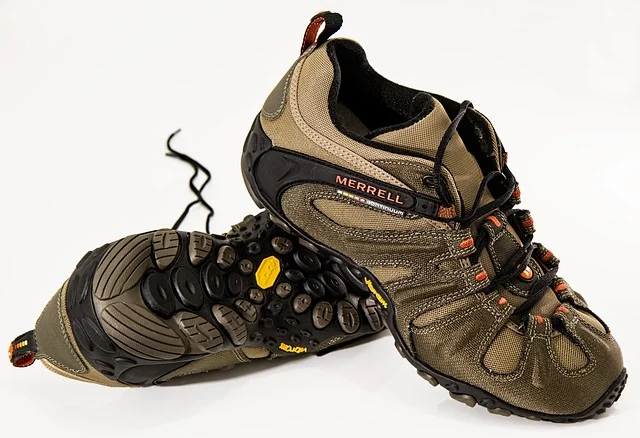
How to Clean Sneakers White and Restore White Rubber
White shoes yellow and darken over time due to dirt accumulation, oxidation, and contact with grass or oils. Restoring white uppers and white rubber midsoles requires targeted lifting agents.
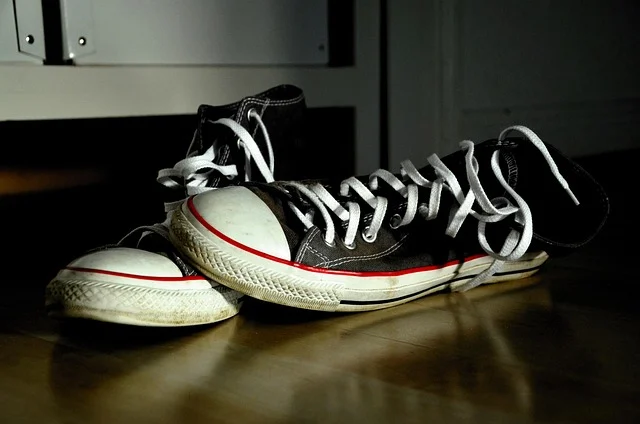
- Scrub Rubber Midsoles with Melamine Foam: Dampen a Magic Eraser sponge and rub firm strokes along yellowed or scuffed white rubber sidewalls. The micro-abrasive foam removes embedded scuffs without harsh chemicals.
- Apply Baking Soda and Hydrogen Peroxide Paste: Combine equal parts baking soda and hydrogen peroxide into a thick mixture. Coat white canvas uppers or rubber soles with the paste using an old toothbrush. Let the shoe sit in indirect sunlight for 2–3 hours until the paste hardens, then brush off the dried paste to reveal brighter white fabric.
- Soak and Wash White Laces: Submerge dirty white laces in a small bowl filled with warm water, 2 tablespoons of baking soda, and a splash of laundry detergent. Allow them to soak for 30 minutes, rub the laces together by hand, rinse thoroughly under cold water, and air-dry flat.
How to Clean Sneakers with Baking Soda
Baking soda (sodium bicarbonate) is a mild alkaline compound that works as a light abrasive and natural deodorizer for sneaker care at home.
- Baking Soda & Water Cleaning Paste: Mix two parts baking soda with one part warm water until a smooth paste forms. Apply this paste with a soft toothbrush to canvas, rubber, or mesh sections, scrub gently in circular motions, let sit for 15 minutes, and wipe clean with a wet towel.
- Baking Soda & White Vinegar Stain Remover: Mix equal parts baking soda and white vinegar in a cup. The mixture will foam up. Apply the paste directly to tough grass or mud stains, scrub lightly, and wipe clean with a damp microfiber cloth.
- Dry Interior Deodorizing: Sprinkle two tablespoons of dry baking soda directly into the footbed of dry sneakers. Leave the powder overnight to absorb moisture and neutralize odor-causing compounds, then tip the shoes over or vacuum out the dry powder the next day.
How to Clean Sneakers Inside and Eliminate Odors
Sweat and dead skin cells accumulate inside shoe linings, leading to unpleasant smells and bacterial growth if interior care is ignored.
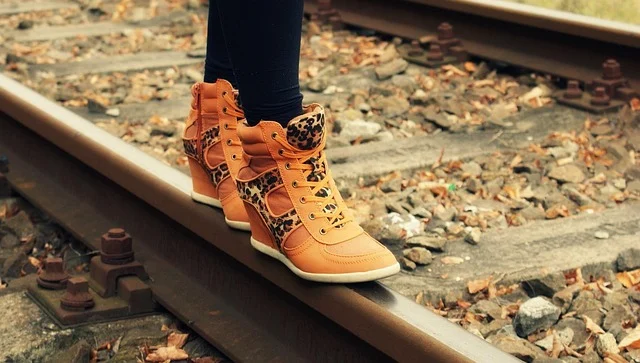
- Clean Removable Insoles: Take out the insoles and scrub both sides using warm water, dish soap, and a toothbrush. If odors persist, scrub insoles with a baking soda paste, rinse lightly with water, press dry between clean towels, and air dry completely.
- Scrub the Interior Lining: Dip a soft cloth or toothbrush into warm soapy water and wring out excess liquid. Gently scrub the heel counter, tongue undersides, and toe box lining, taking care not to soak the internal foam layers. Wipe down with a clean damp cloth.
- Moisture Control During Drying: Never put wet sneakers near radiator heaters or inside tumble dryers. Stuff damp shoe interiors with clean white paper towels to pull out internal moisture quickly, replacing the paper every few hours until completely dry.
How to Clean Sneakers in Washing Machine: Is It Safe?
Washing machines subject footwear to violent agitation, water immersion, and severe heat. While hand-washing is always safer, certain casual shoes can occasionally tolerate machine washing when strict guidelines are followed.
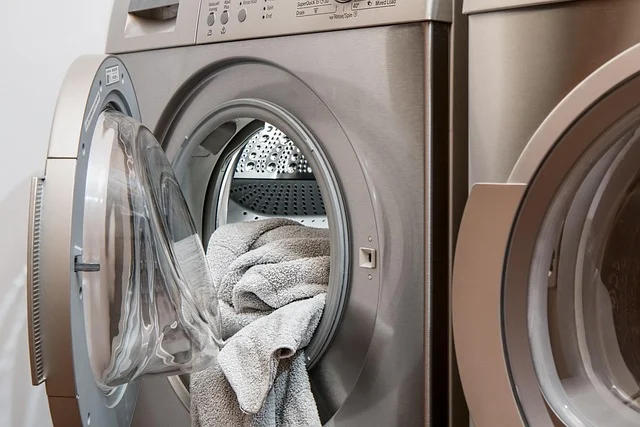
- When machine washing is acceptable: Simple canvas sneakers (such as basic low-tops) and non-sensitive synthetic fabrics without fragile glued overlays or delicate air units.
- When machine washing MUST be avoided: Leather, suede, nubuck, shoes with delicate mesh, foam midsoles with exposed glue lines, or vintage pairs. Machine cycles weaken glue bonds, warp midsoles, and strip leather finishes.
- Machine Wash Rules: Always unlace sneakers and remove insoles first. Place shoes and laces inside a mesh laundry bag. Wash on a cold-water delicate cycle using a small amount of liquid detergent. Include 2–3 old white towels in the drum to cushion the shoes during spin cycles. Never use high-heat dryers; heat warps midsoles and melts structural adhesives. Always air-dry.
Where to Clean Sneakers Near Me or Hire Professional Services
When dealing with rare collectible sneakers, delicate suede luxury pairs, or shoes with severe heel drag and yellowing, DIY home cleaning carries risks. Professional sneaker care offers deeper restoration.
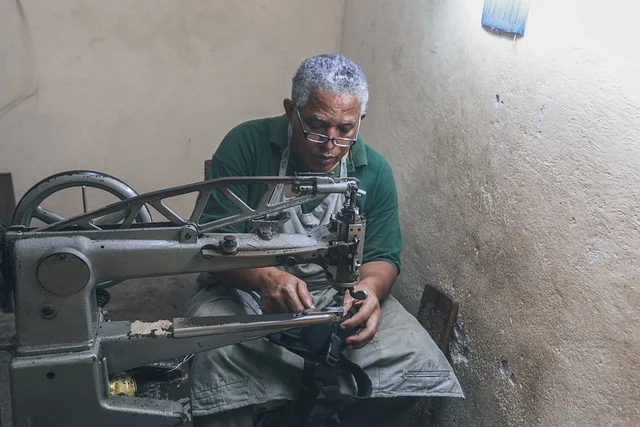
- Local Shoe Repair Shops & Cobblers: Search local business directories for shoe cobblers. Traditional cobblers handle leather deep cleaning, heel resoler work, stitching repairs, and midsole reglueing.
- Specialty Sneaker Restoration Boutiques: Many cities feature professional sneaker restoration services specializing in deep material cleaning, un-yellowing soles via UV light treatment, custom suede re-dyeing, and liquid repellent sealing.
- Dry Cleaners with Shoe Services: Select local dry cleaners provide professional solvent cleaning for high-end designer sneakers and delicate textiles.
- DIY vs. Professional Considerations: Basic home cleaning costs under $10 using household supplies or entry-level cleaning kits. Professional cleaning services charge depending on shoe material, stain severity, and turn-around time, making professional services best suited for valuable collectibles, rare grails, or highly fragile footwear.
- Who This Advice Does Not Suit: Heavy scrubbing and water-based home methods do not suit structural antique shoes, severely peeling vintage midsoles, or unworn historical collector pieces where water or friction can cause permanent deterioration.
Frequently Asked Questions
Can I use baby wipes to clean my sneakers?
Baby wipes can be effective for quick spot cleaning of minor dirt or scuffs on smooth leather or synthetic materials. However, they may not contain the necessary cleaning agents for deeper grime or specific stains and could leave a residue on porous materials like canvas or suede.
How often should I clean my sneakers?
It’s best to wipe down your sneakers after each wear to remove surface dirt. A more thorough cleaning, depending on usage and material, is recommended every few weeks to a month, or whenever they become visibly dirty or stained.
Can I put my sneakers in the washing machine?
Generally, it’s not recommended. High heat, agitation, and harsh detergents in washing machines can damage the adhesives, fabrics, and structure of most sneakers, especially those made of leather, suede, or delicate mesh.
How do I remove grass stains from white sneakers?
For grass stains, try a paste of baking soda and water applied directly to the stain, let it sit for a few hours, then gently scrub and wipe clean. For stubborn stains, a specialized stain remover or a diluted solution of white vinegar might be necessary, always tested first.
What’s the best way to clean white rubber soles?
A magic eraser (melamine foam) is highly effective for cleaning white rubber soles and midsoles. Alternatively, a paste of baking soda and water or a toothbrush with mild soap can also work well to lift dirt and scuffs.
Should I use a protective spray on my sneakers?
Yes, applying a water and stain repellent spray designed for your sneaker’s material can offer protection against moisture and common stains, making them easier to clean and helping them last longer. Reapply periodically as per product instructions.
Related guides
Sources: Sneaker collecting, How to Clean Your Shoes in 6 Easy Steps. Nike.com


