













When the desire for a truly radiant complexion comes up, many individuals find themselves overwhelmed by conflicting advice and a cupboard full of products yielding minimal results. Achieving clear, beautiful skin in 2026 isn’t about chasing fleeting trends or expensive treatments, but rather mastering fundamental principles and, crucially, avoiding common pitfalls that sabotage your efforts.
- Prioritize a gentle, consistent skincare routine focused on barrier health over aggressive treatments.
- Integrate diet and lifestyle factors, especially gut health and stress management, for complete skin improvement.
- Understand active ingredients and introduce them slowly to avoid irritation and safeguard your skin barrier.
- Be patient and consistent; significant skin changes typically require 6–12 weeks to manifest.
- Consult a dermatologist for persistent issues or when over-the-counter solutions fall short.
Understanding Your Skin Barrier: The Foundation of Clarity
Your skin barrier, specifically the stratum corneum, is the outermost layer of your skin. It acts as your body’s first line of defense against environmental aggressors, pollutants, and bacteria, while also preventing excessive water loss. A healthy skin barrier is crucial for anyone aiming to get clear beautiful skin.
When this barrier is compromised, skin can become dry, irritated, red, and more prone to breakouts. Common culprits include over-washing, using harsh cleansers, excessive exfoliation, and even environmental factors like extreme weather. A key insight here is that many struggle with skin clarity not due to lack of effort, but because their routine inadvertently damages this protective shield.
Recognizing the operational signs of a healthy versus compromised barrier helps identify problems early before breakouts escalate:
- Healthy Barrier Signals: Elastic texture, balanced oil production, even tone, and ability to absorb basic moisturizers without stinging.
- Compromised Barrier Signals: Stinging or burning sensation upon applying plain, non-active products; tight facial sensation after cleansing; localized flaking paired with inflamed bumps; and persistent blotchy redness.
To support your skin barrier, opt for gentle, pH-balanced cleansers and incorporate ceramides, fatty acids, and cholesterol into your moisturizing routine. These ingredients mimic the natural lipids found in your skin, helping to repair and strengthen its protective function. Protecting this vital layer is the first step toward a healthy, glowing complexion.
Who Rich Lipid Formulations Do Not Suit: While heavy ceramide-based creams are ideal for dry or compromised skin, individuals affected by fungal acne (Malassezia folliculitis) should avoid heavy lipid emulsions and oils, as these fatty acids feed yeast overgrowth. In such cases, lightweight, oil-free gel humectants are preferred.
The Daily Ritual: Cleansing and Protecting Your Complexion
The foundation of how to get clear beautiful skin lies in consistent, thoughtful daily care. Proper cleansing removes impurities without stripping natural oils, while smart moisturizing keeps your skin hydrated and resilient.

Cleansing should be done twice daily—morning and night—using lukewarm water and a mild, sulfate-free cleanser. For persistent blackheads or congested pores, a salicylic acid cleanser can be beneficial, but use it sparingly, perhaps every other day, to avoid over-drying. Post-cleansing, gently pat your face dry with a clean towel.
Structuring Morning vs. Evening Steps
Dividing your regimen into clear daytime and nighttime priorities ensures maximum protection during light hours and deep restoration while resting:
- Morning (Protect & Shield):
- Gently cleanse with lukewarm water or a mild hydrating wash.
- Apply hydration support like low-concentration niacinamide or hyaluronic acid on damp skin.
- Apply a lightweight, non-comedogenic moisturizer.
- Finish with broad-spectrum SPF 30 or higher (use mineral zinc oxide formulas for sensitive skin or broad-spectrum chemical filters for oily types).
- Evening (Cleanse & Repair):
- Double cleanse if wearing makeup or water-resistant sunscreen (start with an oil-based cleanser, followed by a gentle water-based wash).
- Apply active treatments (such as BHA or retinoids) on dry skin 2–3 evenings per week.
- Lock in hydration with a ceramide-rich moisturizer.
Moisturizing immediately after cleansing helps lock in hydration. Look for non-comedogenic formulas tailored to your skin type. As of July 2026, many formulations include hyaluronic acid for hydration, niacinamide for barrier support, and squalene for emollience. Beyond that, daily broad-spectrum SPF 30 or higher is non-negotiable, even on cloudy days, to protect against UV damage and prevent post-inflammatory hyperpigmentation.
Targeting Concerns: Active Ingredients for a Flawless Finish
For specific concerns like acne, uneven tone, or texture, active ingredients are your allies. However, understanding their function and proper application is paramount to avoid irritation and achieve a clear beautiful skin outcome.
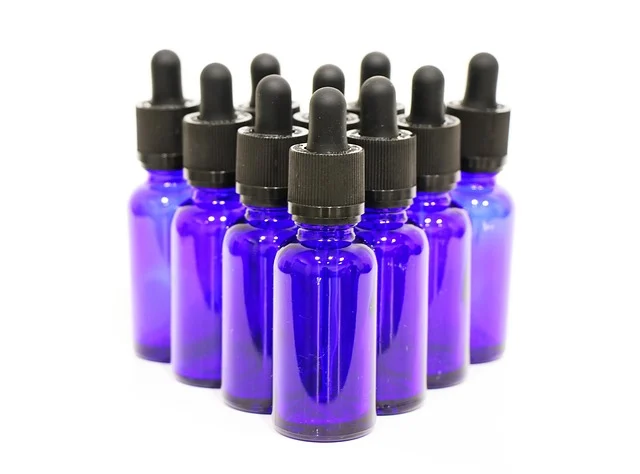
Introducing active ingredients slowly is a practical insight often overlooked. Start with a low concentration once or twice a week, gradually increasing frequency as your skin tolerates it. Patch testing on a small, inconspicuous area (like behind the ear) for a few days can prevent widespread reactions.
| Active Ingredient | Primary Purpose | Best For | Potential Drawbacks |
|---|---|---|---|
| Salicylic Acid (BHA) | Exfoliation, pore unclogging | Oily, acne-prone skin, blackheads | Can be drying, photosensitizing |
| Benzoyl Peroxide | Kills acne-causing bacteria | Inflammatory acne, pustules | Bleaches fabrics, drying, irritating |
| Retinoids (Retinol, Tretinoin) | Cell turnover, collagen production | Acne, anti-aging, hyperpigmentation | Initial purging, dryness, photosensitivity |
| Niacinamide (Vitamin B3) | Barrier repair, anti-inflammatory | Redness, pore appearance, barrier support | Rare flushing, generally well-tolerated |
| Vitamin C (Ascorbic Acid) | Antioxidant, brightening | Dullness, hyperpigmentation, anti-aging | Can oxidize, some forms unstable |
Rules for Layering Actives Without Irritation
Mixing strong actives without a plan can lead to chemical burns, scaling, and barrier breakdowns. Follow these concrete application guidelines:
- The Retinoid Sandwich Technique: If retinoids induce dryness, apply moisturizer first, let it absorb, apply a pea-sized amount of retinoid, and follow with another layer of moisturizer to reduce skin shock.
- Separating Incompatible Actives: Avoid combining strong direct acids (AHAs/BHAs) and retinoids in the same evening session. Use Vitamin C in the morning, acids on selected non-retinoid evenings, and retinoids on separate nights.
- Distinguishing Purging from Allergic Reactions: Purging accelerates micro-comedones already beneath the skin into surface pimples in regular breakout areas, lasting roughly 4–6 weeks. An allergic reaction or contact dermatitis produces tiny itchy bumps, raw redness, or rash-like pimples in areas you normally never break out, signaling an immediate need to discontinue the product.
Beyond the Surface: Diet, Hydration, and Gut Health
What you put into your body significantly impacts how to get clear beautiful skin. The gut-skin axis, a complex bidirectional communication system, highlights how internal health manifests externally. For instance, according to a 2026 review published in the Journal of Clinical Medicine, imbalances in gut flora can exacerbate inflammatory skin conditions.

Focus on an anti-inflammatory diet rich in antioxidants, omega-3 fatty acids, and probiotics. This means prioritizing fruits, vegetables, lean proteins, and healthy fats. Incorporating fermented foods like kimchi or kefir can support a healthy gut microbiome, which in turn can reduce systemic inflammation that contributes to breakouts.
Conducting a Targeted Dietary Elimination Log
Rather than cutting out large food groups permanently, follow a methodical protocol to locate personal acne triggers:
- Baseline Logging (2 Weeks): Track daily food, fluid intake, stress levels, and breakout spots without altering your standard diet.
- Targeted Exclusion (3 Weeks): Exclude one potential inflammatory trigger group, such as fluid dairy products or high-glycemic processed sugars.
- Structured Reintroduction (3 Days): Reintroduce the excluded food in small quantities twice daily for three days while keeping other factors constant. Monitor for new inflammatory papules over the following 7 days.
Conversely, limiting high-glycemic index foods (refined sugars, white bread) and, for some, dairy products, can significantly improve skin clarity. Where it gets harder is identifying personal triggers; some individuals find dairy to be a major contributor to acne, while others see no effect. Consistent hydration with water is also paramount for plump, healthy skin cells and efficient detoxification.
Lifestyle Habits That Sabotage (and Save) Your Skin
Beyond products and diet, daily lifestyle choices play a profound role in your skin’s appearance. Chronic stress, for example, triggers cortisol release, which can increase oil production and inflammation, leading to breakouts. Effective stress management through meditation, yoga, or even just consistent hobbies is a powerful tool for achieving a clear beautiful skin.
Quality sleep is another non-negotiable. During sleep, your skin undergoes repair and regeneration processes. Aim for 7–9 hours nightly. A simple, yet impactful, practical insight is to change your pillowcase every 2–3 days, especially if you have oily or acne-prone skin, to minimize bacterial transfer. Silk pillowcases can also reduce friction and irritation.
Regular exercise boosts circulation, delivering vital nutrients to your skin. Just remember to cleanse immediately post-workout to prevent sweat and bacteria from clogging pores. Other often-overlooked factors include regularly cleaning your phone screen (a hotbed for bacteria) and avoiding excessively hot showers, which can strip your skin’s natural oils.
Common Mistakes to Avoid on Your Journey to Clear Skin
Many trying to get clear beautiful skin inadvertently make common mistakes that hinder their progress. One of the most prevalent is over-exfoliation. While exfoliation is beneficial, doing it too often or using harsh physical scrubs can damage the skin barrier, leading to increased sensitivity, redness, and even more breakouts. Limit exfoliation to 2–3 times a week, and consider chemical exfoliants (AHAs/BHAs) over abrasive scrubs.

Another significant pitfall is product hopping. Constantly switching between new products before giving them enough time to work prevents you from seeing real results and can irritate your skin further. Most active ingredients require at least 4–6 weeks of consistent use to show noticeable improvement. Patience is key.
Ignoring patch testing, picking at your skin, and expecting instant results are also common missteps. Picking can introduce bacteria, lead to scarring, and spread infection. Real change takes time, and a consistent, gentle routine is far more effective than aggressive, sporadic interventions.
Common Skincare Pitfalls and Direct Fixes
- Problem: Dehydrated, oily skin reacting with excess sebum.
Fix: Stop avoiding moisturizer. Switch from heavy waxes to lightweight, oil-free gel creams containing glycerin and hyaluronic acid. - Problem: Applying humectant serums to dry skin.
Fix: Hyaluronic acid requires atmospheric or surface moisture to work effectively. Apply humectants directly to damp skin after washing. - Problem: Excessive use of cleansing wipes.
Fix: Wipes smear debris around the face and leave surfactant residue. Replace them with double-cleansing oils and gentle water-based rinses.
When to Seek Professional Help: Dermatologist Insights
While a diligent home routine can significantly improve how to get clear beautiful skin, some concerns warrant expert intervention. If you experience persistent, severe acne, cystic breakouts, or notice significant scarring, a board-certified dermatologist is your best resource. They can provide accurate diagnoses and access to prescription-strength treatments that are more potent than over-the-counter options.

Specific signs that signal over-the-counter care is insufficient include:
- Deep, painful nodules or cysts localized along the jawline or cheeks that do not form surface heads.
- Rapidly spreading inflammatory pimples resistant to 8–12 weeks of consistent OTC BHA or retinoid treatment.
- Pitted, ice-pick, or boxcar scarring developing after lesions heal.
Dermatologists can prescribe oral medications like antibiotics or isotretinoin, as well as stronger topical retinoids or anti-inflammatory agents. They also offer in-clinic procedures such as chemical peels, microdermabrasion, or laser therapy for acne scars and hyperpigmentation. As of July 2026, many dermatologists also offer tell-dermatology consultations, making initial assessments more accessible for various skin concerns.
A practical insight is not to delay seeking professional help if your skin issues are impacting your quality of life. Early intervention can prevent long-term damage and scarring, setting you on a faster path to a clear beautiful skin.
Your Personalized Path to a Radiant Complexion
Achieving clear beautiful skin is a journey, not a destination, and it requires a personalized approach. Start by assessing your skin type and primary concerns, whether it’s acne, dryness, oiliness, or sensitivity. This initial assessment guides your product choices and routine structure.
- Cleanse Gently: Use a mild, pH-balanced cleanser twice daily.
- Treat Specifically: Introduce active ingredients slowly for targeted concerns (e.g., salicylic acid for breakouts, niacinamide for redness).
- Moisturize Adequately: Choose a non-comedogenic moisturizer suitable for your skin type.
- Protect Daily: Apply broad-spectrum SPF 30+ every morning.
- Support Internally: Focus on an anti-inflammatory diet, stay hydrated, manage stress, and prioritize sleep.
Consistency is your most powerful tool. Stick to your routine for at least 6–12 weeks before evaluating its effectiveness. Small, consistent efforts compound over time, leading to lasting improvements in your skin’s clarity and overall health. For further insights into establishing a complete regimen, explore Optimizing Your Night Skincare Routine for 2026 on optimizing your night skincare routine.
Sources: Beautiful (2000 film)
Frequently asked questions
How long does it take to get clear skin?
Achieving truly clear skin typically takes consistent effort over several weeks to months. While some minor improvements might be visible within 2–4 weeks, significant changes, especially when addressing acne or hyperpigmentation, usually require 6–12 weeks for active ingredients to show their full effect and for skin cell turnover cycles to complete.
Can diet alone clear up skin?
Diet plays a substantial role in skin health, influencing inflammation and sebum production. While an anti-inflammatory diet rich in whole foods can significantly improve skin clarity for many, it often works best in conjunction with a targeted topical skincare routine. For some, internal factors may require professional medical intervention.
What are the best natural remedies for clear skin?
Natural approaches for clear skin often include soothing ingredients like aloe vera, green tea extracts for antioxidants, and honey for its antibacterial properties. While these can support skin health, they are typically best used as complementary treatments rather than standalone solutions for severe conditions. Always patch test natural remedies.
Is it possible to get clear skin without expensive products?
Absolutely. Many effective skincare ingredients are available in affordable formulations. Focusing on a simple, consistent routine with a gentle cleanser, moisturizer, and SPF, plus incorporating well-researched active ingredients like salicylic acid or niacinamide, can yield excellent results without a high price tag. Consistency and proper application outweigh cost.
How does stress impact skin clarity?
Stress triggers the release of hormones like cortisol, which can increase oil production in the skin and lead to inflammation. This hormonal fluctuation can exacerbate acne and other skin conditions, making it harder to maintain a clear complexion. Implementing stress-reduction techniques is an important, often overlooked, aspect of skincare.
Should I exfoliate every day for clear skin?
No, daily exfoliation is generally not recommended as it can strip the skin’s natural oils, damage the protective barrier, and lead to increased irritation, sensitivity, and even more breakouts. For most skin types, exfoliating 2–3 times per week is sufficient, allowing the skin to regenerate without being over-stressed.
Conclusion
The journey to clear beautiful skin in 2026 is one rooted in understanding your skin’s needs, committing to a gentle yet effective routine, and recognizing the powerful link between internal health and external radiance. By prioritizing your skin barrier, making informed choices about products and diet, and cultivating healthy lifestyle habits, you can overcome common obstacles and achieve the glowing complexion you desire. Your most actionable takeaway is to adopt a philosophy of patience and consistency, giving your skin the time and care it truly needs to thrive.


