













To care for your skin at night, double cleanse to remove makeup and sunscreen, apply active treatments like retinoids or targeted serums, and seal everything with a rich moisturizer. Evening skincare works alongside your skin’s natural repair cycle, accelerating cellular renewal and increasing ingredient absorption while you sleep.
Understanding how to skin care at night relies on aligning your routine with your skin’s biological rhythm. During daytime hours, your skin acts as a protective barrier against ultraviolet radiation, urban pollution, and oxidative stress. Once night falls, environmental exposure stops, and your skin shifts into recovery mode.
Neglecting proper evening skincare steps means missing out on the most effective hours for cellular repair and hydration. A well-constructed evening regimen removes surface debris, supplies nutrients, and prevents moisture loss so you wake up with healthier, balanced skin.
Why does skin require a dedicated nighttime routine?
Your skin undergoes distinct physiological changes between day and night. During sleep, your body’s circadian rhythm increases blood flow to the skin, accelerates cell division, and repairs damage caused by daytime exposure to sunlight and pollution.
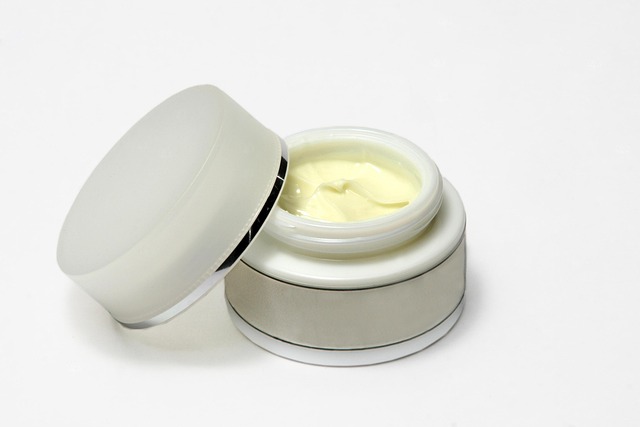
Research published in the Journal of Investigative Dermatology highlights that cellular mitosis in human skin reaches its peak during nighttime hours. Cell proliferation accelerates, replacing damaged cells with new tissue. Active ingredients applied before sleep integrate into this renewal cycle far more effectively than daytime applications, which must battle environmental stressors and sun exposure.
Nighttime is also characterized by higher transepidermal water loss (TEWL). As internal body temperature rises slightly during sleep, moisture evaporates through the skin surface at a higher rate. A targeted evening routine restores lost moisture and creates an occlusive barrier to lock in hydration.
Also, skin permeability increases at night. The skin barrier becomes slightly more receptive to topical applications, making evening the ideal time to apply active ingredients like retinoids, growth factors, and exfoliating acids that might otherwise cause irritation under direct sunlight.
What is the correct order for applying night skincare products?
Applying products in the correct sequence ensures that light, thin formulations penetrate the skin before heavier creams seal them in. The general rule for night skincare layering is to move from the lightest liquid consistency to the thickest cream or oil.
- First Cleanse (Oil or Balm): Dissolves sebum, silicone-based products, chemical sunscreen filters, and cosmetic makeup.
- Second Cleanse (Water-Based): Removes remaining sweat, ambient dust, and water-soluble pollutants from the skin surface and pore openings.
- Toner or Hydrating Essence: Restores skin surface pH and hydrates the outer layer of the stratum corneum to boost penetration for subsequent steps.
- Targeted Treatments and Serums: Delivers concentrated active ingredients like retinoids, peptides, or brightening agents directly to clean skin.
- Eye Cream: Hydrates and protects the thin, delicate skin surrounding the eyes.
- Moisturizer or Night Cream: Provides essential lipids, ceramides, and moisture while sealing active ingredients in place.
- Face Oil or Occlusive Layer (Optional): Creates an extra barrier to trap hydration in extremely dry environments or dry skin types.
Step 1: Double cleansing – oil and water cleansers
Double cleansing is the foundation of effective night skin care. A single wash with a regular facial cleanser often leaves behind residues of water-resistant sunscreen, long-wear makeup, and accumulated sebum.
Begin by applying an oil-based cleanser or cleansing balm to dry skin. Massage gently for 30 to 60 seconds to break down makeup and oil. Rinse with lukewarm water. For example, an oil cleanser like DHC Deep Cleansing Oil efficiently breaks down persistent pigments and SPF without stripping lipids.
Follow immediately with a water-based gel, foam, or cream cleanser on damp skin. This second cleanse washes away leftover residue and cleanses the pores directly. Using a non-stripping option like CeraVe Hydrating Facial Cleanser keeps the natural lipid barrier intact while removing surface debris.
Step 2: Hydrating and pH-balancing toners
Cleansing can temporarily disrupt your skin’s natural acidic pH level. A gentle toner restores surface balance and prepares the tissue to absorb treatment serums.
Choose hydrating toners containing hyaluronic acid, glycerin, or panthenol for dry or reactive skin. If your skin requires mild smoothing, a toner formulated with gentle polyhydroxy acids (PHAs) offers mild exfoliation without causing dryness. Avoid high-alcohol toners, which dehydrate the skin barrier and trigger compensatory oil production.
Step 3: Targeted active serums and treatments
Nighttime is when you should introduce potent active ingredients. Because these compounds work undisturbed for hours without UV interaction, they deliver significant improvements in texture and tone.
Retinoids (including retinol, retinaldehyde, and prescription tretinoin) represent the gold standard for evening treatments. Retinoids accelerate cell turnover, stimulate collagen production, and unclog pores over time. Products such as Drunk Elephant A-Passioni Retinol Cream offer strong renewal benefits, but they must be introduced gradually—starting once or twice a week—to allow the skin to adapt.
Antioxidant serums containing Vitamin C derivatives, Vitamin E, or ferulic acid help repair accumulated daily oxidative damage when used in evening routines. Meanwhile, peptide complexes and growth factors communicate with skin cells to support structural integrity, restoring firm texture and reducing fine lines.
Step 4: Eye creams for periorbital care
The skin surrounding your eyes is significantly thinner than the rest of your face and lacks oil glands, making it vulnerable to premature dryness and fine lines. Gently pat a pea-sized amount of eye cream along the orbital bone using your ring finger. Look for ingredients like peptides for firmness, caffeine for puffiness, or hyaluronic acid for deep hydration.
Step 5: Barrier-repair moisturizers
A high-quality night moisturizer closes your routine by binding moisture to the skin and fortifying the skin barrier. While daytime moisturizers often feel light and include SPF filters, night creams are richer and concentrate on repairing lipid structures.
Effective night creams contain a balance of three lipid components: ceramides, cholesterol, and fatty acids. Ceramides rebuild the intercellular matrix, preventing transepidermal water loss while you sleep.
Comparing active ingredients for night routines
Selecting the right treatment actives depends on your primary skin goals. The table below outlines how common nightly active ingredients compare in function, ideal skin type, application frequency, and trade-offs.
| Active Ingredient | Primary Function | Ideal Skin Type | Nightly Frequency | Key Trade-Off / Precaution |
|---|---|---|---|---|
| Retinoids (Retinol / Retinal) | Accelerates cell turnover and boosts collagen production | Aging, acne-prone, hyperpigmented | 2–5 nights per week | Can cause initial dryness, flaking, and purging; requires nightly SPF use next day |
| Alpha Hydroxy Acids (Glycolic / Lactic) | Exfoliates skin surface, brightens tone, smoothes texture | Dull, uneven, sun-damaged | 1–3 nights per week | May increase sensitivity; should not be layered directly with retinoids |
| Beta Hydroxy Acid (Salicylic Acid) | Penetrates oil inside pores to clear acne and blackheads | Oily, acne-prone, congested | 2–4 nights per week | Excessive use can strip surface lipids and dry out non-oily areas |
| Peptides & Growth Factors | Signals collagen repair and improves skin firmness | Aging, sagging, sensitive | Every night | Takes longer to show visible changes compared to chemical exfoliants |
| Hyaluronic Acid & Ceramides | Binds water to tissue and rebuilds lipid barrier | Dry, dehydrated, reactive, sensitive | Every night | Provides hydration only; does not directly target hyperpigmentation or active acne |
How should you tailor your night routine to your skin type?
Every individual’s skin requires a tailored strategy. Whether building a simplified routine or tailoring your evening steps to skincare needs for men, customized care produces better texture and clarity.

Oily and acne-prone skin
Oily skin needs balanced hydration without heavy occlusives that block pores. Focus on ingredients that balance sebum production and prevent pore clogging.
Use a gentle foaming gel cleanser, followed by a salicylic acid (BHA) treatment 2 to 3 nights a week to clear inside pores. Incorporate a niacinamide serum to soothe inflammation and regulate excess oil production. Finish with a lightweight, non-comedogenic gel-cream moisturizer rich in glycerin or hyaluronic acid.
Dry and dehydrated skin
Dry skin lacks oil, while dehydrated skin lacks water. A nightly routine for dry skin must supply both water-binding humectants and lipid-replenishing emollients.
Cleanse with a non-foaming cream cleanser or cleansing balm. Apply a hydrating toner in multiple light layers, followed by a hyaluronic acid serum on damp skin. Apply a thick cream containing ceramides, shea butter, or squalane. On particularly dry nights, seal everything in with a few drops of facial oil like jojoba or rosehip oil.
Sensitive and reactive skin
Sensitive skin requires a minimalist approach that emphasizes calming ingredients and barrier restoration while avoiding synthetic fragrances, essential oils, and aggressive exfoliants.
Stick to three core steps: a fragrance-free gentle cleanser, a soothing serum with Centella asiatica (Cica), colloidal oatmeal, or niacinamide, and a barrier-repair moisturizer formulated with ceramides and soothing panthenol. Avoid introducing multiple new strong active ingredients simultaneously.
Aging and mature skin
Mature skin experiences decreased natural lipid production, slower cell turnover, and loss of structural elasticity. Night routines should focus on cell renewal and deep replenishment.
Prioritize retinaldehyde or prescription retinoids to boost collagen production. Layer peptide-rich serums beneath rich moisturizing creams containing omega fatty acids and squalane. Incorporate gentle weekly glycolic acid exfoliation to clear away surface skin cells and increase overall radiance.
What common night skincare mistakes damage your skin?
Even high-quality products can cause irritation or breakouts if applied incorrectly. Avoiding common nighttime mistakes preserves your skin barrier and improves results.
- Layering incompatible active ingredients: Mixing strong acids (AHAs/BHAs) directly with retinoids or high-strength Vitamin C on the same night can disrupt your skin barrier, leading to redness, peeling, and irritation. Alternate these ingredients on different nights instead.
- Applying retinoids to damp skin: Wet skin absorbs topical ingredients much faster than dry skin. Applying retinoids directly onto damp skin increases penetration speed, which often triggers severe stinging and peeling. Always dry your skin thoroughly before applying retinoids.
- Neglecting the neck and chest: The skin on your neck and upper chest (décolletage) is thin and vulnerable to aging. Extend your cleanser, serums, and night creams downward from your face onto your neck and chest every night.
- Changing products too quickly: Skin cellular renewal takes approximately 28 to 40 days. Switching active treatments every week prevents you from seeing actual long-term results and subjects your skin to unnecessary stress. Give new routines 4 to 8 weeks before making adjustments.
- Sleeping on dirty or abrasive pillowcases: Traditional cotton pillowcases absorb moisture and topical creams from your face while accumulating hair oils and dead skin cells. Wash pillowcases frequently and consider switching to smoother materials like silk or satin.
Which advanced nightly rituals enhance your results?
Once you have established a consistent base routine, advanced techniques can further boost evening skin repair and support healthy microcirculation.
Overnight sleeping masks
Overnight sleeping masks act as intensive hydrating treatments. They are formulated with flexible polymers and occlusive agents that create a breathable matrix over your skin, trapping active serums underneath and preventing water loss throughout the night.
Brands like Laneige offer sleeping masks that deliver deep moisture while you rest. Use an overnight mask 2 or 3 nights a week in place of your standard moisturizer, especially during cold weather or after flying.
Facial massage and Gua Sha
Incorporating a brief 2-to-3-minute facial massage during your night routine helps relieve muscle tension, stimulates lymphatic drainage, and increases blood circulation to skin tissues.
Apply a few drops of face oil or a generous layer of night cream to provide glide. Using smooth fingertips, a jade roller, or a Gua Sha tool, gently stroke in upward and outward motions from the center of your face toward your hairline and down the neck. This technique reduces morning facial puffiness and promotes systemic relaxation before sleep.
Optimizing your sleep environment
The environment in which you sleep directly influences your skin’s overnight hydration levels. Central heating and air conditioning strip ambient air of moisture, drawing water out of exposed skin.
Combining high humidity with a silk or satin pillowcase minimizes friction and keeps topical products on your skin rather than in your bedding.
Who should avoid active night skincare routines?
While a nighttime routine benefits almost everyone, intense treatment regimens containing active acids or retinoids are not suitable for all skin conditions.

If you are experiencing an acute flare-up of eczema, severe rosacea, contact dermatitis, or a damaged skin barrier marked by burning upon product application, temporarily stop using all active treatments. Strip your routine down to a simple non-foaming cleanser and a gentle, fragrance-free ceramide cream or pure petrolatum until your barrier recovers fully.
Additionally, individuals who are pregnant or breastfeeding should avoid prescription retinoids, high-percentage retinol, and salicylic acid in high doses. Always consult a board-certified dermatologist before introducing active treatments during pregnancy.
Frequently asked questions
What is the ideal sequence for night skincare products?
The ideal order moves from thinnest consistency to thickest: double cleanser, toner or essence, active serums, eye cream, moisturizer, and an optional face oil. This sequence ensures active ingredients penetrate clean skin before creams seal in hydration.
How often should I exfoliate my skin at night?
Most skin types benefit from exfoliating 1 to 3 times per week using chemical exfoliants like AHAs or BHAs. Avoid daily chemical exfoliation, and do not combine exfoliants with retinoids on the same evening to protect your skin barrier.
Can I use the same products day and night?
Basic cleansers, hydrating toners, and simple moisturizers can be used both day and night. However, daytime routines require sun protection (SPF), while evening routines should feature restorative actives like retinoids and rich lipid creams that repair skin overnight.
Is double cleansing necessary if I do not wear makeup?
Double cleansing is beneficial even without makeup if you wear water-resistant sunscreen or live in an environment with high air pollution. The initial oil cleanse breaks down oil-based sunscreen filters and excess sebum that normal water-based cleansers leave behind.
Why does my skin feel dry in the morning despite using moisturizer?
Morning dryness usually indicates high transepidermal water loss during sleep or an inadequate moisture barrier. Switch to a thicker ceramide cream, apply a humectant serum to damp skin before moisturizing, or run a cool-mist humidifier in your bedroom.
Source: Britannica.


