






To style a bandana, fold a standard 22×22-inch fabric square into either a diagonal triangle or a narrow rolled band, then tie it around your head, neck, wrist, or bag. Secure it with a clean square knot, choosing lightweight cotton for structured casual ties or silk for fluid neckerchiefs and headband accents.
What size and fabric do you need before styling?
The physical properties of your bandana determine how well a knot holds, how fabric folds drape against your skin, and how comfortable the wrap remains throughout the day. Picking the wrong fabric or dimensions often leads to slippage, excessive bulk, or restrictive knots.
Bandanas generally come in three primary dimensions:
- Small (18×18 inches / 45×45 cm): Best suited for delicate wrist ties, compact pocket squares, or subtle accents tied around hair elastics. This size lacks sufficient length for full head wraps or bulky neck ties.
- Standard (22×22 inches / 56×56 cm): The most versatile option for everyday styling. It provides enough fabric length to wrap comfortably around adult necklines and head circumferences without leaving trailing ends that look disproportionate.
- Oversized (27×27 inches / 70×70 cm and larger): Ideal for full headscarf wraps, cowl-style neck drapes, shoulder shawls, or converting into a temporary bandeau crop top.
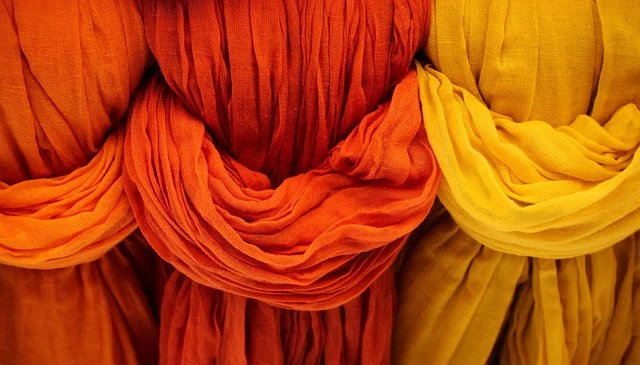
Fabric choice dictates knot retention and silhouette structure. Crisp, unwashed cotton provides rigid edges that stay folded and knots that resist slipping, though raw cotton can feel stiff against the throat. Washed cotton or bandana lawn softens over time, maintaining shape while moulding better to neck contours.
Silk and satin offer fluid drape and soft sheen, making them ideal for formal outfits or neat neckerchiefs. However, smooth surfaces slide easily against skin and hair, requiring double knots or hairpins to stay anchored. Linen provides a textured, breathable alternative for warm weather, though it wrinkles quickly when tightly knotted.
| Material Type | Drape & Feel | Knot Retention | Durability | Common Price Range |
|---|---|---|---|---|
| Cotton | Structured, soft with wear | Excellent | High | $5 – $20 |
| Silk | Fluid, luxurious, smooth | Moderate (can slip) | Moderate (delicate) | $20 – $100+ |
| Linen | Crisp, slightly textured | Good | High | $10 – $30 |
| Polyester/Blend | Variable, often smooth | Good | High | $3 – $15 |
How do you fold a bandana step by step?
Every bandana style begins with precise folding. Skipping or rushing the fold produces lumpy edges, uneven tails, and unwanted bulk.

The Diagonal Triangle Fold
Lay the bandana flat on a hard surface. Grab one corner and bring it directly across to meet the opposite diagonal corner, forming a right-angled triangle. Crease the folded long edge with your palm. This fold serves as the foundation for classic neckerchiefs, cowboy wraps, and full head covers.
The Rolled Strip Fold
Start with the bandana folded into a diagonal triangle. Beginning at the top pointed apex, make neat 1-inch (2.5 cm) inward folds down toward the long base line. Press flat as you work. This creates a clean, narrow band with crisp edges, perfect for headband styles, neck chokers, and wrist ties.
The Square Pocket Fold
Fold the square in half horizontally, then in half vertically to create a smaller square quarter of the original size. Fold once more into thirds depending on pocket width. This method compresses volume for clean tucking into blazer pockets or waistbands.
The Asymmetric Cowl Fold
Fold the square diagonally, but offset the top corner by 2 to 3 inches rather than aligning the edges precisely. When wrapped around the neck, this intentional misalignment adds layered depth and exposes contrasting print borders.
10 unexpected ways to style a bandana
A bandana transitions effortlessly across headwear, neckwear, wrist accents, and garment embellishments when paired with the right fold and fabric.

1. The Classic Cowboy Triangle Knot
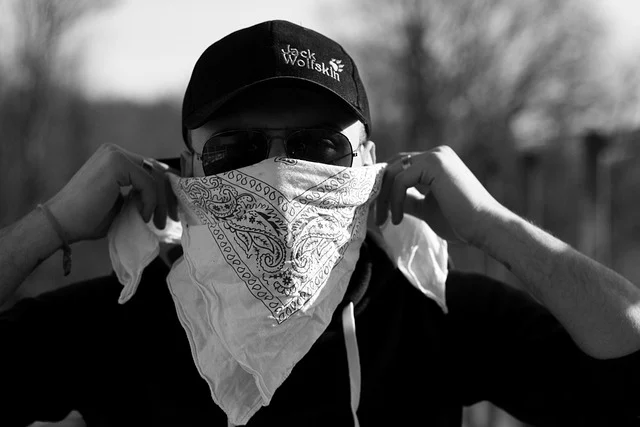
Fold a 22×22-inch cotton bandana into a diagonal triangle. Position the wide point resting flat against your chest or collarbones. Bring the two long side ends around to the back of your neck, cross them behind your nape, and bring them forward again under your chin. Tie a neat square knot underneath the front draped triangle, or leave the knot hidden behind your neck for a cleaner look. This works exceptionally well under unbuttoned denim jackets or casual leather coats.
2. The French Neckerchief Roll
Fold your bandana into a narrow 1-inch rolled strip using a silk or lightweight cotton square. Place the middle of the strip against the front of your throat. Wrap the tails around the back of your neck, cross them over, and pull them back toward the front. Tie a tight, offset double knot just below your jawline on the left or right side. Let the short tails extend outward. This method adds refined detail to crewneck sweaters, crisp dress shirts, and open-collar blazers.
3. The Sleek Choker Tie
Take a thin rolled strip fold and wrap it closely around your mid-neck area. Bring both ends to the rear of your neck and tie a double knot tightly against your neck contours. Tuck the loose ends under the wrapped band so no trailing fabric shows. The choker style adds a clean horizontal line that works well with strapless tops, square necklines, and low-cut tees.
4. The Retro Alice Headband
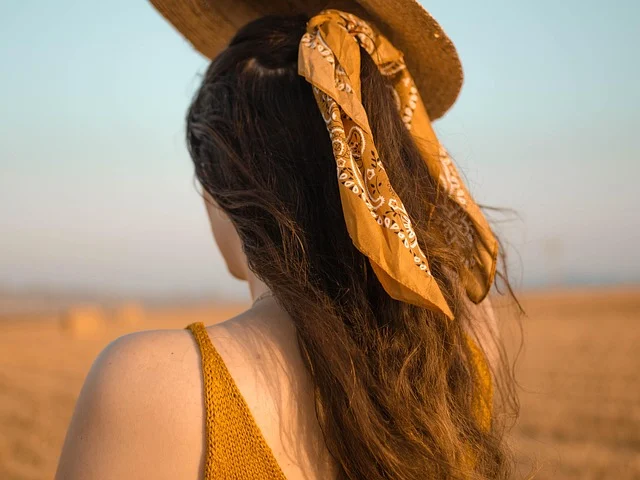
Create a 1.5-inch rolled strip from a colorful bandana. Center the middle of the band over the top of your head, sitting about an inch behind your hairline or right along the crown. Pull both ends down behind your ears to the nape of your neck, underneath your loose hair. Tie a double knot securely at the base of your skull. If your hair is smooth, spritz texturizing spray near the roots or anchor the band behind each ear with crisscrossed bobby pins.
5. The Full Hair Cover Wrap
Fold a cotton bandana diagonally into a triangle. Lay the wide, flat edge across your forehead just above your eyebrows, letting the back point cover your crown and drape down toward your shoulders. Gather the two long side corners behind your head and tie them in a double knot OVER the draped back point at your nape. Pull the rear center point tight to smooth out folds on top of your head. This classic wrap shields scalp and hair from sun exposure during outdoor wear.
6. The Ponytail and Braid Accent
Gather your hair into a mid or high ponytail using a secure elastic band. Fold a silk bandana into a narrow strip. Pass the bandana under the elastic tie, equalize the length on both sides, and tie a single knot over the elastic to conceal it, leaving long tails flowing down alongside your hair. For braids, divide your ponytail into two hair sections, using the two trailing bandana ends as the third strand to weave down to the ends before securing with a clear elastic.
7. The Handbag Handle Wrap
Breathe new life into a structured leather tote or crossbody bag by wrapping its top handle. Tie one end of a thin rolled bandana to the base of the handle using a tight single knot. Wrap the remaining length firmly around the handle in tight, overlapping spirals until the entire handle is covered. Knot the remaining fabric around the opposite handle base and tuck the loose tail inside the wrap for a clean, tailored accent.
8. The Wrist Cuff Accent
Fold an 18×18-inch or 22×22-inch bandana into a 1-inch strip. Place the center of the band against your inner wrist, wrap it around twice until taut, and tie a double knot on the top or outer edge of your wrist. Leave short tails flared out or tuck them underneath the wrap for a compact cuff effect. This subtle detail pairs smoothly with short-sleeve tees or pushed-up denim sleeves to enhance a layered look.
9. The Belt Loop Drape
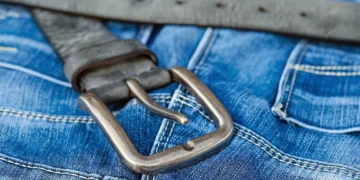
Fold a bandana into a loose triangle or rolled strip. Thread one end through a front or side belt loop on your favorite jeans or cargo trousers. Pull it through until half the length passes through, then tie a loose overhand knot around the loop fabric. Let the printed tails hang freely along your hip. This technique adds an effortless pop of pattern to rugged utilitarian outfits and fits right into What is Streetwear Fashion? Defining Urban Style.
10. The Bandeau Wrap Top
For warm outdoor events, use an oversized 27×27-inch or 30×30-inch bandana as a crop top. Fold the square diagonally into a large triangle. Hold the wide edge flat across your chest, wrapping the two outer corners firmly around your back. Tie a secure double knot between your shoulder blades, ensuring high tension. The bottom point drapes down over your abdomen, forming an asymmetric strapless top that pairs smoothly under open linen button-down shirts or with high-waisted denim.
How do you balance bandana styles with your outfit and body shape?
Because a bandana introduces concentrated color and pattern, balancing its visual weight against your silhouette prevents the accessory from feeling overwhelming or clumsy.
When styling loose or oversized upper garments, such as a overall balance of your outfit, choose narrow neck rolls or compact wrist wraps. Thin bands maintain sharp definition without adding bulky fabric folds on top of already loose garments.
Facial structure and neck length also dictate which neck style works best:
- Round facial shapes or shorter necks: Avoid wide chokers or tight high-neck wraps that cut off the neck line. Opt for V-shaped triangle hangs (cowboy ties) or long draping tails that extend down toward the chest, creating a lengthening vertical line.
- Longer necks or oval facial shapes: Wide rolled headbands, snug chokers, and high French neckerchief knots balance proportions by creating clean horizontal breaks.
- Broad shoulders: Larger 27×27-inch bandanas draped over one shoulder or tied loosely across the chest distribute visual weight evenly without constricting movements.
What common styling mistakes ruin a bandana look?
Even small errors in tension, fabric selection, or pattern matching can compromise an otherwise great outfit.
Tying knots too tightly around the neck or forehead is the most frequent mistake. Excess tension creates uncomfortable skin bulging, restricts neck movement, and distorts the bandana pattern into distorted wrinkles.

Avoid these common styling mistakes with simple corrections:
- Overtightening neck ties: Always test tension by slipping two fingers easily between your throat and the tied fabric. If the fingers feel squished, loosen the knot.
- Clashing dense prints: Pairing a classic, busy paisley bandana with intricate floral or plaid shirts overwhelms the eyes. Balance patterned bandanas with solid tops, or choose solid-colored bandanas when wearing detailed outerwear.
- Unsecured slick fabrics: Attempting a head wrap using smooth silk without hair pins guarantees constant slipping. Use rigid cotton for hair wraps, or spray texturizing product on fine hair before tying silk headbands.
- Bulky granny knots: Tying standard round knots forms hard, lumpy balls that stick out awkwardly. Use a square knot (right over left, then left over right) so the finished knot lies completely flat against fabric surfaces.
Who should adjust or avoid specific bandana styles?
Certain placements do not suit every body structure, hair texture, or dress environment.
Individuals with very short necklines should generally avoid thick neckerchief rolls or dense high-neck chokers. These wraps compress the neck visually, making shoulders appear slouched. Instead, shift bandana accents to bag straps, belt loops, or wrist wraps.
People with extremely fine or pin-straight hair often struggle with full top-of-head wraps sliding backward. If hair spray and bobby pins fail to secure the wrap, opt for braided accent ties or ponytail wraps where hair elastics bear the fabric weight.
Formal black-tie environments or strict corporate business dress codes are generally unsuitable for casual cotton bandanas. While high-grade silk squares can double as elegant neckerchiefs with tailored suit jackets in creative professional settings, cotton paisley ties remain fundamentally casual and smart-casual statements.
Sources: Fashion News and Trends: Designers, Models, Style Guides
Frequently asked questions
What is the standard size for a versatile bandana?
The standard versatile bandana size is 22×22 inches (56×56 cm). This dimension provides adequate length for comfortable neck ties, head wraps, and wrist folds on most adults without excess bulk.
Can bandanas be worn in professional settings?
Yes, silk or fine cotton bandanas in solid colors or muted patterns work well in smart-casual and creative professional environments. Fold them into clean, narrow strips tied softly around the collar or tucked under a blazer lapel.
How do I prevent my bandana from slipping off my hair?
Spritz texturizing spray or dry shampoo at your hair roots to create grip before tying. Always tie knots firmly at the base of the skull beneath hair volume, and insert two bobby pins vertically over the fabric fold behind your ears.
What is the best way to clean a bandana?
Machine wash cotton and synthetic bandanas in cold water on a gentle cycle, then line dry to preserve fabric colors. Hand wash silk bandanas gently using mild liquid detergent and air dry flat away from direct sunlight.
How do you tie a bandana knot so it lies flat?
Use a traditional square knot by crossing the right tail over the left tail and pulling through, then crossing the left tail over the right tail. This creates a flat, symmetrical knot that resists slipping under tension.
Source: Vogue.