










For wide feet, use a guide for Yeezy 700 sizing and go up half a size. This extra volume in the toe box and midfoot prevents discomfort. Average feet fit true to size, but padded construction makes them feel restrictive for broad feet.
Fit expectations also vary significantly depending on the specific model. The Yeezy 700 V1, V2, and MNVN feature more flexible upper materials and forgiving forefoots. In contrast, the rigid external cage and Primeknit construction of the V3 often require sizing up a full size.
The rest of this guide details fit variations across every Yeezy 700 model. It provides step-by-step foot measurement methods and lacing techniques to improve comfort. The guide also covers common sizing errors to avoid and practical styling advice for wider feet.

Yeezy 700 Fit Breakdown Across Every Generation
Navigating the Adidas Yeezy 700 line requires a sizing guide for understanding how materials impact interior volume. Although all versions share the iconic chunky aesthetic, structural changes between iterations create distinct sizing experiences for wide-footed wearers.
Yeezy 700 V1 (e.g., Wave Runner, Magnet, Mauve, Inertia)
The original Yeezy 700 V1 features a retro dad-runner silhouette built with multi-layered suede, leather, and breathable mesh. Inside, thick foam padding wraps around the collar and heel cup. Meanwhile, full-length Boost cushioning sits beneath a molded orthotic insole. The front of the shoe tapers aggressively downward into the toe box. This compresses the lateral side of wider feet if worn true to size. Going up half a size (+0.5) relieves this downward and side pressure without causing heel slippage.
Yeezy 700 V2 (e.g., Static, Tephra, Vanta, Hospital Blue)
The V2 upper replaces heavy suede panels with lightweight mesh and subtle soft leather or synthetic overlays. Because the mesh forefoot has slightly more natural lateral give than the structured upper of the V1, some standard-width runners wear them true to size. However, for wide feet (E width or wider), the tapered toe profile remains tight. Sizing up half a size (+0.5) ensures the sides of your feet do not bulge over the midsole wall.
Yeezy 700 V3 (e.g., Azael, Alvah, Arzareth, Clay Brown)
The Yeezy 700 V3 deviates entirely from its predecessors. It features a bootie-like inner sock liner made of engineered Primeknit, wrapped in a rigid outer glow-in-the-dark polyurethane (RPU) cage. Unlike the V1 and V2, the V3 replaces Boost foam with encapsulated EVA foam, creating a firmer step. The external RPU cage offers zero stretch, squeezing the metatarsal heads tight. Wide-footed individuals must size up one full size (+1.0) to prevent painful friction along the fifth metatarsal (pinky toe).
Yeezy 700 MNVN (e.g., Triple Black, Orange, Bone, Phosphor)
The MNVN features a smooth, lightweight polyester/nylon upper adorned with large metallic ‘700’ branding. It utilizes a full-length Boost midsole similar to the V1 and V2, but uses a no-tie bungee lace system. The flexible nylon fabric accommodates forefoot spread better than the V3. However, the fixed length of the pre-threaded bungee laces restricts entrance step-in height. A half size up (+0.5) gives wide feet necessary clearance across the instep.
Yeezy 700 sizing guide for wide feet
Use this summary table to quickly identify the correct sizing adjustment based on foot width profile and specific Yeezy 700 model characteristics:
| Model | Upper Materials | Toe Box Flexibility | Standard Fit | Wide Foot Recommendation |
|---|---|---|---|---|
| Yeezy 700 V1 | Suede, leather, thick mesh | Moderate (gives slightly after break-in) | True to size | Go up 0.5 size |
| Yeezy 700 V2 | Rolled mesh, subtle overlays | Moderate to High | True to size | Go up 0.5 size |
| Yeezy 700 V3 | Primeknit bootie, rigid RPU cage | Very Low (zero upper give) | Go up 0.5 size | Go up 1.0 size |
| Yeezy 700 MNVN | Lightweight nylon, bungee laces | High upper give, firm entry | True to size | Go up 0.5 size |
How to Accurately Measure Your Foot Width for Yeezy 700s
To avoid guesswork when buying sneakers online, measure both your foot length and wide forefoot girth at home using a standard paper tracing method.
- Measure late in the day: Feet naturally swell throughout the day due to temperature and activity. Measuring in the evening ensures you size for your maximum foot volume.
- Wear your typical socks: Put on the crew or athletic socks you intend to wear with your Yeezys, as sock thickness drastically alters interior fit.
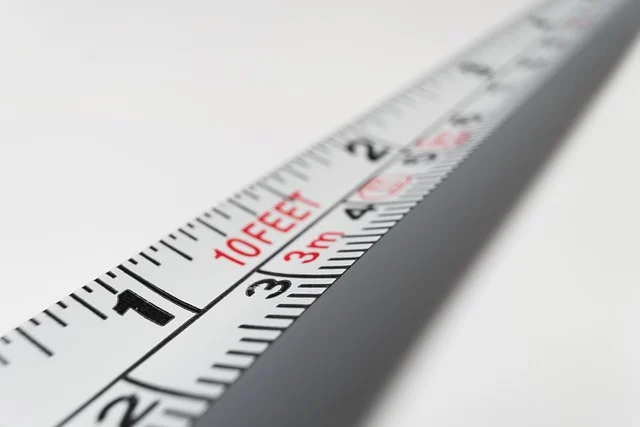
- Trace your foot: Place a piece of paper on a hard floor against a flat wall. Stand upright on the paper with your heel lightly touching the wall. Next, trace around the perimeter of your foot with a pencil kept perfectly perpendicular to the floor.
- Measure length and width: Measure from the edge of the heel to the tip of your longest toe using a ruler. Then, measure the distance across the widest part of your forefoot (the ball of your foot across the first and fifth metatarsal joints).
- Determine your width classification:
- D Width (Standard): Forefoot width is roughly 3.8 to 4.1 inches for men’s US size 9–11. Fits standard Yeezy recommendations.
- E / EE Width (Wide): Forefoot width exceeds 4.2 inches for men’s US size 9–11. As a result, it requires half size up in V1/V2/MNVN, full size up in V3.
- 4E Width (Extra Wide): Requires a full size up across all 700 models, plus potential insole removal.
Worked Sizing Examples for Wide Feet
Understanding real-world sizing conversions helps ground these recommendations in concrete numbers. Review these practical examples before selecting your pair:
Example 1: The Standard Wide Foot (E Width)
A buyer measures a True-to-Size (TTS) US 10 on a Brannock device, but possesses an E-width forefoot.
- In standard Nike/Adidas lifestyle shoes: Wears US 10.
- In Yeezy 700 V1 Wave Runner: Selects US 10.5. The extra half size adds ~4mm of footbed length and crucial extra millimeter clearance in forefoot circumference.
- In Yeezy 700 V3 Azael: Selects US 11.0. A full size jump compensates for the unyielding plastic RPU cage and snug internal bootie.
Example 2: Transitioning from Other Popular Sneakers
Sneaker sizing varies widely between brands. Here is how your size in other iconic models maps to the Yeezy 700 for wide feet:
- Nike Air Force 1 Low: AF1s famously run large (most wide feet wear their true size). If you wear a US 9.5 in Air Force 1, your true foot size is US 10. So, you should order a US 10.5 in Yeezy 700 V1/V2 and a US 11.0 in Yeezy 700 V3.
- Air Jordan 1 High: If you take a US 10 in Air Jordan 1 for a comfortable wide fit, your Yeezy 700 V1/V2 size is US 10.5. For more insights on Air Jordan sizing adjustments, check out our guide on Air Jordan 1 Sizing for Women or compare with our analysis of Jordan 6 Retro Sizing.
Comfort Hacks & Lacing Techniques for Wide Feet
If your Yeezy 700s still feel slightly snug across the midfoot or forefoot after sizing up, implement these non-destructive modifications to create instant room:
1. Swap or Remove the Factory Insole
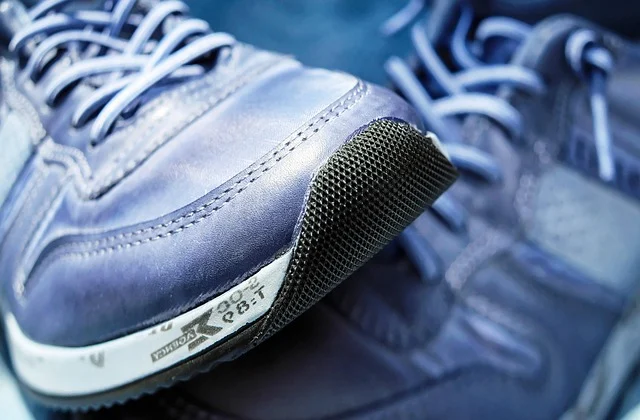
The stock OrthoLite insoles in Yeezy 700s are relatively thick (around 4mm to 5mm). Replacing the stock insole with a thin 2mm flat foam insole immediately opens up vertical height. Alternatively, removing it entirely during the initial break-in period relieves pressure across your instep.
2. Parallel / Skip Lacing (Window Lacing)
Standard crossover lacing pulls the eyestays inward, compressing the midfoot. For wide feet or high insteps, try Window Lacing:
- Unlace the sneaker down to the eyelet right below where you feel excessive pressure.
- Pass the lace directly up on the same side to the next eyelet above, skipping the cross-over pattern for one row.
- Resume normal diagonal criss-cross lacing through the top eyelets.
- This creates an open “window” over the widest part of your foot, allowing the upper to expand laterally.
3. Replacing the MNVN Bungee System
Consult a Yeezy 700 sizing guide for help with wide midfoots, as the pre-equipped elastic no-tie cord exerts continuous downward tension. However, cutting the factory bungee loop and installing standard flat cotton laces allows you to loosen midfoot tension.
Common Sizing Errors to Avoid
- Assuming all Yeezy models fit the same: Buying a Yeezy 700 V3 in the same size as a Yeezy 350 V2 or Yeezy 700 V1 often results in crushed toes. The V3 requires more aggressive sizing up due to its cage.
- Ignoring foot swell: Trying on sneakers in the morning can give a false impression of roominess. Because that extra space disappears after walking for two hours.
- Over-compensating with multiple size jumps: Sizing up 1.5 or 2 full sizes in a V1 or V2 to gain width will leave too much empty space in the toe box, causing severe heel slip and unnatural creasing across the suede toe cap.
Who Should Not Follow the Half-Size Up Rule?
While sizing up half a size benefits most wide-footed individuals, this general rule does not suit everyone:
- Narrow Footed Wearers (B/C Width): Stick to your true size. Sizing up will cause your foot to slide forward, leading to toe banging against the front mesh.
- People Needing Thick Medical Orthotics: If you must insert custom orthotic arches without removing the factory shoe bed, you may need to go up 1 full size even on V1 and V2 models to account for the vertical stack height.
Frequently asked questions
Are Yeezy 700s good for people with wide feet?
Generally, yes, especially the V1 and V2 models. While not specifically designed for wide feet, they offer more room than many other fashion sneakers, and sizing up a half size often provides sufficient comfort for most individuals with wider feet.
Should users size up in Yeezy 700s if they have wide feet?
For most Yeezy 700 models (V1, V2, MNVN), going up a half size is highly recommended for wide feet. For the V3 model, a full size up is often necessary due to its narrower construction and external cage.
How do Yeezy 700 V3s fit compared to V1s for wide feet?
Use a Yeezy 700 sizing guide, as V3s are narrower and more restrictive than V1s, especially in the toe box. V1s are more accommodating, while V3s often require a larger size or suit narrower feet better.
Can I wear Yeezy 700s with bunions?
It depends on the severity. If you have bunions, sizing up a half or full size is almost certainly required. The V1 and MNVN models might offer more flexibility due to their upper materials and construction, but it’s best to try them on or consult reviews from others with similar conditions.
What is the widest Yeezy 700 model?
The Yeezy 700 V1 (Wave Runner) and Yeezy 700 MNVN fit best in a Yeezy 700 sizing guide for wider feet. Also, their construction allows for more give and volume.
Do Yeezy 700s run true to size for average feet?
Yes, for individuals with average-width feet, a Yeezy 700 sizing guide recommends your true size. However, the primary sizing concern arises for those with wider feet who often need to adjust their usual size.
How much does a pair of Yeezy 700s typically cost in 2026?
As of May 2026, retail prices for new Yeezy 700 releases typically range from $200 to $260 USD. However, resale prices vary wildly based on rarity, condition, and demand, often ranging from $250 to over $600 for highly sought-after colorways.
The Final Fit: Your Guide to Yeezy 700 Comfort
Finding the right fit using a Yeezy 700 sizing guide for wide feet is less about a rigid rule. It is more about understanding the nuances of each model and your own foot. The general consensus as of May 2026 is that many Yeezy 700s run true to size for average feet. However, individuals with wider feet should strongly consider going up a half size, and potentially a full size for the V3 model. Precise foot measurement, exploring different lacing techniques, and shopping with a keen eye on return policies are your best tools.

The ultimate goal is to achieve that elusive combination of style and comfort. So, by arming yourself with this knowledge, you can confidently Handle the Yeezy 700 sizing guide for wide feet and step out in your perfect pair.