
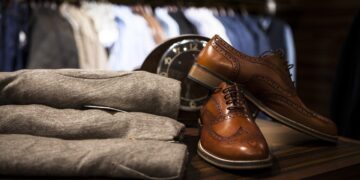












Why do some people always look effortlessly put-together, even in seemingly simple outfits? The secret isn’t just about owning expensive clothes, but about understanding a fundamental how to style fashion guide a strategic approach to dressing that elevates your personal aesthetic. This isn’t about rigid rules, but about cultivating an intuitive sense of balance, color, and proportion that works for you.
- Developing a personal style blueprint is crucial for cohesive and confident dressing.
- Mastering proportion and silhouette forms the bedrock of any well-styled outfit.
- Strategic use of color and texture can transform simple pieces into sophisticated ensembles.
- A versatile capsule wardrobe built on core essentials provides endless outfit combinations.
- Accessories are powerful tools for elevating looks and expressing individuality.
- Avoid common mistakes like impulse buying and neglecting garment care for a refined wardrobe.
Understanding Your Unique Style Blueprint
Before diving into specific outfit styling techniques, it’s essential to define your personal style. This blueprint acts as your compass, guiding your choices and ensuring consistency. It’s about more than just trends; it reflects your personality, lifestyle, and comfort.
To start, consider your daily activities, preferred aesthetics, and what makes you feel confident. For instance, if your life involves a lot of movement and creative work, a Bohemian or artistic style might resonate more than a rigid corporate one. Gather inspiration from magazines, social media, and even people you admire, noting recurring themes or silhouettes.
In my years working within the dynamic fashion landscape, I’ve observed that the most authentic styles are those that seamlessly integrate into a person’s life, rather than being forced. This introspection is a critical step in personal style development.

Mastering the Fundamentals: Proportion and Silhouette
Proportion and silhouette are the unsung heroes of a well-styled look. They dictate how clothes sit on your body and how your figure appears. Understanding these elements can transform an ordinary outfit into something striking.
A common principle is the ‘rule of thirds’ or a 1/3 to 2/3 ratio. For example, pairing high-waisted trousers (2/3) with a cropped top (1/3) elongates the legs, creating a balanced and flattering line. Conversely, a longer top with slim-fit pants can create a different, equally effective proportion.
Experiment with different garment lengths and volumes to see what harmonizes best with your body shape. If you’re wearing an oversized top, balance it with slimmer bottoms. If your bottoms are voluminous, like barrel jeans, pair them with a more fitted top to avoid overwhelming your frame. For surface-material comparisons, see How to Style Barrel Jeans: Your 2026 Guide to Chic Denim.
The Art of Color and Texture Coordination
Color and texture are powerful tools for adding depth and interest to any outfit. They can evoke moods, create visual intrigue, and instantly elevate your ensemble without needing complex layering.
Start with a foundational understanding of color theory: monochromatic (different shades of one color), analogous (colors next to each other on the color wheel), and complementary (colors opposite each other). For example, a navy suit with a light blue shirt (monochromatic) exudes calm, while a deep emerald green top paired with a rich burgundy skirt (complementary) makes a bold statement.
Beyond color, texture adds another dimension. Combine a chunky knit sweater with sleek leather pants, or a delicate silk blouse with sturdy denim. According to a 2026 trend report by WGSN, there’s a growing emphasis on tactile experiences in fashion, highlighting the importance of varied textures in modern styling.

Building a Versatile Wardrobe: Your Core Pieces
A strong, versatile wardrobe is the cornerstone of effective fashion styling. It consists of high-quality, foundational pieces that can be mixed and matched to create numerous outfits for different occasions.
Focus on timeless classics that align with your personal style. This might include well-fitting denim, a classic blazer, crisp white shirts, neutral-colored knitwear, and versatile dresses or skirts. These items serve as your canvas, allowing you to add personality through accessories and seasonal trend pieces.
Investing in quality over quantity pays off in the long run. Durable fabrics and classic cuts ensure longevity and better drape, making them easier to style. This approach also aligns with the growing movement towards more sustainable fashion choices, reducing textile waste.
How to Style an Outfit: A Step-by-Step Approach
Styling an outfit doesn’t have to be daunting. By following a structured process, you can build cohesive and intentional looks every time. This step-by-step method helps in developing your outfit styling techniques.
- Choose Your Hero Piece: Start with one item you want to highlight it could be a statement skirt, a patterned blouse, or a unique pair of shoes. This anchors your outfit.
- Select Your Foundation: Add core pieces that complement your hero. If your hero is a colorful top, pick neutral bottoms. If it’s patterned pants, choose a solid-colored top.
- Build Layers and Texture: Introduce a ‘third piece’ like a blazer, cardigan, or jacket. This adds dimension and polish. Consider different textures to create visual interest.
- Add Your Shoes: Footwear can drastically change an outfit’s vibe. Opt for heels to elevate, sneakers for casual comfort, or boots for an edgy touch.
- Accessorize Strategically: Incorporate jewelry, a belt, a bag, or a scarf. These elements tie the look together and inject personality. Ensure accessories complement, not compete with, your hero piece.
- Final Review: Step back and assess the overall balance, color harmony, and comfort. Does it reflect your personal style?
Elevating Your Look with Strategic Accessorizing
Accessories are often the secret weapon in a well-curated wardrobe. They can transform a basic ensemble into a distinctive look, offering endless possibilities for personal expression. From jewelry to handbags, belts to scarves, each piece plays a vital role.
Think of accessories as punctuation marks for your outfit. A statement necklace can draw attention to your neckline, while a structured belt can define your waist and refine your silhouette. For example, Sarah, a marketing executive, often pairs her neutral dresses with bold, colorful scarves to add a pop of personality and professional flair.
The key is balance. If your clothing is busy, opt for minimalist accessories. If your outfit is simple, don’t shy away from a chunky watch or an intricately designed handbag. As of July 2026, oversized, sculptural jewelry and unique, artisan-crafted bags are particularly trending, allowing for distinct personal touches.
Common Styling Mistakes to Avoid in 2026
Even with a solid how to style fashion guide, certain pitfalls can derail an otherwise great outfit. Being aware of these common mistakes allows you to refine your approach and ensure your looks are always polished.
One frequent error is neglecting garment fit. Clothes that are too tight or too loose instantly detract from your appearance, regardless of their quality or price. A garment should skim your body comfortably, allowing for movement without stretching or gaping. Investing in a good tailor can make a significant difference, transforming off-the-rack pieces into custom-fit treasures.
Another mistake is chasing every trend. While incorporating current fashion trends in 2026 can be fun, blindly adopting them without considering your personal style or body type often leads to a disjointed wardrobe. Focus on trends that genuinely resonate with you and integrate them thoughtfully into your existing aesthetic. Over-accessorizing can also overwhelm an outfit; sometimes, less is truly more.
Expert Tips for Evolving Your Fashion Sense
Developing a sophisticated fashion sense is an ongoing journey. To truly master outfit styling, move beyond basic tips and embrace a mindset of continuous learning and adaptation. This means understanding the underlying principles that make an outfit work.
Consider the concept of ‘dressing for your destination,’ not just the occasion. If you’re going to a casual dinner, think about the specific restaurant’s ambiance and your company, not just ‘casual.’ This nuance helps tailor your look more precisely. Another valuable insight: don’t underestimate the power of confidence. Even a perfectly styled outfit falls flat if you don’t feel good in it.
Beyond that, explore sustainable fashion choices. Brands like Patagonia or Reformation, while specific to certain styles, demonstrate how investing in quality, ethically produced garments can elevate your wardrobe and align with contemporary values. This focus on conscious consumption is a key aspect of modern fashion, as highlighted by ethical fashion movements globally, according to the Fashion Revolution Foundation.

Fashion Guide: Real-World Styling Examples
Putting theory into practice is where the magic happens. Let’s look at a few common scenarios and how a strategic approach to a how to style fashion guide can create impactful results.
Imagine a scenario: you need to transition a simple black slip dress from a day look to an evening out. For day, Emma might pair it with a crisp white t-shirt underneath, white sneakers, and a denim jacket. This creates a casual, layered aesthetic. For evening, she removes the t-shirt and jacket, adds strappy heels, a statement necklace, and a sleek clutch bag. The change in accessories and layering completely transforms the dress, showcasing its versatility.
Another example involves elevating a classic pair of blue jeans. David, an architect, might wear his dark-wash jeans with a simple crew-neck t-shirt and sneakers for a relaxed weekend. To elevate this for a creative work environment, he swaps the t-shirt for a fitted button-down shirt, adds a tailored blazer, and exchanges sneakers for polished loafers. The addition of structured pieces and refined footwear makes the same jeans look sophisticated and professional.
Frequently Asked Questions
How do I find my personal style?
Finding your personal style involves introspection and exploration. Start by identifying your preferences, lifestyle needs, and body shape. Create a mood board with images that inspire you, then analyze common themes in colors, silhouettes, and textures. Experiment with different combinations to see what feels authentic and comfortable.
What are the essential wardrobe pieces everyone should own?
Essential wardrobe pieces typically include versatile basics: a well-fitting pair of jeans, a classic white shirt, a neutral blazer, a simple black dress or skirt, comfortable neutral-colored trousers, and versatile knitwear. These items can be mixed, matched, and accessorized to create a multitude of outfits for various occasions.
How can I make my outfits look more expensive?
To make outfits look more expensive, focus on fit, fabric quality, and attention to detail. Ensure clothes are tailored to your body, opt for natural fibers like cotton, wool, and silk where possible, and pay attention to details like clean lines and well-maintained shoes and accessories. Proper garment care also significantly contributes to a polished look.
Is it important to follow fashion trends in 2026?
While staying aware of fashion trends in 2026 can be inspiring, it’s not essential to follow every one. The key is to selectively integrate trends that align with your personal style and complement your existing wardrobe. Prioritize timeless pieces and use trends as accents rather than building your entire look around them.
How do accessories change an outfit?
Accessories are transformative, capable of drastically altering an outfit’s mood and formality. A simple dress can go from casual to elegant with the right jewelry, belt, and shoes. They add personality, draw attention to specific areas, and provide an opportunity to incorporate color, texture, or sparkle without changing the main garments.
What is the ‘third piece’ rule in styling?
The ‘third piece’ rule suggests adding an extra layer to a basic top-and-bottom combination, like a jacket, cardigan, vest, or even a statement scarf. This addition instantly makes an outfit look more complete, intentional, and polished, elevating it beyond a simple two-piece ensemble.
Conclusion
Mastering a how to style fashion guide is about understanding yourself, the foundational principles of dress, and how to strategically apply them. It’s an ongoing, creative process that empowers you to express your individuality with confidence. By focusing on your personal style blueprint, perfecting fit, playing with color and texture, and using accessories, you build a versatile wardrobe that works for every facet of your life in July 2026 and beyond. Take one core piece from your closet this week and challenge yourself to style it in three distinct ways, experimenting with different accessories and layers.


