










Choosing your first pair requires picking the right category for your primary activity—whether daily wear, walking, running, or training. Choosing sneakers for beginners means prioritizing proper fit over hype or brand popularity. A versatile, neutral sneaker with arch support, a roomy toe box, and cushioning prevents foot fatigue.
Most beginners dive into footwear shopping without a clear strategy, often swayed by trending colorways or social media endorsement alone. Buying based strictly on appearance frequently leads to pinched toes, heel slipping, or rapid shoe breakdown under daily use. Understanding how different sneaker categories function allows you to narrow down hundreds of choices to the few pairs that actually support your lifestyle and fit your budget.
How do you choose the right sneaker for your daily needs?
The term “sneaker” covers several distinct sub-categories, each designed for specific mechanics and environments. Identifying where and how you will wear your shoes most often prevents you from overpaying for technical features you do not need, or buying a stylish shoe that lacks essential support.
Casual lifestyle sneakers
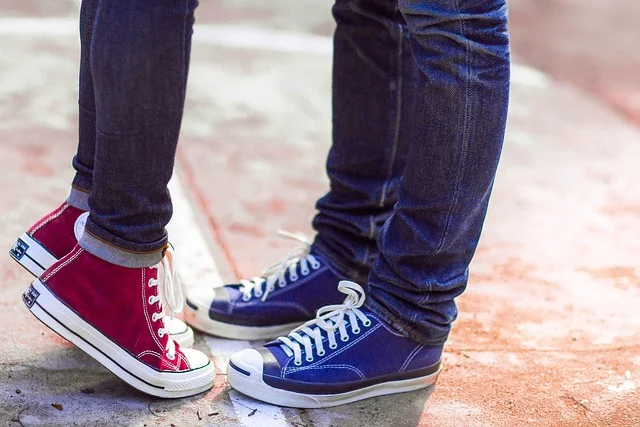
Designed primarily for low-impact everyday wear, casual sneakers focus on style, simplicity, and street-level durability. They feature flatter outsoles and simpler cushioning systems, making them ideal for commuting, casual social events, and light walking. While comfortable for general use, they lack the specialized impact dampening required for high-mileage walking or jogging.
Walking shoes
Walking shoes cater to individuals who spend long hours standing or clocking high daily step counts. They feature a wider, stable base with smooth heel-to-toe transition grooves and balanced midsole foam. The extra cushioning absorbs continuous ground reaction forces, reducing stress on lower back joints and knees during extended walking routines.
Running shoes
Engineered to handle repetitive forward impact, running shoes emphasize energetic shock absorption, toe spring, and secure heel lockdown. They typically utilize thick foam midsoles like compressed EVA or TPU, designed specifically for straight-line propulsion. While they offer high comfort for forward motion, their tall stacks and flexible upper materials make them less ideal for lateral gym movements.
Cross-training and gym shoes
Training shoes prioritize lateral stability and ground feel. They feature firmer, flatter midsoles and reinforced sidewalls to prevent ankle rolling during side-to-side movements, weightlifting, or high-intensity interval workouts. They sacrifice plush forward cushioning in favor of balance and floor connection.
| Sneaker Category | Primary Focus | Key Design Trait | Best Use Case |
|---|---|---|---|
| Casual Lifestyle | Style & Versatility | Flat rubber cupsole, classic leather/canvas upper | Everyday errands, office, weekend wear |
| Walking | Sustained Standing | Beveled heel, flexible forefoot, plush footbed | Travel, long walks, service work |
| Running | Forward Shock Absorption | Thick foam midsole, elevated heel-to-toe drop | Jogging, high-mileage road running |
| Cross-Training | Lateral Stability | Flat firm base, durable side overlays | Gym workouts, HIIT, weightlifting |
How should beginner sneakers fit to prevent foot pain?
Proper fit is the absolute foundation of a good footwear purchase. According to the American Podiatric Medical Association, over 65% of adults report experiencing foot pain regularly, with improper footwear being a leading cause. Buying the correct size requires looking beyond the number stamped inside the tongue.
When fitting beginner sneakers, focus on these critical areas:
- Toe box room: Ensure roughly a thumb’s width (about half an inch) between your longest toe and the inside front edge of the shoe. Your toes should spread naturally without pressing against the sides or front wall.
- Midfoot wrap: The upper material should hold your midfoot snugly across the instep without causing numbness or localized pressure points when laced up.
- Heel counter lock: Your heel should sit firmly into the back pocket of the shoe. Minor slipping can cause friction blisters, while excessive tightness will irritate the Achilles tendon.
- Arch alignment: The contoured arch of the footbed should align naturally with your foot’s structural arch without feeling like an aggressive lump or leaving your arch unsupported (see Designer Shoes: Worth the Splurge? for detailed sizing charts).
Always try on sneakers in the late afternoon or evening. Feet naturally expand and swell throughout the day due to gravity and physical activity. Trying on shoes early in the morning often leads to purchasing a size that feels uncomfortably tight by dinner time. Also, always wear the exact sock thickness you plan to use with those specific shoes during fit checks.
Which sneaker materials and features matter most?
Understanding shoe construction helps you evaluate quality without relying on brand marketing. The performance and longevity of a sneaker depend heavily on its upper fabric, midsole foam, and outer tread pattern.
Midsole cushioning
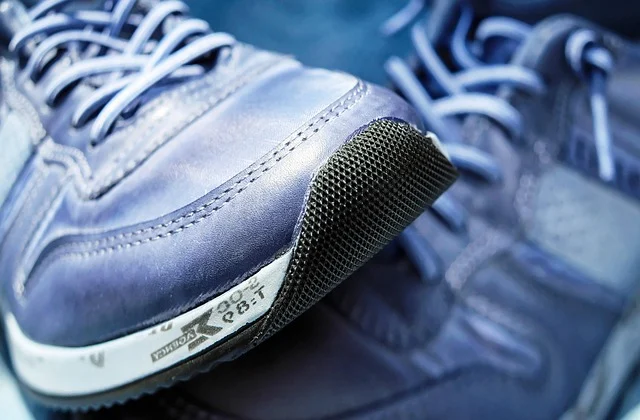
The midsole sits between the upper material and the bottom outsole, serving as the shoe’s primary shock absorber. Common materials include Ethylene Vinyl Acetate (EVA), polyurethane (PU), and specialized thermoplastic foams. Standard EVA is lightweight and cushioned, while PU is denser and lasts longer before compressing permanently. High-cushion models use nitrogen-infused or TPU foams to maximize energy return.
Upper materials
The upper material dictates breathability, water resistance, and overall maintenance demands:
- Engineered mesh: Highly breathable, flexible, and lightweight. Excellent for running and warm-weather walking, though offers minimal water protection.
- Full-grain and synthetic leather: Durable, easy to wipe clean, and weather-resistant. Ideal for low-maintenance casual sneakers, though heavier and less breathable in hot weather.
- Suede and nubuck: Soft texture with a premium visual appeal. Requires protective sprays and regular brushing, as moisture and dirt stain suede easily.
- Canvas: Lightweight and casual, but offers minimal structural support and absorbs water rapidly.
Outsole traction and durability
The rubber bottom of the shoe provides grip and protects the softer midsole foam from asphalt abrasion. Look for full-length carbon rubber outsoles on walking and running shoes for maximum mileage durability. Shallow, subtle tread patterns suit urban pavements, while deeper flex grooves help your foot bend naturally through each stride.
What are the best starter models across major brands?
For someone entering the sneaker space in 2026, choosing proven models from established manufacturers guarantees reliable quality, straightforward sizing, and accessible replacement options.

Casual street staples
If your goal is a go-to everyday shoe that matches jeans, shorts, and athleisure items, look for clean leather or canvas profiles. You can find timeless value in classic silhouettes from brands like Adidas such as the Stan Smith or Gazelle, or iconic entry points from Nike like the Air Force 1 or Cortez. Neutral white, gray, or off-white colorways offer maximum styling flexibility across varied wardrobe choices.
Daily cushioned runners and walkers
When comfort and joint protection during physical routines or heavy commuting are the main goals, consider these widely trusted performance models:
- Brooks Ghost 17: Features balanced neutral cushioning and a high heel drop that relieves calf tension, making it an easy recommendation for first-time runners.
- Hoka Clifton 10: Offers plush foam cushioning with a gentle rocker sole design that reduces forefoot pressure during long walks.
- Asics GEL-Cumulus 27: Combines soft foam with rearfoot gel units for reliable, daily impact absorption on hard concrete surfaces.
- Nike Air Zoom Pegasus 41: A versatile daily trainer featuring responsive air cushioning and a durable outsole built for mixed running and casual wear.
- Saucony Ride 19: A lightweight neutral shoe with balanced foam cushioning, ideal for beginners who prefer a firm yet responsive underfoot feel.
Expect reliable beginner sneakers across these reputable brands to cost between $80 and $140. While budget options under $50 exist, they frequently use low-density foam that flattens out after a few months of daily wear.
What common mistakes should beginner sneaker buyers avoid?
Selecting your initial shoe purchase becomes much easier when you avoid the frequent errors that trap first-time buyers:
- Prioritizing trend graphics over biomechanics: A shoe designed for aggressive track speed work or high-fashion aesthetic display rarely provides the arch stability or flexible cushioning needed for everyday walking.
- Buying specialized court shoes for general fitness: Flat indoor court shoes (like tennis or indoor soccer models) lack the thick heel foam required for road running and high-impact walking.
- Assuming sneaker sizing is identical across all brands: A size 10 in Nike may feel significantly narrower than a size 10 in New Balance or Altra. Always review brand-specific sizing charts or try shoes on in person before committing.
- Using running shoes for heavy barbell lifting: Soft, tall running midsoles compress under heavy weights, creating an unstable foundation that can compromise ankle and knee stability. Flat, hard-soled training shoes or minimal sneakers work far better in lifting environments.
How to care for and extend the life of your sneakers
Taking care of your footwear preserves both comfort and structure over time. Most athletic shoes maintain peak cushioning for roughly 300 to 500 miles of running or 12 to 18 months of regular casual wear before foam breakdown sets in.
To extend shoe lifespan:
- Rotate your footwear: Avoid wearing the exact same pair two days in a row. Midsole foam requires 24 to 48 hours to fully decompress and shed moisture trapped from foot sweat.
- Clean uppers correctly: Use a soft brush, warm water, and mild detergent for mesh and leather uppers. Avoid throwing performance running shoes into washing machines or hot dryers, as high heat degrades shoe glue and structural overlays.
- Protect delicate materials: Treat suede and nubuck uppers with water-repellent spray prior to initial outdoor wear, and clean dirt using a dry suede eraser rather than liquid soaps.
- Unlace before removing: Stepping on the back heel counter to push shoes off deforms the internal heel cup structure, causing heel slippage over time.
Sources: Beginner Books
Frequently asked questions
What are the most comfortable sneakers for beginners?
The most comfortable beginner sneakers feature plush midsole foam, balanced arch support, and breathable uppers. Highly rated daily options include the Hoka Clifton 10, Brooks Ghost 17, and Asics GEL-Cumulus 27 for physical activity, or flexible leather cupsole sneakers for casual daily wear.
How much should I expect to spend on beginner sneakers?
A durable, comfortable pair of beginner sneakers typically costs between $80 and $140. Investing within this price bracket ensures higher-quality midsole cushioning and durable rubber outsoles that outlast budget alternatives.
Can I wear running shoes for everyday casual wear?
Yes, modern running shoes offer outstanding cushioning that makes them exceptionally comfortable for everyday standing and walking. Choosing neutral colorways like black, gray, or white makes them easy to style with modern athleisure and casual clothing.
How do I know if my sneakers fit properly?
A proper fit leaves roughly a thumb’s width of space between your longest toe and the tip of the shoe, while holding your heel securely in place without rubbing. Your foot should rest comfortably on the footbed without pushing against the upper material or pinching at the sides.
How often should beginner sneakers be replaced?
Athletic sneakers used for running or walking generally need replacement after 300 to 500 miles, or when you notice visible outsole wear and increased knee or joint fatigue. Casual lifestyle sneakers can last between one and three years with proper cleaning and shoe rotation.


