












Disco to Digital: The Wolf Cut’s Rise
While it feels brand new, the wolf cut is actually a modern evolution of classic styles. Its roots lie in the shag, a staple of the 70s rock ‘n’ roll scene, popularized by stars like Jane Fonda and Joan Jett. The shag itself was a rebellion against sleeker, more structured hairstyles.
Last updated: July 6, 2026
Then came the mullet—short on the front, long in the back—which added an even more rebellious edge. The wolf cut takes the best of both: the feathery, voluminous top and sides of the shag, and the shorter, more aggressive front layers reminiscent of a mullet. This blend creates a unique silhouette that feels both retro and utterly contemporary, exploding in popularity in the early 2020s and continuing its reign in 2026.

Is the Wolf Cut for You? Suitability for Hair Types
The beauty of the wolf cut is its incredible versatility. It can be adapted for almost any hair type and length. For those with thick hair, the layers help to remove bulk and create shape, preventing the dreaded triangle head effect.
Fine or thin hair can benefit immensely from the added volume and texture the wolf cut provides, especially around the crown. Whether you have straight, wavy, or curly hair, a skilled stylist can tailor the layers and lengths to enhance your natural texture and face shape. It’s a cut that works with your hair, not against it.
Getting the Wolf Cut: What to Ask Your Stylist
When you head to the salon, communication is key. Ask for a heavily layered cut with significant texture. You’ll want to mention you’re looking for volume at the crown and face-framing pieces that are shorter and more choppy, similar to a modern mullet’s front.
Bring reference photos! This is crucial. Show your stylist examples of wolf cuts you love, and importantly, ones you don’t. Discuss how much you’re willing to sacrifice length and how you typically style your hair. A good stylist will assess your hair texture, density, and face shape to customize the cut for you.
According to industry experts, the key to a successful wolf cut is the balance of different lengths. The shortest layers are often around the crown and temples, creating that signature volume, while longer layers blend down towards the ends.
Styling the Wolf Cut: Effortless Texture and Volume
The wolf cut thrives on texture and movement, so styling is all about enhancing these qualities. Start with damp hair and apply a volumizing mousse or texturizing spray, focusing on the roots and mid-lengths. Rough dry your hair with a blow dryer, using your fingers to lift and shape.
For added definition, use a curling iron or want to create loose waves, especially around the face-framing layers. Don’t aim for perfection; the beauty of the wolf cut is its undone feel. A matte finish texturizing paste or pomade can be used to piece out the layers and add grit.
For those with naturally curly hair, embrace your curls! Apply a curl-defining cream or gel to damp hair and use a diffuser attachment on your blow dryer to enhance curl pattern and volume. The inherent texture of curls makes them a perfect match for the wolf cut’s aesthetic.

Keeping Your Wolf Cut Sharp: Maintenance Tips
Like any layered haircut, the wolf cut requires regular trims to maintain its shape. Aim for a visit to your stylist every 6–8 weeks, depending on how quickly your hair grows and how sharp you want to keep the layers. Over time, layers can soften, and the distinct silhouette can be lost.
Washing your hair can be adjusted based on your hair type. For some, daily washing might be too much, leading to dryness or loss of texture. For others with finer hair, washing every other day with a volumizing shampoo can help maintain lift. Investing in a good dry shampoo can also be a lifesaver for refreshing your look between washes and boosting volume.
The National Hairdressers’ Federation (NHF) recommends that layered cuts like the wolf cut benefit from professional shaping to retain their intended structure and visual impact. They advise against letting layers grow out too much, as it can disrupt the balance of the cut.
Beyond the Basic: Popular Wolf Cut Variations
The wolf cut is a fantastic base for personalization. One of the most popular variations as of 2026 is the ‘curtain bang wolf cut.’ This involves adding softer, longer bangs that sweep to the sides, blending seamlessly into the face-framing layers. It adds a touch of softness and vintage glamour.
Another variation is the ‘short wolf cut,’ perfect for those who want the edgy texture without the length. This version often incorporates more pronounced choppy layers around the face and crown. For longer hair, the ‘long wolf cut’ maintains the layered volume at the top but extends the choppy layers throughout the length, offering a more dramatic, flowing effect.
You might also see ‘curly wolf cuts,’ which take the natural texture of curls and amplify it with strategic layering to create maximum volume and shape. The key across all variations is the emphasis on texture and movement.
Mistakes to Avoid When Getting a Wolf Cut
One common mistake is going too short with the initial layers, especially if you have fine hair. This can sometimes make fine hair look even thinner at the ends if not blended properly. Always discuss your desired volume and your hair’s natural tendency to lay flat with your stylist.
Another pitfall is over-styling. The wolf cut looks best when it’s a bit undone. Trying to create perfectly smooth, sleek hair will work against the cut’s messy charm. Embrace the texture; don’t try to tame it completely. Over-processing with heat or harsh products can also damage the delicate layers, so opt for heat protectants and gentle styling aids.
Finally, not updating your styling products can be a miss. While mousses and sprays work well, as of 2026, newer texturizing serums and sea salt sprays offer even better grit and hold without stiffness, perfectly complementing the wolf cut’s vibe. For example, Davines’ More Inside Sea Salt Spray is often cited by stylists for providing that authentic beachy texture.
Expert Tips for Achieving and Loving Your Wolf Cut
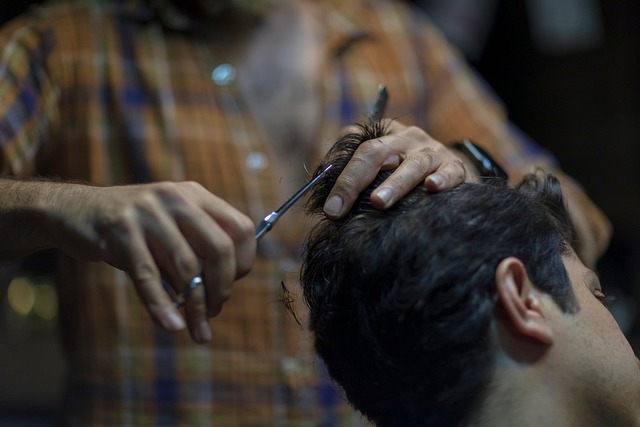
When considering a wolf cut, don’t be afraid to go bold with the layers. The more texture, the better the cut embodies its name. A stylist who specializes in textured haircuts will be your best bet.
For those with finer hair, ask your stylist to focus layers around the crown and top of the head to create the illusion of fullness. For thicker hair, layers can be strategically thinned out to create movement and reduce weight, preventing the hair from looking too heavy. A good stylist will know how to balance volume and manageability.
Invest in a quality texturizing spray or sea salt spray. These products are essential for enhancing the choppy layers and giving the cut that signature lived-in look. Redken Beach Envy Volume Texturizing Spray is a popular choice among stylists for its ability to add grit and body.
Frequently Asked Questions
What is the main difference between a shag and a wolf cut?
The wolf cut is essentially a more extreme and modern version of the shag. It features more choppy, disconnected layers, a higher crown volume, and shorter front layers that can resemble a mullet, whereas the classic shag is typically softer and more blended.
Can I get a wolf cut if I have very straight hair?
Absolutely. While wavy or curly hair naturally lends itself to the wolf cut’s texture, straight hair can achieve the look with proper styling. Using texturizing products and techniques like rough drying or curling iron waves is key to creating the necessary movement and volume.
How often should I get my wolf cut trimmed?
To maintain the sharp layers and shape of a wolf cut, plan for trims every 6 to 8 weeks. This frequency helps to keep the layers from growing out and losing their distinct choppy appearance.
Will a wolf cut make my hair look thinner?
For fine hair, a well-executed wolf cut can actually make it appear thicker by adding volume and texture at the crown. However, if the shortest layers are too short and disconnected from the rest of the hair, it can sometimes make the ends look sparse.
Is the wolf cut suitable for round faces?
Yes, the wolf cut can be very flattering for round faces. The layers that fall around the face, especially with curtain bangs, can help to elongate the face and create a more balanced silhouette. Discussing face-framing options with your stylist is recommended.
What styling products are best for a wolf cut?
Texturizing sprays, sea salt sprays, volumizing mousses, and matte finish pomades are ideal. These products enhance the cut’s choppy texture, add volume, and create that effortlessly cool, lived-in look without making the hair look stiff or greasy.
Embrace Your Inner Wild Child
The wolf cut is more than just a hairstyle; it’s a statement. It’s about embracing a bold, textured, and slightly untamed look that’s both retro-inspired and perfectly suited for 2026. Whether you have fine hair craving volume or thick hair needing shape, this versatile cut can be tailored to you.
So, if you’re looking for a fresh, edgy change that offers plenty of styling potential and turns heads, the wolf cut might just be your next go-to look. Consult with a stylist who understands layered cuts and get ready to unleash your wild side.
Information current as of June 2026; pricing and product details may change.
Editorial Note: This article was researched and written by the Anarchy Label editorial team. We fact-check our content and update it regularly. For questions or corrections, contact us.
Related read: Beard Style for Beginners in 2026: Your Essential Guide.