











The evolution of sneaker culture from athletic courts to high-value collectibles began with utility canvas footwear, transformed through 1980s basketball and hip-hop endorsements, and matured into a global secondary market. Driven by manufactured scarcity, cultural storytelling, and technological shifts, athletic footwear evolved into a recognized tradeable asset class and artistic medium.
What started as specialized gear designed purely for traction and foot protection on wooden court floors has expanded into an industry spanning performance innovation, fashion houses, and international auction blocks. Today, limited release runs dictate consumer queues, while historic pairs fetch six-figure sums at heritage auction houses. Understanding the evolution of sneaker collecting requires examining how athletic performance, subcultural identity, online communities, and secondary financial markets intersected over more than a century of footwear history, redefining modern streetwear.
How sneakers moved from functional sportswear to cultural markers
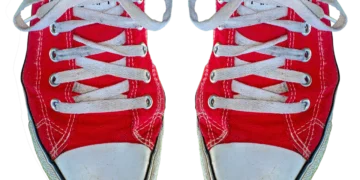
The origin of athletic footwear sits squarely in functional utility. In the early 20th century, companies like Keds introduced canvas uppers bonded to vulcanized rubber soles with the Champion model in 1916. Shortly after, Converse released the All-Star basketball shoe in 1917. When basketball player Chuck Taylor joined Converse in the 1920s to promote and improve the design, his signature was added to the ankle patch. This created the athletic endorsement model that established footwear as an extension of a player’s identity.
For decades, rubber-soled canvas shoes dominated athletic venues. The shift toward modern performance engineering accelerated during the 1970s. Track coach Bill Bowerman poured rubber into a family waffle iron to develop lightweight traction patterns, leading to the creation of the Nike Cortez and early waffle-soled running models. These technical advancements offered superior cushioning and support, but they also caught the eye of casual runners and urban commuters who brought athletic gear onto city sidewalks.
By the late 1970s, sports footwear was no longer confined to tracks or court boundaries. Distinct design silhouettes, branded sidewall stripes, and contrasting color schemes turned running and basketball shoes into visual indicators of personal taste and regional style.
How the 1980s and 1990s forged street identity
The 1980s transformed athletic shoes into core elements of subcultural identity, driven primarily by basketball and hip-hop culture. In 1986, hip-hop group Run-DMC released the track “My Adidas,” paying homage to the laceless Adidas Superstar models they wore on stage. When the group performed the song at Madison Square Garden and held up their shoes to a cheering audience, executives realized that non-athletes could drive massive commercial demand. This moment catalyzed formal brand endorsement deals outside traditional sports contexts.

Simultaneously, Nike’s partnership with NBA rookie Michael Jordan in 1984 redefined footwear marketing. Released to the public in 1985, the Air Jordan 1 broke traditional uniform color guidelines, creating an aura of rebelliousness that Nike capitalized on in its advertising. As Jordan’s career escalated, designer Tinker Hatfield introduced key aesthetic and structural shifts to subsequent models, such as the visible Air unit and elephant print on the Air Jordan 3, and patent leather detailing on the Air Jordan 11. Each signature shoe release became an anticipated event that transcended sports statistics.
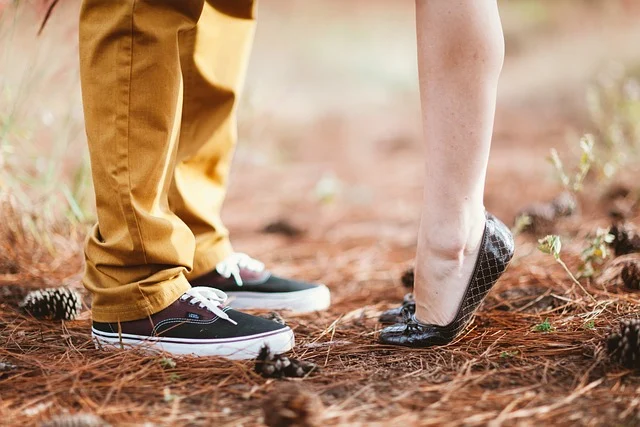
During the same period, skateboarding communities adopted durable basketball and court shoes. Models like the Vans Authentic, Era, and Old Skool, alongside the early Nike Dunk and Etnies models, were embraced for their board feel and heavy-duty construction. Skateboarders wore these models down to the rubber, establishing a culture that prized worn-in authenticity, limited distribution through local skate shops, and specialized colorways.
The Evolution of Sneaker Culture: From Courts to Collectibles
In the late 1990s and early 2000s, message boards transformed localized sneaker scenes into an interconnected global community. Enthusiasts used platforms like NikeTalk, Sole Collector, and regional message boards to discuss release dates, share detailed photographs, trade rare pairs, and document regional exclusives across Tokyo, New York, and London.

This period established the term “sneakerhead” to describe individuals who collected, documented, and preserved rare shoes. Releases like the 2005 Jeff Staple NYC Pigeon Dunk SB showcased the intense demand generated by hyper-limited regional drops, causing street-level crowds that required police intervention and made national news headlines.
Social media platforms and mobile commerce apps later reshaped how shoes were released and purchased. Brands introduced digital raffle systems, high-speed drawing windows, and localized geo-fenced drops on apps like Nike SNKRS and Adidas Confirmed to manage launch crowds. While digital access opened releases to a global audience, it also introduced automated checkout scripts and buying bots, making manual online purchases increasingly difficult and driving consumers directly toward authenticated secondary markets.
How the secondary market developed into a financial asset class
The sneaker secondary market evolved from peer-to-peer forum trades into an institutionalized asset ecosystem. Early secondary transactions relied on trust, cash trades, and local consignment shops like Flight Club. As demand grew, platforms like StockX, GOAT, and Stadium Goods structured the market by introducing standardized bidding engines, verified stock keeping units (SKUs), historical price tracking, and mandatory physical authentication processes.
In this ecosystem, rare releases behave similarly to commodities or equities. Prices fluctuate based on market liquidity, brand supply management, celebrity sightings, and historical significance. Deadstock pairs—shoes that are completely unworn, pristine, and complete with their original packaging—command premium prices over worn alternatives.
Major investment funds and luxury auction houses, including Sotheby’s and Christie’s, regularly feature rare sports shoes alongside fine art and vintage watches. Single pairs with historic game provenance or prototype status, such as game-worn original Air Jordan 1s or Kanye West’s original Nike Air Yeezy prototypes, routinely achieve auction prices reaching hundreds of thousands of dollars.
What key elements make a sneaker collectible?
Not every shoe appreciates in value or earns collectible status. Evaluation depends on four primary factors that dictate long-term desirability:

- Rarity and Distribution Tier: The lower the production volume, the higher the potential value. Tier zero releases, regional exclusives, and Friends & Family allocations strictly limit supply.
- Cultural Provenance: Shoes connected to historic athletic performance, iconic music moments, or classic cinema (such as the self-lacing Nike Air Mag from “Back to the Future II”) hold lasting emotional resonance.
- Design Innovation and Collaboration: Groundbreaking aesthetics or high-profile partnerships drive demand. Major examples include Virgil Abloh’s Off-White “The Ten” deconstructed collection, Travis Scott’s inverted Swoosh designs, and the Adidas Yeezy Boost line.
- Condition and Packaging: Physical preservation directly controls valuation. Complete original packaging, extra laces, and untouched original soles generate maximum collector value.
Evaluating sneaker condition grades
Collectors and resale platforms rely on specific standardized grading terms to evaluate physical condition and set fair market value:
| Condition Grade | Physical Characteristics | Packaging Requirements | Market Value Relative to Retail |
|---|---|---|---|
| Deadstock (DS) | Factory fresh, unworn, never tried on, zero sole discoloration or creasing. | Original box, original tissue paper, all factory lacings and accessories included. | Highest market value; baseline for secondary pricing. |
| Very Near Deadstock (VNDS) | Tried on indoors or worn once briefly; minimal outsole marking, no upper creasing. | Original box and accessories present with minimal box wear. | Typically 80% to 90% of Deadstock value. |
| Lightly Worn | Minor sole wear, light toe-box creasing, intact star traction patterns on toe caps. | Original box preferred; replacement box acceptable with slight discount. | 60% to 75% of Deadstock value depending on shoe rarity. |
| Restoration Candidate / Vintage | Significant sole wear, midsole yellowing, material oxidation, possible glue separation. | Box often damaged or missing; valued primarily on historical scarcity. | Varies widely; pristine vintage shoes retain value, damaged pairs require repair cost deductions. |
How to verify authenticity and preserve collectible shoes
Authentication requires careful examination because counterfeit production techniques have advanced significantly. Evaluating a collectible pair involves checking specific structural markers:

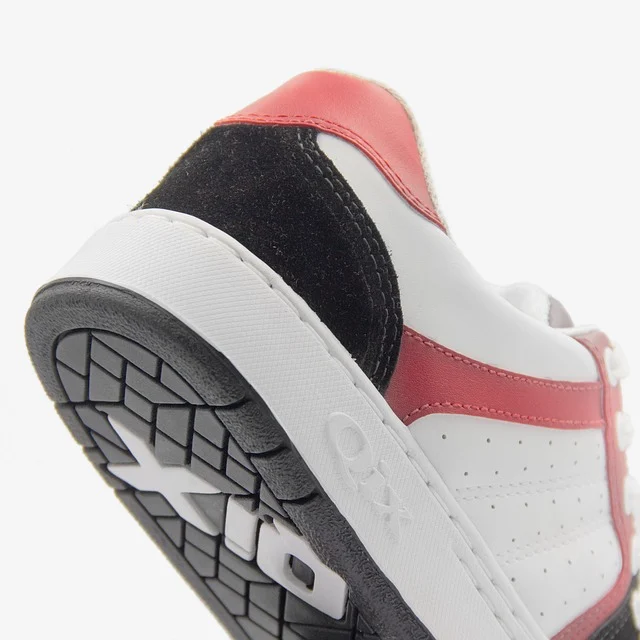
- Stitching and Assembly: Inspect the stitch density, thread weight, and double-stitching uniformity along stress seams like the heel counter and toe box. Fake pairs often feature inconsistent stitch spacing or sloppy glue lines along the midsole margin.
- Material Quality and Texture: True deadstock pairs use distinct grain leathers, premium suede nap, and specific rubber densities. Premium leather on original models or quality retros supplely creases under light pressure, whereas synthetic substitutes remain stiff.
- Box Label and Typography: Authentic retail boxes feature crisp, perfectly aligned font spacing, correct barcode weights, and accurate color descriptions. Compare serial numbers on the inner shoe tag against the outer box label to confirm matching production details.
- Ultraviolet (UV) Light Testing: Under UV light, fake shoes frequently reveal hidden factory stamp marks, guidelines, or uneven adhesive glows along the midsole seam that are invisible under natural lighting.
Preserving pair integrity over decades requires strict climate control to combat foam hydrolysis and rubber oxidation. Polyurethane (PU) midsoles used on models like the Air Jordan 3 through Air Jordan 10 naturally absorb atmospheric moisture over time, causing the internal foam structure to break down and crumble if stored in humid environments. To protect vintage stock, store shoes in climate-controlled spaces with ambient humidity kept below 50%.
Keep shoes inside original drop-front acrylic containers or original cardboard boxes away from direct sunlight, as ultraviolet rays discolor clear rubber outsoles and fade upper dyes. Place fresh silica gel packets inside boxes to pull away moisture, but avoid sealing polyurethane soles in airtight vacuum bags, as complete lack of airflow can accelerate structural crumbling.
What common traps put new collectors at risk?
Entering the collectible market without understanding industry dynamics often leads to financial losses. Common mistakes include:

- Chasing Peak Hype: Purchasing shoes at the height of social media exposure often results in buying at market peaks. Prices for hyped releases frequently drop 30% to 50% six months after launch as initial market excitement settles.
- Ignoring Material Aging: Purchasing older shoes (10+ years) purely for wearing without understanding midsole degradation. Original polyurethane soles on retro models manufactured prior to 2012 are prone to cracking or crumbling upon pressure.
- Failing to Account for Fees and Shipping: Resale transactions on professional platforms involve buyer processing fees, seller commission cuts, and insured shipping costs that impact total margins.
- Buying From Unverified Sellers: Purchasing high-value Grails through social media direct messages without buyer protection or independent authentication services leaves buyers vulnerable to counterfeits.
Who should avoid treating sneakers as speculative investments?
While select rare shoes outperform conventional indices, collecting for pure financial speculation is not suitable for everyone. Buyers seeking quick, liquid returns should avoid the secondary market. Unlike publicly traded stocks or precious metals, physical shoes require secure physical storage space, regular climate maintenance, and shipping logistics.

Liquidity is also conditional. While high-demand models sell quickly on established platforms, niche pairs, odd sizing (sizes outside 8.5 to 11.5 US Men’s), or worn condition pairs can take months to find an agreed buyer at market rate. If you are unwilling to manage physical inventory, absorb platform trading fees, and accept market volatility, traditional index funds or established liquid assets offer lower operational risk.
Sneaker culture in 2026: Sustainability and technical shift
The contemporary footwear industry focuses heavily on sustainable manufacturing practices and technical transparency. Major labels like Nike, Adidas, and independent innovators like Allbirds prioritize recycled polyester uppers, algae-based foam cushioning, and closed-loop manufacturing programs that allow worn pairs to be ground down into raw production materials.
Concurrently, digital provenance tracking has elevated authentication standards. Brands integrate near-field communication (NFC) chips directly into shoe tongues and midsoles, linking physical items to encrypted digital certificates. This allows collectors to verify manufacture date, production batch, and ownership history instantly via smartphone, establishing an immutable chain of custody from original factory drop to secondary collector shelf.
Sources: African-American culture
Frequently asked questions
What are the most valuable collectible sneaker brands?
Nike and its subsidiary Jordan Brand dominate the collectible resale market, holding the highest average value retention and market share. Adidas (notably through its archival and collaborative collections), New Balance, Asics, and Puma also maintain high resale demand for select limited collaborations and Made in USA or Made in UK release tiers.
How do you accurately determine the resale value of a shoe?
Check verified sale histories on major platforms like StockX and GOAT rather than listing ask prices. Look specifically at completed, authenticated sales for your exact shoe size and condition grade within the past 30 to 90 days to establish realistic current market values.
Can sneakers be worn while maintaining their collectible value?
However, ultra-rare historical Grails or game-worn items derive value from historical provenance rather than pristine factory unworn condition.
What does ‘deadstock’ mean in sneaker collecting?
It represents the highest condition standard in footwear collecting and serves as the baseline benchmark for market pricing.
How do you prevent vintage sneaker midsoles from crumbling?
Wearing shoes gently every few months helps compress the internal air pockets, releasing trapped moisture and slowing hydrolytic degradation in aged foam structures.


