










When this topic comes up in practice, most expectant mothers grapple with the fundamental question: how do I dress my changing body comfortably and stylishly throughout pregnancy? Maternity clothes are specifically engineered to address this need, offering garments that expand and adapt to a growing baby bump. As of June 2026, the world of maternity wear has evolved significantly, moving beyond utilitarian designs to embrace sophisticated styles, advanced fabrics, and remarkable versatility that supports women from conception through postpartum recovery. This guide will navigate you through the essential aspects of maternity clothes, ensuring you feel confident and comfortable at every stage.
Last updated: June 10, 2026
Understanding the Evolution of Maternity Wear
Maternity clothing, historically, has been a reactive fashion category, evolving alongside societal views on pregnancy and women’s roles. Early forms were often shapeless garments designed to conceal, offering little in terms of style or comfort. However, the 20th century saw a shift, with commercial production beginning to offer more specialized items. The 1990s, particularly in the U.S., marked a liberation period with legislation like the Family and Medical Leave Act protecting pregnant workers. This fostered an environment where women felt empowered to embrace their changing bodies and seek out fashionable maternity styles that celebrated their pregnancy rather than hiding it.
Today, in 2026, this trend continues with a focus on empowering pregnant individuals. The market is flooded with options that cater to every lifestyle, from the busy professional needing maternity workwear to the active mom-to-be seeking comfortable maternity activewear. Innovations in fabric technology, such as moisture-wicking and four-way stretch materials, have become standard, prioritizing comfort without sacrificing aesthetics. Online retailers and specialized boutiques now offer a curated selection, making it easier than ever to build a functional and fashionable maternity wardrobe.
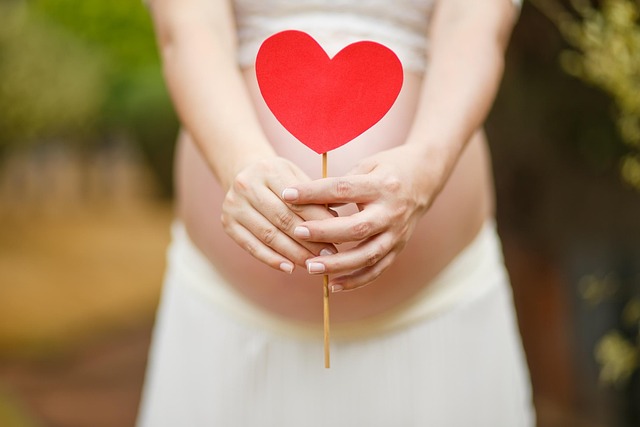
Essential Maternity Clothes for Every Stage
Building a maternity wardrobe doesn’t mean buying an entirely new set of clothes from scratch. Instead, it’s about strategically selecting pieces that accommodate your changing shape and specific needs throughout pregnancy. The key is versatility and comfort, ensuring each item can serve you well for an extended period.
Tops and T-shirts
Look for tops with ruching on the sides, as these are designed to expand with your belly. Stretchy fabrics like jersey or modal are excellent choices for everyday comfort. Consider investing in a few nursing-friendly tops, even if you’re not breastfeeding yet, as many feature discreet access panels that can be useful postpartum.
A practical insight here is to opt for longer-length tops. These can be worn over leggings or maternity pants, providing coverage and a streamlined look. Brands like Storq and Kindred Bravely are known for their soft, durable basics that hold up well.
Maternity Jeans and Trousers
This is arguably the most crucial investment for your maternity wardrobe. Maternity jeans come with either a full panel that covers your belly, a half-panel, or a specific under-the-belly design. As of June 2026, under-belly styles are gaining popularity for their comfort during warmer months and for those who prefer less pressure on their abdomen.
Beyond jeans, consider comfortable maternity leggings, especially those with a high-waisted, supportive band. Many women find these indispensable for lounging, light exercise, and even as a base layer under dresses. Brands like Blanqi and Ingrid & Isabel offer highly-rated options known for their support and fit.
Dresses and Skirts
Maternity dresses are incredibly versatile. A simple jersey maxi or midi dress can be dressed up or down and will comfortably accommodate your growing bump. For more formal occasions, look for maternity dresses designed for events that offer elegant silhouettes and flattering cuts. Many brands now offer non-maternity dresses with forgiving cuts or stretchy fabrics that can work well in early pregnancy.
A unique insight: many maternity dresses, especially those with empire waists or flowy A-line shapes, can transition beautifully into postpartum wear, offering a flattering option when your body is still adjusting. For instance, a flowy floral maternity dress from ASOS Maternity can be perfect for a summer baby shower and then worn casually post-birth.
Outerwear and Layers
While not strictly ‘maternity’ items, adaptable outerwear is key. Think about cardigans with open fronts or flexible fabrics, and perhaps a slightly oversized denim jacket. Some brands offer maternity-specific coats or jackets with zip-in panels for a growing belly, which are excellent for cooler climates.
The practical consideration here is to assess your climate and lifestyle. If you live in a colder region or need a professional look for work, investing in a maternity coat or a versatile, unbuttoned trench coat might be worthwhile. Otherwise, adapting your existing wardrobe with stretchy layers can often suffice.
Bras and Intimates
Your body undergoes significant changes, and supportive, comfortable intimate wear is paramount. Invest in nursing bras early on, as they are designed for comfort and easy access. Maternity sleep bras offer even more comfort for nighttime. Ensure you get properly fitted as your ribcage and bust size can increase.
The detail that makes a difference: look for bras with wider straps and a good band for support. Brands like Bravado Designs and Motherhood Maternity offer a range of comfortable and supportive options that can carry you through pregnancy and beyond.
Navigating Maternity Activewear Trends
Staying active during pregnancy offers numerous health benefits, and specialized maternity activewear makes it more comfortable and feasible. As of June 2026, the demand for stylish and functional maternity activewear has surged, moving beyond basic leggings to include supportive tanks, shorts, and even maternity sports bras.
The key features to look for are breathable, moisture-wicking fabrics and supportive, non-restrictive designs. Maternity leggings with a full panel that extends up your back are popular for providing gentle compression and support. Many brands now offer maternity versions of popular athletic wear, allowing you to maintain your fitness routine in comfort. Brands like Lululemon (with their Align fabric), Athleta, and Fabletics have expanded their maternity lines to meet this growing need.
A practical insight for those on a budget: don’t dismiss high-quality non-maternity athletic leggings with a comfortable, high-waisted band. They can often work well in the earlier stages of pregnancy before you require specialized maternity designs.
Maternity Clothes for Work and Special Occasions
Maintaining a professional appearance at work or looking stunning for special events during pregnancy is entirely achievable. The modern maternity fashion scene offers sophisticated options for every professional and social setting.
Professional Maternity Attire
For the workplace, focus on versatile pieces that can be mixed and matched. Tailored maternity trousers or skirts, paired with comfortable blouses or structured knit tops, form the foundation. Maternity dresses that mimic professional silhouettes, such as sheath or A-line styles, are also excellent choices. Consider blazers with stretch panels or unlined, draped styles that accommodate your changing shape.
A helpful tip: invest in one or two pairs of well-fitting maternity trousers or a professional dress. Many brands, like Seraphine and Hatch Collection, offer pieces that are chic enough for the office and can be worn post-pregnancy with minor adjustments. The key is to select fabrics that hold their shape and resist wrinkling.
Maternity Event Dresses
Special occasions call for special outfits, and pregnancy should be no exception. Maternity dresses designed for weddings, parties, or formal events often feature luxurious fabrics, elegant cuts, and embellishments. Empire waistlines and flowing skirts are universally flattering and accommodate a growing bump beautifully.
When looking for event wear, consider rental services. Companies like Rent the Runway offer a selection of designer maternity gowns, providing a cost-effective and sustainable way to access high-fashion pieces for a single event. This approach is gaining traction as of June 2026, offering a guilt-free way to indulge in occasion wear.
Fabric and Fit Considerations for 2026
The right fabric and fit are paramount for comfort and style in maternity clothes. As your body changes, so do your needs. Breathability, stretch, and softness are key factors to consider.
Breathable and Stretchy Fabrics
Natural fibers like cotton and linen blends are excellent for breathability, especially during warmer months. For garments that need to stretch and recover their shape, look for materials like Tencel, modal, and spandex blends. These fabrics offer a comfortable, body-hugging fit without feeling restrictive. As of June 2026, there’s a growing emphasis on eco-friendly materials, so sustainable options like organic cotton and recycled synthetics are increasingly available and worth exploring.
The Importance of Adjustable Fits
Many maternity garments incorporate adjustable features to maximize their wearability throughout pregnancy and even into the postpartum period. Drawstrings, elasticated waistbands with button adjustments, and wrap styles allow you to customize the fit as your body changes. This adjustability is crucial for comfort and ensures your maternity clothes remain functional for longer.
A practical example: maternity jeans often feature an adjustable waistband, allowing you to loosen or tighten them as needed. This feature is particularly valuable as your pregnancy progresses and your body shape shifts daily. Brands like Motherhood Maternity and Old Navy are known for incorporating these user-friendly adjustable elements.
Sizing Guide and When to Buy
A common question is when to start buying maternity clothes. Typically, women begin needing maternity wear between 12 and 20 weeks of pregnancy, depending on individual body shape and how quickly they show. It’s best to buy maternity-sized clothing rather than simply sizing up in regular clothes, as maternity garments are cut differently to accommodate the belly.
When in doubt, check brand-specific sizing charts. Many brands offer online guides that help you select the correct size based on your pre-pregnancy measurements. It’s often wise to buy pieces gradually as your pregnancy progresses, rather than all at once, to ensure the best fit at each stage.
Emerging Trends and Sustainability in Maternity Fashion 2026
The maternity fashion landscape in 2026 is not only about comfort but also about conscious consumerism and modern style. Trends are shifting towards sustainability, inclusivity, and multi-functional pieces.
Sustainable Maternity Options
There’s a growing demand for maternity clothes made from organic, recycled, or biodegradable materials. Brands are increasingly incorporating Tencel, organic cotton, and recycled polyester into their collections. This aligns with a broader consumer movement towards ethical and eco-friendly fashion. For instance, brands like Pact offer organic cotton basics that are gentle on the skin and the planet.
Beyond material choices, the concept of circular fashion is gaining traction. This includes the rise of maternity clothing rental services, as highlighted by the WSJ in early June 2026. Renting allows expectant mothers to wear high-quality, stylish pieces for a fraction of the cost and reduces textile waste. This is a significant development offering a more sustainable approach to dressing for pregnancy.
Versatility and Postpartum Wear
Many brands are now designing maternity clothes with postpartum wearability in mind. This means choosing styles that can be easily adapted or that flatter the body post-birth. Think wrap dresses, button-down tops, and high-waisted bottoms that offer comfort and coverage. The goal is to extend the life of your maternity purchases, making them a more worthwhile investment.
A specific example of this trend is the focus on nursing-friendly designs. Clothing with discreet zippers, snap buttons, or easy-access panels can serve dual purposes, making them practical for both pregnancy and breastfeeding. This thoughtful design ensures your maternity wardrobe remains functional long after the baby arrives.
Inclusive Sizing and Styles
The fashion industry, including maternity wear, is moving towards greater inclusivity. Brands are expanding their size ranges to cater to a wider variety of body types and are offering styles that embrace diverse aesthetics. This ensures that all expectant mothers can find clothing that makes them feel good and look great.
Additionally, there’s a subtle but growing trend towards gender-neutral maternity wear, challenging traditional fashion norms. While still niche, this movement reflects a broader shift towards de-gendering clothing and prioritizing individual expression over conventional expectations.
Common Mistakes to Avoid When Buying Maternity Clothes
Navigating the world of maternity fashion can be tricky. Avoiding common pitfalls can save you money, time, and frustration.
Buying Too Much Too Soon
It’s tempting to stock up on maternity clothes as soon as you know you’re pregnant, but your body will continue to change significantly. Buying too much early on can lead to garments that don’t fit well later in your pregnancy. It’s better to start with essentials and add pieces as needed.
The solution: focus on versatile basics like maternity leggings, comfortable jeans, and a few stretchy tops first. You can always add more specialized items like dresses or workwear as your pregnancy progresses and you understand your evolving needs better.
Relying Solely on Regular Clothes Sized Up
While some regular clothes might work in early pregnancy, they often lack the specific design features needed for a growing belly. Regular-sized items may be too tight in the wrong places, offer no belly support, or have unflattering cuts. This can lead to discomfort and a less-than-ideal appearance.
The better approach is to invest in key maternity pieces that are designed for your changing body. Maternity jeans with a supportive panel and tops with ruching offer far superior comfort and fit compared to simply buying larger sizes of regular clothing.
Overlooking Postpartum Needs
Many expectant mothers focus entirely on pregnancy wear and forget that their body will still require comfortable, adaptable clothing immediately after birth. Buying items that can serve both purposes can be a smart financial and practical decision.
The practical insight: prioritize nursing-friendly tops and dresses, and choose maternity bottoms with adjustable waistbands that can be loosened or tightened. These pieces will continue to be useful during your postpartum recovery period.
Ignoring Fabric Quality
Cheap, low-quality fabrics can be uncomfortable, wear out quickly, and fail to provide adequate support. Investing in a few well-made pieces often proves more economical in the long run than constantly replacing flimsy garments.
The solution: prioritize natural, breathable fabrics like cotton and Tencel, and look for durable blends with a good percentage of stretch. Reading reviews can also help identify garments that maintain their shape and softness after multiple washes.
Tips for Building a Smart Maternity Wardrobe
Creating a functional maternity wardrobe is about making smart choices that prioritize comfort, style, and value. Here are some expert tips to guide you.
Embrace Versatility
Choose pieces that can be dressed up or down and worn for multiple occasions. A classic black maternity dress, for example, can be worn to work with a blazer and then styled for an evening out with accessories. Similarly, comfortable maternity leggings can be worn for workouts, lounging, or under dresses.
Prioritize Comfort and Support
This can’t be stressed enough. Your body is undergoing significant changes, and comfortable clothing is essential. Look for soft, breathable fabrics and garments that offer adequate support, especially for your belly and bust. Adjustable features are your best friend.
Consider Maternity Rental Services
As mentioned, rental services are a fantastic option for special occasions or if you want to experiment with styles without committing to a purchase. Companies like Nuuly and Rent the Runway offer maternity collections that can be swapped out as your needs change, providing a sustainable and budget-friendly alternative.
Invest in Quality Basics
Focus on a few high-quality, essential items rather than an extensive collection of trendy pieces. A great pair of maternity jeans, comfortable leggings, and a few well-fitting tops will form the backbone of your wardrobe. Quality pieces tend to last longer and maintain their shape and comfort.
Don’t Forget Postpartum
When shopping, think about how pieces will function after delivery. Button-down shirts, wrap dresses, and nursing bras are excellent investments that serve you during pregnancy and the breastfeeding period.
Explore Sustainable Brands
As of June 2026, the availability of sustainable maternity wear has increased. Look for brands that use organic materials, ethical manufacturing processes, and offer durable pieces that can be passed on or resold. This is a growing area that benefits both you and the planet.
Frequently Asked Questions
When should I start buying maternity clothes?
Most women begin needing maternity clothes between 12 and 20 weeks of pregnancy. Some may need them sooner if they experience significant bloating or are carrying multiples. Pay attention to how your regular clothes feel; if they become uncomfortable or tight, it’s time to shop.
Can I wear my regular clothes for as long as possible?
Yes, in early pregnancy, many regular clothes with stretchy waistbands or forgiving cuts can work. However, as your body changes, specialized maternity wear provides better comfort, support, and fit. Investing in key maternity pieces is often more comfortable than forcing regular clothes.
What are the most essential maternity clothes to buy?
The must-haves typically include a good pair of maternity jeans or leggings, comfortable supportive bras, a few versatile tops, and a maternity dress. Prioritize pieces that can be mixed and matched and adapt to different stages of pregnancy.
How do I choose the right size for maternity clothes?
It’s best to buy maternity clothes in your pre-pregnancy size, as they are designed to accommodate your changing shape. Always check the brand’s specific sizing chart, as fits can vary significantly between labels.
Are maternity rental services worth it in 2026?
Maternity rental services can be highly cost-effective, especially for special occasion wear or if you prefer to experiment with styles. They offer a sustainable and budget-friendly way to access a variety of fashionable maternity clothing without long-term commitment.
What fabrics are best for maternity clothes?
Breathable, natural fibers like cotton and linen blends are ideal for comfort, especially in warmer weather. Stretchy and soft materials such as Tencel, modal, and spandex blends offer excellent flexibility and a comfortable fit throughout pregnancy.
Conclusion
Maternity clothes in 2026 offer a remarkable blend of comfort, style, and innovation, empowering expectant mothers to embrace their changing bodies with confidence. By understanding the essential pieces, prioritizing quality fabrics, and exploring sustainable options like rental services, you can curate a wardrobe that supports you beautifully throughout your pregnancy journey and beyond. The key is to invest strategically in versatile items that adapt to your needs, ensuring you feel as good as you look at every stage.
Information current as of June 2026; pricing and product details may change.
Editorial Note: This article was researched and written by the Anarchy Label editorial team. We fact-check our content and update it regularly. For questions or corrections, contact us.