



Vintage-looking wedding dresses offer timeless elegance and unique historical charm for brides seeking an enduring, personalized look. These gowns draw on classic aesthetics across various decades, providing an iconic alternative to fading fast-fashion trends.
This guide explores distinct era styles, from 1920s flapper silhouettes and sleek 1930s lines to 1950s full skirts and free-spirited 1970s bohemian designs. It details key fabric choices like lace, silk, and satin, along with signature embellishments such as beading and embroidery.
You will also learn the practical differences between sourcing authentic vintage garments and choosing modern vintage-inspired gowns, as well as styling approaches ranging from minimalist chic to Old Hollywood glamour.
1920s vintage looking wedding dresses embody flapper freedom
The 1920s ushered in an era of liberation, reflected in its fashion. Wedding dresses of this period often featured dropped waists, straight, columnar silhouettes, and hemlines that rose to the knee or calf. Fabrics were light, often adorned with intricate beading, sequins, and fringe, perfect for dancing the Charleston. Headpieces like cloche hats or Juliet caps with veils were common.
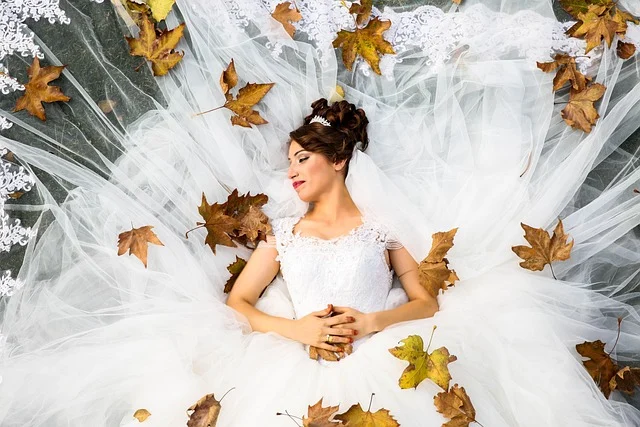
While an authentic 1920s dress might be fragile, modern interpretations capture this playful, glamorous spirit with lighter fabrics and the characteristic silhouette. These are ideal for brides seeking a less formal, more avant-garde look.
The Elegant Thirties (1930s): Hollywood Glamour and Sophistication
Following the austerity of the Great Depression, 1930s fashion embraced a more refined elegance. Wedding dresses shifted towards bias cuts that clung to the body, creating a fluid, sophisticated silhouette. High necklines, long sleeves, and dramatic trains were popular. Satin, crepe, and silk were favoured fabrics, often showcasing subtle yet exquisite detailing like delicate ruching or button closures down the back.
This era’s influence is seen in gowns that offer a timeless, statuesque appeal. Brides drawn to Old Hollywood glamour will find inspiration in the sleek lines and understated luxury of 1930s designs.
The Post-War Fifties (1950s): Romantic Silhouettes and Full Skirts
The 1950s marked a return to traditional femininity and romanticism. Wedding dresses typically featured cinched waists, full, voluminous skirts often supported by crinolines, and elegant necklines like boat necks or sweetheart styles. Lace overlays, delicate embroidery, and pearl embellishments were common. This era’s dresses offer a classic, fairy-tale aesthetic.
As highlighted by fashion historians like Dr. Michael Mamp, the 1950s significantly redefined the wedding dress industry, establishing silhouettes that remain popular today. Modern brides often choose 1950s-inspired gowns for their universally flattering shape and undeniable charm.
The Free-Spirited Seventies (1970s): Bohemian and Natural
The 1970s brought a bohemian, free-spirited vibe to bridal fashion. Think flowing A-line silhouettes, peasant-inspired sleeves, empire waists, and natural fabrics like cotton and linen. Macramé, crochet, and floral embroidery were popular details. These dresses exude a relaxed, earthy, and romantic feel, perfect for outdoor or unconventional weddings.
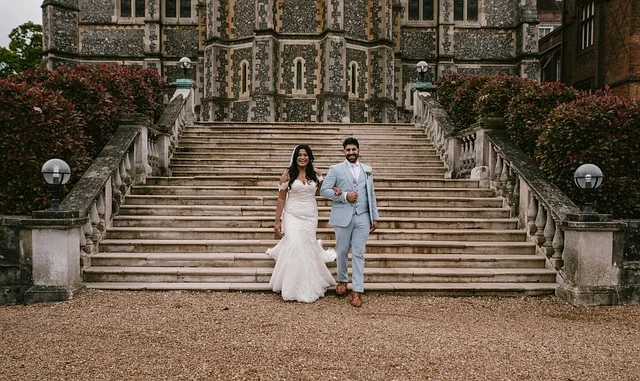
For brides seeking an effortless, bohemian aesthetic, the 1970s offers a wealth of inspiration, translating beautifully into contemporary designs.
The Craftsmanship of Yesteryear: Fabrics and Details
The allure of vintage-looking wedding dresses lies not just in their silhouettes but also in the quality of their materials and the intricate details that were characteristic of their time. These elements contribute significantly to the gown’s overall aesthetic and historical authenticity.
When choosing a vintage-inspired gown, pay close attention to the fabrics used, as they play a crucial role in replicating the look and feel of a bygone era. The craftsmanship involved in the embellishments also sets these dresses apart.
Fabrics That Speak of History
Lace: From delicate Chantilly and intricate Alençon to strong Guipure, lace has been a bridal staple for centuries. Vintage dresses often feature unique lace patterns that are hard to replicate today, offering a timeless romanticism.
Silk and Satin: These luxurious fabrics were favoured for their drape and sheen, particularly in the elegant designs of the 1930s and the classic styles of the 1950s. Silk charmeuse, dupioni, and heavy satins lend a rich, opulent feel.
Crepe: Popular in the 1930s and 1940s, crepe offers a subtle texture and beautiful fluidity, ideal for bias-cut gowns that skim the figure.
Tulle and Organza: These lighter fabrics were essential for creating the voluminous skirts of the 1950s or the ethereal layers of earlier eras.
Signature Embellishments and Details
Beading and Sequins: The 1920s and 1930s were known for their dazzling beadwork, featuring intricate geometric patterns, floral motifs, and art deco designs that catch the light beautifully.
Embroidery and Appliqué: Delicate floral embroidery or lace appliqués were common, adding texture and dimension, particularly in the romantic styles of the mid-20th century.
Pearls and Crystals: Subtle pearl accents or scattered crystals were often used to enhance necklines, cuffs, or hemlines, adding a touch of understated sparkle.
Button Closures: Rows of delicate fabric-covered buttons down the back of a dress were a hallmark of many vintage designs, adding a sophisticated finishing touch.
The Quest for Authenticity: Authentic Vintage vs. Vintage-Inspired
When embarking on the search for a vintage-looking wedding dress, brides face a crucial decision: pursue an authentic vintage garment or opt for a modern, vintage-inspired design. Each path offers distinct advantages and considerations.
Authentic vintage dresses carry the undeniable charm of history, but they also come with inherent challenges related to condition, sizing, and preservation. Vintage-inspired gowns, on the other hand, merge historical aesthetics with contemporary construction and modern sizing.
The Charm and Challenges of Authentic Vintage
Owning a true vintage wedding dress means wearing a piece of history. These gowns are often one-of-a-kind, possessing unique craftsmanship and a narrative that a reproduction can’t fully replicate. They can also be more sustainable, giving a beautiful garment a new life.
However, finding an authentic vintage wedding dress in pristine condition can be a significant challenge. Sizing is often inconsistent with modern standards, requiring extensive alterations. Fabrics may be delicate and prone to damage, and finding a dress that fits perfectly and reflects your specific vision can be a lengthy, sometimes frustrating, process. Prices can vary wildly, from under $100 for a simple find to upwards of $12,500 for a museum-quality piece, as seen in some high-end vintage collections.
The Advantages of Vintage-Inspired Designs
Vintage-inspired wedding dresses are designed by contemporary bridal houses, blending the aesthetic elements of past eras with modern tailoring, materials, and construction techniques. This means you get the desired vintage look – be it 1950s full skirt or 1930s bias cut – with the assurance of a new garment that fits impeccably and is built to last.
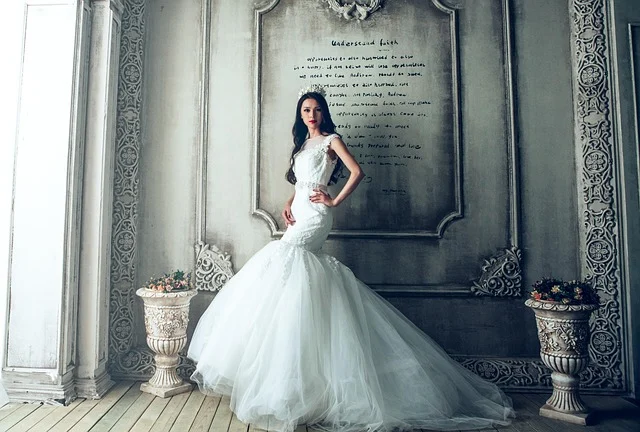
These dresses are readily available in bridal boutiques and online stores, offering a wider range of sizes and styles. While they may not carry the same historical weight as a true antique, they provide a more accessible and often more practical route to achieving a vintage bridal aesthetic. Prices for these gowns can range from $100 to over $3,000, depending on the designer and embellishments.
Accessorizing Through Time: Styling Your Vintage Bridal Look
Once you’ve chosen your vintage-looking wedding dress, the next step is to curate the perfect ensemble that complements its era and your personal style. Styling is where the true magic happens, transforming a beautiful gown into a cohesive, show-stopping bridal look.
Accessories, hair, and makeup all play a vital role in bringing your chosen vintage aesthetic to life. The key is to strike a balance, ensuring the vintage elements enhance rather than overwhelm, and that the look feels authentic to you.
Hair and Makeup: Echoes of Eras
1920s: Think finger waves, bobs, or short, curled styles. Makeup was dramatic with dark, smoky eyes and bold lips.
1930s: Soft waves, elegant updos, and glamorous Hollywood curls. Makeup was refined with defined brows and a classic red lip.
1950s: Polished updos, voluminous curls, or elegant chignons. Makeup was feminine and classic, often featuring winged eyeliner and a soft pink or red lip.
1970s: Natural, loose waves, long flowing hair, or braided styles. Makeup was minimal and natural, emphasizing a healthy glow.
Veils, Headpieces, and Jewelry
The right accessories can transport your bridal look. A birdcage veil or embellished Juliet cap enhances a 1920s or 1930s gown, while a long, cathedral-length veil suits the drama of a 1950s or romantic style. For 1970s bohemian vibes, consider floral crowns, delicate headbands, or even a simple ribbon.
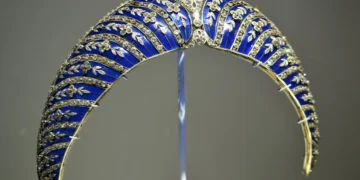
Jewelry should also echo the chosen era. Art Deco-inspired geometric pieces, classic pearl necklaces and earrings, or bohemian-style statement pieces can all elevate the ensemble. Remember to keep the embellishments on the dress in mind; if the gown is heavily beaded, opt for more understated jewelry.
Shoes and Finishing Touches
Shoes can range from elegant satin pumps for a 1950s look to delicate T-strap heels reminiscent of the 1930s or even embellished flats for a bohemian feel. Consider the hemline of your dress when selecting footwear. Sometimes, a simple, elegant shoe is all that’s needed to complete the vintage vision.
Vintage-Inspired Wedding Dresses: A 2026 Trend Report
As of June 2026, wedding dress trends continue to embrace individuality and personal narrative. Vintage-inspired designs are not just a niche choice but a significant movement within the bridal fashion landscape. Brides are increasingly seeking gowns that offer more than just aesthetic appeal; they want a dress with soul and a story.
The appeal of vintage lies in its ability to offer something different from the mainstream. It provides a sense of uniqueness and a connection to the past that resonates deeply. A growing interest in supports this trend sustainable fashion, with many brides opting for vintage or vintage-inspired pieces as an eco-conscious choice.
Sustainability and Vintage Choices
The rise of sustainable weddings has put vintage and pre-loved dresses in the spotlight. Choosing an authentic vintage gown or a dress made from sustainable materials that echo vintage styles aligns with a desire for eco-friendly celebrations. This movement offers a way to honor history while being mindful of the future.
The Rise of Bespoke Vintage Elements
Beyond full gowns, many brides are incorporating specific vintage elements into their modern dresses. This could be through antique lace appliqués, heirloom jewelry, or a vintage-inspired veil. This approach allows for a personalized blend of old and new, creating a unique look that’s both contemporary and deeply personal.
Celebrity Influence and Vintage Aesthetics
Celebrities continue to influence bridal trends, with many opting for vintage or vintage-inspired looks for their own weddings or red-carpet appearances. Whether it’s a classic Hollywood silhouette or a more avant-garde flapper-style dress, these public choices often inspire brides to explore similar aesthetics. For instance, Harriet Sperling’s vintage-inspired dress was noted as a key style tip for brides over 40 in June 2026, highlighting the enduring appeal across age groups.
Navigating the Vintage Wardrobe: Common Mistakes to Avoid
The pursuit of a vintage wedding dress is exciting, but it’s easy to fall into common traps that can lead to disappointment. Being aware of these pitfalls can help ensure a smoother and more successful shopping experience.
Many brides overlook crucial aspects of the vintage shopping process, from understanding the limitations of fabrics to misjudging sizing. Avoiding these mistakes can save time, money, and significant stress.
Mistake 1: Underestimating Sizing Differences
Vintage sizing rarely aligns with modern standards. A dress labeled a size 10 from the 1950s might fit closer to a modern size 4 or 6. Always rely on actual measurements (bust, waist, hips) rather than the tag size. Don’t assume a dress will fit just because it looks right; always measure.
Mistake 2: Ignoring Fabric Condition and Fragility
Older fabrics, especially silks, satins, and delicate laces, can be brittle or prone to damage. Inspect thoroughly for stains, tears, holes, or weak seams. Be realistic about what can be repaired and whether the dress can withstand the rigors of a wedding day. Sometimes, a dress that looks beautiful from afar has irreparable damage up close.
Mistake 3: Over-Reliance on Photos Alone
While online shopping is convenient, photos can be deceiving. Colors may appear different on screen, and subtle flaws might be hidden. If buying online, ensure a clear return policy and try to get additional photos or even video. For authentic vintage, seeing the dress in person is always best.
Mistake 4: Forgetting Alterations and Cleaning Costs
Authentic vintage dresses often require extensive alterations to fit perfectly. Additionally, professional cleaning, sometimes specialized for vintage fabrics, is essential. Factor these costs into your budget, as they can significantly increase the overall price of your dress.
Mistake 5: Not Considering the Wedding Venue and Theme
A heavily beaded 1920s flapper dress might not be practical for an outdoor rustic wedding, nor a flowing 1970s bohemian gown for a formal ballroom event. Ensure your vintage choice complements the setting and overall theme of your wedding day for a cohesive look.
Expert Insights for Your Vintage Bridal Journey
Selecting a vintage-looking wedding dress is a deeply personal journey. Drawing on advice from bridal designers and vintage fashion experts can provide invaluable guidance. Here are some insights to help you make the most informed choice.
Beyond the aesthetics, consider the practicalities and the unique story your dress will tell. The most important thing is finding a gown that makes you feel confident and beautiful on your special day.
Prioritize Fit and Comfort
A vintage dress should not only look beautiful but feel comfortable. If opting for authentic vintage, work with a tailor experienced in vintage fabrics. For vintage-inspired gowns, ensure the modern construction allows for ease of movement and wear throughout your wedding day.
Embrace Unique Details
Don’t shy away from unique embellishments, unusual necklines, or distinctive silhouettes. These are often what make vintage dresses so special. Whether it’s a row of covered buttons, intricate lace panels, or a dramatic train, these details add character and charm.
Consider Sustainable Options
The bridal industry is increasingly embracing sustainability. Opting for a vintage or vintage-inspired dress is a fantastic way to be environmentally conscious. Look for designers who specialize in upcycled materials or ethically sourced fabrics that mimic historical styles.
Trust Your Instincts
Ultimately, the best vintage wedding dress is the one that speaks to you. If a particular gown makes you feel radiant and confident, it’s likely the right choice, regardless of its era or trend status. As of June 2026, bridal fashion is all about personal expression.
Frequently Asked Questions
What makes a wedding dress look vintage?
A wedding dress looks vintage due to specific design elements like silhouettes from past eras (e.g., dropped waists, full skirts), period-appropriate fabrics (like lace, satin, crepe), and characteristic embellishments such as beading, embroidery, or unique button closures.
Are authentic vintage wedding dresses more expensive?
Authentic vintage wedding dresses can range significantly in price, from very affordable finds to extremely expensive collector’s items costing upwards of $12,500. Vintage-inspired gowns from bridal designers offer a more predictable price range, often from $1,000 to $3,000.
Can I alter an authentic vintage wedding dress?
Yes, you can alter an authentic vintage wedding dress, but it requires a skilled tailor experienced with delicate, antique fabrics. Significant alterations can be costly and may risk damaging the delicate materials.
What are the most popular vintage wedding dress eras?
The most popular vintage wedding dress eras for inspiration include the 1920s (flapper style), 1930s (Hollywood glamour), 1950s (full-skirted romance), and 1970s (bohemian flow). Each offers a distinct aesthetic.
Where can I find vintage-inspired wedding dresses?
Vintage-inspired wedding dresses can be found at bridal boutiques, online retailers specializing in bridal wear, and through independent designers who focus on retro aesthetics. Some mainstream bridal brands also offer collections with vintage influences.
Is it better to buy an authentic vintage dress or a vintage-inspired one?
It depends on your priorities. Authentic vintage offers unique history and sustainability but may have condition and sizing issues. Vintage-inspired dresses provide modern construction, better fit, and wider availability, while still capturing the desired historical aesthetic.
Embrace Your Vintage Vision
Vintage-looking wedding dresses offer a unique opportunity to express personal style with a nod to history. Whether you choose a genuine antique or a meticulously crafted vintage-inspired gown, you’re selecting a dress that tells a story and transcends fleeting trends. As you plan your 2026 nuptials, consider the enduring romance and individuality that a vintage bridal look can bring to your celebration.
Source: Vogue
Sources: White wedding


