












Push Up Bras: How They Work, Fit Guide, and Style Comparison
Push-up bras lift and center the bust using angled cups and strategically placed padding to create a fuller, more sculpted silhouette. By positioning thicker padding at the bottom and outer edges of the cups, these bras redirect breast tissue upwards and inwards toward the center of the chest.

This guide explains the internal construction of push-up bras, including padding materials ranging from foam to gel, cup shapes, and support features like underwire. It also breaks down various styles—including everyday smooth, plunge, strapless, wireless, and plus-size options—and details how to select the ideal fit based on bust size, desired lift, and outfit necklines.
What’s a push up bra and how push up bras work
To understand what push up bras do, it helps to look at the geometry of traditional bra construction versus padded lift construction. Standard bras support the breasts by encapsulating or compressing tissue within a cup to hold its natural shape. A push-up bra actively alters the position of existing breast tissue through mechanical lift and directional pressure.

How push up bras work relies on three primary construction elements:
- Angled Padding Profiles: Padding inside a push-up bra is not evenly distributed. Thicker padding sits along the bottom apex and outer dynamic sides of each cup. This crescent-shaped elevation acts as a physical ramp, pushing tissue upward against gravity and inward toward the sternum.
- Rigid or Semi-Rigid Center Gores: The bridge between the cups (the gore) holds the inner edges of the underwire flat against your ribcage. This use keeps the base fixed so the upward force of the padding cannot simply push the bra away from your body.
- Shortened Center-Front Wire Paths (Plunge Cuts): Many push-up bras use low center wires. By eliminating fabric in the middle, breast tissue from both sides is pushed together without obstruction, creating visible cleavage.
Why push up bras are good: key benefits and padding materials
Understanding why push up bras are good comes down to both aesthetics and garment performance under clothing. Beyond simply adding volume, push-up bras redistribute soft tissue to create symmetry, enhance cleavage under low necklines, and restore upper-bust volume that naturally changes over time due to weight fluctuations or hormonal shifts.
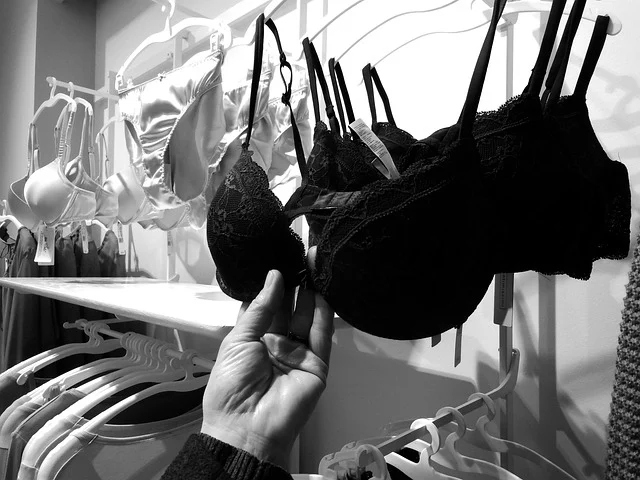
The type of padding material inside the cup significantly affects how the bra feels, moves, and shapes your bust. The table below compares the standard padding types used in modern push-up bras:
| Padding Material | Lift Intensity | Feel & Weight | Best Application |
|---|---|---|---|
When were push up bras invented?
When searching when were push up bras invented, historical records show that early prototypes dates back to the late 1930s and 1940s. Pioneer designers like Israel Pilot patented padded bra structures during this era to enhance silhouette shaping.

However, the modern push-up bra as we recognize it today was created in 1964 by designer Louise Poirier for the Canadian company Wonderbra. Poirier developed the model 1300 (termed the “Plunge Bra”), which used a complex arrangement of 54 individual design elements, including angled underwires and precise crescent padding, to push breast tissue up and together. The style exploded into global popularity during the 1990s as foam-molding manufacturing made smooth designs widely available.
Choosing push up bras by body type and need
Push up bras for small chest
Searchers looking for push up bras for small chest sizes (AA through B cups) often want maximum volumetric enhancement without gaping. For smaller busts, graduated foam padding (Level 2 or Level 3 “add-a-cup” styles) works best. Look for plunge shapes where the padding sits at the far outer corners; this pushes lower tissue toward the center front, filling out the cup completely while eliminating hollow spaces at the top line.
Push up bras for large breasts and plus size
Finding push up bras for large breasts (D cups and above) requires a focus on structural support rather than extreme volumetric padding. In larger sizes, heavy padding can push tissue out of the top of the cup, creating an unnatural double-bust silhouette known as “quad-boobing.” Instead, select broad-banded styles with thin foam lining, wide underwires, side boning, and gentle bottom uplift. This provides a lifted, rounded projection while containing the full breast root securely.
Push up bras for older women
Selection for push up bras for older women involves balancing uplift with skin comfort and tissue elasticity. As breast tissue softens with age, narrow underwires and aggressive center pushing can cause pinching or tissue spilling near the underarms. Ideal choices feature wide side wings, broad back panels to smooth back skin, soft-touch underwires (or wire-free lift), and cushioned shoulder straps that distribute weight without digging in.
Push up bras strapless and convertible options
A reliable push up bras strapless design relies entirely on band tension and silicone striping to replace the lift lost without shoulder straps. Dual side-boning panels prevent the band from rolling down, while dense bottom-cup foam holds the bust up from below.
Push up bras with no underwire
Modern manufacturing allows push up bras with no underwire to provide convincing lift without metal components. Wireless push-up bras use high-density molded foam platforms at the base of the cups, paired with reinforced ribbed elastic under-bands. Some styles incorporate internal fabric slings or criss-cross chest taping structures built directly into the microfiber lining to scoop tissue upward.
Step-by-step: how to choose and fit a push up bra correctly
Follow these concrete steps to ensure your bra provides lift without discomfort or fit defects:
- Measure your true band size: Measure tightly around your ribcage directly beneath your bust. Round to the nearest even number. A push-up bra must fit securely on the band, as an unstable band allows padding to shift downward.
- Select your padding level:
- Level 1 (Light): Subtle shaping; ideal for naturally full tissue or everyday wear.
- Level 2 (Medium): Noticeable lift; adds approximately half to one cup size.
- Level 3 (Dramatic): High bottom padding; adds up to two cup sizes for dramatic cleavage.
- Perform the “Scoop and Swoop”: Lean forward at a 45-degree angle. Put your hand inside the cup, scoop your breast tissue from the underarm and side rib area, and pull it forward into the center of the cup before fastening the back hook.
- Check the fit indicators:
- Good fit: Smooth transition from cup to skin, flat center gore, no wire digging.
- Too small: Tissue overflows top or sides; underwires sit on breast tissue rather than ribcage.
- Too large: Cup fabric wrinkles or gaps when you move your arms.
Why do push up bras hurt? Common problems and fixes
If you are asking why do push up bras hurt, the cause is almost always an incorrect size or matching the wrong cup geometry to your natural breast root. Here are the most frequent causes of pain and how to fix them:
- Pain at the sternum (center wire digging): This occurs when the center gore is too tall for your breast proximity or when the cup size is too small, forcing the wires to tilt inward against your chest bone. Fix: Switch to a plunge push-up bra with a short center gore, or go up one cup size.
- Underwire poking the underarms: Wires that dig into soft armpit tissue are either too narrow or are riding up because the band is too loose. Fix: Reduce your band size and increase your cup size to keep the wire resting on rib bone rather than breast tissue.
- Shoulder strap grooves: If straps leave red marks, your band is too loose and is forcing the straps to lift the bust weight. Fix: Tighten the back band; 80% of support must come from the band, not the straps.
Who this advice does not suit: Heavy push-up bras with rigid underwires are generally not recommended for individuals recovering from recent thoracic or breast surgery, those experiencing acute costochondritis (chest wall inflammation), or mothers in early postpartum stages who are actively lactating, as localized pressure from bottom padding can cause blocked milk ducts.
Where push up bra shopping options differ
When deciding where push up bra purchases make the most sense, consider how different retail categories construct their garments:
- Specialty Lingerie Retailers (e.g., Victoria’s Secret): Known for distinct padding categorization (such as targeted add-a-cup ratings), extensive plunge styles, decorative lace overlays, and deep-cut necklines geared specifically toward cleavage enhancement.
- Mass Retailers (e.g., Walmart): Focus on budget-conscious, practical everyday options. These feature standardized polyurethane foam padding, wider size availability in basic colorways, and smooth t-shirt outer fabrics.
- Boutique & Full-Bust Specialists: Focus on wide size ranges (D to K cups) with dynamic side support panels, targeted lifting slings, and heavy-duty underwires engineered for heavier tissue.
Related guides
Frequently asked questions
What is the difference between a push up bra and a padded bra?
A padded bra has an even layer of foam or lining across the entire cup to prevent nipple projection and add uniform shape. A push-up bra features asymmetrical padding angled specifically at the bottom and sides to lift and push breast tissue toward the center.
Can you wear a push up bra every day?
Yes, provided the bra fits correctly and does not dig into your tissue. For daily wear, light to moderate foam padding or memory foam styles are usually more comfortable than heavy dramatic gel pads.
How do I stop my push up bra from gaping at the top?
Cup gaping happens when the cup volume is too large, the padding is too rigid for your breast shape, or the style is too full-coverage. Switch to a demi or plunge push-up style with angled lower padding that fills from the bottom up.
Does wearing a push up bra cause breasts to sag over time?
No. Breast sagging (ptosis) is primarily determined by age, genetics, tissue density, skin elasticity, and pregnancy. Wearing a push-up bra simply changes the external position of tissue while worn and does not cause permanent structural sagging.


