








Tweezers are hand-held precision tools that use a two-lever system to grasp, pull, or hold tiny objects. Human fingers cannot manipulate these small items accurately. They come in various tip shapes—including slanted, pointed, flat, and angled—crafted primarily from stainless steel to handle tasks ranging from facial hair shaping and splinter extraction to false lash application and craft assembly.
How do tweezers work?
At their core, tweezers operate as a simple machine based on the principle of two third-class levers joined at one end. The effort is applied in the middle by squeezing the flexible metal arms, which brings the opposing gripping tips together at the free end. Spring tension built into the bent metal keeps the arms apart when relaxed, providing automatic return action after each squeeze.
This simple mechanism translates moderate finger pressure into direct clamping force at the micro-tips. Because the contact point of the tips is small, the gripping force per unit area is high, enabling you to grab an individual hair stem or a tiny wood fragment securely. Holding the tool between your thumb and index finger while resting the handle on the web of your hand provides maximum control and wrist stability.
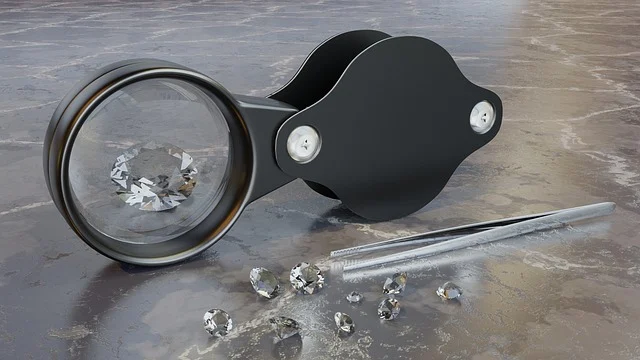
Which tweezer tip shape do you need?
Selecting the right tip geometry determines how well the tool performs for a specific task. Using the wrong tip shape leads to broken hair shafts, skin irritation, or dropped components.
Slanted tip tweezers
Slanted tips feature a 25-degree angled edge that aligns flush against the skin line. This shape is the standard tool for eyebrow plucking and general facial hair removal. The flat slant allows you to pull hairs swiftly along their natural growth angle. Slanted tips are versatile enough for everyday grooming, though they are too wide for deep-set splinters or delicate micro-assembly work.
Pointed tip tweezers
Pointed tips meet at ultra-fine, needle-like points. They excel at extreme precision work, such as extracting embedded splinters, teasing out ingrown hairs, or placing individual eyelash extensions. Because the points are extremely sharp, they require a steady hand and light touch. They are not suited for routine eyebrow shaping across larger areas, as the sharp points can accidentally puncture or scratch the skin if pressed too hard.
Flat and square tip tweezers
Flat or square tip tweezers present a wide, parallel gripping edge. They offer maximum contact surface area and strong holding force, making them ideal for applying false eyelash strips, positioning nail art gems, or picking up flat craft materials. They are not recommended for pulling individual facial hairs because the wide tip grabs multiple adjacent hairs at once.
Angled tip tweezers
Angled tip tweezers feature a pronounced bend near the tip, providing a clear line of sight over the working area. This design prevents your hand from blocking your view in a mirror when shaping eyebrows or adjusting delicate items. They combine the gripping efficiency of a slant tip with superior visibility for tricky angles.
Pointed-slant tweezers
Pointed-slant hybrid tweezers combine an angled flat edge with a needle-sharp tip at the upper corner. This allows you to use the flat edge for general hair removal and flip to the sharp point for stubble or fine ingrown strands. They serve as an all-in-one grooming tool, though they require careful handling to avoid accidental skin nicks.
| Tip Shape | Best Used For | Primary Advantage | Main Drawback | Not Suitable For |
|---|---|---|---|---|
| Eyebrow shaping, general grooming | Flushes against skin at natural angle | Too broad for tiny splinters | Deep splinter extraction | |
| Splinters, ingrown hairs, lash extensions | Pinpoint precision on tiny objects | Can poke skin if used carelessly | Rapid eyebrow plucking | |
| False lash strips, craft placement | Large contact surface and strong hold | Grabs multiple hairs at once | Single-hair extraction | |
| Self-grooming in mirrors, delicate angles | Unobstructed view of working surface | Slightly less clamp surface than slant | Heavy mechanical pulling |
What materials make a good pair of tweezers?
The metal composition directly affects how long the tips stay aligned and how easily the tool can be disinfected.
- Stainless steel: High-grade stainless steel is the standard material for quality tools. It resists rust, maintains precise edge alignment under repeated squeezing, and tolerates boiling water or chemical sanitizers without corroding. Brands like Tweezerman use custom stainless steel blends to manufacture durable edges that resist dulling.
- Plated base metals: Inexpensive tools are often made from nickel-plated or chrome-plated carbon steel. The plating eventually chips off, exposing underlying metal to moisture, which leads to rust, rough spots, and bacteria buildup. Avoid plated metals for skin contact.
- Titanium: Titanium tweezers are lighter than steel, completely immune to corrosion, and non-magnetic. They are frequently used in scientific labs and electronics assembly where magnetic interference must be avoided, but they carry a higher price point for daily cosmetic use.
- ESD non-static coatings: Tweezers designed for handling microchips or sensitive electronic circuitry feature conductive or static-dissipative coatings to protect components from static electricity damage.
How to choose tweezers across different price points
Understanding what changes as prices increase helps you pick a tool that fits your budget without compromising functionality.
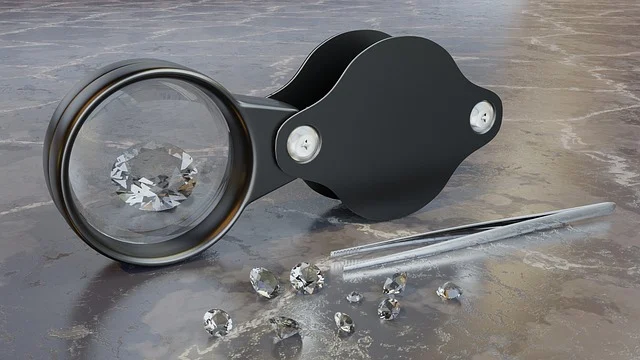
Budget tweezers (under $10): Found at drugstores and mass retailers, cheap options are stamped out quickly during manufacturing. The two tips frequently fail to meet evenly across their full contact area, causing hairs to slip through unplucked or snap off mid-shaft. They lose tension quickly and suit only occasional non-precision tasks.
Mid-range tweezers ($10–$30): Offerings from established grooming brands provide hand-filed edges and exact tip alignment. The spring tension remains consistent over years of use, and the steel holds sharp edges through regular sanitizing. This price range represents the best value for household grooming, skin care, and first-aid kits.
Premium tweezers ($30+): High-end medical instruments and professional aesthetic tools feature hand-ground tips made from high-density surgical steel. They grip microscopic hairs on the first attempt and often come with manufacturer sharpening programs. These are designed for beauty professionals, lash artists, or individuals who demand absolute precision.
How to use tweezers correctly for hair removal
Following a precise routine ensures clean hair removal with minimal skin irritation or discomfort. Proper preparation and technique keep hair follicles healthy (see Best Skin Care for Women Over 50 for facial skin care routines).
- Prep the skin: Wash your face with warm water or hold a warm, damp cloth over the area for two minutes. Warmth relaxes the pores and softens the hair shaft, allowing hairs to slide out easily.
- Sanitize the tool: Wipe the tweezer tips with a cotton pad soaked in 70% isopropyl alcohol to eliminate surface bacteria.
- Position the tips: Hold the tweezers like a pencil, resting the body on the web between your thumb and pointer finger. Place the tip flat against the skin at the base of the hair.
- Grasp near the root: Clamp firmly as close to the skin surface and hair root as possible. Avoid grabbing the middle or tip of the hair shaft, which causes the strand to break off.
- Pull in the direction of growth: Pull the hair out smoothly in the exact direction the hair grows naturally. Do not jerk vertically outward, as this causes follicle tears and ingrown hairs.
- Soothe and disinfect: Wipe the tweezed skin with witch hazel or alcohol-free toner, then clean the tool tips immediately.
How to remove splinters safely
Removing wood splinters, glass slivers, or metallic debris requires a clean pointed tweezer to prevent skin infection.
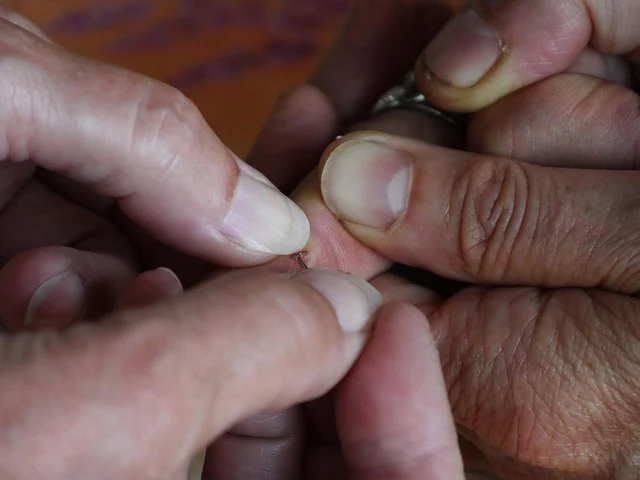
- Sterilize equipment: Clean the pointed tips with rubbing alcohol or immerse them in boiling water for several minutes. Clean the skin around the splinter with soap and warm water.
- Ensure direct light: Work under bright, direct light. Use a magnifying glass if the fragment is small or deep.
- Expose the tail end: If the splinter is completely buried under dead skin, gently scrape the skin surface with the tip of the tweezer to expose the end of the object. Do not dig deep into live skin tissue.
- Grasp and extract: Pinch the exposed end of the splinter firmly with pointed tips. Pull straight out at the exact angle the splinter entered the skin to keep it from breaking into smaller pieces inside the wound.
- Disinfect the wound: Apply antiseptic ointment and a bandage over the skin, then wash the tool thoroughly.
How to clean, sanitize, and store your tweezers
Proper hygiene prevents skin breakouts, bacterial folliculitis, and cross-contamination between family members.
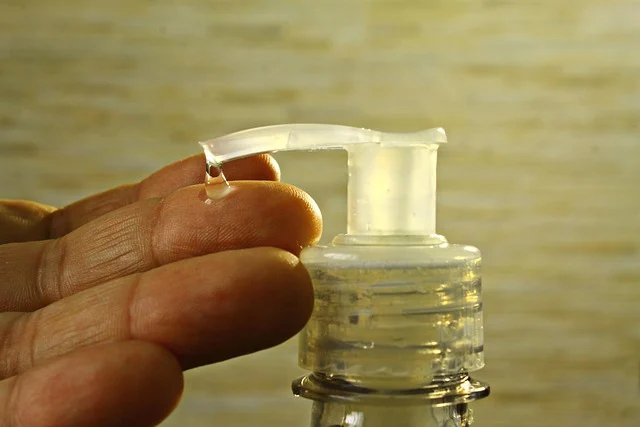
Wipe your tool tips with rubbing alcohol after every single use to dissolve skin sebum, makeup residue, and stray debris. For deep disinfection after medical use or splinter extraction, submerge the metal ends in boiling water for five minutes. The Centers for Disease Control guidelines emphasize that reusable tools touching broken skin must be thoroughly washed, rinsed, and sanitized to stop cross-contamination.
Store your tweezers in a dry location, such as a medicine cabinet or padded makeup pouch. Always slip the protective rubber cap over the tips when stored. Dropping stainless steel tweezers onto tile bathroom floors bends the delicate tip alignment, rendering high-precision tips useless.
Troubleshooting common tweezer problems
When your tool fails to perform, simple adjustments or maintenance often resolve the problem.
Hairs snap instead of pulling out from the root
If hairs break off at skin level, the tweezer edge may be blunt or you are squeezing too hard on a sharp corner. Grasp the hair strand closer to the skin surface and pull slowly along the hair growth path rather than snapping backward.
Tips slip off fine hairs without grabbing
Slipping occurs when natural skin oils coat the inner contact surfaces of the tips. It also happens when the tips have pulled apart out of parallel alignment. Wipe the inner face of the tips with rubbing alcohol. If the tips do not meet flush when squeezed gently, the tool needs realignment or replacement.
Skin gets pinched during grooming
Pinching happens when holding slant tweezers at too steep an angle relative to the face, or when pressing pointed tips directly down into the skin. Maintain a flat 45-degree rest angle against the skin and pull without pressing downward.
Tips have become dull or misaligned after a drop
If a dropped tool has misaligned tips, carefully bend the arms back into parallel by applying gentle pressure against a hard surface. To touch up dull tips at home, clamp the tips down on a sheet of fine-grit emery board and pull the paper out between the closed tips several times to re-establish a uniform flat edge.
Related guides
Frequently asked questions
What is the difference between tweezers and forceps?
Forceps is a broad medical term for hinged clamping instruments used to hold tissue or medical supplies during procedures. Tweezers are a specific type of fine, thumb-actuated forceps designed for manual precision gripping in grooming and delicate tasks.
How often should you replace your tweezers?
High-quality stainless steel tweezers last for decades if kept clean and protected from drops. You only need to replace them if the tips become permanently misaligned, rusted, or dulled beyond sharpening.
Can you sharpen dull tweezers at home?
Yes, you can sharpen dulled tips by closing them gently over a strip of 600-grit sandpaper or a fine emery board and pulling the abrasive sheet through several times. Some high-end brands also offer free professional sharpening programs.
What is the safest way to extract an ingrown hair?
Sterilize a pointed tweezer with rubbing alcohol, warm the skin to soften the pore, and gently guide the looped strand out from under the skin surface. Do not dig deep into live skin, as this leads to scarring and infection.