











To clean and care for your fine jewelry, soak metal and hard gemstone pieces in warm water with mild dish soap for 15 minutes, gently scrub with a soft-bristled toothbrush, rinse under running water, and dry with a lint-free cloth. Keep porous stones like pearls and opals out of water, store pieces separately to prevent scratching, and avoid harsh chemicals like chlorine and bleach. Establishing a regular maintenance routine keeps precious metals glowing and gemstones brilliant while preventing long-term structural wear.
How to Clean and Care for Your Fine Jewelry Properly
Everyday wear exposes rings, necklaces, and bracelets to skin oils, sweat, cosmetics, hairspray, and dirt. Over time, these residues form a dull film over metal surfaces and obscure the undersides of gemstones, blocking light from reflecting through the stone.
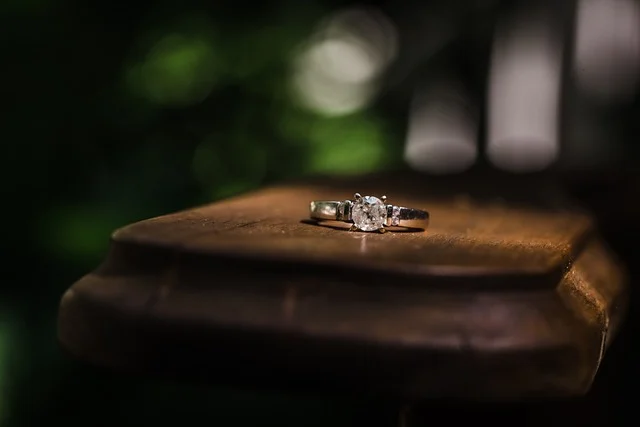
Beyond visual appeal, grime buildup causes physical damage. Acidic residues from perfumes and lotions react with base metals in gold alloys and sterling silver, accelerating surface oxidation. Grime trapped inside prong settings acts like fine sandpaper, slowly grinding against the metal prongs holding your gems. Regular cleaning removes these abrasive particles before prongs weaken or stones work themselves loose.
How do you safely clean fine jewelry at home?
Follow these ordered steps to safely clean solid gold, platinum, diamonds, rubies, and sapphires:
- Prepare the soak bath: Fill a small bowl with lukewarm water and add two drops of mild, fragrance-free dish soap. Avoid hot water, which can thermally shock temperature-sensitive stones.
- Secure the sink drain: Place a stopper over your sink drain or perform the cleaning inside a deep bowl to prevent small pieces, loose stones, or earring backs from washing down the drain.
- Soak the jewelry: Submerge your pieces in the soapy water for 15 to 20 minutes to loosen trapped oils and compacted dirt.
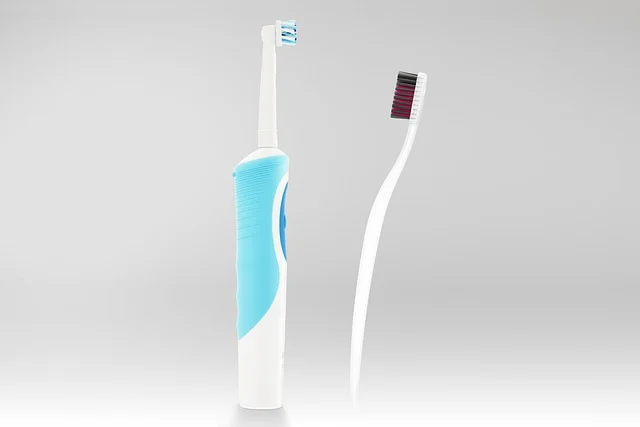
- Scrub gently with a soft brush: Use an extra-soft toothbrush to brush around prongs, metal filigree, and behind gemstone mountings where oil accumulates.
- Rinse thoroughly: Wash away soap residue using cool running water while holding the piece securely inside a strainer or bowl.
- Dry completely: Pat the jewelry dry with a microfiber or 100% cotton lint-free cloth. Allow pieces to air-dry fully before placing them into storage.
How do you clean specific metals and gemstones?
Understanding the specific needs of your jewelry’s materials prevents costly chemical etching or surface scratching. Different precious metals and gemstones require tailored care protocols.
| Material | Recommended Cleaning Method | What to Avoid |
|---|---|---|
| High-Karat Gold (14K–24K) | Warm water, mild dish soap, soft toothbrush scrub | Chlorine bleach, abrasive scouring pads, harsh chemical sprays |
| Gold-Plated & Vermeil | Dry microfiber cloth or light wipe with damp cloth | Soaking in liquid, toothbrush scrubbing, silver polish cloths |
| Sterling Silver | Silver polishing cloth or soap and water rinse | Abrasive polishes, prolonged open-air exposure, chlorine |
| Platinum | Warm soapy water soak, soft toothbrush brush | Abrasive scouring pads (scratches displace metal surface) |
| Diamonds, Rubies & Sapphires | Warm soapy water soak, gentle brush under settings | Steam or sudden heat on heavily included or fractured gems |
| Pearls, Opals & Emeralds | Wipe gently with damp soft cloth; dry immediately | Water soaking, ultrasonic cleaners, soap solutions, heat |
Gold, gold-plated, and vermeil jewelry
Gold does not tarnish easily, but purity levels dictate durability. Higher karats like 18K and 24K are soft and scratch easily under pressure, whereas 10K and 14K contain higher proportions of copper, nickel, or silver alloys that react with sweat. Soak solid gold in warm, soapy water and scrub lightly with a soft brush.
Gold-plated and gold vermeil items feature a thin layer of gold over base metal or sterling silver. Never soak plated jewelry or scrub it with a brush, as mechanical friction strips away the outer gold layer. Wipe plated items gently with a damp microfiber cloth and dry immediately.
Sterling silver and fine silver
Sterling silver tarnishes when copper alloys react with airborne sulfur and moisture. Clean light tarnish using a soft silver polishing cloth treated with anti-tarnish agents. For deeper tarnish, wash silver in warm water with mild soap, rinse, and buff dry.
Use chemical silver dips sparingly; liquid dips strip protective surface treatments and destroy intentional antiquing or oxidized detailing inside dark metal crevices. Scratches on silver surfaces can often be polished out by a professional jeweler.
Platinum jewelry
Platinum is a dense, hypoallergenic metal that resists tarnish and corrosion. Daily wear against hard objects creates minor surface scratches that form a satiny “patina.” Clean platinum with warm soapy water and a soft brush. Jewelers can polish the metal if you prefer a bright reflective finish over the natural patina look.
Diamonds, sapphires, and rubies
Diamonds, rubies, and sapphires score high on the Mohs hardness scale, making them durable enough for daily wear and soap immersion. However, diamonds naturally attract skin oils, which quickly obscure their brilliance. Soak diamond pieces weekly in warm water with mild dish soap, scrubbing behind the basket setting with a soft brush to clear buildup.
Porous and soft gemstones
Organic and soft gems—including pearls, opals, turquoise, emeralds, and amber—require delicate handling. Pearls absorb cosmetics through their porous nacre, causing yellowing and surface damage. Opals retain water content and crack under thermal shock or dehydration. Emeralds often feature natural internal fractures filled with oils or resins that dissolve in soapy water.
Never submerge pearls, opals, or emeralds in water baths. According to GIA (Gemological Institute of America) guidelines, the Mohs hardness scale measures scratch resistance but does not indicate chemical sensitivity or porosity. Clean soft gems by wiping them gently with a damp, lint-free cloth without soap. Ethiopian opals are hydrophane and absorb liquid quickly, altering their optical clarity, so keep them dry at all times.
What cleaning methods and household chemicals damage fine jewelry?
Using improper cleaning tools or household products causes permanent harm to metals and stones:
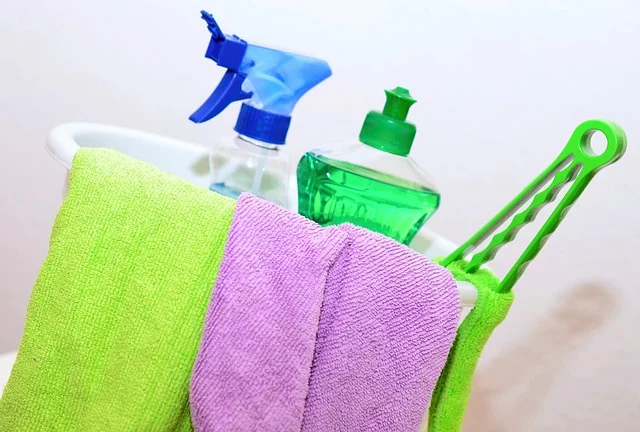
- Toothpaste and baking soda: Toothpaste contains abrasive silica particles designed for enamel, which scratch precious metals and soft gemstones. Baking soda paste acts as an aggressive abrasive that strips polishes.
- Bleach and chlorine: Chlorine attacks metal alloys, causing stress corrosion cracking inside gold settings and breaking down solder joints. Remove rings before swimming in pools or handling household cleaners.
- Ammonia and surface sprays: Concentrated ammonia discolors delicate gems and degrades lower-karat gold over repeated exposure.
- Paper towels and tissues: Wood fibers inside paper towels cause microscopic scratches on mirror-polished gold and silver surfaces. Always use dedicated microfiber cloths.
- Ultrasonic cleaners: Ultrasonic machines send high-frequency sound waves through liquid to dislodge grime. While effective for solid diamonds and sapphires in sturdy mounts, these vibrations shatter fractured emeralds, ruin treated opals, and knock loose stones out of worn prongs.
How should you store fine jewelry to prevent damage?
Proper storage prevents physical scratches, tangles, and environmental tarnish:
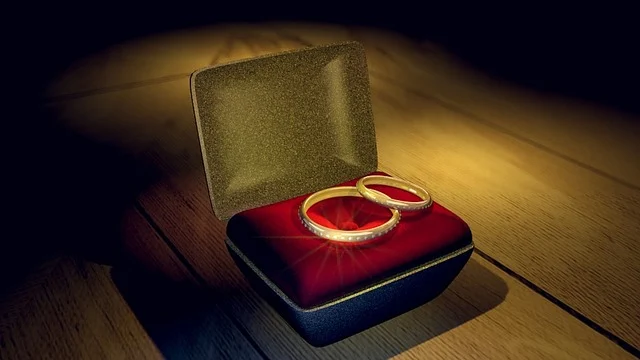
- Keep individual pieces separate: Place each ring, pair of earrings, and bracelet in separate fabric-lined compartments or soft suede pouches. Harder gems like diamonds easily scratch soft metals and softer stones when stored together.
- Prevent chain tangles: Fasten necklace clasps before putting them away. Hang chains vertically on hooks or lay them flat inside velvet channels. Thread delicate chains through drinking straws during travel to keep them straight.
- Use anti-tarnish storage for silver: Store sterling silver inside airtight bags alongside anti-tarnish paper strips. These strips absorb ambient sulfur before it reaches the silver surface.
- Maintain a stable climate: Store jewelry boxes in rooms with controlled temperature and humidity away from direct sunlight, heating vents, and humid bathrooms. Direct heat dries out opals and amber, while high humidity speeds up silver oxidation.
When should you seek professional jewelry inspection and repair?
Home cleaning maintains surface sparkle, but professional inspections preserve structural integrity. Take fine jewelry to a professional jeweler at least once a year for a thorough check-up.
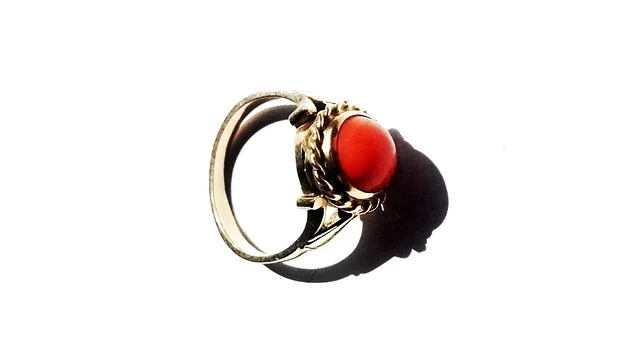
During an inspection, a jeweler uses magnification to check prong alignment, clasp tension, solder joints, and stone stability. Catching a thin or lifted prong early prevents losing a gemstone. Jewelers also use commercial steam machines and polishing wheels to safely remove deep grime and buff away surface wear.
Take your piece to a jeweler immediately if you hear a stone click when tapped, notice a prong catching on clothing, or spot heavy tarnish on vintage metalwork.
Frequently asked questions
How often should fine jewelry be cleaned?
Wipe daily-wear items with a soft cloth after each use to remove skin oils. Perform a deeper soap-and-water soak every two to four weeks for plain metal and hard gemstone pieces, and schedule a professional inspection annually.
Can toothpaste clean gold or silver jewelry?
No, toothpaste should never be used on fine jewelry. It contains abrasive ingredients that scratch gold, silver, and soft gemstones, leaving a dull surface finish.
Are ultrasonic cleaners safe for all gemstones?
No, ultrasonic cleaners are unsafe for porous, organic, or fracture-filled gemstones such as pearls, opals, emeralds, and turquoise. The ultrasonic vibrations can shatter internal structures and loosen settings.
Can you wear fine jewelry in the shower or ocean?
No, remove fine jewelry before showering or swimming. Soap film dulls gemstone clarity, while saltwater and chlorine corrode metal alloys, weaken solder joints, and make rings slip off fingers.
How do you prevent silver jewelry from tarnishing in storage?
Store sterling silver in sealed, airtight plastic bags or anti-tarnish cloth pouches containing anti-tarnish strips. Keeping silver away from humidity and atmospheric sulfur prevents tarnish formation.


