











Custom Suit Cost vs Off the Rack: The Real Price of Style in 2026
When it comes to investing in a suit, the choice between a custom-tailored garment and an off-the-rack option can feel like navigating a minefield. Most assume custom is always superior, but is it truly worth the significant difference in custom suit cost vs off the rack? As of June 2026, the market offers more options than ever, from ready-to-wear pieces that fit surprisingly well to highly personalized bespoke creations. Understanding where your money goes, what you truly get for it, and the long-term implications of each choice is crucial for building a functional and stylish wardrobe.
Last updated: June 8, 2026
Key Takeaways
- Off-the-rack suits offer immediate availability and lower upfront costs, typically ranging from $100 to $800, but often require alterations that add to the total price.
- Custom suits, including made-to-measure and bespoke, provide superior fit, personalization, and quality, with prices starting around $500 and potentially exceeding $10,000 for true bespoke.
- The perceived value of a custom suit lies in its precise fit, premium materials, and construction, leading to greater comfort, durability, and a more flattering silhouette than most off-the-rack alternatives.
- Hidden costs for off-the-rack suits, such as alteration fees and quicker depreciation, can narrow the price gap over time compared to the long-term value of a well-made custom garment.
- Your personal style, budget, frequency of wear, and specific needs for the suit will ultimately dictate which option offers the best investment for your wardrobe.
The World of Off-the-Rack Suits
Off-the-rack suits, often called ready-to-wear or RTW, are manufactured in standard sizes based on general body measurements. Think of them as the clothing equivalent of mass production. They are designed to fit a broad spectrum of individuals, meaning they will likely require some level of adjustment to achieve an optimal fit. These suits are readily available in department stores, menswear retailers, and online shops, making them the most accessible option for many.
The appeal of an off-the-rack suit is its immediacy. You can walk into a store, try on a suit, and potentially leave with it the same day. This convenience is a major draw, especially for those who need a suit quickly for an event. The initial price point is generally much lower than any custom option, making them attractive to budget-conscious shoppers.

Pricing and Accessibility
As of June 2026, you can find off-the-rack suits across a wide price spectrum. Entry-level options made from basic synthetic blends or lower-grade wool might start as low as $100. Mid-range suits, typically made of decent quality wool and featuring better construction, often fall between $300 and $800. High-end designer off-the-rack suits can cost upwards of $1,000, but these are still mass-produced and not tailored to your unique measurements.
The accessibility of off-the-rack suits is their greatest strength. They are widely distributed, allowing for easy comparison shopping and the ability to see and feel the garment before purchasing. This widespread availability means a vast selection of styles, colors, and patterns are usually at your fingertips.
The Fit Factor and Hidden Costs
Where off-the-rack suits falter is in their fit. Standard sizing, while convenient, rarely accounts for individual body nuances. A suit might fit well in the shoulders but be too long in the sleeves or too loose in the waist. This is where the concept of the “alteration tax” comes into play.
While the sticker price might seem low, factoring in the cost of alterations can significantly increase the overall expense. Common adjustments include hemming trousers, taking in the waist, shortening sleeves, and adjusting the jacket fit. These alterations can add anywhere from $50 to $300 or more to the final cost, depending on the complexity and the tailor’s rates. For example, a $300 suit with $150 in alterations now costs $450, bringing it closer to the price of a more accessible custom option.
Beyond monetary costs, off-the-rack suits can also suffer from a shorter lifespan. Mass-produced garments may use less durable fabrics or construction methods (like fused interlinings) that don’t hold up as well to frequent wear and dry cleaning. This means they might show signs of wear, such as creasing, pilling, or a loss of shape, sooner than a properly constructed custom suit.
The Spectrum of Custom Tailoring
Custom tailoring for suits exists on a continuum, generally falling into two main categories: Made-to-Measure (MTM) and Bespoke. While both involve creating a suit based on your measurements, they differ significantly in process, personalization, and price.
Made-to-Measure (MTM): The Personalized Middle Ground
Made-to-measure is often the sweet spot for those seeking a better fit than off-the-rack without the highest cost of bespoke. With MTM, a pattern is chosen from a range of existing styles, and then it’s adjusted to fit your specific body measurements. A tailor takes a complete set of measurements, and these are used to modify a standard block pattern. You also typically have a wider selection of fabrics, linings, and details like buttons and lapel styles.
The process usually involves one or two fittings. The first fitting is typically with a basted garment (loosely stitched) to refine the fit before final construction. The second fitting might be to ensure minor adjustments are perfect. The final product is a suit that’s cut and sewn for you, offering a marked improvement in fit and comfort over RTW.
Prices for Made-to-Measure suits as of June 2026 generally start around $500 for simpler wool suits and can climb to $1,500 or $2,000 for premium fabrics and extensive customization options. While more expensive upfront than most off-the-rack suits, they often eliminate the need for extensive, costly alterations.
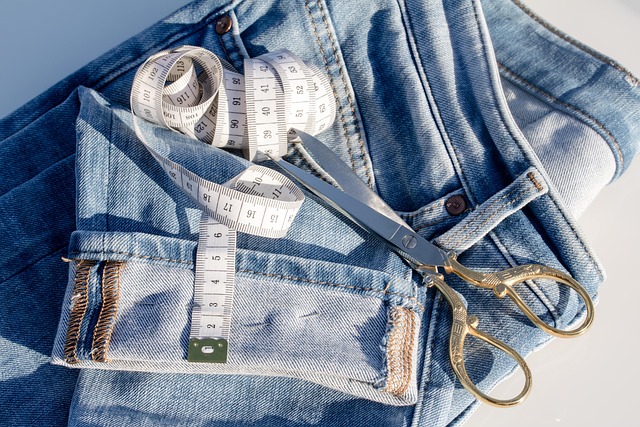
Bespoke: The Pinnacle of Customization
Bespoke tailoring represents the highest level of customization. The term “bespoke” historically means “spoken for,” implying that the suit is created entirely from scratch, with a unique pattern drafted specifically for the client. This process involves a much more intensive series of fittings and meticulous attention to detail.
A true bespoke suit starts with multiple fittings – often three or more. The tailor drapes fabric onto your body, creating a unique pattern that accounts for every contour and posture nuance. The suit is built from the ground up around you, using traditional techniques and often hand-sewn elements. Custom suit cost vs off the rack allows for unparalleled fit, drape, and comfort, as well as the ability to correct even the most complex asymmetries in the body.
The cost of a bespoke suit reflects this intensive labor and high level of personalization. As of 2026, prices for a bespoke suit can start around $3,000 and easily reach $7,000, $10,000, or even significantly more for highly exclusive fabrics and renowned tailors. This is a substantial investment, typically reserved for those who prioritize the ultimate in fit, quality, and craftsmanship, or for specific formal occasions.
Key Factors Influencing Suit Cost
Several elements contribute to the final price tag, whether you’re looking at off-the-rack or custom options. Understanding these factors helps demystify the custom suit cost vs off the rack debate.
Fabric Quality and Material
The fabric is arguably the most significant cost driver. Wool is the standard for suits, but the quality varies immensely. Super numbers (e.g., Super 120s, Super 150s) indicate the fineness of the wool fibers. Higher Super numbers generally mean a softer, lighter, and more luxurious fabric, but also one that can be more delicate and prone to wrinkling or damage if not cared for properly. Common wool types include merino, cashmere, silk blends, and linen.
Synthetic materials like polyester and rayon are much cheaper but offer less breathability, poorer drape, and are less durable. A suit made from 100% high-grade wool will always cost more than one made from a polyester blend. For custom suits, clients often have access to a wider and finer selection of premium wools, silks, and other luxury fibers, which naturally drives up the price.
According to the International Wool Textile Organisation (IWTO) 2026 report, the global demand for fine wool continues to rise, impacting raw material costs for high-quality fabrics.
Construction Methods
How a suit is constructed plays a vital role in its fit, drape, durability, and cost. There are three primary construction methods:
- Full Canvas: This is the most traditional and highest-quality method. A layer of horsehair canvas is sewn by hand between the suit’s fabric and lining, extending from the shoulder to the bottom of the jacket. This canvas gives the jacket structure, allows it to mold to your body over time, and ensures a superior drape. It’s labor-intensive and thus more expensive, typically found in bespoke and high-end MTM suits.
- Half Canvas: This method uses a canvas layer that extends from the shoulder down to the mid-chest. The rest of the jacket is fused. It offers a good balance of structure, drape, and cost, commonly found in mid-to-high-end off-the-rack and MTM suits.
- Fused: This is the least expensive method. The jacket’s front is constructed by fusing the fabric and lining together with a layer of adhesive. While quick and cheap to manufacture, fused jackets tend to be stiffer, less breathable, can develop bubbles over time, and don’t drape as well. Most lower-priced off-the-rack suits use this method.
The difference in construction impacts both the immediate cost and the long-term value and appearance of the suit. A fully canvassed suit, while costing more initially, will likely last longer and look better with age.

Brand and Tailor Reputation
Renowned brands and esteemed tailors command higher prices due to their reputation for quality, craftsmanship, and design. A suit from a globally recognized luxury designer, even off-the-rack, will cost more than a similar suit from a lesser-known brand. Similarly, the expertise and reputation of a bespoke tailor or an MTM house directly influence their pricing. A tailor with decades of experience and a waiting list often charges a premium for their skill and personalized service.
This reputation is built on consistent quality, exceptional customer service, and the ability to deliver on promises. While you pay for the name, you are also often paying for a higher standard of materials, construction, and customer experience.
Level of Customization and Details
The more personalized you want your suit to be, the higher the cost. This applies to both MTM and bespoke. Choices like fabric selection, lining color and material, button types (horn, corozo, metal), pocket styles, lapel widths, button stance, and monogramming all add to the complexity and price. For bespoke, the sheer number of fittings and hand-sewn details contribute significantly to the cost.
An off-the-rack suit offers limited customization, usually confined to basic choices like inseam length on trousers or perhaps selecting a different tie. Any significant changes require alterations, which are an additional expense.
Custom Suit Cost vs Off the Rack: A Price Breakdown
Let’s look at the typical price ranges as of June 2026:
| Suit Type | Typical Price Range (USD) | Key Considerations |
|---|---|---|
| Basic Off-the-Rack | $100 – $300 | Synthetic blends, fused construction, limited fit, needs alterations. |
| Mid-Range Off-the-Rack | $300 – $800 | Decent wool, half-canvas possible, better selection, still requires alterations. |
| High-End Off-the-Rack | $800 – $1,500+ | Premium fabrics, designer brands, better construction, may fit better but still standardized. |
| Made-to-Measure (MTM) | $500 – $2,000 | Personalized measurements, wider fabric choice, better fit, fewer alterations needed. |
| Bespoke | $3,000 – $10,000+ | Unique pattern from scratch, multiple fittings, highest quality materials and craftsmanship, ultimate fit. |
When comparing custom suit cost vs off the rack, it’s essential to consider not just the initial purchase price but also the total cost of ownership. An $800 off-the-rack suit that requires $200 in alterations ends up costing $1,000, potentially placing it in the same price bracket as a lower-end Made-to-Measure suit.
The Value Proposition: Beyond the Price Tag
The decision isn’t solely about dollars and cents; it’s about the value each option provides. Value encompasses fit, comfort, durability, style, and how the garment makes you feel.
Fit and Comfort
This is where custom suits truly shine. An off-the-rack suit is made for an average body, but no one is truly average. Even with alterations, achieving a perfect fit can be challenging. A suit that fits impeccably from day one will be more comfortable to wear for extended periods, whether you’re in the office, at a wedding, or traveling.
The comfort of a well-fitting suit extends beyond physical ease; it impacts confidence. When a suit drapes correctly and flatters your physique, you feel more self-assured. This is a significant, albeit intangible, benefit.
Durability and Longevity
Higher-quality fabrics, superior construction methods (like full canvas), and meticulous tailoring contribute to a longer lifespan for custom suits. While a cheap off-the-rack suit might start to look worn after a year or two of moderate use, a well-made custom suit, with proper care, can last for many years. This longevity can make the higher upfront cost a more economical choice over time.
For example, a $500 MTM suit that lasts 7-10 years might offer better long-term value than a $400 RTW suit that needs replacing every 2-3 years, especially when factoring in alteration costs. The International Association of Clothing Designers & Tailors (IACDT) estimates that a well-maintained custom suit can provide up to 15 years of wear.
Personal Style and Expression
Custom tailoring offers the opportunity to express your personal style precisely. You can choose the exact fabric, pattern, color, lapel style, pocket configuration, button type, and lining. This level of detail allows you to create a suit that’s uniquely yours and perfectly suited to your aesthetic preferences and the occasions you’ll wear it for.
An off-the-rack suit limits you to the choices made by the manufacturer. While you can find many stylish options, they are generalized. Customization allows you to fine-tune details that might be overlooked in mass production, such as a specific shade of grey or a subtle patterned lining that adds a personal touch.

Common Mistakes When Choosing a Suit
Navigating the custom suit cost vs off the rack decision can be tricky. Here are common pitfalls to avoid:
Over-relying on Off-the-Rack Fit
Assuming an off-the-rack suit will fit perfectly off the hanger is a common mistake. Even if it seems to fit well, subtle issues with shoulder slope, sleeve length, or jacket length can detract from your appearance. Always budget for alterations when buying RTW.
Underestimating Alteration Costs
As mentioned, alterations can add a significant percentage to the cost of an off-the-rack suit. Some complex alterations, like changing the shoulder structure or significantly altering the jacket’s waist, can be prohibitively expensive and may not yield perfect results. Be sure to get a quote from a reputable tailor before committing to a purchase.
Confusing Made-to-Measure with Bespoke
While both are custom, MTM is not the same as bespoke. MTM modifies existing patterns, while bespoke creates a new pattern from scratch. Understanding this distinction helps manage expectations regarding fit, process, and price. Don’t pay bespoke prices for MTM results, and vice-versa.
Ignoring Fabric Quality for Price
Opting for the cheapest suit simply because it’s off-the-rack can be a false economy. Poor quality fabrics wrinkle easily, crease permanently, and wear out quickly, making the suit look shabby and requiring replacement sooner. Prioritize fabric quality, even in off-the-rack options, looking for 100% wool if possible.
Not Considering the Suit’s Purpose
A suit for a job interview might have different requirements than one for a wedding or a regular office environment. Off-the-rack might suffice for infrequent or less critical events, but for significant occasions or frequent wear, the investment in custom tailoring often pays dividends in appearance and confidence.
Tips for Making the Right Choice
To make the best decision for your needs and budget, consider these tips:
Define Your Budget Realistically
Know how much you are willing and able to spend. Remember to factor in potential alteration costs for off-the-rack suits. A realistic budget might be $300-$600 for a good quality off-the-rack suit that needs minor tailoring, or $800-$1500+ for a solid Made-to-Measure option.
Assess Your Wardrobe Needs
How often will you wear the suit? Is it for a special occasion, daily workwear, or travel? For very infrequent use, a well-fitting, quality off-the-rack suit might be sufficient. For daily wear or important events where appearance is paramount, custom is often the better investment.
Understand Fit Basics
Learn what a good suit fit looks like. Key indicators include shoulder fit, sleeve length (showing about a quarter to half-inch of shirt cuff), jacket length (covering the seat of your trousers), and trouser break (how the hem falls on your shoes). Even if buying off-the-rack, knowing these basics will help you select the best starting point and communicate with your tailor.
Research Tailors and Retailers
If considering custom, research MTM providers and bespoke tailors in your area or online. Read reviews, look at examples of their work, and inquire about their process and pricing structure. For off-the-rack, identify retailers known for quality construction and good return policies.
For example, a client like Marcus, a consultant who travels frequently, found that a $700 off-the-rack suit with $150 in alterations started to look tired after 18 months of business trips. He then invested in a $1,200 Made-to-Measure suit that, despite the higher initial cost, maintained its sharp appearance for over four years, proving more cost-effective and confidence-boosting.
Frequently Asked Questions
Is an off-the-rack suit ever a good value?
Yes, an off-the-rack suit can be a good value if it fits reasonably well with minimal alterations, meets your specific needs for infrequent wear, and is purchased at a price that reflects its quality and construction.
Can custom suits be too expensive?
For many, the cost of bespoke suits ($3,000+) can be prohibitive. Made-to-Measure suits offer a more accessible entry point into custom tailoring, with prices often comparable to or slightly above high-end off-the-rack suits after alterations.
What are the biggest drawbacks of off-the-rack suits?
The primary drawbacks are imperfect fit, the necessity of costly alterations, and potentially lower quality materials and construction leading to a shorter lifespan compared to custom options.
How much should I expect to pay for suit alterations?
Alterations can range from $50 for simple adjustments like hemming trousers to $300 or more for complex tailoring on jackets, depending on the work required and the tailor’s rates.
What is the difference between off-the-rack, Made-to-Measure, and Bespoke?
Off-the-rack suits are mass-produced in standard sizes. Made-to-Measure uses existing patterns adjusted to your measurements. Bespoke creates a unique pattern from scratch for each client, involving multiple fittings and unparalleled customization.
When is it better to buy custom vs. off-the-rack?
Buy custom if you prioritize perfect fit, high-quality materials, longevity, and personal expression, especially for frequent wear or important occasions. Opt for off-the-rack if budget is a primary constraint, you need a suit immediately, or for very infrequent use where minor fit imperfections are acceptable.
Conclusion: Making an Informed Choice
The custom suit cost vs off the rack debate is nuanced. While off-the-rack suits offer immediate gratification and a lower initial price point, they often come with hidden costs in alterations and a compromise on fit and longevity. Custom options, particularly Made-to-Measure, provide a significantly better fit, improved quality, and a more personalized garment, often justifying the increased investment through superior comfort and durability.
Ultimately, the best choice depends on your individual budget, how often you’ll wear the suit, and your personal priorities for fit and style. For many, particularly as of June 2026, a Made-to-Measure suit offers the ideal balance of customization, quality, and value, bridging the gap between mass-produced convenience and the ultimate luxury of bespoke tailoring.
Information current as of June 2026; pricing and product details may change.
Source: Vogue
Editorial Note: This article was researched and written by the Anarchy Label editorial team. We fact-check our content and update it regularly. For questions or corrections, contact us.
Related read: Black Boots for Women: Your Style and Shopping Guide.