








When the topic of designer shoes comes up, often the first thought is the price tag. But beyond the immediate cost, many wonders: are designer shoes truly worth the investment, or are you simply paying for a name? I believe understanding the underlying value, from meticulous craftsmanship to potential longevity, is key to making a smart decision that complements your style and budget.
- Designer shoes offer value through superior craftsmanship, high-quality materials, and often better comfort and fit.
- Consider the cost-per-wear and potential resale value when evaluating a luxury footwear purchase.
- Authenticity is paramount; learn specific tells to avoid falling victim to sophisticated fakes.
- Proper care, tailored to specific materials like leather, suede, or exotic skins, significantly extends the life of your investment.
- Balance current trends with timeless styles to build a versatile and lasting luxury shoe collection.
What Truly Defines Designer Shoes?
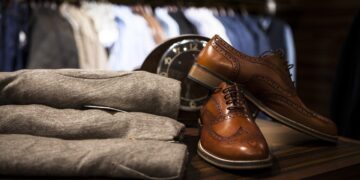
Designer shoes are far more than just a brand label; they represent a commitment to superior artistry and material quality. The true distinction lies in the meticulous attention to detail, from the initial sketch to the final polish, setting them apart from mass-produced alternatives. I find that this often translates into a better fit and increased comfort, even for high heels, due to ergonomic design and higher-grade components. This isn’t always obvious until you wear them for an extended period. Consider the difference in construction: a shoe with a Goodyear welt, often found in solid designer boots or men’s dress shoes, allows for multiple resoles, significantly extending its lifespan. In contrast, a sleeker Blake stitch, common in many Italian designer loafers, offers greater flexibility but can be more challenging to repair, depending on the cobbler’s expertise.
The Financial Equation: Are Luxury Footwear a Smart Investment?
Many see designer shoes as a frivolous expense, but I view them as a potential investment, particularly when considering the cost-per-wear. A well-made pair, properly cared for, can last decades, making its initial higher price spread out over countless uses. Beyond durability, some designer pieces, especially iconic or limited-edition styles, can retain or even increase their resale value on platforms like The RealReal or Vestiaire Collective. This isn’t true for every pair, but it’s a factor worth considering for certain brands and models, such as specific Chanel flats or Hermès sandals. According to a 2026 report by the Business of Fashion, the luxury resale market continues to grow, driven by consumer demand for sustainability and access to high-end items at more approachable price points. This trend underscores the potential for designer shoes to hold their value, unlike fast fashion.

Navigating the Market: Buying New vs. Pre-Owned Luxury Footwear
The choice between buying new or pre-owned designer shoes significantly impacts both cost and selection. New offers the pristine condition and full retail experience, while pre-owned can unlock substantial savings and access to vintage or sold-out styles. When buying new, you have the assurance of authenticity and often a warranty, but you pay full retail price. For example, a new pair of Christian Louboutin ‘So Kate’ pumps typically ranges between $795 and $895 as of September 2026, depending on the material and retailer. Pre-owned options, available through reputable consignment shops or online luxury marketplaces, can offer the same model for 30-70% less. However, this route requires extra vigilance regarding authenticity and condition. Always check seller reviews and return policies carefully.
The Authenticity Challenge: How to Spot a Fake Designer Shoe
One of the biggest pitfalls in the luxury market is encountering counterfeit goods. Spotting fakes requires a keen eye and knowledge of specific brand characteristics, especially for popular styles. I’d focus on a few key areas: examine the logo placement, font, and spacing meticulously—fakes often get these details slightly wrong. Check the stitching: true designer shoes boast even, tight, and consistent stitching, rarely showing loose threads or uneven lines. Poor quality materials, even subtle differences in leather grain or hardware weight, are also major red flags. For example, many counterfeit Chanel ballet flats will have a flimsy sole or incorrect interior stamping. Similarly, a true Hermès Oran sandal will feature extremely precise stitching and a specific leather quality that’s hard to replicate convincingly. Always research the specific model you’re buying, looking at official product photos and trusted authentication guides from experts.
Preserving Your Investment: Essential Care for High-End Footwear
Proper maintenance is non-negotiable if you want your designer shoes to last and hold their value. Different materials require specific care routines. Leather shoes should be regularly cleaned with a soft cloth, conditioned to prevent drying and cracking, and polished. Always use shoe trees to maintain their shape. Suede and nubuck require specialized brushes and sprays to protect against water and stains, and should be cleaned gently to avoid damaging the nap. For delicate fabrics like satin or intricate embellishments, professional cleaning is often the safest bet. Storing shoes in their original dust bags and boxes, away from direct sunlight and humidity, prevents discoloration and dust accumulation. Neglecting these steps can drastically shorten a shoe’s lifespan and diminish its appearance.
Beyond Trends: Choosing Timeless Designer Styles for 2026 and Beyond
While following current luxury shoe trends can be fun, I think true investment pieces are those that transcend fleeting fads. Timeless styles offer versatility and enduring appeal, ensuring your purchase remains relevant for years. Classic pumps from brands like Manolo Blahnik or Jimmy Choo, elegant ballet flats, and well-crafted loafers are examples of pieces that rarely go out of style. Even in the sneaker world, certain minimalist designs or iconic models from luxury houses maintain their desirability long after their initial release. When choosing, consider your personal style and wardrobe. Will this pair complement multiple outfits and occasions? A shoe that works seamlessly with your existing clothes will naturally see more wear, maximizing its value.
Making Smart Choices: Affordable Designer Shoe Options and Entry Points
Entry into the world of luxury footwear doesn’t always require a four-figure budget. Many designer brands offer more accessible lines or specific styles that serve as excellent entry points without compromising quality. Brands like Tory Burch, Michael Kors, or Coach often have well-made, stylish options at a lower price point than haute couture labels. Exploring their collections can reveal beautiful pieces that still carry the prestige of a designer name.
Additionally, looking for sales events or shopping during off-season periods can yield significant discounts on high-end items. Another avenue is the aforementioned pre-owned market. With patience, you can find lightly used designer shoes from top-tier brands at a fraction of their original cost. This strategy allows you to acquire true luxury without the full retail price tag, but remember to verify authenticity thoroughly. For example, Designer Brands Inc., which owns DSW, also operates its own private-label footwear brands like Audrey Brooke and Kelly & Katie, offering designer-inspired styles at more accessible price points.
According to Wikipedia, Designer Brands Inc. Operates over 500 stores in the United States, making these options widely available.
Choosing Your Next Investment: A Designer Shoe Buying Guide
Making an informed decision about designer shoes involves weighing several factors. It’s not just about the brand, but how the shoe fits into your life and style.
- Assess Your Needs: What occasion are these for? Everyday wear, special events, or a specific climate?
- Research Brands & Styles: Different brands excel in different areas. Some are known for comfort (e.g., Salvatore Ferragamo), others for avant-garde design (e.g., Balenciaga), and some for timeless elegance (e.g., Chanel).
- Prioritize Fit & Comfort: Even the most beautiful shoe is a poor investment if it’s painful to wear. Always try them on, ideally walking around, to ensure they are comfortable.
- Inspect Craftsmanship: Look for consistent stitching, high-quality materials, solid construction, and attention to detail. These are the hallmarks of genuine luxury.
- Consider Material: Leather, suede, exotic skins, or fabric each have their own aesthetic and care requirements. Choose one that suits your lifestyle.
- Evaluate Resale Potential: If this is a concern, research how well similar styles from the brand hold their value in the secondary market.
- Set a Realistic Budget: Factor in not just the purchase price, but also potential repair and care costs.
New vs. Pre-Owned Designer Shoes: A Comparison
| Feature | New Designer Shoes | Pre-Owned Designer Shoes |
|---|---|---|
| Price Point | Full retail price, highest cost | Significant discounts (30-70% off retail) |
| Condition | Pristine, unworn | Varies from excellent to well-loved; potential wear and tear |
| Authenticity Assurance | Guaranteed from authorized retailers | Requires careful vetting, use of reputable platforms/experts |
| Selection | Current season styles, full size runs | Past season, vintage, rare, or sold-out styles; limited sizes |
| Warranty/Returns | Standard retail warranty and return policies | Often limited or no warranty, strict return policies on consignment |
Investing in Designer Footwear: The Upsides and Downsides
Pros
- Superior Quality & Durability: Often made with better materials and construction techniques, leading to longer lifespan.
- Enhanced Comfort & Fit: Ergonomic design and premium components can result in a more comfortable wearing experience.
- Timeless Style & Prestige: Many iconic designs maintain their appeal and offer a sophisticated fashion statement for years.
- Potential Resale Value: Certain styles and brands can retain significant value or even appreciate in the secondary market.
- Ethical Consideration: Buying fewer, higher-quality items can be more sustainable than fast fashion.
Cons
- High Initial Cost: The upfront investment is substantial and can be a barrier for many.
- Risk of Counterfeits: The market for fake designer shoes is rampant, requiring vigilance, especially when buying pre-owned.
- Specific Care Requirements: Luxury materials often demand specialized cleaning and maintenance, which can be time-consuming or costly.
- Comfort Is Not Universal: While generally better, not all designer shoes will be comfortable for every foot type, so trying them on is crucial.
- Style Can Be Fleeting: Trendy designer pieces may quickly fall out of fashion, reducing their long-term value and wearability.
Common Mistakes to Avoid When Buying Designer Shoes
Falling for the hype or making impulsive purchases can quickly turn a potential investment into a costly regret. One common mistake is buying a trendy style that doesn’t align with your personal aesthetic, leading to minimal wear. I see this often with shoes that are visually striking but impractical for daily life. Another major error is neglecting proper care. Many assume expensive shoes are indestructible, but luxury materials like delicate leathers or intricate embellishments require specific, often gentle, maintenance. Failure to clean, condition, or store them correctly can lead to rapid deterioration. Lastly, don’t underestimate the importance of fit. A beautiful shoe that pinches or rubs will sit in your closet unworn. Always prioritize comfort and function over pure aesthetics, even when the label is enticing. Always walk around the store in both shoes for a few minutes before committing.
Expert Insights for Maximizing Your Designer Shoe Investment
To truly get the most out of your designer shoe purchases, I have a few insights that go beyond the basics. First, consider the versatility of the shoe. A pair that can transition from day to night, or casual to formal, offers far more utility than a highly specific statement piece. Second, don’t shy away from professional cobblers. A skilled craftsman can resole, repair, and refresh your luxury footwear, extending its life significantly. Think of it as a tune-up for a high-performance vehicle. This professional care is especially important for structured heels or delicate materials.

Finally, build your collection slowly and thoughtfully. Rather than accumulating many pairs of average quality, focus on acquiring a few exceptional pieces that genuinely resonate with your style and offer lasting quality. This approach ensures your wardrobe is curated, functional, and truly luxurious.
Frequently Asked Questions
What is the average lifespan of designer shoes?
With proper care and maintenance, designer shoes, especially those with high-quality leather and solid construction, can last anywhere from 5 to 20 years, or even longer. Factors like frequency of wear, material type, and whether they receive professional repairs play a significant role.
Are designer shoes more comfortable than regular shoes?
Often, yes. Designer shoes typically use higher-grade materials, better ergonomic design, and superior construction methods, which can lead to a more comfortable and supportive fit. However, comfort is subjective and depends on individual foot shape and the specific shoe design.
How can I ensure the authenticity of pre-owned designer shoes?
Always purchase from reputable consignment stores or authenticated online platforms. Look for detailed photos, ask for proof of purchase if possible, and scrutinize details like stitching, logos, materials, and serial numbers. If in doubt, consult a professional authenticator.
What are the best designer shoes for everyday wear?
For everyday wear, I recommend options that blend comfort with durability. Think luxury loafers from Gucci or Tod’s, elegant ballet flats from Chanel or Salvatore Ferragamo, or premium sneakers from brands like Golden Goose or Common Projects. Choose styles that complement your lifestyle.
Is it okay to wear designer shoes in bad weather?
Generally, I’d advise against wearing delicate designer shoes in heavy rain or snow. Water can damage leather, suede, and certain embellishments. If you must, ensure they are pre-treated with protective sprays and clean them immediately afterward. Consider dedicated weatherproof options for harsh conditions.
How do I store designer shoes to prevent damage?
Store designer shoes in their original dust bags and boxes, or in breathable shoe boxes. Use shoe trees for leather footwear to maintain shape and absorb moisture. Keep them in a cool, dry place away from direct sunlight and humidity to prevent discoloration and material degradation.
Conclusion
Ultimately, designer shoes can be a worthwhile investment, offering unparalleled quality, comfort, and enduring style. They demand a higher initial outlay, but with careful selection and diligent care, they deliver a lower cost-per-wear and often retain significant value. My advice is to focus on quality, authenticity, and how a pair genuinely fits into your life. Choose timeless pieces, take impeccable care of them, and you’ll find that luxury footwear isn’t just about fashion—it’s about smart, sustainable style.

