











What Exactly Is a Silk Hair Bonnet?
In the world of hair care, few accessories have garnered as much attention and praise as the humble silk hair bonnet. As of June 2026, these elegant wraps are a staple for anyone looking to protect their hair overnight and enhance its health and appearance. But what exactly makes a silk hair bonnet so special?
Last updated: June 6, 2026
At its core, a silk hair bonnet is a head covering designed to be worn while sleeping. Unlike cotton or other absorbent materials, silk is exceptionally smooth and non-porous. This means it creates less friction against your hair strands and scalp, significantly reducing common issues like breakage, frizz, and dryness.
The magic lies in the material itself. Pure silk, particularly mulberry silk, is a natural protein fiber known for its luxurious feel and beneficial properties. It’s this inherent quality that transforms a simple sleep cap into a powerful hair health tool. For those with textured, curly, or color-treated hair, it’s often considered an indispensable part of their nightly routine.
Key Takeaways
- Silk bonnets minimize hair friction, preventing breakage and frizz.
- They help retain hair’s natural moisture, combating dryness.
- Pure mulberry silk is the gold standard for hair health benefits.
- Bonnet choice matters: consider fit, material quality, and adjustability.
- Proper care ensures longevity and continued benefits for your hair.
Why Silk Hair Bonnets Are a major shift
When this topic comes up in practice, the immediate question is often about the ‘why’. Why switch from a regular pillowcase or nothing at all to a silk hair bonnet? The answer boils down to science and the unique properties of silk. Cotton, while comfortable, acts like a sponge, wicking away the natural oils your hair produces. This process can leave your hair dry, brittle, and prone to snapping, especially overnight when you toss and turn.
Silk, on the other hand, is far less absorbent. It allows your hair’s natural oils to remain on the strands, keeping them hydrated, supple, and protected. This moisture retention is crucial for all hair types, but it’s particularly beneficial for those with curly or coily textures, which are naturally drier. It helps maintain the integrity of your hairstyle, reducing the need for daily heat styling and touch-ups.
Beyond moisture, the smooth surface of silk drastically reduces friction. Think of your hair strands like delicate threads. When they rub against a rough surface like cotton, they can become roughened, leading to split ends and breakage. A silk bonnet acts as a protective barrier, allowing your hair to glide smoothly, preserving its health and length. For anyone aiming for significant hair growth or trying to recover from damage, this protection is invaluable.

Understanding the Material: Mulberry Silk vs. Satin
Not all silk bonnets are created equal, and understanding the materials is key. The most prized silk for hair care is 100% mulberry silk. This is where quality truly shines.
Silkworms that feed exclusively producs mulberry silk on mulberry leaves. This diet results in longer, finer, and stronger silk fibers, creating a fabric that’s incredibly smooth, durable, and naturally hypoallergenic. According to Silk Silky (as of June 2026), their products often feature 100% pure mulberry silk, emphasizing its superior quality for hair and skin.
On the other hand, ‘satin’ is a weave, not a fiber. Satin fabric can be made from silk, polyester, nylon, or other synthetic materials. While a satin bonnet made from 100% silk will offer the same benefits as a silk bonnet, many ‘satin’ bonnets on the market are made from polyester. Polyester satin can still offer some smoothness and reduce friction compared to cotton, but it lacks the breathability, natural moisture-wicking properties, and hypoallergenic qualities of pure silk. It can also trap heat, which might not be ideal for everyone.
When shopping, look for terms like ‘100% mulberry silk’ or ‘100% pure silk.’ If a product is labeled only ‘satin’ or ‘polyester satin,’ it’s likely a synthetic blend. While these can be more budget-friendly, genuine silk offers a more luxurious experience and, for many, superior hair health outcomes. Jasmine Silk, for instance, highlights its use of 100% mulberry silk, aiming for the highest standard for their customers.
The Science of Smoother Hair: Reducing Breakage and Frizz
The core benefit of a silk hair bonnet is its ability to minimize mechanical damage to your hair. When you sleep, your hair is subjected to constant friction against your pillowcase. This friction can cause cuticles to lift, leading to frizz, tangles, and eventually, breakage. It’s akin to rubbing a rough cloth over a delicate surface repeatedly.
The smooth, continuous filament structure of silk fibers creates a low-friction environment. Your hair glides over the bonnet, rather than snagging and pulling. This is particularly important for people with fragile hair, such as those who have undergone chemical treatments (coloring, perms, relaxers), heat styling, or have naturally fine or thinning hair. Glamour.com’s guide to the best silk bonnets highlights options specifically designed to combat these issues, like the LilySilk Elastic Bonnet, noted for preventing red lines and reducing friction.
Frizz is often a direct result of raised hair cuticles, which can be exacerbated by friction and moisture loss. By keeping the hair cuticle smooth and sealed, silk bonnets help maintain the hair’s natural alignment. This results in smoother, sleeker hair with less flyaways. For those aiming for sleek, polished styles, wearing a silk bonnet overnight can significantly reduce the effort required in the morning.
For those with natural hair, the reduced friction also helps preserve curl definition. Instead of waking up with flattened or tangled curls, a silk bonnet helps maintain their shape and bounce. This is why brands like Glow by Daye and Kitsch, popular among natural hair communities, offer satin or silk bonnets designed to accommodate voluminous styles.
Moisture Retention: Keeping Your Hair Hydrated
One of the most significant advantages of using a silk hair bonnet is its role in moisture retention. Cotton pillowcases and even cotton bonnets absorb moisture from your hair, leading to dehydration. This can manifest as dry, brittle strands, increased frizz, and a dull appearance.
Silk, being a non-porous material, doesn’t absorb these precious oils and moisture. It creates a barrier that helps seal in the natural oils produced by your scalp and any products you’ve applied to your hair. This is especially critical for people who use expensive hair oils, leave-in conditioners, or deep conditioning treatments. These products are designed to penetrate the hair shaft and nourish it, and a silk bonnet ensures that moisture stays where it’s needed most, rather than being absorbed into your bedding.
As of June 2026, there’s a growing understanding of how crucial scalp health is for overall hair vitality. Silk’s smooth surface also means less irritation to the scalp, promoting a healthier environment for hair growth. Some users even report seeing improved hair growth over time, which can be attributed to the combination of reduced breakage and better moisture retention. Sleepwithclementine.com, for example, emphasizes the ‘Elevated Skin & Hair Health’ aspects of their 100% organic silk bonnets, linking the material to overall wellness.
This benefit extends to preventing issues like dryness-induced split ends. By keeping hair adequately hydrated, silk bonnets help maintain the integrity of the hair shaft from root to tip, contributing to healthier, stronger-looking hair.
Choosing the Right Silk Hair Bonnet: Fit and Features
Selecting the perfect silk hair bonnet involves considering a few key factors to ensure maximum comfort and effectiveness. The market offers a variety of styles, materials, and sizes, so finding the right one is personal.
Material Quality: As discussed, prioritize 100% mulberry silk for the best results. Look for terms like ‘momme’ (a measure of silk weight and quality), where higher numbers generally indicate a more durable and luxurious fabric. While a specific momme count isn’t always listed, reputable brands will be transparent about their silk’s purity.
Fit and Adjustability: This is crucial. A bonnet that’s too tight can cause discomfort and potentially damage your hairline. Conversely, a bonnet that’s too loose might slip off during the night. Many bonnets come with an adjustable elastic band, often with a drawstring or Velcro closure, allowing you to customize the fit. Brands like LilySilk offer bonnets specifically designed to prevent red lines on the forehead, a common complaint with poorly fitting elastic bands.
Size: Hair volume varies greatly. If you have thick, long, or voluminous natural hair, you’ll need a larger bonnet to accommodate it comfortably without squishing or causing tangles. Some brands offer different sizes (e.g., regular, large, extra-large) or styles like turbans that are more generous in their capacity.
Construction: Check the seams. Ideally, the interior seams should be flat or enclosed to prevent snagging. Some bonnets have a reversible design, offering two colors or styles in one. Yanibest Sleeping Bonnets, for example, are often praised for their ability to maintain edges, suggesting careful design around the hairline.
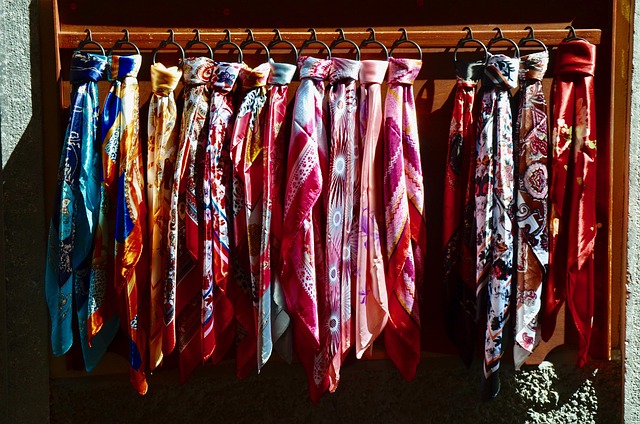
Aesthetics: While function is primary, style matters too! Bonnets come in a vast array of colors and patterns. Slip, known for its luxury silk products, offers stylish turbans that double as fashion accessories. Whether you prefer a classic solid color or a vibrant print, there’s a silk bonnet to match your personal style.
How to Wear and Care for Your Silk Bonnet
Wearing a silk bonnet is straightforward, but proper care is essential to maintain its quality and longevity.
Wearing Your Bonnet:
- Gather Your Hair: Gently gather all your hair and place it inside the bonnet. If you have very long hair, you might want to loosely tie it in a low bun or ponytail at the nape of your neck before putting on the bonnet to prevent tangling.
- Secure the Fit: Adjust the elastic band or drawstring for a snug but comfortable fit. Ensure it’s not too tight around your forehead or hairline.
- Sleep Soundly: Go to sleep! The bonnet will do the work of protecting your hair overnight.
Caring for Your Silk Bonnet:
- Washing: Hand washing is the gentlest method for silk. Use cool water and a mild detergent specifically designed for delicates or silk. Gently agitate the water, soak for a few minutes, then rinse thoroughly. Avoid wringing or twisting the silk, as this can damage the fibers.
- Machine Washing (Use Caution): If your bonnet is machine washable (check the care label), use a delicate cycle with cold water and place the bonnet in a mesh laundry bag to protect it. Always use a silk-specific or mild detergent.
- Drying: Never put silk in a machine dryer. Lay the bonnet flat on a clean towel or a drying rack away from direct sunlight or heat. Reshape it gently while damp.
- Ironing: If necessary, iron silk on a low heat setting while it’s still slightly damp, using a pressing cloth or the lowest iron setting without steam.
Proper care ensures your silk bonnet remains smooth, lustrous, and effective for years. Blissy.com, for instance, provides detailed care instructions to help customers maintain their silk products.
Beyond Sleep: Other Uses for Your Silk Bonnet
While primarily designed for overnight protection, silk hair bonnets have versatile applications that can benefit your hair throughout the day or during specific treatments.
Deep Conditioning Treatments: After applying a deep conditioner or hair mask, wearing a silk or satin bonnet can help trap heat from your scalp, allowing the treatment to penetrate the hair shaft more effectively. The non-absorbent nature of silk also prevents the product from dripping onto your clothes or bedding.
Protecting Styles: For individuals who spend time styling their hair (e.g., silk presses, intricate braids, or updos), a silk bonnet can help maintain the style’s integrity for longer. It protects against humidity, friction, and prevents the hair from becoming frizzy or losing its shape, especially in humid climates or during travel.
Travel Companion: When traveling, especially by plane or in unfamiliar climates, hotel pillowcases can be rough on hair. Bringing your silk bonnet ensures your hair receives consistent protection, no matter where you are. This is where a compact, lightweight silk bonnet becomes invaluable.
Bad Hair Day Solution: On days when your hair isn’t cooperating, a stylish silk turban or bonnet can be a chic way to cover up while still protecting your strands. They can be paired with casual outfits or dressed up for a more sophisticated look, turning a potential hair crisis into a fashion statement.
Common Mistakes to Avoid with Silk Hair Bonnets
Even with a fantastic product like a silk hair bonnet, users can sometimes make mistakes that diminish its effectiveness or longevity. Being aware of these pitfalls can save you frustration and ensure you reap all the benefits.
Mistake 1: Assuming All ‘Silk’ Bonnets Are Equal. As mentioned, many bonnets are labeled ‘satin’ and are made from polyester. While these offer some benefits, they don’t provide the full spectrum of advantages that 100% mulberry silk does, particularly regarding breathability and natural moisture retention. Always check the material composition.
Mistake 2: Opting for the Wrong Size or Fit. A bonnet that’s too tight can lead to headaches, discomfort, and damage to your hairline, a concern highlighted by some reviews of budget options. Conversely, a bonnet that’s too loose will slip off, failing to protect your hair. Look for adjustable features if you’re unsure about sizing.
Mistake 3: Neglecting Proper Care. Throwing your silk bonnet in the wash with regular laundry or drying it on high heat will quickly degrade the delicate silk fibers, reducing its smoothness and lifespan. Gentle hand washing and air drying are key.
Mistake 4: Not Wearing It Consistently. The benefits of a silk bonnet are cumulative. For maximum impact on hair health, breakage reduction, and frizz control, consistent nightly use is recommended. Treating it as an occasional accessory means missing out on the long-term protective advantages.
Mistake 5: Forgetting About Scalp Health. While bonnets protect hair strands, they can sometimes trap heat or product buildup if not cleaned regularly. Ensure your scalp remains clean and healthy; a clean bonnet is vital for healthy hair growth.

Expert Insights and Trends in 2026
As of June 2026, the conversation around silk hair bonnets has evolved beyond just a trend into a recognized hair health essential. Hairstylists and trichologists increasingly recommend them, especially for individuals experiencing hair thinning, breakage, or significant frizz. The focus is shifting towards understanding how everyday habits and accessories impact long-term hair vitality.
There’s a growing appreciation for the role of materials in hair care. Brands are becoming more transparent about their sourcing and manufacturing processes. For instance, the emphasis on 100% mulberry silk is a testament to consumers demanding higher quality and natural ingredients. We’re seeing more brands like Sleepy Tie and Clementine Sleepwear focusing on premium, organic materials that offer tangible benefits.
The trend of using silk accessories extends beyond bonnets. Silk pillowcases, scrunchies, and even headbands are gaining popularity for similar reasons – reduced friction and moisture retention. This broader awareness highlights a complete approach to hair health, where every touchpoint with your hair is considered.
Additionally, the aesthetic appeal of silk bonnets is being recognized. With various colors and designs available, they are no longer just functional sleepwear but can be a stylish part of a beauty routine. Queen Mary’s recent trend of incorporating silk scarves into her hairstyles, as noted by Marie Claire and HOLA, also underscores the enduring appeal and versatility of silk in fashion and beauty.
From a sustainability perspective, investing in a high-quality, durable silk bonnet can be seen as a more eco-conscious choice than constantly replacing damaged hair accessories or relying heavily on heat styling. It’s a long-term investment in your hair’s health.
Frequently Asked Questions About Silk Hair Bonnets
Are silk hair bonnets suitable for all hair types?
Yes, silk hair bonnets are beneficial for virtually all hair types. While they are particularly lauded for curly, coily, and chemically treated hair due to their moisturizing and anti-frizz properties, they also help retain moisture and reduce breakage in straight and wavy hair, promoting overall hair health and shine.
How often should I wash my silk hair bonnet?
It’s generally recommended to wash your silk hair bonnet after every 3-5 uses, or more frequently if you notice product buildup or significant perspiration. Regular washing prevents the buildup of oils and dirt, which can irritate the scalp and affect hair health.
Can wearing a silk hair bonnet help with hair growth?
While a silk hair bonnet doesn’t directly stimulate hair growth, it creates an optimal environment for it. By preventing breakage and retaining moisture, it allows your hair to grow longer and healthier without snapping off. This leads to perceived faster growth and increased hair length over time.
What is the difference between a silk bonnet and a satin bonnet?
Silk is a natural fiber (most commonly mulberry silk), while satin is a weave. Many ‘satin’ bonnets are made from polyester, a synthetic material that can be smooth but is less breathable and absorbent than silk. 100% silk bonnets offer superior moisture retention and breathability.
Can I use a silk bonnet if I have fine hair?
Absolutely. Fine hair is often prone to breakage and tangling. The smooth surface of a silk bonnet minimizes friction, preventing snagging and damage. It also helps retain the natural oils that fine hair can sometimes lack, contributing to a healthier appearance.
Are silk bonnets expensive?
The price of silk hair bonnets can vary. While high-quality 100% mulberry silk bonnets from reputable brands might range from $20 to $100 or more, more budget-friendly options made from satin or silk blends can be found for under $20. The investment in a quality silk bonnet often pays off in reduced hair damage and styling time.
Can I wear a silk bonnet with wet hair?
it’s generally not recommended to sleep in a silk bonnet with very wet hair. While silk is less absorbent than cotton, excessively wet hair is more fragile and prone to stretching and breakage. If your hair is damp after washing, it’s best to let it air dry partially or use a silk scarf that’s less constrictive before wearing a bonnet.
Information current as of June 2026; pricing and product details may change.
Editorial Note: This article was researched and written by the Anarchy Label editorial team. We fact-check our content and update it regularly. For questions or corrections, contact us.