












A zip up hoodie is a front-zipping hooded sweatshirt designed for easy layering, temperature control, and versatile daily wear. Unlike pullover sweatshirts, it features a full-length zipper that allows you to adjust ventilation instantly while protecting your hair and underlying clothing when taking it on or off.
Whether worn as a casual outer layer, a work-from-home staple, or functional gym gear, this versatile piece spans everything from casual lougewear to high-end streetwear. Understanding how fabric weight, zipper hardware, and garment construction differ helps you select a hoodie that maintains its shape, warmth, and appearance over years of wear.
What makes a zip up hoodie an essential wardrobe piece?
A zip up hoodie balances comfort and utility better than almost any other mid-layer garment. Its main functional advantage is thermal regulation. By adjusting the front zipper, you can convert a warm, fully enclosed top into an open jacket that lets air circulate freely without needing to remove the garment entirely.

Beyond physical comfort, the full-length front opening alters how you layer clothes. Unlike pullover hoodies, which obscure whatever shirt you wear beneath them, a zip up hoodie frames your base layer. This makes it a helpful middle piece under heavy winter coats or lightweight summer jackets, giving you flexibility across changing weather conditions throughout the day.
Which fabric is right for your zip up hoodie?
The material composition directly dictates how your zip up hoodie feels against the skin, how well it traps heat, and how long it lasts before pilling or shrinking.
Cotton and French terry
Heavyweight cotton offers a crisp structure that holds its shape well over time. French terry, characterized by a smooth outer knit and soft fabric loops on the interior, provides moderate warmth while remaining breathable. French terry does not trap excess moisture, making it suitable for year-round wear in temperate climates. However, pure cotton absorbs moisture easily and takes longer to dry than synthetic alternatives.
Polyester and technical synthetic blends
Adding polyester to cotton creates a durable hybrid fabric that resists wrinkling, shrinking, and color fading. Cotton-poly blends combine cotton’s soft tactile feel with synthetic resilience. Pure polyester or nylon performance knits are engineered specifically for athletic activity. These fabrics feature moisture-wicking properties, pulling sweat away from the body to dry quickly during workouts.
Fleece linings
Brushed fleece interiors are made by brushing cotton or polyester loops to create a soft, plush pile. This texture traps warm air near the body, offering high thermal insulation for colder months. Synthetic fleece delivers exceptional warmth without adding heavy weight, though lower-grade polyester fleece may accumulate static or pill after repeated washing cycles.
Sustainable fibers: organic cotton, Tencel, and recycled synthetics
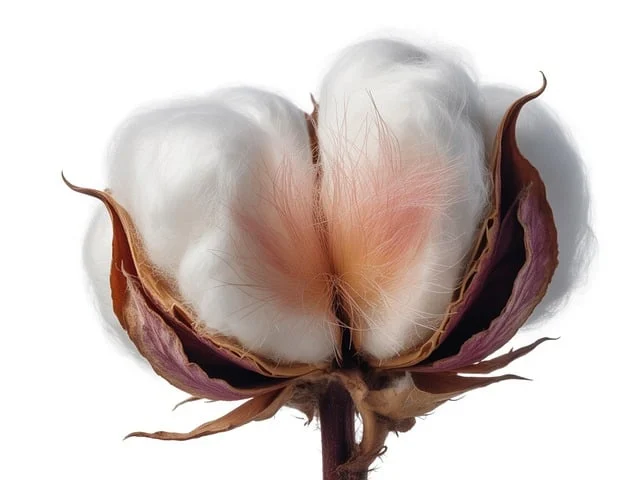
Eco-conscious options use organic cotton grown without synthetic pesticides, reducing environmental impact during cultivation. Recycled polyester (rPET), sourced from post-consumer plastic bottles, gives existing synthetic polymers new life while offering moisture-wicking properties identical to virgin polyester. Tencel (lyocell) and modal, harvested from wood pulp, produce soft, breathable fabrics that drape cleanly and feel cool to the touch.
How to evaluate zip up hoodie construction and quality details
Price differences between zip up hoodies often reflect construction choices that dictate longevity and daily performance.
Zippers and hardware
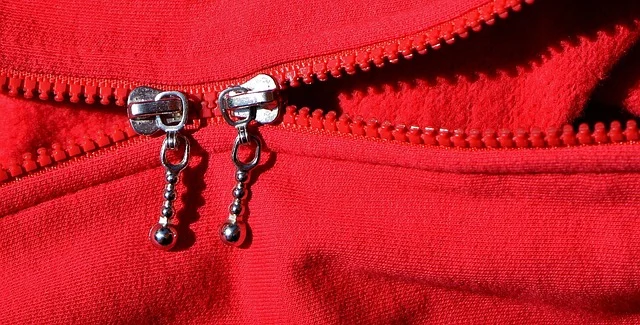
The central zipper is the primary mechanical point of stress on a hoodie. Cheap, unbranded plastic zippers tend to split, snag, or strip teeth after regular use. Choosing hardware from a reputable brand like YKK ensures smooth operation and durability over thousands of zip cycles. Metal zippers (such as brass, nickel, or gunmetal) lend a heavy feel to casual hoodies, though they add weight. Molded plastic vislon zippers offer smooth, weather-resistant operation for sportswear. Two-way zippers, which unzip from both top and bottom, allow extra hip comfort when sitting down.
Hood design and drawstrings
A well-constructed hood often uses a three-piece panel design rather than a simple two-piece cut. A three-piece hood contours smoothly around the head without peaking into an awkward point at the top crown. Dual-layer fabric lining inside the hood prevents raw interior seams from showing and adds structural weight so the hood lays flat across the back when worn down. Metal grommets or reinforced buttonhole eyelets at the drawstring exits prevent the fabric from tearing when cords are pulled. High-end hoodies often feature metal aglets on the drawstrings to stop fraying.
Ribbing, seams, and pocket reinforcement
Ribbed cuffs and hemlines prevent cold air from entering the sleeves and waist. High-quality hoodies utilize thick ribbing with elastane or spandex knitted in, allowing the cuffs to retain elasticity after stretch and wash cycles. Look for flatlock or double-needle coverstitching along armholes, shoulders, and pockets. Split kangaroo pockets should feature bar-tack stitching at the stress corners to resist tearing under heavy pocket weight.
Zip up hoodie fit guide: choosing the right silhouette
Selecting the right silhouette depends on your body proportions and how you plan to layer the garment.

Standard or regular fit
A standard fit rests close to the shoulders and chest while leaving roughly two inches of clearance around the torso. The shoulder seam aligns directly with the edge of your shoulder bone, and the bottom hem sits around the mid-hip line. This classic cut is versatile enough to layer over a t-shirt or beneath a mid-weight jacket without bunching.
Slim fit
Slim-fit hoodies taper through the chest, waist, and arms to eliminate excess fabric. The armholes sit higher, and the sleeves fit snugly along the forearms. This silhouette works best as an under-layer beneath structured outerwear like topcoats, denim jackets, or leather jackets. However, slim fits offer less freedom of movement and benefit from stretch fabric blends if worn during active movement.
Oversized fit
An oversized fit features dropped shoulder seams, wider chest dimensions, and relaxed armholes. This relaxed silhouette creates a boxy, modern draped look popular in streetwear aesthetics. When buying an oversized zip up hoodie, select a garment specifically tailored with dropped shoulders rather than simply buying two sizes up, as true oversized patterns maintain proper sleeve length and collar positioning.
How to style a zip up hoodie for different dress codes
A zip up hoodie’s front opening allows for dynamic outfit combinations across various settings.

Casual everyday wear and loungewear
For effortless weekend outfits, pair a neutral grey or navy zip up hoodie with a soft crewneck t-shirt and dark denim. Leaving the zipper half-open creates a casual diagonal line down the chest. Match with clean minimalist leather sneakers for a crisp, low-effort look.
Athleisure and active outdoor use
Combine a mid-weight synthetic or technical cotton-blend hoodie with matching fleece joggers or athletic leggings. Underneath, wear a form-fitting base layer or moisture-wicking tank top. Unzip the hoodie halfway during outdoor warm-ups to dump excess heat without taking off your outer layer.
Streetwear aesthetic
Create depth by layering an oversized, heavy cotton zip up hoodie over a longline graphic tee or a contrasting waffle-knit thermal shirt. Pair with relaxed cargo pants or distressed denim. Finish the outfit with high-top sneakers, a knit beanie, and open zipper styling to show off internal layers.
Smart casual integration
You can incorporate a minimalist, unbranded zip up hoodie into elevated smart casual outfits. Choose a fine-gauge knit or ultra-clean cotton zip hoodie in charcoal, black, or navy without visible logos. Wear it zipped three-quarters high over a collared button-down shirt, paired with tailored trousers or dark wash jeans and leather dress boots or suede loafers. The structured collar beneath the soft hood provides a balanced mix of crisp and relaxed elements.
Zip up hoodie vs pullover hoodie vs track jacket
To determine which zippered or hooded garment best meets your daily routine, consider how their core characteristics compare:
| Feature | Zip Up Hoodie | Pullover Hoodie | Track Jacket |
|---|---|---|---|
| Temperature Control | High (Adjustable full zipper) | Low (Must be fully put on or removed) | High (Full zipper, lightweight) |
| Layering Flexibility | High (Can be worn open or closed) | Limited (Hides underlying tops) | Moderate (Lightweight outerwear layer) |
| Ease of Wearing | Easy on/off without messing up hair | Requires pulling over the head | Easy on/off without messing up hair |
| Warmth Retention | Moderate to High (Zipper seam allows slight air gap) | High (Continuous fabric front) | Low to Moderate (Lightweight synthetic) |
| Front Pocket Design | Split kangaroo pockets | Unbroken pass-through pocket | Zippered side welt pockets |
| Best Primary Use | Versatile daily wear, smart casual, variable weather | Maximum warmth, lounging, bold graphic prints | Active sports, warm-ups, lightweight wind protection |

How to wash and maintain your zip up hoodie
Proper care keeps your zip up hoodie looking fresh, prevents shrink damage, and ensures smooth zipper operation over years of frequent laundering.

Step-by-step laundering process
- Zip up completely: Before placing the hoodie into the washing machine, pull the zipper slider all the way to the top. Exposed metal or plastic zipper teeth act like small hooks against knit fabrics, causing snagging and fabric pilling during cycle agitation.
- Turn inside out: Flip the hoodie inside out to protect the outer surface finish and reduce friction against other garments.
- Use cold water and mild detergent: Wash with cold water on a gentle cycle. Hot water breaks down elastane fibers in cuffs and causes cotton fibers to shrink.
- Air dry flat or hang on a wide hanger: Avoid high-heat tumble drying, which degrades elastic fibers, causes seam puckering along the zipper tape, and shrinks cotton. Air drying on a flat drying rack or padded hanger preserves sleeve shape and hem tension.
Fixing stiff or caught zippers
If a metal or plastic zipper begins to catch or slide roughly along the teeth, do not force the pull. Rub the point of a graphite lead pencil along both sides of the open zipper teeth; graphite acts as a dry lubricant. Alternatively, apply a tiny drop of clear liquid soap or beeswax along the jammed section with a cotton swab and gently move the slider back and forth until it glides smoothly.
Preventing pilling and fabric fuzz
Pilling occurs when short textile fibers rub together and form tiny balls on high-friction areas like underarms and pocket sides. To reduce pilling, wash hoodies inside out with similar soft cotton or synthetic fabrics, avoiding coarse garments like heavy denim or clothes with open metal hooks. If pills form, gently remove them using a fabric shaver or a fine-toothed garment comb.
Performance-focused zip up hoodies for active use
Athletes and outdoor enthusiasts require functional zip up hoodies designed for moisture management and dynamic body movements rather than simple lounge comfort.
Technical performance hoodies utilize lightweight synthetic fabrics like polyester and nylon blended with spandex for multi-directional stretch. These garments rapidly draw sweat away from the skin toward the outer fabric shell to evaporate. Integrated thumbholes at the wrist cuffs keep sleeves secured down over the hands, blocking cold wind during morning runs or cycling sessions.
Sun protection is another functional feature in activewear. Many outdoor athletic hoodies carry Ultraviolet Protection Factor (UPF) ratings to block harmful solar radiation. For example, the Crz Yoga Altiland Women’s UPF 50+ Sun Protection Hoodie offers sun protection alongside cooling properties for outdoor workouts. Strategically placed mesh panels under the armpits or along the upper back promote extra airflow during intense exercise routines.
Choosing sustainable and ethically made zip up hoodies
As consumer awareness around textile waste grows, demand for sustainable fashion choices, including zip up hoodies, has surged. Sustainable manufacturing focuses on low-impact fiber cultivation, closed-loop fabric processing, and ethical labor standards.
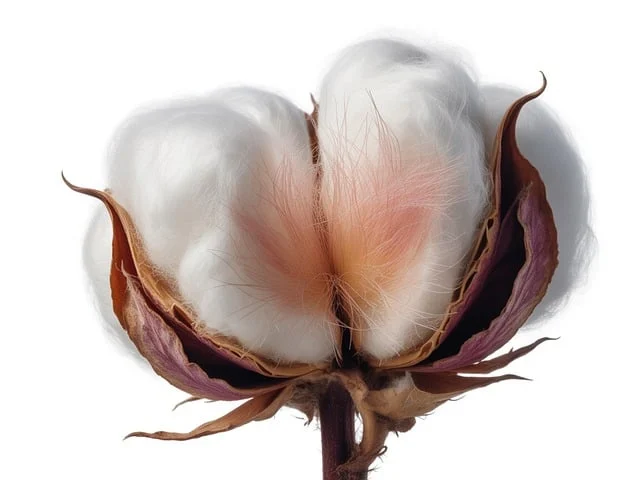
Selecting zip up hoodies constructed from organic cotton guarantees that no harmful synthetic pesticides or toxic dyes were used during cultivation. Recycled polyester (rPET) reduces reliance on crude oil extraction and keeps plastic waste out of landfills while delivering durability and moisture performance identical to virgin polyester.
Beyond raw materials, ethical supply chain auditing ensures garment workers receive fair living wages and operate in safe factory environments. Independent certifying organizations such as the Fair Wear Foundation inspect and certify garment factories globally. Apparel brands like Pact and Tentree offer sustainable hoodie options by pairing organic and recycled fibers with transparent supply chains. Investing in high-density, durable hoodies that last for years remains one of the most effective ways to lower your personal environmental impact.
Common styling and care mistakes to avoid
Avoiding these frequent missteps will keep your zip up hoodie looking sharp and prevent unnecessary fabric wear:
- Ignoring shoulder line fit: Wearing a hoodie where the shoulder seams hang halfway down your upper arm (unless intentionally styled in an oversized cut) makes your frame look unstructured.
- Over-washing the garment: Washing a casual hoodie after every single light wear strips natural fabric softness and accelerates color fading. Air out your hoodie between uses and spot-clean minor marks with a damp cloth instead.
- Tumble drying on high heat: Exposing a zippered hoodie to intense dryer heat warps the synthetic zipper tape while shrinking the surrounding cotton fabric. This produces a wavy, distorted line along the front closure that cannot be flattened back out easily.
- Mismatched dress codes: Wearing a faded, heavily branded fleece zip up hoodie to a dressy setting creates a sharp aesthetic conflict. Reserve graphic or heavily worn hoodies for casual and athletic environments, selecting clean, minimalist knits for polished occasions.
Sources: Hoodie
Frequently asked questions about zip up hoodies
Are zip up hoodies still fashionable in 2026?
Yes, zip up hoodies remain a permanent staple in modern wardrobes. Their versatility allows them to adapt smoothly across streetwear, athleisure, work-from-home wear, and elevated casual outfits when paired with tailored trousers or structured coats.
What is the best fabric material for a zip up hoodie?
The best material depends entirely on your intended use. High-density cotton or French terry provides optimal comfort and structure for casual everyday wear, while polyester-spandex blends are superior for athletic moisture-wicking. For eco-conscious buyers, organic cotton and recycled polyester offer great durability with reduced environmental impact.
How should a zip up hoodie fit?
A well-fitting standard zip up hoodie should rest neatly on your shoulders, allow two inches of room around the chest for comfortable movement, and end around mid-hip line. Sleeves should reach your wrists comfortably without excess fabric bunching at the cuffs.
How do I stop my zip up hoodie from shrinking when washed?
Always wash your zip up hoodie in cold water on a delicate cycle and air dry it flat or hang it up. Avoid hot water washes and high-heat tumble drying, as excess heat shrinks cotton fibers and warps zipper tapes.
What is the main advantage of a zip up hoodie compared to a pullover hoodie?
The primary advantage of a zip up hoodie is effortless temperature regulation and versatile layering. You can adjust the zipper to cool down quickly or show off underlying shirts without having to take the garment off over your head.


