




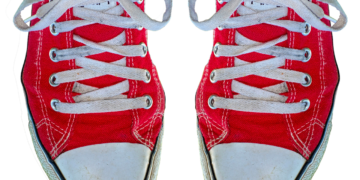








Lacing Vans with the standard criss-cross method delivers balanced comfort and a classic look, while bar lacing offers a clean, minimalist style. Changing your lacing technique alters both the aesthetic and how the sneakers feel on your feet, helping prevent rubbing and providing proper foot support. Selecting the right technique depends on your shoe model and eyelet count, with 5 to 6 eyelets requiring 45-inch laces and 7 to 8 eyelets needing 54-inch laces. The rest of this guide covers step-by-step criss-cross and bar lacing instructions, decorative styles like ladder and diamond patterns, model-specific advice for Authentic, Old Skool, and Sk8-Hi shoes, and shoelace length recommendations.
Vans Shoelace Length and Eyelet Sizing Guide
Matching your lace length to your specific Vans silhouette ensures you do not end up with excessively long loops trailing on the ground or ends too short to tie cleanly. The table below outlines standard factory eyelet counts and recommended lace lengths for common fit styles:
| Vans Model | Eyelet Pairs | Recommended Lace Length | Best Lacing Style |
|---|---|---|---|
| Authentic / Era | 4 – 5 pairs | 36 – 45 inches (91 – 114 cm) | Criss-Cross or Straight Bar |
| Super Lowpro | 4 – 5 pairs | 36 – 45 inches (91 – 114 cm) | Minimal Criss-Cross |
| Old Skool / New Skool | 6 – 7 pairs | 45 – 54 inches (114 – 137 cm) | Criss-Cross, Bar, or Loose Tuck |
| Half Cab | 5 – 6 pairs | 45 – 54 inches (114 – 137 cm) | Criss-Cross for Board Feel |
| Knu Skool | 3 – 4 pairs (Wide) | 45 – 54 inches (Fat Laces) | Loose Straight Bar or Flat Cross |
| Sk8-Hi / High Tops | 8 – 9 pairs | 54 – 63 inches (137 – 160 cm) | Ankle Lock or Ladder Lacing |
Step-by-Step Instructions for Classic Vans Lacing Methods
Standard Criss-Cross Lacing
The criss-cross method is the factory default for most Vans shoes. It allows even tension distribution across the instep and adapts easily to varying foot widths.
- Start at the bottom: Insert both ends of the lace downwards into the bottom two eyelets from the outside, creating a straight horizontal bar across the bottom on the outside of the shoe. Ensure both lace ends are equal in length.
- Cross over: Take the left lace, cross it over the tongue, and insert it downwards into the second eyelet on the right side.
- Alternate: Take the right lace, cross it over the left diagonal strand, and thread it downwards into the second eyelet on the left side.
- Repeat to the top: Continue crossing left-over-right and right-over-left until you reach the top eyelet pair. Tie with a standard bow or double knot.
Straight Bar Lacing
Straight bar lacing runs horizontally across the eyelets on the outside while routing vertically on the inside, creating a clean, minimal look preferred for casual fashion.
- Base bar: Thread the lace through the bottom two eyelets from the outside in, so the bar sits across the top of the eyelets and both ends hang inside the shoe.
- Left side routing: Take the left lace end inside the shoe and push it upwards through the second eyelet on the same (left) side from the inside out. Then pull it straight across and thread it downwards into the second eyelet on the right side.
- Right side routing: Take the right lace end inside the shoe, bypass the second eyelet, and push it upwards through the third eyelet on the right side from the inside out. Cross it horizontally and thread it downwards into the third eyelet on the left side.
- Continue the stagger: Continue running each lace end up one internal eyelet level, popping out, and crossing horizontally to form clean parallel bars across the tongue.
Decorative Styles: Ladder and Diamond Patterns
For high-top models like the Sk8-Hi, decorative lacing offers both extra security and distinct visual styling:
- Ladder Lacing: Laces run vertically straight up the eyelet columns on the outside, weaving under horizontal bars at each step. This style holds high-top ankles extremely rigid and prevents loosening during active movement.
- Diamond Pattern: Laces cross over two eyelets at a time and back-track down one eyelet inside, creating a woven grid across the tongue. This requires longer laces (at least 54 to 63 inches) and works best on 6 to 8 eyelet silhouettes.
How to lace vans knu skool
The Vans Knu Skool is a 90s-inspired silhouette featuring heavy padding, a puffy tongue, a 3D side stripe, and oversized eyelets designed for extra-wide “fat” laces. Lacing the Knu Skool correctly requires maintaining lace flatness and preventing excess tension that crushes the shoe’s signature swollen profile.
- Keep wide laces flat: Unpack the wide fat laces and ensure they are untwisted before threading the bottom eyelets from the outside in.
- Lace loosely: Cross the wide laces over the oversized tongue without pulling them tight. The puffy tongue needs room to sit naturally forward without being compressed against your instep.
- Choose your finish: For a true throwback look, leave the top eyelet open and allow the thick lace ends to hang loosely at the sides without tying a knot. Alternatively, tie a short, wide bow right beneath the collar cushion.
How to lace vans old skool
The Vans Old Skool features a traditional 6 to 7 eyelet design and signature side stripe. To achieve the classic streetwear fit, many wearers prefer a loose-laced setup that allows the shoe to function as a easy slip-on while retaining structured side support.
Thread the bottom eyelets using the criss-cross technique. As you work your way up to the fourth eyelet, pass one lace strand through the fabric center loop on the tongue; this prevents the tongue from sliding sideways toward the outer edge when walking. Stop lacing at the second-to-last eyelet if you prefer a wider opening, or continue to the top eyelet and tuck the remaining lace lengths underneath the soft foam footbed.
How to lace vans high tops and sk8 hi
Vans Sk8-Hi and other high-top models feature 8 to 9 eyelet pairs designed for upper ankle stability. How you lace high tops directly impacts your joint support and range of motion.
For maximum ankle support while skateboarding, lace all the way to the top eyelet using a standard criss-cross pattern and tie securely. If you want more ankle mobility for everyday walking, stop at the seventh eyelet (one or two holes below the top collar). You can wrap excess lace length around the high-top ankle collar before tying at the front, creating a popular skate aesthetic while keeping tension firm around the lower foot.
How to lace vans authentic
The Vans Authentic is a minimalist deck shoe with 4 to 5 eyelet pairs and a low-profile canvas upper. Because space along the instep is limited, bulky knots or thick lace patterns can visually overpower the shoe.
Use shorter 36-inch to 45-inch flat laces for the Authentic. Either standard criss-cross or straight bar lacing works exceptionally well on this model. When using bar lacing, hide the final knot inside the canvas heel counter or under the sock liner to maintain the ultra-clean line of the low-top silhouette.
How to lace vans half cab
The Steve Caballero signature Half Cab is a mid-top skate shoe with thick ankle padding and 5 to 6 eyelets. Because the shoe is heavily utilized for impact skating, lacing focus must be placed on heel lockdown and lace preservation.
Thread the laces in a tight criss-cross pattern from the bottom up, making sure each pass sits snug against the padded suede eyelet stay. Ensure the lace passes through the middle tongue loop to hold the thick padded tongue centered against heavy foot movement. Skateboards can quickly slice through laces, so keep tension high to prevent loose loops from catching on grip tape.
How to lace vans new skool
The Vans New Skool updates vintage skate proportion with broad proportions, simplified eyelets, and durable construction often tailored toward younger or casual wearers. Lacing the New Skool requires accommodating its wide eyelet spacing while keeping tension balanced across the midfoot.
Utilize a wider criss-cross pattern across the middle eyelets. Avoid over-tightening the bottom section, as the rigid rubber sidewall of the New Skool requires less lateral pulling to remain stable on the foot. Threading flat 45-inch laces smoothly through each broad eyelet gives the shoe a clean, modern aesthetic.
How to lace vans super lowpro
The Vans Super Lowpro features a shallow toe box, thin sole profile, and short eyelet stance. Because the upper fits close to the top of the foot, rigid lace patterns or bulky interior knots can press into the skin and cause discomfort.
Opt for thin, flat cotton laces rather than thick synthetic cords. Thread using a loose criss-cross pattern. Avoid hiding big knots under the thin canvas upper; instead, tie a small neat bow at the top eyelet to prevent pressure points over the instep bone.
Pros & Cons of Different Lacing Approaches
Pros:
- Criss-Cross: Excellent for everyday comfort, widely recognized, easy to adjust tension.
- Bar Lacing: Achieves a very clean, contemporary look, popular in fashion circles.
- Hidden Knot: Enhances the minimalist appeal, prevents loose loops from snagging.
- Ladder Lacing: Provides superior ankle stability, ideal for high-tops and active wear.
Cons:
- Criss-Cross: Can sometimes appear visually busy, depending on lace color.
- Bar Lacing: Can be less flexible, sometimes creating pressure points if pulled too tight.
- Hidden Knot: Requires precise lace length to avoid excessive bulk inside the shoe.
- Ladder Lacing: Time-consuming to lace and adjust, not ideal for quick changes.
Common Mistakes to Avoid When Lacing Vans
Even experienced sneaker enthusiasts can make simple lacing errors that detract from both comfort and style. Being aware of these common pitfalls can save you frustration.
- Uneven Laces: Starting with one lace significantly longer than the other leads to an imbalanced look and an awkward knot. Always ensure your laces are perfectly even before starting.
- Lacing Too Tight or Too Loose: Over-tightening can cause discomfort, restrict blood flow, and warp the shoe’s shape. Conversely, lacing too loosely means poor support and a sloppy appearance, potentially causing blisters from friction. Aim for a snug yet comfortable fit that allows for natural foot movement.
- Skipping Eyelets Unintentionally: This can lead to an uneven look and compromise the shoe’s structure. Double-check that every eyelet is used in your chosen pattern.
- Ignoring Model-Specific Needs: Applying a low-top lacing style to a high-top without considering the extra eyelets or ankle support can result in a suboptimal fit. Always consider the Vans model.
- Forcing Bar Lacing on High Insteps: Straight bar lacing does not stretch as dynamically across the foot as diagonal cross lacing. If you have high arches or wide feet, rigid bar lacing can pinch top tendons and cause foot fatigue.
Expert Tips for Elevating Your Vans Style in 2026
Beyond the basic methods, a few expert insights can truly set your Vans apart. These tips, informed by years of observing streetwear trends, help personalize your footwear.
- Quick-Swap Laces: Keep a few different colored or patterned shoelaces on hand. Swapping out laces is the quickest and most affordable way to refresh your Vans and match them to different outfits without buying new shoes.
- Consider Lace Material: Flat cotton laces are classic, but waxed laces (often used in boots) offer a more structured look and can prevent laces from coming undone easily. For a slight edge, consider reflective laces for nighttime visibility and style.
- The Loose Aesthetic: If you’re going for the popular loose lace look, particularly with bar lacing, ensure the laces are still secure enough that your foot isn’t sliding around excessively. The aim is a relaxed appearance, not poor fit.
- Double Knot for Durability: For active wearers or skateboarders, a simple double knot provides extra security against laces coming undone, a common frustration during sessions.
- Tuck for Minimalist Appeal: For the ultimate clean look, after tying a hidden knot, tuck any excess lace into the shoe. This creates a streamlined silhouette, especially effective with slim-fit trousers or shorts.
Frequently asked questions
How many eyelets do Vans typically have?
Vans models vary in eyelet count. Low-top styles like the Authentic usually have 4-5 pairs of eyelets, while the Old Skool has 6-7. High-top Sk8-Hi models, designed for ankle support, feature 8-9 pairs of eyelets, impacting lace length needs.
Can I use elastic laces with Vans?
Yes, elastic no-tie laces are a popular option for Vans, especially if you prefer slip-on convenience. They maintain a snug fit without the need for tying, making them ideal for quick changes and consistent comfort throughout the day.
How do I keep my Vans laces clean?
To keep your Vans laces clean, remove them and hand wash with mild soap and warm water, gently scrubbing with a brush. For stubborn stains, a pre-soak in a stain remover can help. Allow them to air dry completely before re-lacing.
What’s the best lacing for Vans Slip-Ons?
Vans Slip-Ons are designed without laces, offering ultimate convenience. However, some enthusiasts add decorative laces (often elastic or cut short) for aesthetic purposes, threading them through custom eyelets or modified uppers to mimic a laced shoe without needing to tie them.
Should Vans laces be loose or tight?
The ideal tension for Vans laces depends on personal preference and activity. A snug fit provides better support for walking or skateboarding, while a looser lace offers a more relaxed, casual aesthetic. Avoid extremes to ensure comfort and prevent foot issues.
Where can I buy custom Vans laces?
Custom Vans laces can be purchased from specialty shoelace retailers like Lace Lab, as well as general online marketplaces such as Amazon or Etsy. These sources offer a wide variety of colors, patterns, and materials to personalize your Vans.
Related guides
Sources: Lace


