











A complete style guide for women focuses on establishing a signature silhouette, curating core wardrobe essentials, and adapting clothes to fit your daily routine rather than following short-lived fashion trends. By understanding your proportions, building a functional capsule wardrobe, and selecting quality fabrics, you can assemble versatile outfits that feel tailored, comfortable, and consistent every day.
Many women find themselves staring into a closet full of clothes but feeling like they have nothing to wear. This frustration usually happens when clothes are bought as individual items rather than as parts of a clear, unified system. A modern style guide focuses on personal expression and functional dressing, replacing chaotic shopping habits with intentional choices.
How do you define your personal style?
Finding your signature look requires stepping back to analyze what you actually wear and enjoy. Rather than trying to fit into a pre-made aesthetic like purely minimalist or bohemian, identify the recurring elements in outfits that make you feel grounded and secure.
As personal stylist MiKADO notes, understanding your lifestyle constraints and daily routine is key to creating a style that genuinely works for you. An outfit must serve your real activities—whether that means sitting at a desk for eight hours, walking on city pavements, managing family commitments, or attending formal events.
To identify your personal aesthetic, follow these five steps:
- Audit your current wardrobe: Pull out the ten garments you wear most frequently. Write down what they have in common, such as fabric type, fit, color palette, or formality level.
- Analyze past outfit successes: Think of three occasions where you felt completely comfortable and stylish. Identify whether it was the structure, the softness, or the simple color combination that made the look work.
- Gather visual inspiration: Collect images from magazine cutouts, street photography, or online sources. Focus on recurring details like open collars, structured shoulders, relaxed denim, or monochrome layering.
- Identify your primary fabrics: Notice whether you lean toward crisp woven cottons, soft knits, structured wools, or fluid silks. Your preferred fabric weight determines how garments drape over your body.
- Deconstruct outfits you admire: When an outfit catches your eye, break it down into individual components. Identify whether you like the high-contrast pairing of a dark jacket with white trousers, or simply the relaxed fit of wide-leg pants.

How do you dress for your specific body shape?
Dressing for your body shape is not about following restrictive rules or disguising your frame. Instead, understanding silhouette allows you to balance visual weight, highlight your natural frame, and choose hemlines and necklines that sit correctly on your body.
Body shapes are generally divided into five classic proportions:
- Hourglass: Balanced bust and hip measurements with a defined waist. Look for garments that follow this natural line, such as wrap tops, fitted waistbands, pencil skirts, and belted jackets. Avoid boxy garments that obscure the waist entirely.
- Pear (triangle): Hips are wider than the shoulders and bust. Balance this frame by drawing attention to the upper body with structured shoulders, boat necklines, bright tops, or statement collars paired with straight or wide-leg trousers in dark tones.
- Apple (round): Visual weight is concentrated around the midsection with narrower legs and arms. Empire waist cuts, deep V-necklines, open-front cardigans, and structured blazers that sit mid-thigh lengthen the torso effectively.
- Rectangle: Bust, waist, and hips are roughly equal in width. Create visual curves by adding structural details such as peplum tops, pleats, belted coats, ruffled blouses, and high-waisted trousers.
- Inverted triangle: Broad shoulders and chest with narrower hips and waist. Soften the top half with raglan sleeves or scoop necklines, and add volume to the bottom half using pleated skirts, cargo pants, or wide-leg jeans.
Garment fit always overrides body shape guidelines. A well-tailored pair of trousers that fits properly through the rise and hip will look significantly better than an ill-fitting garment chosen purely for its supposed category alignment.
How do you assemble a functional capsule wardrobe?
Building a versatile capsule wardrobe creates an organized foundation where every top matches multiple bottoms. This reduces decision fatigue each morning and ensures high utility from every garment you own.
To start a capsule wardrobe, follow this step-by-step process:
- Clear out unsuitable items: Remove clothes that are worn out, ill-fitting, or do not suit your current daily life.
- Select a core base color: Choose either navy, black, or deep charcoal as your primary dark neutral, paired with white, cream, or light beige as your light neutral.
- Add complementary accent shades: Pick two or three subtle colors that mix easily with your base neutrals, such as olive green, burgundy, soft blue, or camel.
- Select 30 to 40 core pieces: Build a balanced selection consisting of tops, bottoms, layering pieces, outerwear, and shoes that can be interchanged easily.
Different women require different capsule frameworks depending on their daily needs and storage space. The table below compares three established capsule wardrobe methods:
| Capsule Method | Total Items | Primary Focus | Best Suited For | Trade-offs |
|---|---|---|---|---|
| Project 333 | 33 items | Strict minimalist seasonal collection (clothing, shoes, accessories) for 3 months | Minimalists, frequent travelers, and small wardrobes | Requires frequent laundry routines and strict discipline |
| 10×10 Challenge | 10 items | Short-term micro-capsule (10 items worn across 10 days) | Testing capsule concepts or streamlining work trips | Limited outfit variety across longer timeframes |
| Classic 40-Piece Capsule | 35–40 items | Comprehensive year-round modular wardrobe with seasonal rotations | Varied daily routines (office, weekend, dining, leisure) | Requires clear closet organization and initial sorting effort |

What key wardrobe staples belong in every closet?
Certain foundational pieces form the backbone of a reliable outfit rotation. Focusing on high-quality wardrobe essentials ensures long-term wearability and effortless coordination. Industry sources like Vogue’s 2026 edit highlights several of these core staples, emphasizing structural integrity and timeless cuts.
Denim and tailored trousers
A well-made pair of straight-leg or subtle bootcut jeans in a solid mid-to-dark indigo wash is one of the most adaptable pieces you can own. Avoid excessive distressing or heavy whiskering if you want your denim to transition easily into casual work environments. For formal or polished settings, high-waisted tailored trousers in wool-blend or crepe fabrics provide structure while remaining comfortable throughout the day (see Black and White Polka Dot Dress: Your Style Canvas for trouser tailoring advice).
Outerwear and structured layers
Outerwear shapes the silhouette of your outfit during cooler months. A double-breasted wool coat in camel, navy, or black provides immediate structure over simple knits. For transitional weather, a mid-thigh trench coat with a secure belt or a lined wool blazer gives crisp structure to casual tees and denim.
Essential footwear
Shoes bridge the gap between practical functionality and aesthetic direction. A well-rounded shoe wardrobe should include three distinct shapes:
- Leather loafers or tailored flats: Excellent for professional settings, offering structure without heel discomfort.
- Sleek leather sneakers: Clean, low-profile white or neutral sneakers keep off-duty outfits modern and clean.
- Ankle or knee-high boots: A low-heeled leather or suede boot adds grounding to skirts, dresses, and straight-leg denim during autumn and winter.
Prioritizing comfort doesn’t mean sacrificing style; choosing shoes with proper arch support and leather lining keeps you comfortable without needing bulky athletic wear for every errand.
Knitwear and shirting
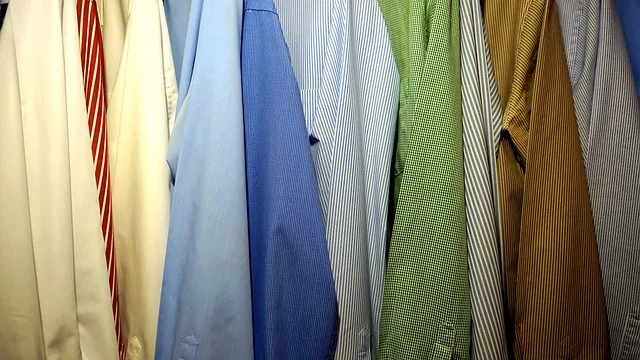
Invest in mid-weight crewneck or turtleneck sweaters in natural fibers like merino wool, cashmere, or cotton. A classic white or light blue poplin button-down shirt offers clean lines under knits or worn open over lightweight tank tops.
How do you combine colors and proportions for balanced outfits?
Creating visual harmony in an outfit relies on two foundational principles: controlling garment proportions and balancing color values.
The rule of proportions
When assembling an outfit, aim to pair opposing volumes. If you wear broad, wide-leg trousers on the bottom, pair them with a fitted or tucked top to maintain your waistline reference point. Conversely, if you choose an oversized knit or loose tunic sweater, pair it with slim trousers, straight jeans, or a structured column skirt to prevent the outfit from drowning your frame.
The three-color rule
To keep an outfit looking refined rather than cluttered, limit the main elements of your look to three distinct colors. For example, pair beige trousers with a white t-shirt and a dark navy blazer. Your shoes and handbag should echo one of those three colors to tie the entire combination together naturally.
How do you use accessories to finish an outfit?
Accessories act as functional anchors that personalize base garments. Rather than adding accessories as an afterthought, use them to introduce texture, structure, or contrast.

- Belts: A medium-width leather belt with a simple brass or silver buckle defines the waist on oversized dresses and secures high-waisted trousers.
- Jewelry: Choose a clear metal tone (warm gold, cool silver, or mixed metals) and focus on one accent area. If you wear statement earrings, opt for simple rings or a delicate chain. If you wear a bold cuff or stacked bracelets, keep neckwear minimal.
- Bags: Match your bag size to your daily requirements. A structured leather tote handles work essentials, a mid-sized crossbody bag keeps weekend outings hands-free, and a slim clutch fits evening occasions.
- Scarves: Silk or lightweight wool scarves add warmth and introduce subtle patterns into monochromatic base outfits.
What style mistakes ruin an outfit and how do you fix them?
Even with a strong wardrobe, small fit and maintenance errors can detract from your overall look. Recognizing these common pitfalls makes it easy to make minor adjustments that immediately improve your appearance.

1. Ignoring correct shoulder and hem fit
Garments that hang improperly off the shoulder seam or trousers that drag along the ground look sloppy regardless of fabric quality. Fix this by establishing a relationship with a local tailor to hem trousers to your primary shoe height and adjust sleeve lengths on jackets.
2. Over-relying on short-lived trends
Purchasing head-to-toe micro-trends creates an inconsistent wardrobe where pieces rarely match.
3. Sacrificing physical comfort for style
Wearing shoes that pinch or waistbands that dig in causes physical discomfort that affects your posture and confidence. Always choose the size that fits your largest measurement comfortably, and tailor down where needed.
4. Neglecting garment maintenance
Pilled knits, scuffed shoe leather, and wrinkled cotton ruin clean outfit lines. Maintain your clothes by using a fabric shaver on woolens, polishing leather shoes regularly, and steaming garments before wearing them.
Who does a structured style guide not suit?
While a structured approach to styling benefits most women, it is not ideal for everyone. Understanding these limitations helps you determine if this methodology fits your lifestyle.

- Strict uniform environments: If your daily routine requires specific clinical scrubs, heavy safety gear, or strict corporate uniforms, a curated civilian wardrobe style guide has limited daily application.
- Experimental or avant-garde dressers: Individuals who view fashion purely as fluid performance art or wearable sculpture may find body shape formulas and capsule constraints too restrictive for their creative goals.
- Rapid trend-driven wardrobes: If you prefer changing your entire look every few weeks based on social media cycles, a long-term wardrobe strategy centered on durable staples will feel limiting.
Frequently asked questions
What is the most important aspect of a style guide for women?
The most crucial aspect is defining your personal style based on your body proportions and actual daily routine. A great style guide provides a practical system for picking functional, comfortable garments that work together consistently.
How do I find my personal style if I feel completely lost?
Start by identifying the five items in your closet you wear most often and analyzing why they feel comfortable. Build a mood board of simple looks you admire, note recurring colors and fabrics, and focus on garments that suit your real daily schedule.
How many pieces should be in a capsule wardrobe?
A standard seasonal capsule wardrobe typically contains 30 to 40 items, including tops, bottoms, dresses, outerwear, and footwear. This size offers enough variety to create dozens of unique combinations without cluttering your closet.
Is it worth investing in high-quality basics?
Yes, investing in well-made core items like wool coats, leather footwear, and tailored trousers provides better long-term durability and drape. Quality fabrics hold their shape through repeated washing and wear, giving you a far better cost-per-wear value.
How can accessories refine a basic outfit?
Accessories add structure and color contrast to simple base layers. Adding a leather belt, structured handbag, balanced jewelry, or a scarf converts a plain jeans-and-tee combination into a deliberate, polished look.


