




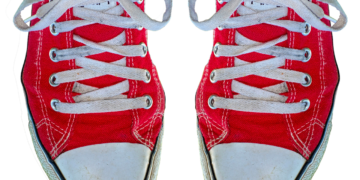






To lace Air Force 1s cleanly, start by threading flat 120 cm (47-inch) laces straight across the bottom eyelets from the outside in, then use either straight bar lacing for a deadstock look or classic crisscross for active support. For the popular loose untied style, keep even tension up through six eyelets and tuck or dangle the aglets.
The Nike Air Force 1, first introduced in 1982, remains a staple in streetwear and modern footwear collections. Its clean silhouette and thick rubber sole make it an ideal base for personal styling. How you thread your laces changes both the visual profile of the shoe and how securely it fits your foot.
Whether you wear Air Force 1 Lows, Mids, or Highs, choosing the right technique depends on whether you prioritize structured support, a factory-fresh aesthetic, or an effortless relaxed vibe. This guide covers step-by-step lacing methods, sizing considerations, troubleshooting heel slip, and maintaining lace appearance.
Which Air Force 1 lacing style should you choose?
Different lacing patterns suit different foot shapes, pant silhouettes, and comfort preferences. The table below compares the primary methods to help you decide which setup works best for your pair.
| Lacing Style | Visual Vibe | Foot Support | Best For | Recommended Lace Length |
|---|---|---|---|---|
| Straight Bar | Clean, minimal, deadstock | Moderate | Everyday wear, crisp low-top looks, wide feet | 120 cm (47 in) |
| Loose / Untied | Relaxed, casual streetwear | Low | Baggy jeans, short walks, oversized silhouettes | 120 cm or 140 cm |
| Classic Crisscross | Sporty, traditional, secure | High | Active walking, narrow feet, high arches | 120 cm (Low) / 140 cm (Mid/High) |
| Hidden Knot | Sleek, laceless appearance | Moderate | Minimalist styling, tailored trousers | 120 cm |
| Over-Under | Textured, structured | High | Reducing friction, long-term leather protection | 120 cm |
How to straight bar lace Air Force 1s for a clean deadstock look
The straight bar lace, often called the factory reset or deadstock look, creates crisp parallel lines across the tongue. It highlights the clean leather uppers of the Air Force 1 and avoids the clutter of crossing laces.
- Position the lace charm: Slide your silver metal dubrae (lace lock) onto the middle of the lace before threading. Thread both ends through the bottom eyelets from the outside in, ensuring the lace bar sits flat over the dubrae. Pull both ends straight up to verify equal length.
- Start the left side bar: Take the inside-left lace end and bring it straight up inside the shoe, poking it out through the second eyelet on the left side (inside to outside).
- Cross to make the first bar: Pull that same left lace end straight across the tongue and feed it into the second eyelet on the right side, pushing from the outside to the inside. You now have your first horizontal bar.
- Start the right side bar: Take the inside-right lace end (which is still at the bottom eyelet) and run it straight up inside the shoe, skipping the second eyelet and poking it out through the third eyelet on the right side (inside to outside).
- Cross the second bar: Take that right lace end straight across and insert it into the third eyelet on the left side, pushing from the outside in.
- Alternate up the shoe: Continue this alternating pattern. Each lace end travels up one internal notch on its own side before crossing over to the opposite eyelet. Pass through the fabric tongue loop on the fifth eyelet to keep the shoe tongue centered.
- Finish at the top: On an Air Force 1 Low (which typically has 6 or 7 eyelets), stop at the sixth eyelet. You can tie a neat bow or tuck the loose ends beneath the foam insole for an completely laceless exterior look.
Straight bar lacing works best with standard flat laces because they lie completely flat against the tongue without twisting. Because this pattern offers slightly less diagonal tension, it is comfortable for wide feet that require room across the midfoot.

How to loose lace Air Force 1s for an untied streetwear look
Loose lacing provides a relaxed silhouette that complements wide-leg trousers, cargo pants, and oversized shorts. Rather than tying a top bow, the laces hang freely at the top eyelets or terminate in subtle side knots.
- Thread the bottom eyelets: Thread the lace straight across the bottom eyelets from the outside in, keeping the lace tag centered. Ensure the lace ends are even.
- Crisscross loosely: Cross the left lace over to the second eyelet on the right, threading from the inside out. Repeat with the right lace to the second eyelet on the left. Maintain generous slack across the instep—do not pull tight after each cross.
- Thread through the tongue loop: Continue crossing up through eyelets three, four, and five. At the fifth eyelet, pass through the central tongue loop to prevent the tongue from sliding downward into the toe box while walking.
- Stop at the sixth eyelet: Pull the laces out through the sixth eyelet from inside to outside. Leave roughly 2 to 3 inches (5 to 8 cm) of lace tail hanging out on each side.
- Adjust the slack evenly: Place your foot in the shoe and wiggle your toes. Starting from the bottom bar, gently pull each cross outward so the entire lace bed has a uniform, relaxed curve with no severe tension points.
While loose lacing matches popular streetwear culture aesthetics, it reduces heel lock. If you experience excessive heel slipping, tighten the third and fourth eyelets slightly while leaving the top two eyelets loose, or use a thin silicone heel grip inside the back collar.
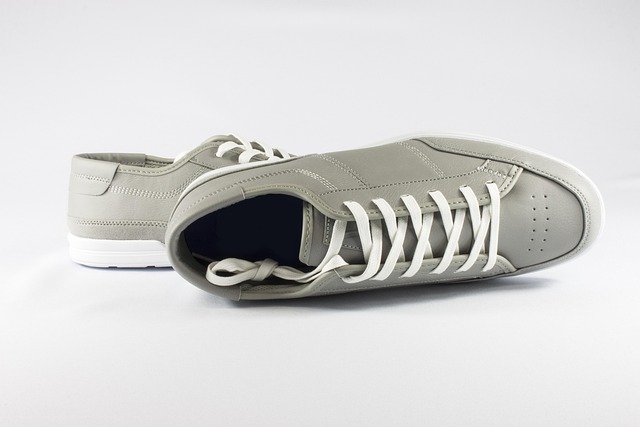
How to crisscross lace Air Force 1s for maximum comfort and support
The standard crisscross lace is the most functional method for all-day wear. It provides balanced lateral support, locks the heel into the footbed, and prevents the thick leather uppers from bowing outward during movement.
- Bottom bar setup: Push both ends of the lace through the bottom eyelets from the outside in. Pull both ends straight up to verify equal length.
- First crossover: Cross the right lace over the tongue and thread it through the left second eyelet from the inside out. Cross the left lace over the right lace and thread it through the right second eyelet from the inside out.
- Maintain consistent overlap: Decide which lace side crosses on top (e.g., right over left). Keep this consistent on every eyelet across both shoes for a balanced visual structure.
- Anchor the tongue: Pass both lace ends through the fabric lace loop on the tongue at the fifth eyelet before moving to the upper eyelets.
- Tie off: Tie a secure double knot at the top eyelet (the sixth on Lows, or seventh/eighth on Mids and Highs).
Crisscross lacing is ideal if you plan to walk long distances or if your Air Force 1s are slightly loose. The diagonal pull draws the eyestays tightly over the instep, securing the foot.
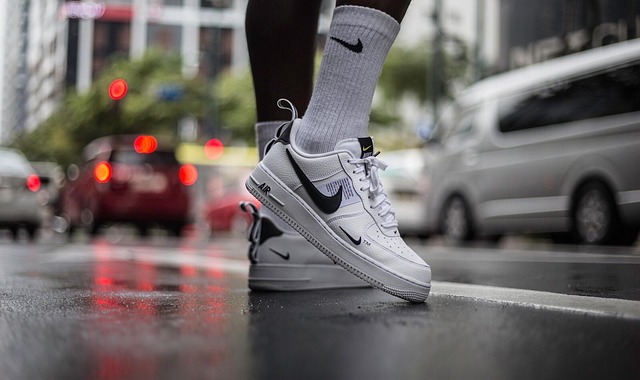
Creative and alternative lacing techniques for Nike Air Force 1s
Beyond standard methods, custom lacing styles let you adjust visual textures and shoe entry.
Over-under lacing
Over-under lacing alternates crossing over the eyelets and crossing under them. It reduces lace friction against the leather eyestays, making the shoe easier to tighten and loosen quickly. Start inside-out at the bottom, cross over on the outside to the second eyelet, then cross under on the inside to the third eyelet. Repeat to the top.
Diamond lacing
Diamond lacing creates decorative diamond geometric patterns down the center of the tongue. It requires threading across two eyelets at a time, crossing back under, and weaving through previous passes. While visually striking on monochromatic pairs, diamond lacing offers little flexibility and takes longer to adjust for foot entry.
Hidden knot lacing
To hide knots completely while maintaining a snug fit, lace the shoe using straight bar or crisscross up to the final eyelet. Push both lace ends inside the upper eyelets to the interior of the shoe. Tie a small knot on each lace end right behind the eyestay eyelet so it cannot slip back through, then trim excess length or tuck the ends under the removable Nike footbed.
Choosing the right lace length, width, and material
Using improper lace lengths results in oversized floppy bows or insufficient tail length for loose styles. Air Force 1 models vary in eyelet counts depending on top height.
| Air Force 1 Model | Eyelet Count | Standard Length | Loose / Untied Length |
|---|---|---|---|
| Air Force 1 Low | 6 – 7 Eyelets | 120 cm (47 in) | 120 cm – 140 cm (55 in) |
| Air Force 1 Mid | 8 Eyelets | 140 cm (55 in) | 160 cm (63 in) |
| Air Force 1 High | 8 – 9 Eyelets | 160 cm (63 in) | 180 cm (71 in) |

Lace material characteristics
- Flat Cotton (Standard): Standard issue on factory pairs. Soft, easy to tie, and provides reliable grip. Width is typically 8 mm.
- Waxed Cotton: Treated with a thin wax coating that repels dirt, keeps laces flat, and resists fraying. Gives a sleek finish to premium leather colorways.
- Rope Laces: Thick, round woven laces. Offers a outdoor or trail look, though they may slip loose more easily unless tied with a double knot.
- Leather Laces: Stiff, premium material suited for elevated dress-casual styling. Requires breaking in to stay knotted securely.
Common Air Force 1 lacing problems and how to fix them
Preventing twisted laces
Twisted laces ruin the sleek appearance of straight bar and deadstock styles. To keep flat laces smooth, flatten the lace between your thumb and forefinger before pulling it through each eyelet. If a twist occurs, hold the lace end firm at the tip and untwist the aglet before tightening the loop down.
Fixing uneven lace tails
If one side ends up longer than the other, do not unlace the entire shoe. Pull the slack sequentially from the bottom bar upward toward the side with the shorter tail, transferring 1–2 cm of length per cross until equalized.
Stopping tongue slanting
The thick padded tongue on Air Force 1s frequently shifts to the outer side of the foot when walking. Always thread your laces through the fabric lace loop located on the tongue (between the 4th and 5th eyelets). For loose lacing setups where the loop isn’t reached, lace through the loop in a crossover pattern to pin the tongue firmly to the instep.
Eliminating heel slip during loose lacing
When loose lacing, the heel can lift out of the back collar. To fix this without tying a tight bow, insert a set of silicone lace anchors (small flat clips that snap onto the lace behind the top eyelet) or keep the lower five eyelets snug while keeping only the top eyelet slack.
How to clean and maintain Air Force 1 laces
White Air Force 1 laces gather grime quickly around the metal eyelets and toe box. Keeping them clean preserves the fresh look of your sneakers.
- Remove laces completely from the shoes before cleaning.
- Submerge laces in warm water mixed with a tablespoon of mild laundry detergent or specialized sneaker cleaner.
- Scrub the laces between your palms or use a soft-bristle toothbrush to lift stubborn eyelet grease.
- For bright white cotton laces, soak in a mild solution of warm water and oxygen-based bleach for 20 minutes. Avoid chlorine bleach, which weakens fibers and leaves a yellow tint.
- Air dry laces flat. Do not machine dry, as high heat shrinks synthetic fibers and can melt plastic aglets.
If you pair your fresh Air Force 1s with relaxed streetwear denim like distressed jeans, ensure your denim hem rests right above the top lace bar to avoid indigo dye transfer onto white laces. See our guide on how to elevate your everyday footwear styling across different silhouettes How to Lace Vans: Elevate Your Style & Fit.
Frequently asked questions
What is the best lace length for Air Force 1 Lows?
The ideal lace length for Air Force 1 Lows is 120 cm (47 inches) for standard tying and straight bar lacing across 6 eyelets. If you plan to leave your laces untied with extra dangle, opt for 140 cm (55 inches).
How do I stop my Air Force 1 tongue from sliding to the side?
Thread both ends of your shoelaces through the built-in fabric loop on the mid-tongue before going through the 5th or 6th eyelets. This anchors the tongue centrally against your instep and stops it from shifting outward as you walk.
Should I use the top extra eyelet on Air Force 1s?
Most wearers leave the top eyelet empty on Air Force 1 Lows for better ankle mobility and a relaxed look. However, threading the top eyelet provides maximum heel containment and locks your foot down if the shoe feels slightly large.
How do you hide shoelace knots on Air Force 1s?
Lace your shoes up to the desired top eyelet, push both lace ends straight into the inside of the collar, and tie a flat knot behind the eyestay inside the shoe. Alternatively, tuck the remaining lace tails beneath the removable shoe insoles.


