








To lace sneakers effectively, pull the lace straight through the bottom eyelets, create equal working lengths, and route the ends upward using a crisscross pattern for daily support or a straight bar layout for a clean dress style. Adjust the tension gradually from the toe box to the ankle before securing the top knot.
Mastering how to lace sneakers allows you to customize foot support, prevent heel slippage, and alter the shoe’s overall visual profile. Whether you want to elevate a basic canvas shoe or secure a technical running sneaker, selecting the proper pattern makes an immediate difference in comfort and durability.
Why does sneaker lacing affect fit and appearance?
Lacing is the primary tension-management system of any laced shoe. It determines how closely the upper material conforms to your arch, heel, and forefoot. A poorly laced shoe creates pressure points across the instep or permits excessive motion, leading to blister formation and accelerated fabric wear.
Beyond functional support, lacing serves as a key visual detail in modern street style and fashion. Changing from a standard factory crisscross to a streamlined bar lace transforms a retro trainer into a minimalist dress sneaker. Customizing your pattern provides a quick method to personalize mass-produced footwear designs while addressing individual foot mechanics.
How to choose the correct lace length, width, and material
The right lace depends on the shoe’s eyelet count, eyelet spacing, and material build. Installing an incorrect length leaves excessive overhang or leaves you unable to complete a secure tie.
Standard lace lengths correspond directly to the number of eyelet pairs on the sneaker:
- 3 to 4 eyelet pairs: 27 to 36 inches (70 to 90 cm), typical for low-top deck shoes and minimalist tennis shoes.
- 5 to 6 eyelet pairs: 45 inches (115 cm), standard for classic low-top lifestyle models.
- 7 to 8 eyelet pairs: 54 inches (137 cm), common on mid-tops and standard retro basketball sneakers.
- 9 to 10 eyelet pairs: 63 to 72 inches (160 to 180 cm), required for high-top boots and extended-collar athletic shoes.
Lace materials and shapes also alter both performance and aesthetic:
- Flat Cotton: Offers high surface friction, making knots resistant to slipping. Ideal for canvas shoes and everyday casual wear.
- Waxed Cotton: Treated with a thin wax coating that resists dirt, adds structure, and provides a polished finish for leather sneakers.
- Round or Oval Polyester: Highly durable and moisture-resistant with subtle stretch. Standard on athletic runners and hiking hybrids.
- Aglet Construction: The plastic or metal tip at the end of the lace. Metal aglets prevent fraying and add weight that improves drape on un-tied styles.
Matching the lace to the eyelet count is essential. According to a 2026 survey by LaceUp Brands, 69% of sneaker owners admit to using incorrectly sized laces, impacting both comfort and style. Measuring your original laces before purchasing replacements prevents fitting mistakes.
Step-by-step guide to traditional crisscross lacing
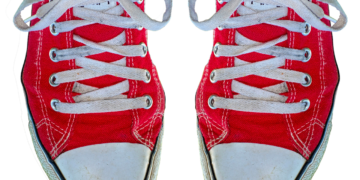
Crisscross lacing is the most versatile and resilient pattern for general wear. It spreads tension evenly across the instep and adapts smoothly to variations in foot volume during movement. This pattern works on both odd and even eyelet counts, making it the top choice for fashion-forward sneakers and daily beaters alike.
- Start at the base: Insert the lace straight through the bottom pair of eyelets from the outside in or inside out, ensuring equal lace length on both sides.
- Cross the first diagonal: Take the left lace, cross it over the tongue, and thread it into the second eyelet up on the right side from the inside out.
- Cross the opposite side: Take the right lace, cross it over the left lace, and thread it into the second eyelet up on the left side from the inside out. Maintain a consistent overlap rule (such as always crossing the right lace over the left) across all eyelets for a clean, uniform look.
- Engage the tongue centering loop: When reaching the eyelets level with the tongue slot or lace loop, pass one or both laces through it before crossing to the opposite side to prevent tongue drift.
- Finish at the top: Continue alternating sides up to the final top eyelet. Pull gently on each cross section from the toe box upward to ensure smooth, uniform tension before knotting.
How to execute a clean straight bar lace
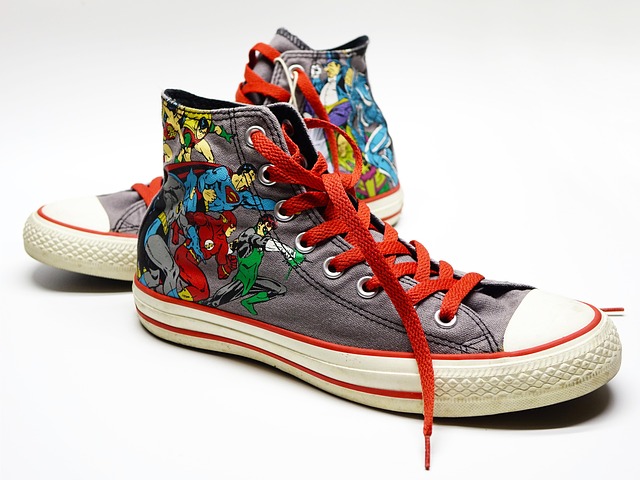
The Straight Bar Lace delivers a horizontal, uncluttered appearance that hides diagonal crossover lines beneath the eyelet stays. It is particularly popular on clean, low-profile leather sneakers like the Adidas Samba or Nike Dunk Low. It functions best on shoes with an even number of eyelets.
Follow these specific steps to achieve a perfectly symmetrical bar lace:
- Initial Setup: Start by threading the lace straight across the bottom-most eyelets, from the outside in. Ensure both ends of the lace are equal in length on the inside of the shoe.
- First Bar: Take the left lace end and feed it straight up the inside to the second eyelet from the bottom. Then, thread it straight across horizontally to the second eyelet on the right side, from the outside in.
- Second Bar: Now take the right lace end (which is still on the inside at the bottom) and feed it straight up the inside, skipping one eyelet, to the third eyelet from the bottom. Thread it straight across horizontally to the third eyelet on the left side, from the outside in.
- Alternating Pattern: Continue this alternating pattern. The lace emerging from an eyelet on the inside will always skip one eyelet and go up to the next available eyelet on the same side, then cross horizontally. The key is to keep the horizontal bars on the outside and the vertical lace segments hidden inside.
- Final Adjustment: Once all eyelets are laced, gently pull each bar to even out the tension. The goal is a clean, uniform look with no visible diagonal lacing.

While straight bar lacing looks clean, it is harder to adjust individual eyelet tension on the fly compared to crisscross lacing. Avoid this pattern if you require tight lockdown across a high instep during active sports.
How to lace for athletic performance and heel lock
If your heel slips out of your running or training shoes, standard lacing patterns often fall short regardless of how hard you tie the top knot. Performance lacing, specifically the Runner’s Loop (also known as Lock Lacing), utilizes the extra top eyelet found on technical running shoes to anchor the heel directly against the shoe counter.
According to a 2026 review on athletic footwear mechanics, optimizing lace tension can reduce peak plantar pressures by up to 15%, improving comfort and reducing fatigue during extended activity. Securing the rearfoot prevents micro-slippage, which causes friction blisters and toe slamming against the front toe box during downhill runs or lateral movements.
To tie a Runner’s Loop:
- Lace your sneakers using a traditional crisscross pattern up to the second-to-last eyelet.
- Take the lace on the right side and insert it straight up into the top extra eyelet on the same side from the outside in, creating a small loop on the exterior.
- Repeat on the left side, creating a matching exterior loop on the top left eyelet.
- Cross the left lace end over and feed it through the loop on the right side. Cross the right lace end over and feed it through the loop on the left side.
- Pull both lace ends down and backward toward your heel to cinch the loops tightly against the collar, locking your ankle down securely before tying your knot.
How to style loose lacing for streetwear
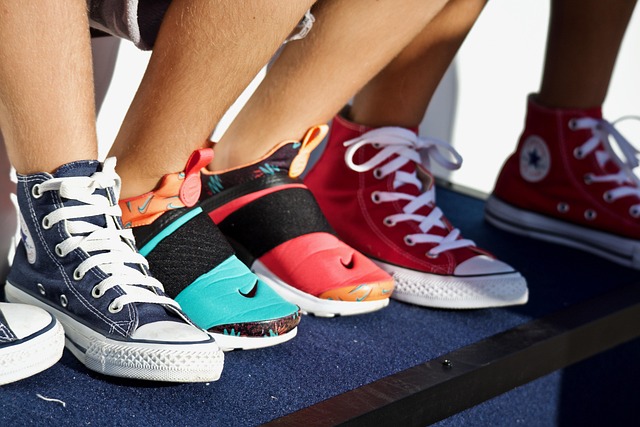
Loose lacing is a staple aesthetic in contemporary streetwear, frequently seen on high-top silhouettes such as the Nike Air Jordan 1, Nike Dunk High, and Converse Chuck 70. The objective is an intentional, relaxed drape where the laces remain loose enough that the shoe can be slipped on and off without untying.
To achieve a balanced loose lace that stays neat:
- Lace the sneaker using a loose crisscross pattern, starting from the toe box with light, relaxed tension.
- Leave generous slack through the midfoot and upper collar so the tongue can rest forward naturally.
- Stop lacing at the second-to-last or top eyelet, leaving approximately 2 to 3 inches of lace tail on each side.
- Allow the lace tips to hang freely outside the eyelets, or tie small overhand stopper knots at the ends of each tip so they do not slip back through the eyelets.
This style provides ventilation and ease of wear for light walking, but it eliminates heel lockdown. It is not suitable for running, court sports, or long-distance walking where foot support is essential.
How to adjust lacing for wide feet and high insteps
Foot discomfort often stems from lacing over sensitive anatomical areas rather than shoe sizing issues. Two specialized modifications help accommodate wide forefeet and high insteps without compromising overall shoe stability.
Skip lacing for high insteps
High insteps create excess pressure directly on top of the midfoot bones. Skip lacing (or window lacing) relieves this localized tightness:
- Lace the bottom portion of the sneaker using standard crisscross up to the area where pressure occurs.
- Instead of crossing over to the opposite side, thread the lace straight up to the next eyelet on the same side. This creates an open “window” over the middle of your foot.
- Resume normal crisscross lacing above the sensitive area up to the top collar.
Parallel lacing for wide feet
If your forefoot feels squeezed across the ball of your foot, avoid crossing the laces over the first two eyelet rows. Thread straight up the sides for the first row, then begin crisscross lacing from the second or third eyelet upward. This gives the toe box room to expand sideways without spreading the entire throat of the shoe open.
Comparing sneaker lacing methods
Different lacing styles yield distinct trade-offs between visual neatness, tension adjustment, heel stability, and foot pressure distribution. The table below compares the primary lacing patterns:
| Lacing Style | Aesthetic | Comfort / Fit | Security |
|---|---|---|---|
| Straight Bar | Clean, minimalist, sophisticated | Good, but harder to adjust tension evenly | Moderate, can loosen if not knotted well |
| Crisscross | Classic, versatile, traditional | Excellent, easy to adjust tension, flexible | High, very secure when tied |
| Runner’s Loop (Performance) | Functional, athletic, bulky knot | Excellent for heel lock, pressure relief | Very High, prevents slippage |
| Loose Lacing (Streetwear) | Relaxed, effortless, fashion-forward | Minimal support, very relaxed | Low, prone to slipping off |
Specific recommendations for iconic sneaker silhouettes
Matching your lacing method to the construction of your shoe enhances both comfort and design integrity across different footwear categories.
High-top retro sneakers
Silhouettes like the Nike Air Jordan 1 feature ankle collars designed for basketball support. For streetwear styling, unlace the top eyelet and use a loose crisscross pattern with original flat cotton laces to allow natural ankle movement. For historic context on these iconic designs, see 8 Air Jordans: A Look at Iconic Sneakers.
Minimalist low-top leather sneakers
Clean leather low-tops like the Adidas Stan Smith or Oliver Cabell Low 1 look best with Straight Bar Lacing. Use thin, waxed cotton flat laces that lay flat across the tongue. Ensure you regularly clean your laces to maintain the crisp, uniform aesthetic of pristine white sneakers Designer Shoes: Worth the Splurge?.
Performance running and specialty sports shoes
Technical running shoes and sneakers repurposed for specific sports like golf or tennis demand structural hold. Stick with high-friction oval or round polyester laces and employ a Runner’s Loop at the ankle to maintain lateral control across uneven turf or pavement.
Common lacing mistakes and how to fix them
Small errors in lacing technique can degrade fit, shorten lace lifespan, and ruin the appearance of your footwear.
- Uneven tension distribution: Pulling only the top loops tight creates severe pressure on the upper instep while leaving the toe box loose. Work from the bottom eyelets upward, tugging each cross section gently before moving to the next.
- Ignoring the tongue loop: Skipping the center loop on the tongue allows the tongue to drift sideways during walking, leading to lace bite and collar irritation.
- Mismatched lace width and eyelet size: Thin round laces in large metal eyelets look sparse and slip easily; wide flat laces jammed into tiny eyelets bunch up and crease. Ensure lace width matches eyelet diameter.
- Tying square knots incorrectly: If your shoe knot turns vertically along the shoe rather than lying horizontally across the tongue, you are tying a granny knot. Reverse the direction of your initial cross over before looping to create a flat, secure square knot that will not untie during daily wear.
Frequently asked questions
What is the most secure way to lace sneakers?
The Crisscross Lacing method, when combined with a strong, traditional square knot or a surgeon’s knot, offers excellent security. For athletic use, incorporating a Runner’s Loop at the top eyelets further locks the heel in place, preventing slippage and providing maximum stability during movement.
Can different lacing styles affect foot health?
Yes, improper lacing can lead to foot discomfort, pressure points, and even issues like nerve compression. Lacing styles that distribute tension evenly, like the Crisscross method, are generally better for overall foot health compared to overly tight or uneven lacing that restricts circulation or creates hot spots.
How often should I change my shoelaces?
The frequency depends on wear and tear. For daily-worn sneakers, laces might need replacing every 6 to 12 months due to fraying, stretching, or discoloration. Laces on performance shoes need replacement if they lose elasticity or show structural wear that reduces support.
What is the best lacing for wide feet?
For wide feet, skip-lacing techniques provide targeted relief. This involves intentionally skipping eyelets over the widest part of the foot or running laces straight up the bottom eyelets before starting a wide crisscross pattern, giving the forefoot room to expand naturally.
How do sneaker eyelet counts influence lacing choices?
Sneaker eyelet counts significantly influence lacing options. Even numbers (such as 6 or 8 eyelets) are ideal for the clean Straight Bar Lace. Odd numbers (such as 5 or 7 eyelets) look best with Crisscross Lacing, as it naturally balances the lace ends at the collar.


