
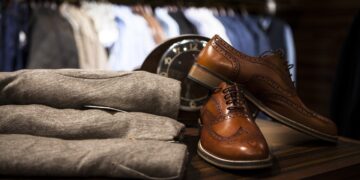



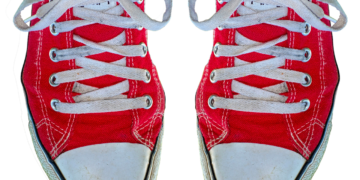
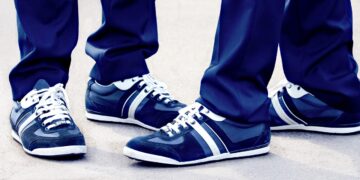







To dress streetwear, balance loose, oversized fits with structured foundational pieces, using sneakers as the anchor for your entire outfit. Layer contrasting textures like heavyweight cotton tees, boxy hoodies, and utility trousers while keeping color palettes simple to maintain a deliberate, polished silhouette.
While streetwear was once defined primarily by skate culture and graphic tees, modern street style prioritizes fit, texture, and personal styling over loud branding. Whether you are building an outfit around vintage denim or a minimalist hoodie, understanding how proportions and fabrics interact turns an ordinary casual outfit into a cohesive look.
How do you balance proportions and silhouettes in streetwear?
Mastering street fashion relies on intentional proportions. Oversized garments are essential to the aesthetic, but wearing entirely loose clothing without structure often looks sloppy rather than stylish. The main objective is creating controlled contrast between the top and bottom halves of your body.
Follow these core silhouette guidelines when styling an outfit:
- Loose top with a structured bottom: Pair a boxy, dropped-shoulder hoodie with straight-leg denim or slightly tapered trousers. The structured hem of the pants cleans up the silhouette while allowing the top to relax naturally.
- Baggy bottom with a fitted top: Combine wide-leg cargo pants or loose jeans with a standard-fit tee, a cropped jacket, or a tucked-in base layer. This prevents extra fabric around your legs from swamping your upper frame.
- Heavyweight fabric drape: Avoid thin, clingy materials. Look for tops made from heavyweight cotton (240 GSM or higher) and hoodies crafted from dense French terry or fleece. Heavy fabrics hold their own structure, draping cleanly over your body instead of sagging.
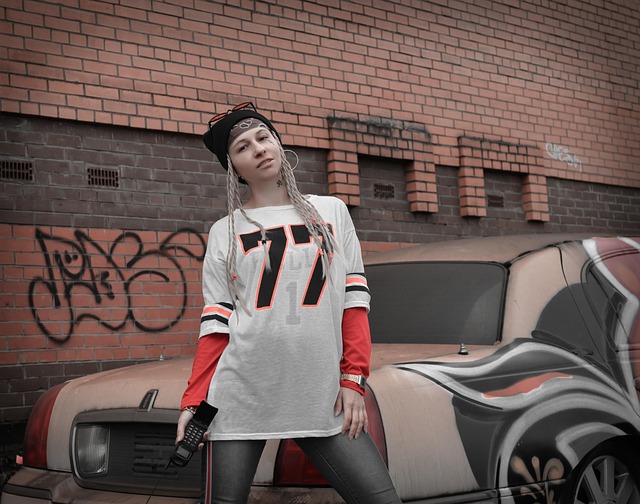
What foundational pieces do you need for a streetwear wardrobe?
Building a street style wardrobe requires versatile basics that serve as a foundation for multiple outfits. Rather than buying high-priced trend items, start with sturdy, adaptable garments that mix easily across different outfits.
- Heavyweight oversized t-shirts and hoodies: Look for boxy cuts with dropped shoulders and tight collar bands. A quality hoodie should stay firm at the waistband and cuffs while providing generous width through the chest and sleeves. Brands ranging from Fear of God Essentials to smaller independent labels excel at these structured cuts.
- Relaxed and straight-leg denim: Modern street style favors classic mid-wash, dark-wash, or washed black jeans over skinny fits. Look for mid-to-heavyweight denim that stacks naturally over your sneakers without bunching aggressively. For details on washed or torn denim, see Amiri Jeans: Decoding the Distressed Denim Icon for denim styling guidelines, or review how to pair distressed pants with clean tops.
- Utility cargo pants: Cargo trousers offer immediate texture and visual interest through external pockets and industrial hardware. Tones like olive green, dark grey, tan, and black match almost any sneaker and jacket combination.
- Versatile outerwear: Bomber jackets, canvas work jackets, utility vests, and oversized puffers form the top layer of your outfit. Outerwear adds functional warmth while framing your inner layers.
- Anchor footwear: Your shoes set the tone for the entire look. Whether you prefer retro basketball silhouettes, clean white leather classics, or technical trail runners, your footwear must balance the visual weight of your pants. You can read our guide on Best Streetwear Brands 2026: Curating Your Modern Wardrobe to explore current labels, check techniques on lacing your force sneakers cleanly, or check current sneaker trends to match leg openings to shoe profiles.

How do you layer streetwear for depth and texture?
Layering is one of the most effective techniques in street fashion. It adds depth, introduces subtle color accents, and creates clean vertical lines across your body.
To layer effectively without adding bulk, follow a three-tier setup:
- Base layer: A plain white or neutral heavyweight t-shirt that extends 1 to 2 inches below your mid-layer hem. This slight peek of fabric breaks up solid color blocks between your top and pants.
- Mid-layer: An unbuttoned flannel shirt, a full-zip hoodie, or an oversized crewneck sweater. This layer provides warmth while creating a vertical line down the center of your torso.
- Outer layer: A structured jacket, such as a denim trucker coat, leather bomber, or trench coat. The outer layer should fit comfortably over your mid-layer without pulling across the shoulders or underarms.
Pay close attention to necklines and hem lengths. Combining a high-neck crew shirt under a quarter-zip sweater or an open camp-collar shirt creates structured focal points near your face without feeling cluttered.
Which streetwear style sub-genre matches your aesthetic?
Streetwear branches into several sub-genres, each with specific silhouettes, functional priorities, and footwear choices. Identifying which aesthetic fits your routine helps keep your wardrobe practical and cohesive.
| Style Sub-Genre | Key Aesthetic | Essential Garments | Best Footwear Match | Style Trade-Off |
|---|---|---|---|---|
| Workwear / Utility | Durable, rugged, heritage-focused silhouettes | Duck canvas jackets, double-knee pants, utility vests | Work boots, retro suede sneakers | Heavy canvas fabrics feel rigid until fully broken in |
| Techwear | Futuristic, weather-resistant, sleek design | GORE-TEX jackets, articulated cargos, tactical bags | Trail runners, waterproof technical sneakers | Technical fabrics can look costume-like if over-styled |
| Skate / Vintage | Casual, comfortable, 1990s retro aesthetic | Boxy graphic tees, faded wide-leg denim, flannel shirts | Low-top vulcanized skate shoes, retro basketball shoes | Washed vintage cotton requires gentle washing to prevent shrinking |
| High-Fashion Hybrid | Polished, tailored, luxury-meets-street design | Tailored blazers over hoodies, wool trousers, minimal tees | Luxury leather sneakers, minimal cupsole shoes | Higher financial investment for structured tailored outerwear |
How do you select sneakers and accessories?
Sneakers and accessories complete an outfit by grounding loose fits and tying color choices together. Your footwear choice dictates the break of your trousers and the overall balance of your lower body.
When selecting footwear, match the sneaker’s bulk to your pant leg opening:
- Wide-leg or heavy cargo pants: Pair best with chunky retro basketball shoes, retro runners, or thick-soled sneakers. A slim shoe gets swallowed by wide leg openings, making your feet look disproportionately small.
- Straight or slightly tapered pants: Pair best with low-profile leather sneakers, canvas low-tops, or minimalist running shoes. The clean hem drop allows the profile of the footwear to stay visible.
Keep accessories intentional and lightweight. A monochrome beanie or structured baseball cap frames your facial features and balances heavy upper-body layering. Minimal silver or gold chains add texture against solid cotton tees without cluttering the neckline. If you are exploring regional West Coast influences, see our Valley Hoodie: Your Guide to West Coast Streetwear for styling context.
What are 3 simple streetwear outfit formulas to start with?
If you are unsure how to assemble an outfit from scratch, use these three proven templates as daily starting points:
- Formula 1: The Everyday Boxy Fit
Combine a boxy, solid-color heavyweight t-shirt with straight-leg mid-wash denim. Finish the outfit with low-top leather sneakers and a neutral baseball cap. This combination relies on clean drape and correct sleeve length rather than loud patterns. - Formula 2: The Layered Utility Look
Wear olive green cargo pants with an oversized grey zip-up hoodie layered over a plain white base tee. Top the hoodie with a heavy canvas work jacket and chunky retro runners for an adaptable, functional style suitable for cooler weather. - Formula 3: The Smart-Casual Hybrid
Pair relaxed charcoal wool trousers or dark-wash straight jeans with a minimalist crewneck hoodie. Layer an unlined trench coat or tailored long coat over the hoodie, finishing with clean low-profile white sneakers (see How to Get Clear, Beautiful Skin: Avoiding Common Pitfalls for smart-casual sneaker guidelines).
What common streetwear mistakes should you avoid?
Avoiding common mistakes ensures your outfits remain clean, intentional, and comfortable throughout the day.
- Confusing oversized cuts with incorrect sizing: Garments designed with an oversized fit have wider chest measurements and dropped shoulder seams while keeping sleeve and torso lengths proportional. Buying standard clothes two sizes larger simply creates excessively long sleeves and a dragging hem.
- Excessive logo placement: Wearing multiple bold brand logos simultaneously creates visual chaos. Choose one graphic tee or branded jacket as your focal point, keeping the surrounding items solid and unbranded.
- Ignoring shoe maintenance: Scuffed, dirty outsoles pull visual focus away from well-coordinated clothing. Keep your leather sneakers clean and store suede pairs away from moisture.
- Over-accessorizing: Wearing a hat, sunglasses, multiple heavy chains, a cross-body bag, and rings at the same time overwhelms your outfit. Pick two key accessories to support your clothing.
- Chasing fleeting micro-trends: Buying hyper-specific trending items causes your wardrobe to age quickly. Invest primarily in timeless foundational cuts and add trendy items sparingly.
How do you adapt streetwear across seasons?
Street style adapts easily to summer heat or winter cold through deliberate fabric selection and layer adjustments. According to Vogue Business’s 2026 trend forecast, fluid layering and performance textiles keep street garments versatile across shifting weather conditions.

Use this seasonal breakdown to guide your garment choices throughout the year:
| Element | Spring/Summer Focus | Autumn/Winter Focus |
|---|---|---|
| Tops | Oversized graphic tees, mesh tanks, light button-ups | Heavy hoodies, flannel shirts, turtlenecks, crewnecks |
| Bottoms | Cargo shorts, relaxed denim shorts, lightweight baggy jeans | Heavyweight cargo pants, dark-wash baggy jeans, corduroy trousers |
| Outerwear | Lightweight windbreakers, denim jackets, utility vests | Puffer jackets, parkas, oversized wool coats, fleece jackets |
| Footwear | Low-top sneakers, slides, canvas shoes | High-top sneakers, durable boots, waterproof options |
| Accessories | Baseball caps, sunglasses, lighter chains | Beanies, scarves, heavier chains, tactical bags |
Frequently asked questions
What are the essential streetwear brands for beginners?
For beginners, focus on accessible brands known for durable basics and clean cuts. Brands like Nike, Adidas, Carhartt WIP, and independent labels provide quality oversized tees, hoodies, and utility trousers that serve as solid starter pieces before you invest in high-end streetwear.
How can I make streetwear look more sophisticated?
Incorporate tailored structured outerwear, such as long wool coats or unlined blazers, over minimalist hoodies and plain heavyweight tees. Choose monochromatic color palettes, premium unbranded fabrics, and clean leather footwear to maintain an elevated aesthetic.
Can I wear streetwear to a semi-formal event?
Streetwear is inherently casual, so traditional streetwear outfits are not suitable for formal dress codes. However, dark, well-fitted trousers paired with a high-neck shirt, an unstructured jacket, and clean minimal leather sneakers can work in relaxed, smart-casual settings.
What is the difference between streetwear and casual wear?
Casual wear encompasses any relaxed clothing designed purely for daily convenience, such as standard jeans and plain shirts. Streetwear is a deliberate styling subculture rooted in skate, surf, and urban cultures, characterized by distinct oversized proportions, sneaker emphasis, and functional utility details.
How do I integrate sustainable practices into my streetwear wardrobe?
Focus on buying durable, heavyweight cotton garments and vintage denim that withstand repeated wear without losing shape. Thrifting vintage jackets, repairing worn denim, and buying higher-quality foundational pieces reduces garment turnover and keeps low-quality items out of landfills.


