









An effective hair loss treatment for women requires identifying the root cause—such as androgenetic alopecia, telogen effluvium, or hormonal shifts—and applying targeted interventions. Top evidence-based options include topical minoxidil, oral anti-androgens like spironolactone, low-level laser light therapy, and platelet-rich plasma (PRP) injections, alongside dietary corrections.
Female hair thinning differs significantly from male pattern baldness. While men frequently experience a receding hairline and localized crown baldness, women typically encounter diffuse thinning across the top of the scalp and a widening central part. Understanding the primary cause behind your hair loss dictates which treatment protocol will restore density and prevent further shedding.
Why is your hair thinning? Identifying the underlying causes
Hair loss in women stems from multiple physiological and external factors. Because hair follicles are sensitive to systemic health, even slight shifts in hormones, nutrition, or stress levels alter the natural hair growth cycle.
Female pattern hair loss, clinically termed androgenetic alopecia, is the most common cause of progressive hair thinning. In this genetic condition, hair follicles are overly sensitive to circulating androgens. Over time, hair follicles shrink (miniaturize), producing finer, shorter hair strands until the follicle ceases growth entirely.
Hormonal fluctuations represent another major trigger. Conditions such as polycystic ovary syndrome (PCOS), thyroid dysfunctions (hypothyroidism or hyperthyroidism), perimenopause, and menopause alter hormone ratios, weakening hair roots. Physical milestones like childbirth trigger rapid hormonal drops, leading to temporary shedding known as postpartum hair loss.
Telogen effluvium occurs when physical or emotional shocks force a large percentage of growing hair follicles prematurely into the resting (telogen) phase. Rapid weight loss, high fevers, severe stress, major surgery, or severe nutritional deficits often precipitate this diffuse shedding two to four months after the event.
Nutritional shortfalls directly impact hair follicle function. Low iron reserves (ferritin), vitamin D deficiencies, inadequate protein intake, and insufficient zinc impair keratin synthesis. Seeking reliable guidance on systemic conditions, such as general hair loss guidelines, helps narrow down systemic root causes.
Autoimmune issues like alopecia areata cause the immune system to attack hair follicles, producing smooth, round patches of loss. Meanwhile, mechanical pressure from tight ponytail styles or heavy extensions can lead to traction alopecia, damaging hair shafts and roots over time. Evaluating these drivers allows you to align targeted treatments with your specific scalp needs while managing systemic health.
Which hair loss treatment for women actually works?
Evaluating hair loss treatments for women requires comparing clinical efficacy, required commitment, potential side effects, and overall suitability. The table below outlines how primary medical and procedural options compare.
| Treatment | Primary Mechanism | Best For | Expected Timeline | Key Considerations |
|---|---|---|---|---|
| Topical Minoxidil (2% or 5%) | Vasodilation; expands growth phase | Androgenetic alopecia, general thinning | 4 to 6 months | Requires daily long-term application; temporary shedding may occur early on |
| Oral Spironolactone | Blocks androgen receptors; lowers DHT | Hormonal hair loss, PCOS-related thinning | 6 to 9 months | Prescription only; requires blood pressure and potassium monitoring |
| Low-Level Laser Therapy (LLLT) | Photobiomodulation; stimulates cellular ATP | Mild to moderate genetic thinning | 4 to 6 months | Requires consistent 3 to 4 weekly sessions; high upfront device cost |
| Platelet-Rich Plasma (PRP) | Concentrated growth factor injections | Early-stage thinning, recalcitrant shedding | 3 to 6 months | In-office medical procedure; requires multiple initial sessions and upkeep |
| Off-Label Finasteride / Dutasteride | Inhibits 5-alpha reductase enzyme | Postmenopausal genetic thinning | 6 to 12 months | Strictly contra-indicated in women of childbearing potential |
How to use topical minoxidil effectively
Topical minoxidil remains the standard over-the-counter hair loss treatment for women. It acts as a potassium channel opener and vasodilator, improving microcirculation around shrunken hair follicles and encouraging them to transition from resting to active growth.

Choosing between 2% solution and 5% foam
Minoxidil is available in liquid solutions and foam formulations.
Step-by-step application instructions
- Start with a dry scalp: Ensure your scalp and hair are completely dry before applying minoxidil. Water can dilute the formula and alter absorption rates.
- Part your hair into sections: Divide your hair into 4 to 6 parallel parts across the top and crown of your head to expose affected scalp areas.
- Apply the exact recommended dose: Measure half a capful of 5% foam or 1 mL of 2% liquid solution onto your fingers or directly onto the scalp.
- Gently massage into the scalp: Lightly rub the product into the exposed scalp areas where thinning is visible. Avoid spreading it onto your forehead or face.
- Wash your hands thoroughly: Clean your hands with warm water and soap immediately to prevent accidental transfer to other body parts.
- Allow the scalp to dry completely: Let minoxidil dry for at least 2 to 4 hours before lying down, styling with hot tools, or applying styling products.
Managing initial shedding and expectations
Within the first 2 to 6 weeks of initiating minoxidil, you may experience an increase in hair shedding. Known as the initial shed, this process occurs because minoxidil pushes resting, telogen-phase hairs out of the follicle to begin a new growth (anagen) cycle. Discontinuing treatment during this shedding period disrupts the cycle and prevents new, thicker strands from growing.
Minoxidil requires continuous long-term application. If you stop applying the product, the newly sustained hair follicles gradually revert to their genetic thinning pattern, and hair density returns to baseline within 3 to 4 months.
Who minoxidil is not for
Topical minoxidil is not recommended for women who are pregnant, planning to become pregnant, or nursing. It is also unsuitable if your hair loss is sudden, patchy, or accompanied by red, painful, or inflamed scalp skin. Individuals with cardiovascular conditions or sensitivity to severe blood pressure drops should consult a physician before starting minoxidil.
When do you need prescription medications?
When over-the-counter options fail to slow hair thinning or when hair loss is driven by underlying hormonal conditions, dermatologists may prescribe oral medications.

Spironolactone for hormonal hair loss
Spironolactone is an oral potassium-sparing diuretic with strong anti-androgenic properties. It competes with dihydrotestosterone (DHT) for binding sites on androgen receptors in hair follicles and reduces overall androgen production in the ovaries and adrenal glands. It is frequently prescribed for women with androgenetic alopecia, especially those with hyperandrogenism, PCOS, or hormonal adult acne.
Dosages typically range from 50 mg to 200 mg daily. Common side effects include electrolyte shifts (elevated potassium levels), irregular menstrual cycles, frequent urination, mild dizziness, and breast tenderness. Blood pressure and serum potassium levels must be evaluated during treatment.
Off-label 5-alpha reductase inhibitors
Finasteride and dutasteride inhibit the 5-alpha reductase enzyme responsible for converting testosterone into the more potent androgen DHT. While these medications are primary treatments for male pattern hair loss, dermatologists sometimes prescribe higher doses off-label for postmenopausal women with severe androgenetic alopecia.
These oral medications carry severe teratogenic risks and can cause fetal defects. Consequently, they are strictly prohibited in women of childbearing age unless accompanied by absolute, dual-method contraception protocols.
Oral minoxidil at low doses
Low-dose oral minoxidil (typically 0.25 mg to 1.25 mg daily) has emerged as an alternative for women who suffer from severe scalp contact dermatitis from topical minoxidil or who struggle with daily topical compliance. Oral minoxidil promotes hair follicle vascularity systemically. It requires medical monitoring for potential blood pressure fluctuations, fluid retention, or hypertrichosis (unwanted hair growth on facial or body areas).
Are in-office and procedural therapies worth it?
Procedural hair restoration offers secondary options for women seeking to amplify medical treatments or address refractory thinning.
Platelet-Rich Plasma (PRP) therapy
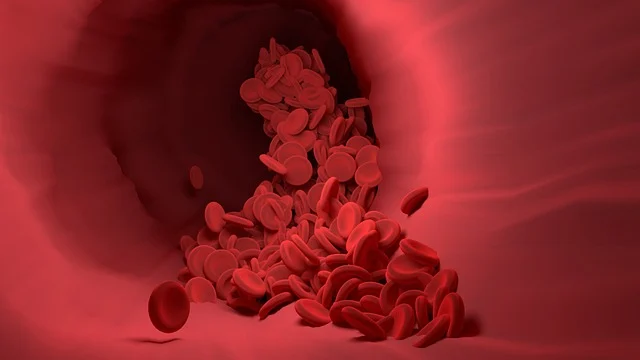
PRP therapy utilizes concentrated growth factors harvested directly from your blood. A medical professional draws a standard blood sample, places it into a centrifuge to isolate platelet-rich plasma from red and white blood cells, and injects the plasma into the scalp at follicle depth.
The growth factors released by platelets—including vascular endothelial growth factor (VEGF) and platelet-derived growth factor (PDGF)—stimulate follicle cell division, reduce local inflammation, and extend the active growth phase. A standard protocol consists of 3 to 4 initial injection sessions spaced 4 to 6 weeks apart, followed by maintenance treatments every 6 to 12 months.

Low-Level Laser Therapy (LLLT)
LLLT devices—such as red light caps, helmets, and combs—emit coherent light wavelengths between 630 nm and 670 nm. This red light penetrates the scalp to reach hair follicle cells, where it is absorbed by cytochrome c oxidase within the mitochondria. This photobiomodulation process increases adenosine triphosphate (ATP) cellular energy production, boosting cellular metabolism in dormant follicles.
LLLT requires strict consistency, typically 15 to 30 minutes per session, 3 to 4 times per week. While safe, non-invasive, and painless, LLLT provides modest results and works best when paired with medical therapies like minoxidil or spironolactone rather than as a standalone solution.
Hair transplant surgery for women
Surgical hair transplantation involves removing healthy, permanent hair follicles from a donor area (usually the back of the head) and grafting them into thinning zones. However, many women with diffuse female pattern thinning are poor candidates for transplantation because diffuse loss weakens donor areas as well. Women with stable localized loss, traction alopecia, or frontal hairline regression are better suited for surgical evaluation.
How do nutrition and scalp care support regrowth?
Medical treatments function best when supported by correct nutritional building blocks and gentle scalp hygiene. Addressing underlying systemic deficiencies is necessary to sustain newly generated hair fibers.
Addressing essential nutritional deficiencies
Hair follicle cells are among the fastest-dividing cells in the human body, making them acutely sensitive to nutrient shortages. Correcting key nutritional levels ensures structural hair growth:
- Iron and Ferritin: Ferritin reflects your body’s stored iron levels. Serum ferritin levels below 50–70 ng/mL can trigger persistent hair shedding even in the absence of clinical anemia.
- Vitamin D3: Vitamin D receptors play a crucial role in cycling hair follicles. Low levels are strongly linked to both telogen effluvium and alopecia areata.
- Zinc and B-Vitamins: Zinc is vital for protein synthesis and tissue repair. Biotin and Vitamin B12 support red blood cell formation and cellular metabolism. (Note that biotin supplements can interfere with lab blood tests, including thyroid panels, and should be paused before bloodwork).
- Dietary Protein: Hair shafts consist primarily of keratin protein. Consuming adequate daily protein ensures your body has the necessary amino acids for hair construction.
Scalp care and gentle maintenance practices
Maintaining a clean, balanced scalp environment prevents follicle inflammation caused by excess sebum and product buildup. Wash your scalp regularly with gentle, sulfate-free cleansers. Incorporating regular scalp massages can encourage local surface microcirculation. If you are experiencing dry, itchy scalp conditions, consult a comprehensive Your First Steps to Radiance: Essential Beauty Tips for selecting target formulations.
Topical botanical treatments like diluted rosemary oil are popular supportive options. If exploring oil applications, ensure you dilute essential oils in a lightweight carrier oil (like jojoba oil) to prevent contact dermatitis. Learn more about effective botanical methods in our guide to healthier scalp oiling techniques, or review proper cleansing steps in our essential oils scalp care manual.
What mistakes worsen female hair loss?
Avoiding common care errors preserves remaining hair density and speeds up treatment response:
- Delaying professional medical evaluation: Waiting until hair density has visibly halved reduces the probability of fully restoring active follicles. Early intervention preserves miniaturizing follicles before they permanently atrophy.
- Stopping treatment during early shedding phases: Abandoning minoxidil or prescription therapies during the initial 4 to 8 weeks because of shed hair prevents you from seeing long-term regrowth.
- Exerting mechanical strain on fragile follicles: Frequently wearing tight buns, high ponytails, heavy braids, or extensions pulls at the root, potentially converting temporary thinning into irreversible traction alopecia.
- Over-supplementing without lab confirmation: Taking excessive doses of fat-soluble vitamins like Vitamin A or minerals like Selenium can actually cause hair shedding. Always confirm deficiencies through blood work before introducing heavy supplementation.
- Relying exclusively on volumizing cosmetic products: Thickening sprays and dry shampoos create immediate cosmetic volume, but build up on the scalp if unwashed. Cleanse thoroughly to prevent follicle inflammation.
How to get an accurate diagnosis from a dermatologist
Determining the specific cause of your hair loss requires a thorough clinical assessment by a board-certified dermatologist or qualified trichologist. Self-diagnosing based on generalized thinning often leads to using incorrect treatments.
Diagnostic techniques to expect
During a consultation, your physician will examine your scalp under high magnification using trichoscopy or a dermatoscope. This allows the dermatologist to evaluate hair shaft diameter variability, check for active follicle openings, and identify localized scalp inflammation or scarring.
Your doctor may perform a pull test by gently tugging small bundles of hair to quantify active shedding. If a scarring alopecia or ambiguous inflammatory condition is suspected, a minor 4 mm punch biopsy of the scalp may be performed for microscopic evaluation.
Essential diagnostic blood tests
To identify internal drivers, your healthcare provider will order target lab tests, including:
- Complete Blood Count (CBC) and Serum Ferritin
- Thyroid Stimulating Hormone (TSH) and Free T4
- Total and Free Testosterone, DHEA-S, and Androstenedione
- 25-Hydroxy Vitamin D levels
- Antinuclear Antibodies (ANA) if an autoimmune process is suspected
Frequently asked questions
Can women regrow lost hair permanently?
Permanent regrowth depends on the underlying cause. Hair shed from temporary triggers like telogen effluvium or postpartum shifts typically regrows fully once the cause resolves. For genetic female pattern hair loss, continuous long-term treatment is necessary to maintain restored density and stop future thinning.
How long does it take to see results from hair loss treatments for women?
Most evidence-based therapies require 4 to 6 months of consistent daily use before visible improvements in hair density appear. Maximum density improvements from treatments like minoxidil, spironolactone, or PRP generally manifest between 9 to 12 months.
Are natural remedies as effective as medical hair loss treatments?
Natural remedies like scalp massage, dietary adjustments, and botanical oils support hair shaft quality and scalp comfort, but they rarely match the clinical efficacy of minoxidil or anti-androgens for genetic thinning. Combining healthy scalp care with proven medical interventions offers optimal outcomes.
Is shedding normal after starting minoxidil?
Yes, temporary shedding during the first 2 to 6 weeks of starting minoxidil is expected. The medication signals resting hair follicles to enter a fresh growth phase, shedding older dormant shafts to make way for new growth.