




The best shampoo for dry scalp is a sulfate-free formula rich in humectants like hyaluronic acid and glycerin, alongside barrier-restoring lipids like jojoba oil or ceramides. Top options like Vanicream Free & Clear or CeraVe Hydrating Shampoo restore scalp moisture without stripping natural oils, soothing tightness and stopping fine white flaking.
When your scalp feels tight, itchy, and flaky, it is easy to reach for the nearest bottle of shampoo. But understanding the nuances of dry scalp is key to selecting the right treatment. Unlike dandruff, which is driven by an overgrowth of yeast, a dry scalp stems from a lack of moisture and compromised barrier function. Finding the right formula requires a targeted approach that replenishes water and oils without causing further irritation.
Why does your scalp get dry?
Dehydration affects your head’s skin easily. Using the best shampoo for a dry scalp helps restore lost moisture. This breakdown in the moisture barrier leaves the scalp vulnerable to environmental stress and irritation.
Environmental conditions are a primary trigger. Cold winter weather, low indoor humidity from central heating, and constant exposure to dry wind strip surface moisture. Washing hair with excessively hot water compounds the issue by dissolving the natural sebum that acts as a protective shield.
Product formulation plays a massive role in scalp dryness. The best shampoo for a dry scalp avoids harsh surfactants like SLS. These cleansers remove dirt but strip essential fatty acids, altering skin pH. Regular exposure to drying alcohols and synthetic fragrances degrades outer skin cells.
Internal factors and health conditions can also disrupt hydration. Ageing naturally reduces lipid production in the sebaceous glands, while systemic dehydration from inadequate fluid intake affects overall skin elasticity. Inflammatory skin conditions such as eczema, psoriasis, and seborrheic dermatitis alter cell turnover and barrier integrity, leading to persistent dryness.
How to tell dry scalp apart from dandruff
Using the wrong product is the main reason scalp discomfort persists. Misdiagnosing a dry scalp as classic dandruff often leads people to buy harsh anti-fungal treatments that make dryness worse.
A dry scalp is simply skin that lacks water and oil. The resulting flakes are small, dry, white, and loose. They fall off easily onto shoulders and are accompanied by a tight, stretched feeling across the head, especially after washing.
Dandruff and seborrheic dermatitis are caused by an inflammatory reaction to Malassezia, a yeast that feeds on scalp oils. Instead of dry white specks, dandruff creates larger, oily, yellowish scales that cling to the hair shaft and scalp. The skin underneath is often greasy and red rather than dry.
| Feature | Dry Scalp | Dandruff / Seborrheic Dermatitis |
|---|---|---|
| Flake Appearance | Small, fine, white, and powdery | Large, oily, yellow or thick white scales |
| Scalp Texture | Tight, dry, easily irritated | Oily, inflamed, sometimes red |
| Primary Cause | Lack of moisture, harsh washing, low humidity | Yeast overgrowth (Malassezia) feeding on sebum |
| Correct Treatment | Hydrating, gentle, sulfate-free shampoos | Antifungal or zinc-based medicated shampoos |
| Effect of Medicated Wash | Worsens dryness and increases irritation | Clears yeast overgrowth and reduces flaking |
If you apply a zinc or tar shampoo to a dry scalp, the strong active ingredients will strip what little natural oil remains, exacerbating the flaking. Always verify your flake type before selecting a active wash.
What ingredients make the best shampoo for dry scalp?
Reading ingredient labels helps you bypass misleading marketing claims and select shampoos that actively rebuild the skin barrier. The best shampoo for dry scalp contains a balanced mixture of humectants, emollients, and anti-inflammatory botanicals.
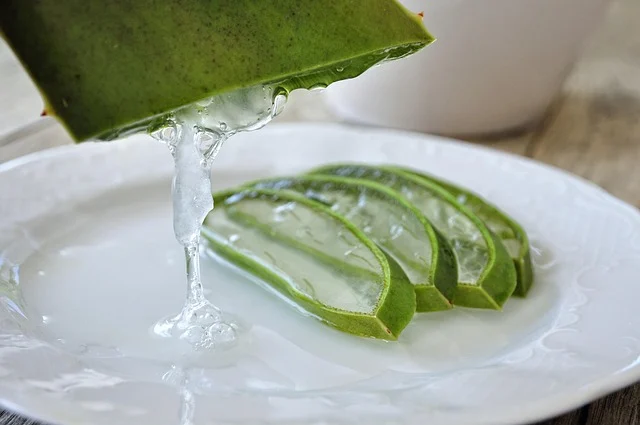
Humectants to attract hydration
Humectants pull moisture from the surrounding air into the stratum corneum (the outermost layer of skin). Look for these proven hydrators:
- Hyaluronic Acid: Binds up to 1,000 times its weight in water, delivering deep hydration without leaving greasy residue.
- Glycerin: A classic, highly effective humectant that penetrates the top skin layers to restore water balance.
- Aloe Vera Gel: Combines water-binding sugars with natural cooling compounds to calm tight, thirsty skin.
- Panthenol (Pro-Vitamin B5): Attracts water while strengthening hair strands and easing surface irritation.
Emollients and barrier-repairing lipids
Humectants bring water into the scalp, but emollients are necessary to seal that water in and prevent transepidermal water loss:
- Jojoba Oil: Closely mirrors human sebum in molecular structure, allowing it to condition the scalp without clogging pores.
- Ceramides: Essential lipids that repair gaps between scalp cells, rebuilding a cracked skin barrier.
- Argan and Squalane Oils: Lightweight oils rich in fatty acids and antioxidants that soften rigid skin.
- Shea Butter: Ideal for thick or coarse hair types needing dense moisture retention.
Soothing anti-inflammatory ingredients
Dryness frequently triggers itching and localized redness. Soothing agents calm nerve endings and reduce skin inflammation:
- Colloidal Oatmeal: Packed with beta-glucans and avenanthramides that relieve severe itching and coat sensitive skin.
- Bisabolol and Chamomile: Derived from chamomile plants, these compounds quiet redness and irritation.
- Calendula Extract: Accelerates micro-healing on scalps damaged by fingernail scratching.
Mild, non-stripping cleansers
Shampoo must clean away dust and dead skin without disturbing natural lipids. Opt for gentle amphoteric or non-ionic surfactants such as Cocamidopropyl Betaine, Sodium Cocoyl Isethionate, Decyl Glucoside, or Lauryl Glucoside.
Which ingredients should you strictly avoid?
Avoiding moisture-stripping additives is just as critical as choosing beneficial ingredients. Certain standard additives quickly degrade a fragile skin barrier.
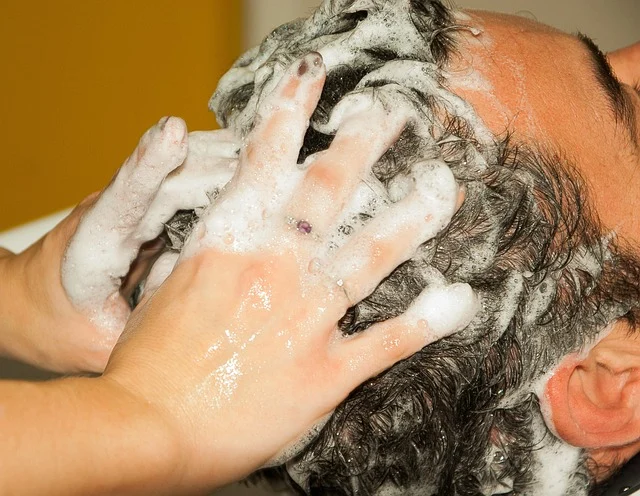
- Sulfates: Sodium Lauryl Sulfate (SLS), Sodium Laureth Sulfate (SLES), and Ammonium Lauryl Sulfate are harsh cleansers. They remove surface oil so aggressively that they cause micro-fissures in the scalp barrier.
- Simple Alcohols: Denatured alcohol, ethanol, isopropyl alcohol, and alcohol denat evaporate quickly and pull moisture out of the skin. Fatty alcohols like cetyl or stearyl alcohol are moisturizing and safe.
- Synthetic Fragrances and Artificial Dyes: Unspecified “parfum” or synthetic colorants are top causes of contact dermatitis and scalp itchiness.
- High Concentrations of Undiluted Essential Oils: While diluted tea tree or peppermint oil can feel refreshing, high concentrations are strong sensitizers that inflame dry skin.
- Formaldehyde Releasers: Preservatives such as DMDM hydantoin, imidazolidinyl urea, and quaternium-15 can trigger allergic reactions on sensitive scalps.
Comparing the top shampoos for dry scalp
Different scalps require different moisture levels depending on hair density, skin sensitivity, and underlying conditions. Here is a direct comparison of top formulas designed for dry scalp relief.
| Product | Best For | Key Active Ingredients | Sulfate-Free? | Trade-off |
|---|---|---|---|---|
| Jupiter Balancing Shampoo | Overall scalp balance and mild flaking | Zinc Pyrithione, Coconut Oil, Aloe Vera | Yes | Higher price point than basic options |
| Vanicream Free & Clear | Ultra-sensitive or allergic skin | Minimalist surfactant blend | Yes | Does not add heavy hydration or luxury scent |
| Kérastase Specifique Bain Vital | Severe dryness and luxury care | Vitamin B3 (Niacinamide), Calming Botanicals | Yes | Contains subtle fragrance; premium cost |
| CeraVe Hydrating Shampoo | Daily affordable barrier repair | Ceramides, Hyaluronic Acid | Yes | Can feel too rich for ultra-fine, oily hair |
| Nécessaire Rosemary Shampoo | Gentle cleansing with buildup removal | Rosemary Oil, Plant Peptides | Yes | Lighter moisture profile; best followed with rich conditioner |
| Nizoral Anti-Dandruff | Fungal flakes (not plain dry scalp) | Ketoconazole 1% | No | Very drying if used on non-fungal dry scalp |
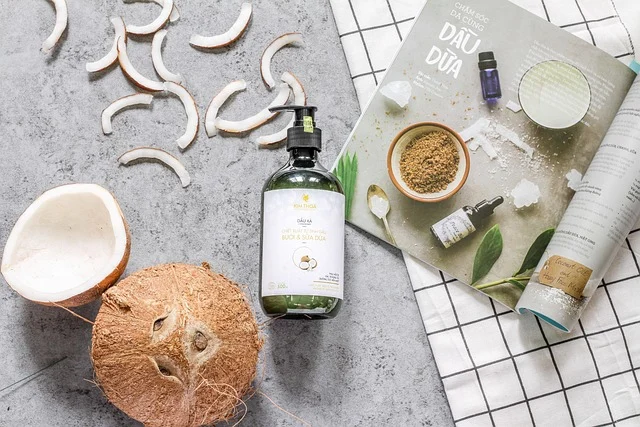
Jupiter Balancing Shampoo
Jupiter is the best shampoo for a dry scalp because it balances hydration with mild flake management. It uses zinc pyrithione to control surface yeast while surrounding the active ingredient with coconut oil, sugar kelp extract, and squalane. [parkderm.com] This formula provides immediate cooling relief for tight scalps without stripping hair shaft moisture. You will find it an ideal pick if you experience light flaking alongside dry tightness.
Vanicream Free & Clear Shampoo
Vanicream is dermatologically engineered for extreme allergy sensitivity. It excludes sulfates, dyes, fragrance, parabens, lanolin, and botanical extracts. While it will not coat hair in thick plant oils, it thoroughly cleanses without disturbing inflamed or broken skin. It is the best shampoo for a dry scalp when your skin reacts to standard cosmetic products.
Kérastase Specifique Bain Vital Dermo-Calm
This formulation targets dry scalps prone to tight, burning sensations. Niacinamide strengthens the skin barrier while calming agents suppress surface irritation. As the best shampoo for a dry scalp, it leaves coarse hair soft while rebalancing scalp hydration. The main drawback is its inclusion of subtle fragrance, which might irritate those with extreme fragrance allergies.
CeraVe Hydrating Shampoo
CeraVe applies its core skin-barrier technology to hair care. By incorporating three essential ceramides alongside hyaluronic acid, it repairs the intercellular lipid layer of the scalp during the wash cycle. It cleanses without lathering excessively, making it the best shampoo for a dry scalp.
Nécessaire Rosemary Shampoo
If you need a gentle clarifying action to remove styling gels or dry shampoo residue, Nécessaire offers an effective solution. It uses plant peptides and rosemary leaf oil to stimulate the scalp while lifting residue smoothly. As the best shampoo for a dry scalp, it preserves natural moisture levels without harshness. See How to Style Curly Hair: Mastering Your Natural Texture for advice on balancing wash frequencies with clarifying routines.
Nizoral Anti-Dandruff Shampoo
Nizoral contains ketoconazole, a potent antifungal agent. It belongs on this list strictly as an occasional corrective wash when dry flaking turns out to be fungal seborrheic dermatitis. It is not the best shampoo for a dry scalp when used daily, as ketoconazole cleanses aggressively and causes further drying if fungal overgrowth is absent.
How to choose the right formula for your hair type
Addressing scalp dryness requires matching the shampoo’s oil weight to your hair texture. Selecting a formula without considering hair density leads to flat strands or greasy residue.
For fine or thin hair, avoid thick shea butter or heavy coconut oil formulas. Heavy oils weigh down limp roots. Choose lightweight hydrators based on hyaluronic acid, panthenol, and aloe vera. Vanicream or Nécessaire maintain volume while soothing the skin surface.
For thick, curly, or coarse hair, rich natural oils are essential. Look for products featuring jojoba oil, argan oil, and ceramides. These ingredients condition thick hair strands from root to tip while deeply conditioning a dry scalp barrier.
For color-treated hair, choose pH-balanced, sulfate-free shampoos. Acidic formulas (pH 4.5 to 5.5) close the hair cuticle, locking in color pigments while preventing scalp irritation. CeraVe and Jupiter maintain color vibrancy while treating skin dryness.
How to wash a dry scalp step by step
Correct application technique is just as vital as buying the best shampoo for dry scalp. Changing how you wash prevents mechanical irritation and maximizes ingredient absorption.
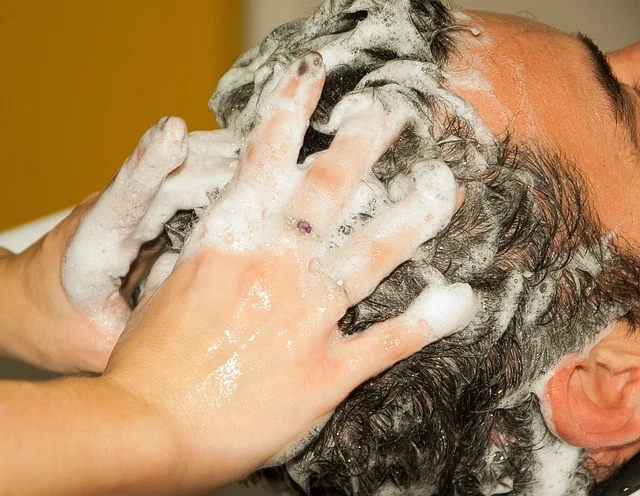
- Adjust the water temperature: Turn the shower dial to warm or lukewarm. Hot water strips the lipidic film off the skin and accelerates moisture evaporation post-wash.
- Saturate hair completely: Spend at least 60 seconds soaking your hair with lukewarm water so the cleansing agents distribute evenly without concentrated friction.
- Apply directly to the scalp: Emulsify a quarter-sized amount of shampoo between your hands. Focus the application directly on your scalp and roots rather than rubbing it along the length of your hair.
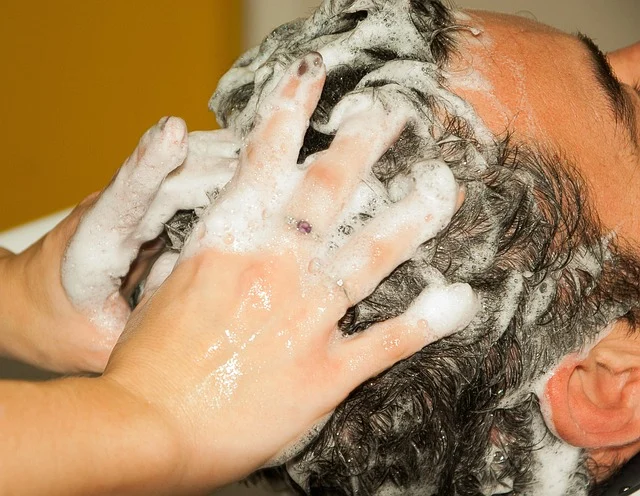
- Massage with finger pads: Use the soft pads of your fingers in circular motions to loosen dry flakes and stimulate blood circulation. Never scrub with your fingernails, which creates micro-abrasions.
- Allow contact time: Let hydrating or active ingredients sit on your skin for 2 to 3 minutes so humectants can absorb into the stratum corneum.
- Rinse thoroughly: Rinse with warm water until every trace of surfactant is removed. Trapped shampoo residue dries out and causes intense post-wash itching.
- Condition smart: Apply conditioner from mid-lengths to ends. Keep heavy silicone conditioners off your roots unless the product is specifically labeled as a scalp-safe hydrator.
At-home scalp care and supplementary routines
In addition to using a hydrating shampoo, simple physical and environmental adjustments help restore long-term comfort to a dry scalp.
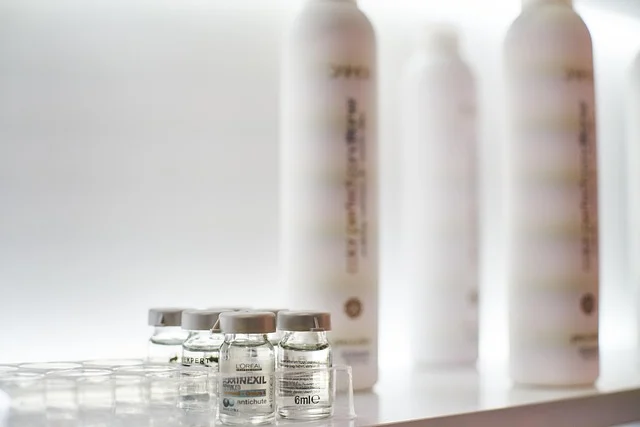
Pre-shampoo oil treatments offer direct lipid replenishment. Apply a few drops of pure jojoba oil or squalane to dry sections of your scalp 20 minutes before showering. The oil buffers the skin against cleansing surfactants, leaving the barrier soft after rinsing.
Be cautious with DIY remedies like apple cider vinegar rinses. While raw vinegar can balance pH when diluted correctly (1 tablespoon per cup of water), undiluted acidic applications burn dry, cracked skin. Never apply undiluted lemon juice, baking soda, or pure tea tree oil to an inflamed scalp.
Indoor environmental controls make a noticeable difference. Running a cool-mist humidifier in your bedroom during winter counteracts dry indoor heating, preventing your skin and scalp from losing water overnight.
When should you see a dermatologist?
While standard dry scalp responds well to hydrating shampoos within two to three weeks, persistent or severe symptoms require medical evaluation. Professional care prevents long-term scalp damage and hair thinning.

Schedule a medical consultation if you experience any of the following symptoms:
- Itching so severe that it wakes you up or disrupts daily concentration.
- Scalp cracking, bleeding, oozing, or forming thick crusts.
- Large silvery scales that bleed when touched (a indicator of psoriasis).
- Unexplained hair loss or localized hair thinning alongside scalp discomfort.
- No reduction in flaking or tightness after 4 weeks of consistent gentler washing.
A dermatologist can perform a physical examination or scalp scraping to pinpoint underlying conditions such as fungal folliculitis, lichen planopilaris, or severe eczema, prescribing targeted topical steroids or prescription antifungals as needed.
Frequently asked questions
Can I use anti-dandruff shampoo for a dry scalp?
You should avoid anti-dandruff shampoos unless you have confirmed fungal dandruff or seborrheic dermatitis. Antifungal washes like Nizoral use strong cleansing bases that strip natural oils, which makes a purely dry scalp flakier and more irritated.
How often should I wash my hair if my scalp is dry?
Most people with a dry scalp benefit from washing two to three times per week rather than daily. Spacing out wash days gives natural sebum time to lubricate the skin surface and rebuild the natural protective barrier.
Will a hydrating shampoo make my fine hair look greasy?
Hydrating shampoos formulated with water-binding humectants like hyaluronic acid and glycerin hydrate the skin without adding heavy oils. Look for lightweight, oil-free formulas to soothe your scalp while keeping fine hair bouncy and volumetric.
Does drinking more water help a dry scalp?
Adequate internal hydration supports overall skin elasticity, but systemic water intake alone cannot fix a broken outer skin barrier. Combining proper internal hydration with topically applied humectants and lipid-restoring shampoos yields the fastest relief.