













styles are particularly popular this year.
Why Flowy Dresses Remain a Wardrobe Essential
The enduring appeal of flowy dresses lies in their inherent adaptability and comfort. They offer a relaxed fit that flatters a wide range of body types, allowing for ease of movement without sacrificing style. This unrestrictive nature makes them ideal for a variety of climates and activities, from a breezy summer day to a sophisticated evening gathering.
Last updated: June 10, 2026
Beyond comfort, flowy dresses embody a sense of ease and carefree spirit. They evoke images of relaxed vacations, bohemian gatherings, and natural beauty. This association with positive emotions contributes significantly to their lasting popularity. In 2026, this sentiment translates into a desire for garments that offer both aesthetic appeal and a sense of well-being.
The versatility of the flowy dress is perhaps its most significant asset. A simple cotton maxi can be dressed down with sandals for a beach day or dressed up with wedges and statement jewelry for a garden party. Similarly, a silk midi dress can transition seamlessly from a business casual setting to a romantic dinner. This adaptability means a single flowy dress can serve multiple purposes, offering excellent value.

The 2026 Flowy Dress Landscape: Styles to Embrace
The current fashion landscape in 2026 offers an exciting array of flowy dress styles, catering to diverse tastes and occasions. From the ever-popular maxi to the chic midi, there’s a flowy silhouette for everyone.
Maxi Flowy Dresses
Maxi flowy dresses continue their reign as a go-to for effortless elegance. These floor-grazing garments offer maximum coverage with minimum fuss. In 2026, we’re seeing a strong trend towards bohemian-inspired maxi dresses featuring vibrant floral prints, intricate embroidery, and relaxed, tiered skirts. They are perfect for summer festivals, casual brunches, or even as a chic beach cover-up.
A well-chosen maxi flowy dress can be incredibly versatile. Pair a solid-colored linen blend maxi with flat sandals and a straw hat for a relaxed daytime look. For an evening event, opt for a silk or satin maxi with a defined waist, accessorized with heels and delicate jewelry. The key is selecting a fabric and print that aligns with the occasion.
Midi Flowy Dresses
The midi flowy dress, hitting between the knee and ankle, offers a sophisticated yet comfortable option. This length is particularly popular in 2026 for its practicality and modern appeal. Styles range from A-line silhouettes with subtle volume to wrap dresses that cinch the waist, creating a flattering hourglass shape.
Midi flowy dresses are exceptionally adaptable for transitional weather. Layer a lightweight knit cardigan or a denim jacket over a floral midi dress, and pair with ankle boots or stylish sneakers. This makes them a year-round option, not just confined to warmer months. Look for designs with interesting sleeve details or unique necklines to add a contemporary touch.
Mini and Knee-Length Flowy Dresses
While maxi and midi lengths often dominate the flowy dress conversation, shorter flowy dresses also hold their ground. These styles, typically falling above the knee or at the knee, offer a playful and youthful vibe. They are perfect for casual outings, summer picnics, or when you want a more relaxed, breezy feel.
A mini flowy dress in a breathable fabric like cotton or linen can be a lifesaver on hot days. They pair exceptionally well with casual footwear like espadrilles, sandals, or even white sneakers. For a slightly more polished look, consider a knee-length A-line flowy dress paired with block heels.
Sleeveless and Strappy Styles
Sleeveless and strappy flowy dresses are synonymous with summer and warmer climates. These designs often feature delicate spaghetti straps, halter necks, or wider tank-style straps, providing a cool and airy feel. They are ideal for beach holidays, poolside lounging, or as a base layer under a light jacket.
When choosing a sleeveless or strappy flowy dress, consider the support offered by the straps and the neckline. A V-neck or scoop neck can be universally flattering, while a halter neck adds a touch of vintage glamour. These styles are excellent canvas for showcasing statement jewelry or a stylish sun hat.
Puff Sleeve and Long Sleeve Designs
For those seeking more coverage or a fashion-forward statement, puff-sleeve and long-sleeve flowy dresses are excellent choices. Puff sleeves add a touch of romantic volume to the shoulder and sleeve, creating a balanced silhouette. Long sleeves can range from billowy and bohemian to sleek and fitted, depending on the fabric and cut.
These styles are particularly chic for spring and autumn events. A flowy dress with a dramatic puff sleeve can elevate a simple silhouette, making it suitable for semi-formal occasions. Long-sleeved flowy dresses in luxurious fabrics like silk or chiffon offer an elegant option for evening wear or professional settings.

Fabric Matters: Choosing the Right Material for Flowy Dresses
The fabric of a flowy dress dictates its drape, comfort, breathability, and overall aesthetic. As of June 2026, several materials stand out for their suitability in creating that desirable flowing silhouette.
Natural Fibers: Cotton, Linen, and Hemp
Natural fibers are often the top choice for flowy dresses, especially for warmer weather. Cotton, in its various forms like voile, lawn, and seersucker, offers breathability and a soft feel. Linen is renowned for its crisp texture and exceptional coolness, making it perfect for summer maxis. Hemp shares many of linen’s qualities, offering durability and a sustainable choice.
While beautiful, natural fibers can sometimes wrinkle easily, particularly linen. However, for the relaxed vibe often associated with flowy dresses, a bit of natural creasing can add to their charm. They are generally hypoallergenic and comfortable against the skin, making them excellent for everyday wear.
Semi-Synthetics: Rayon, Viscose, and Lyocell (Tencel)
Rayon, viscose, and Lyocell (often known by the brand name Tencel) are derived from wood pulp and mimic the properties of natural fibers, often with superior drape. They tend to be lightweight, breathable, and have a beautiful, fluid movement, which is ideal for achieving a flowy silhouette.
These fabrics can be incredibly soft and have a slight sheen, making them suitable for both casual and more formal flowy dresses. They often hold color well and are relatively easy to care for, though some may require gentle washing cycles. Tencel, in particular, is known for its eco-friendly production process and its resistance to wrinkles.
Luxurious Options: Silk and Chiffon
For elegant and evening wear flowy dresses, silk and chiffon are unparalleled. Silk offers a natural luster, incredible softness, and a beautiful drape that moves elegantly with the body. Chiffon, a sheer, lightweight fabric often made from silk or synthetic fibers, creates an ethereal, airy effect, perfect for formal gowns or layered details.
These luxurious fabrics require more delicate care, often necessitating dry cleaning. They can also be more expensive. However, the exquisite feel and sophisticated movement they provide make them a worthwhile investment for special occasions. A silk slip dress or a chiffon maxi dress exudes timeless glamour.
Blends and Modern Synthetics
Fabric blends can offer the best of multiple worlds, combining the breathability of cotton with the wrinkle resistance of polyester, or the drape of rayon with the durability of spandex. Modern synthetic fabrics are also increasingly sophisticated, offering advanced moisture-wicking and stretch properties.
When considering synthetic blends, look for those that prioritize comfort and breathability. High-quality polyester blends can mimic the look of silk or chiffon without the high cost or delicate care requirements. Always check the fabric composition to ensure it meets your needs for comfort and performance.
Styling Your Flowy Dress: From Casual to Chic
The true magic of a flowy dress lies in its chameleon-like ability to adapt to any style. With the right styling, a single flowy dress can take you from a casual day out to a sophisticated evening event.
Casual Everyday Looks
For a relaxed daytime aesthetic, pair your flowy dress with comfortable footwear like flat sandals, espadrilles, or clean white sneakers. Add a denim jacket or a casual knit cardigan for cooler moments. Accessories like a straw tote bag, a baseball cap, or simple jewelry complete the laid-back vibe.
A flowy maxi dress with sneakers is a particularly on-trend look for 2026, embodying comfort-driven fashion. This combination is perfect for running errands, meeting friends for coffee, or enjoying a leisurely weekend stroll. The contrast between the relaxed dress and sporty footwear creates an effortlessly cool ensemble.
Smart Casual and Work-Appropriate Styles
To achieve a smart casual look, opt for a midi flowy dress in a more structured fabric or a subtle print. Layer it with a tailored blazer or a chic trench coat. For footwear, consider block heels, pointed-toe flats, or stylish loafers. Minimalist jewelry and a structured handbag will polish the look.
For work, choose flowy dresses in solid, muted colors or classic patterns. Ensure the length is appropriate (midi or knee-length) and the neckline is modest. A well-fitting blazer can instantly make a flowy dress office-ready. Depending on your workplace dress code, simple pumps or sophisticated flats would be suitable.
Elegant Evening and Special Occasions
Elevate your flowy dress for evening wear by choosing luxurious fabrics like silk, satin, or chiffon. Opt for richer colors, deeper necklines, or more intricate details. Pair with elegant heels, such as strappy sandals or pointed-toe stilettos. Statement jewelry, a clutch bag, and a sophisticated updo will complete the glamorous ensemble.
Consider a flowy maxi dress in a jewel tone or a metallic finish for formal events. A wrap-style flowy dress in a luxurious fabric can also be incredibly flattering and chic for weddings or cocktail parties. The key is to select pieces that enhance the dress’s inherent elegance.
Accessorizing Your Flowy Dress
Accessories play a crucial role in defining the style of a flowy dress. Belts can be used to cinch the waist and create a more defined silhouette, especially with looser styles. Scarves, whether worn around the neck, in the hair, or on a handbag, add a pop of color and personality.
Jewelry choice depends heavily on the dress neckline and overall style. Delicate necklaces and earrings complement minimalist dresses, while bolder pieces can stand out against solid colors or simpler designs. For bohemian styles, consider layered necklaces, bangles, or anklets. A structured handbag can add polish to a casual look, while a small clutch is perfect for evening wear.
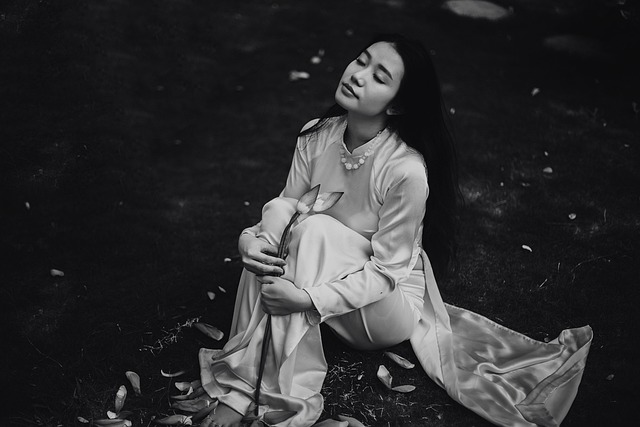
The Contrarian Take: Not All Flowy Is Equal
While the term ‘flowy dress’ evokes images of effortless grace, it’s crucial to acknowledge that not all such garments are created equal. The perceived ease and style can easily tip into shapelessness if not chosen or styled thoughtfully. Many online retailers, as of June 2026, feature flowy dresses that, in reality, offer little structure or flattering form, often relying solely on fabric quantity rather than design intent.
The danger of the ‘flowy dress’ trend is the potential to drown in fabric. A dress that’s too voluminous, too long, or made from a flimsy material can overwhelm the wearer, making them appear smaller or lost in the garment. This is particularly true for petite individuals or those who prefer a more defined silhouette. The key differentiator often lies in the quality of the fabric and the considered construction of the garment – elements that distinguish a truly elegant flowy dress from merely a large piece of fabric.
For instance, a flowy maxi dress made from a substantial, yet lightweight, linen blend with a subtle A-line cut and a defined waistline will offer a far more flattering and stylish outcome than a sheer, shapeless polyester dress that hangs limply. The former provides movement and grace; the latter can simply appear ill-fitting. It’s about discerning the difference between intentional volume and excessive fabric. This requires paying close attention to the cut, the fabric’s weight and drape, and how the dress is intended to be worn.
Choosing the Perfect Flowy Dress for Your Body Type
Flowy dresses are celebrated for their forgiving nature, but understanding how to choose one that accentuates your specific body type can elevate their impact further.
Petite Figures
For those with a petite frame, it’s essential to avoid being overwhelmed by fabric. Opt for flowy dresses with a defined waistline, either through a built-in belt, ruching, or a structured cut. Shorter lengths like knee-length or midi can be more flattering than floor-sweeping maxis, unless the maxi is carefully tailored. Vertical details, such as subtle pinstripes or a front slit, can also create an illusion of height.
Curvy Figures
Flowy dresses can beautifully enhance curves. Styles that cinch at the waist, such as wrap dresses or those with an elasticated waistband, highlight the narrowest part of the torso and create an hourglass silhouette. Empire waistlines, which sit just below the bust, can also be flattering, drawing attention upwards and allowing the fabric to skim over the hips and thighs.
Athletic or Straight Figures
Those with a more athletic or straight build can create the illusion of curves with the right flowy dress. Dresses with voluminous skirts, ruffles, or tiered layers can add softness and shape. A-line silhouettes or dresses with added volume in the bust or hips can help balance a straighter frame. Experiment with different neckline styles to add visual interest.
Tall Figures
Tall individuals often look stunning in longer flowy dresses, including maxi styles. The length of the dress naturally complements a taller stature. Experiment with bold prints, dramatic silhouettes, and interesting sleeve details. A well-defined waist can still be beneficial to maintain proportion.
When in doubt, consider the fabric’s drape. A fabric that falls beautifully and moves with you will always be more flattering than one that’s stiff or shapeless. Trying on different styles and lengths is key to finding what works best for your individual body shape.
Common Mistakes to Avoid When Wearing Flowy Dresses
While flowy dresses are forgiving, a few common missteps can detract from their potential charm and style.
The Shapeless Syndrome
One of the most frequent errors is choosing a flowy dress that’s simply too large or lacks any definition. This can result in looking like you’re drowning in fabric, rather than elegantly draped. Solution: Always look for features that create shape, such as a drawstring waist, a belt, a defined empire line, or an A-line cut. If a dress is too shapeless, consider adding your own belt to cinch it in.
Inappropriate Footwear Choices
Pairing a flowy dress with the wrong shoes can throw off the entire look. For example, very chunky or heavy footwear can sometimes overpower a delicate, flowy dress, making the outfit look unbalanced. Solution: Opt for footwear that complements the dress’s style. Lighter sandals, elegant heels, stylish flats, or even clean sneakers generally work best. Consider the length and volume of the dress when selecting your shoes.
Overlooking the Fabric Quality
A cheap, flimsy fabric can make even the most beautifully designed flowy dress look cheap and unkempt. It can lead to excessive wrinkling, poor drape, and a lack of structure. Solution: Invest in flowy dresses made from quality materials. Natural fibers, good quality rayons, and well-constructed blends will hang better, feel more luxurious, and last longer.
Ignoring Proportion and Length
A flowy dress that’s too long or too voluminous can make a petite person appear shorter, or a taller person appear swamped. The hemline and overall silhouette need to work harmoniously with your height and build. Solution: Pay attention to where the hemline falls. For maxi dresses, ensure they are hemmed to the correct length for your height, especially when wearing heels. For midi dresses, ensure the length hits at a flattering point.
Expert Insights and Best Practices for Flowy Dresses
Drawing from current fashion insights as of June 2026, several best practices can help you maximize the appeal of your flowy dress collection.
Embrace Layering for Year-Round Wear
A common misconception is that flowy dresses are exclusively for summer. By strategically layering, you can extend their wearability. A long-sleeved flowy dress can be worn under a fitted coat or paired with a warm cardigan. For maxi styles, thick tights or leggings and ankle boots create a cozy winter look. A lightweight denim jacket or a leather moto jacket adds edge to any flowy dress, making it suitable for cooler evenings or transitional seasons.
Define Your Silhouette
The ‘flowy’ aspect should not equate to ‘shapeless’. Even the loosest dress can benefit from a touch of definition. Expert stylists frequently recommend using accessories to create structure. A well-placed belt—whether a slim leather strap, a woven boho piece, or a statement chain—can dramatically alter the silhouette of a flowy dress, highlighting the waist and adding polish.
Play with Contrasting Textures
To add depth and interest to a flowy dress outfit, pair it with contrasting textures. A soft, flowing chiffon dress might look stunning with a structured leather jacket or a chunky knit scarf. Conversely, a heavier linen flowy dress can be softened with delicate jewelry or a silk scarf. These textural juxtapositions create a more dynamic and sophisticated look.
Consider the Occasion and Fabric Weight
Not all flowy dresses are appropriate for all settings. A sheer, ultra-lightweight chiffon maxi is perfect for a beach wedding but likely too informal for a business meeting. Conversely, a heavy cotton or linen flowy dress might be too warm for a very hot summer day but ideal for an autumn garden party. Matching the fabric weight and style to the event’s formality and the season is key to making an appropriate and stylish choice.
Don’t Underestimate the Power of a Good Hemline
A hemline that’s too long can cause a flowy dress to drag on the ground, looking messy and potentially becoming a tripping hazard. Conversely, a hemline that’s too short can alter the intended flow and style. According to Vogue’s fashion editors in their Spring/Summer 2026 trend reports, ensuring your flowy maxi dresses are hemmed to the correct length for your preferred footwear is paramount for a polished look. If unsure, it’s always better to have them slightly longer and tailored.
Frequently Asked Questions
Are flowy dresses still in style in 2026?
Yes, flowy dresses remain a significant trend in 2026. Their timeless appeal, comfort, and versatility ensure their continued presence in fashion, particularly in maxi and midi lengths, embodying effortless chic.
What are the best fabrics for flowy dresses?
Lightweight and breathable fabrics like cotton, linen, rayon, viscose, Tencel, silk, and chiffon are ideal for flowy dresses. These materials offer beautiful drape and comfort, especially in warmer weather.
How can I style a flowy maxi dress casually?
For a casual look, pair your flowy maxi dress with flat sandals, espadrilles, or sneakers. Add a denim jacket or a casual cardigan, and accessorize with a straw bag or a simple necklace for an effortless vibe.
Can flowy dresses be worn to formal events?
Absolutely. Opt for flowy dresses in luxurious fabrics like silk, satin, or chiffon, often in richer colors or with elegant embellishments. Pair with heels and statement jewelry for a sophisticated evening ensemble.
How do I avoid looking shapeless in a flowy dress?
To avoid a shapeless look, choose flowy dresses with defined waistlines, such as those with belts, drawstrings, or A-line cuts. Layering with a fitted jacket or blazer can also add structure and definition.
What shoes pair best with flowy dresses?
The best shoes depend on the dress style and occasion. For casual looks, opt for sandals or sneakers. For dressier occasions, choose heels, wedges, or elegant flats. The key is balance – avoid overly heavy footwear that can overwhelm a delicate dress.
Information current as of June 2026; pricing and product details may change.
Source: Vogue
Editorial Note: This article was researched and written by the Anarchy Label editorial team. We fact-check our content and update it regularly. For questions or corrections, contact us.