









To style trends successfully, anchor a single current trend piece against your foundational, neutral wardrobe classics using an 80/20 balance of timeless staples to statement items. This approach ensures your outfit feels contemporary and polished without overwhelming your natural aesthetic, compromising everyday comfort, or forcing you to purchase an entirely new wardrobe every season.
Learning how to style trends requires a clear strategy for integrating new cuts, fabrics, and colors into your daily rotation. The global fashion industry moves rapidly, with runway concepts transforming into viral micro-trends within weeks. However, maintaining a coherent personal image relies on evaluating which seasonal items align with your body shape, daily activities, and existing wardrobe base. Instead of adopting full runway looks, treat new fashion movements as accent elements that refresh your permanent collection.
How do you identify your personal style before buying trends?
Before purchasing any trend item, establish your personal style DNA. Your style DNA consists of the silhouettes, fabrics, rise heights, and color palettes you consistently wear and feel confident in. Knowing these core preferences prevents impulsive purchases that end up unworn in your closet.
Start by examining the items you wear most frequently over a two-week period. Identify recurring traits:
- Fit Preferences: Do you prefer structured tailoring or relaxed, fluid fits?
- Color Base: Is your core color palette rooted in earth tones, cool neutrals, or bold primary colors?
- Practical Needs: Does your typical schedule demand functional, low-maintenance clothing or refined formalwear?
When a new item becomes trending, evaluate it against these parameters. For example, if your style is strictly minimalist and based on tailored charcoal and navy separates, an head-to-toe monochromatic purple look—featured heavily in coverage by Teen Vogue—will likely feel performative and unnatural. Instead of adopting the entire look, adapt the trend through a subtle lavender silk neck scarf or a tailored lilac blazer paired with dark denim.
This filter is essential for identifying who a trend does not suit. High-volume, sculptural garments like dramatic balloon pants rarely suit individuals who require streamlined utility for physical daily routines. Forcing a trend that conflicts with your lifestyle results in immediate discomfort and wasted wardrobe budget.
How does the fashion trend cycle work?
Understanding the mechanics of the trend cycle helps you distinguish between fleeting micro-trends and lasting silhouette shifts. Major fashion developments originate on luxury runways, move through trend forecasting services, and eventually hit high-street retailers.
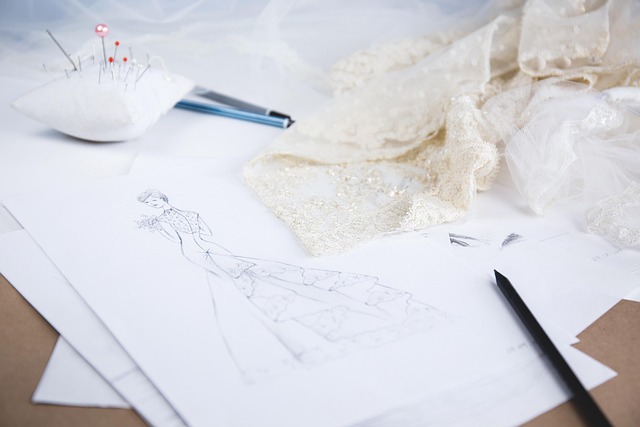
According to reporting from Vogue, broad seasonal movements highlight specific shifts such as relaxed balloon trousers, structured peplum silhouettes, and retro summer accents. These are not random developments; they reflect broader shifts in consumer preference toward relaxed tailoring and tactile surface details.
Major forecasting organizations like WGSN analyze historical pattern cycles and global cultural habits to project which silhouettes and materials will define incoming seasons. When these macro shifts occur, manufacturers make distinct production choices regarding textile weight, dye batches, and cut dimensions.
By tracking these macro trends rather than overnight social media crazes, you can predict which items will maintain relevance for multiple years. Broad silhouette changes typically stay in style for three to five years, giving you ample time to wear and restyle those garments.
What is the 80/20 rule for balanced outfit styling?
This proportion anchors statement garments, preventing outfits from looking like costumes or uniform displays.
Here are three concrete outfit formulas that implement the 80/20 rule:
- Volume Contrast Formula: Pair high-waisted cotton balloon trousers (20% trend) with a fitted crew-neck white cotton t-shirt, single-breasted charcoal blazer, and low-profile leather sneakers (80% base). The fitted t-shirt and structured blazer balance the wide, curved volume of the trousers, maintaining clean vertical proportions.
- Silhouette Accent Formula: Combine a modern peplum-waist top (20% trend) with straight-leg dark wash selvedge jeans, a classic beige trench coat, and plain point-toe flats (80% base). The classic trench coat softens the flare of the peplum, while straight-leg denim keeps the bottom half uncluttered.
- Athletic Tailoring Formula: Layer a structured streetwear hoodie—such as those detailed in our Vale Hoodie: Style, Quality & 2026 Buying Guide—under tailored pleated trousers, a wool overcoat, and leather loafers. Mixing tailored formal elements with casual heavy knitwear grounds the overall look while remaining comfortable.
When exploring current fashion trends, applying this balance protects your aesthetic identity while keeping your outfits current.
How can you use accessories to test new trends on a budget?
Accessories represent the lowest financial and visual risk when trying new fashion concepts. Before spending heavily on structured trend garments, use small accents to test how a cut, color, or motif fits into your routine.
Key accessory vectors for trend testing include:
- Neckwear and Silk Scarves: Experimenting with bandana wraps or light silk ties adds instant texture to plain shirts. For specific tying methods and knot variations, detailed guides on styling show how to adjust fabric draping across different necklines.
- Footwear Accents: Chunky lug soles, pointed mesh flats, or retro runner silhouettes can update classic straight jeans without altering your overall silhouette.
- Statement Belts: Incorporating hardware trends or exaggerated belt widths shapes basic outerwear and shirt dresses.
- Handbags: Introducing a trending seasonal shade through a structured shoulder bag adds color without requiring changes to your core clothing choices.
The main trade-off with accessory trends involves visual clutter. If your outfit already features textured fabrics or strong patterns, adding a heavily patterned trend scarf creates visual distraction. Match trend accessories with solid, neutral foundations to maximize their effect.
How do you adapt runway silhouettes for everyday wear?
Runway presentations intentionally exaggerate proportions, sheer fabrics, and dramatic cuts to create strong visual concepts. Translating runway trends into practical daily wear requires scaling down those proportions and selecting everyday textiles.

Follow these practical adjustments when converting runway concepts to street style:
- Scale Down Extreme Proportions: If runway trousers show exaggerated hip curve volumes, select a commercial balloon trouser that flares moderately at the knee before tapering cleanly at the ankle.
- Substitute High-Maintenance Fabrics: Swap delicate runway silk or high-shine vinyl for matte cotton twill, linen blends, or washable wools that withstand daily movement and laundering.
- Modify Sheer or Low-Cut Pieces: Layer sheer trend tops over opaque silk camisoles, or wear low-cut statement blazers over high-neck fine-knit tees.
- Tone Down Recreation Dressing: When adopting athletic-inspired street trends, avoid wearing full matching athletic sets outside casual settings. Instead, pair track jackets with tailored trousers, or wear refined sneakers with tailored suits.
What is the step-by-step process to incorporate a new trend?
To systematically introduce new trends without cluttering your wardrobe, follow this step-by-step integration workflow:
- Audit Your Current Closet: Review your existing items to identify structural gaps. Determine if you already own classic pieces that can produce the target trend silhouette when layered differently.
- Select One Specific Target Trend: Choose a single trend element (such as balloon trousers or peplum cuts) that aligns with your lifestyle and personal style DNA.
- Establish Color Compatibility: Verify that the prospective trend item matches at least three staple pieces already in your wardrobe before making a purchase.
- Test Proportions with Existing Clothes: Try on similar silhouettes using existing layers or lower-cost accessories to verify that the cut flatters your proportions.
- Purchase Quality Over Quantity: Select a well-constructed version in natural, durable fabrics rather than cheap synthetics that lose shape after laundering.
- Apply the 80/20 Styling Rule: Build your outfit by surrounding the single trend item with neutral, classic baseline garments.
- Evaluate Wear Frequency: Track how often you wear the piece over a 30-day period. If worn regularly, consider adding a complementary item; if unused, re-evaluate why the piece failed to fit your daily routine.
What low-commitment and high-commitment trend strategies exist?
Choosing between high-commitment and low-commitment trend adoption depends on your budget, style confidence, and wardrobe capacity. The table below compares both approaches:
| Evaluation Criteria | Low-Commitment Trend Adoption | High-Commitment Trend Adoption |
|---|---|---|
| Primary Garment Types | Accessories, scarves, belts, footwear, basic tees | Tailored suits, outerwear, designer statement dresses |
| Financial Risk | Low investment per item | High capital commitment per piece |
| Wardrobe Integration | Easily paired with existing classic foundations | Requires specific coordinating garments |
| Longevity Risk | Minimal risk; simple to store or rotate out | High risk if silhouette drops out of favor quickly |
| Sustainability Impact | Lower material waste when integrated thoughtfully | Higher environmental footprint if discarded quickly |
Low-commitment strategies suit individuals who prefer clean, classic dressing with small seasonal updates. High-commitment strategies suit experienced fashion enthusiasts who routinely buy, trade, or archive designer runway pieces.
What are common trend styling mistakes and how do you fix them?
Styling trends successfully requires avoiding several frequent outfit errors:
- Combining Multiple Statement Trends Simultaneously: Wearing balloon trousers, a peplum top, and a statement fringed scarf together creates visual chaos and obscures your personal aesthetic. Limit your outfit to one statement trend piece per look, keeping all surrounding garments structural and neutral.
- Ignoring Proper Fit and Tailoring: Buying oversized trend items off the rack without adjusting hem lengths or waist placement leads to a sloppy appearance. Budget for basic alteration costs. Having hem lines or waistbands tailored ensures modern wide-leg or balloon cuts drape cleanly over your shoes.
- Chasing Micro-Trends Over Quality: Purchasing cheap synthetic versions of complex trend designs leads to garments that pill, stretch out, or tear quickly. Opt for natural fiber blends (wool, cotton twill, silk, linen) from reputably constructed brands, ensuring the garment holds its structure throughout the season.
- Neglecting Practical Lifestyle Needs: Buying delicate or highly structured trend garments that do not fit your daily routine or working environment causes frustration. Choose adaptable variations of trends—such as a relaxed tailored trouser instead of an extreme runway cut—that transition comfortably between work and personal settings.
How can you build a sustainable wardrobe while following trends?
Maintaining a stylish, current appearance does not require frequent clothing disposal. Incorporating sustainable practices helps reduce waste while building a refined personal aesthetic.
Focus on these sustainable approaches:
- Prioritize Vintage and Pre-Owned Markets: Many contemporary trends directly revive historical silhouettes. Sourcing vintage peplum jackets or retro trousers yields higher construction quality and authentic details at a lower environmental cost.
- Utilize Garment Rental Services: For high-impact, short-duration trend pieces intended for formal events or specific occasions, garment rentals provide access without permanent financial or wardrobe commitments.
- Restyle Existing Closet Items: Re-evaluate your permanent collection before buying new pieces. Cinching an oversized classic blazer with a wide leather belt can replicate new tailored peplum trends without purchasing additional garments.
- Focus on Repair and Repurposing: Altering older trousers by dampening excess volume or tapering hems allows existing clothing to reflect current silhouette preferences.
Frequently asked questions
How do I know which trends suit me?
Assess trends against your established color palette, daily activities, and comfort preferences. If a garment restricts your movement or forces you to alter your core style identity, it is not suitable for your wardrobe.
What are low-risk ways to try bold seasonal trends?
Incorporate subtle accessories like leather belts, silk scarves, or footwear in trending colors before investing in full garments. This tests how the trend interacts with your daily wardrobe with minimal financial risk.
Should I invest heavily in designer trend pieces?
Invest heavily in classic foundational staples like tailored wool coats and high-grade leather shoes. Limit expenditure on seasonal micro-trends to mid-range brands or high-quality vintage items.
How can I make older clothes look current without buying new items?
Restyle older garments by pairing them with modern proportions, updated belt styling, or contemporary footwear. Layering classic tailoring in unconventional combinations instantly updates familiar pieces.
How long do major fashion trends typically last?
Major silhouette shifts and macro trends typically evolve over a three to five year cycle. Micro-trends driven by social media often disappear within three to six months.


