












The ideal gold chain for men depends on your routine, style preference, and body frame. For example, a solid 14K gold chain between 2mm and 5mm wide at a 20-inch length serves as the most versatile choice for daily wear. This combination balances durability, natural color richness, and comfort whether worn solo or paired with a pendant. Selecting the right piece requires evaluating gold purity, link style, length, width, and clasp security to match your wardrobe and lifestyle.
A gold chain stands as a classic accessory, a practical store of value, and a personal statement. You may prefer the understated shine of a thin rope chain or the bold profile of a Miami Cuban link. Understanding how metal composition, link design, and proportions interact ensures you select a chain built to last.
How do gold karats, alloys, and metal types differ?
Gold purity is measured in karats (K), dividing the metal into 24 parts. To make gold durable enough for jewelry, jewelers combine pure gold with alloy metals such as copper, silver, nickel, and zinc.
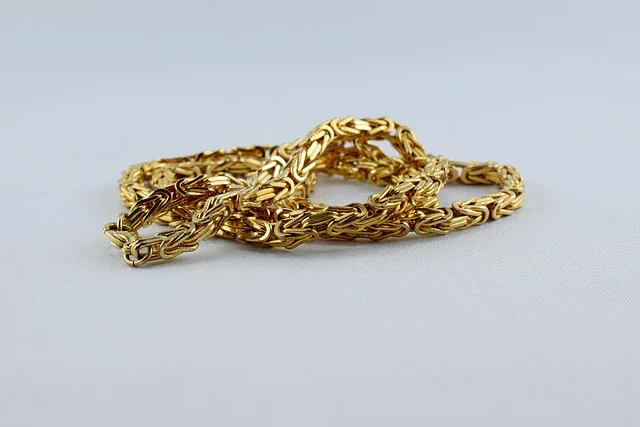
Selecting the right karat level balances visual warmth, scratch resistance, and raw gold content:
- 10K Gold (41.7% pure gold): The most durable and scratch-resistant option. It handles heavy physical activity well and costs less. However, its color is slightly paler than higher karats due to alloy saturation.
- 14K Gold (58.3% pure gold): The standard for men’s jewelry in North America. It strikes the best balance between deep golden color and everyday structural strength, resisting dents and kinks under standard wear.
- 18K Gold (75.0% pure gold): Offers a vibrant, rich yellow tone favored by traditional luxury houses. It feels heavier on the neck but is slightly softer. As a result, it is better suited for desk wear, formal occasions, or light use.
- 24K Gold (99.9% pure gold): Reserved primarily for bullion investment bars and collectible coins. It is far too soft for a functional men’s chain, as links stretch out of shape under their own weight over time. Men often choose 14K or 18K for the ideal balance between luster and strength.
Choosing the right color also depends on alloy makeup. Yellow gold mixes pure gold with copper and zinc to preserve its classic glow. White gold alloys pure gold with nickel, palladium, or silver, then receives a rhodium plating to create a bright silver-toned finish that requires re-plating every few years as friction wears it away. Rose gold incorporates higher copper ratios to produce a reddish-pink hue that offers extra surface hardness due to copper’s high tensile strength.
Solid gold vs. gold-filled vs. gold-plated chains
Understanding structural makeup protects you from paying premium prices for low-tier manufacturing. The table below outlines how metal construction impacts long-term wear and overall value.
| Construction Type | Gold Content | Durability & Lifespan | Water & Sweat Resistance | Relative Cost |
|---|---|---|---|---|
| Solid Gold | 58.3% to 75% gold throughout | Lifetime durability; can be repaired and polished endlessly | 100% waterproof; will not tarnish or discolor skin | High (priced by metal weight and labor) |
| Gold-Filled | At least 5% gold bound to brass core | Moderate to high; lasts 10–30 years under careful use | Resists water, but exposure to harsh chemicals wears outer layer | Moderate (affordable solid alternative) |
| Gold Vermeil | Thick gold layer over sterling silver | Moderate; outer gold layer lasts 1–3 years before silver shows | Avoid water and sweat; moisture accelerates tarnishing | Moderate to Low |
| Gold-Plated | Under 0.05% gold electroplated over base metal | Low; outer film rubs off in months of regular wear | Poor; sweat and water quickly erode plating, exposing raw brass | Low (fashion accessory pricing) |
What are the most popular gold chain link styles for men?
The shape, weave, and density of chain links determine how a necklace lays on your collarbone, catches light, and withstands daily movement. Specific weaves serve distinct visual functions and hardware requirements.
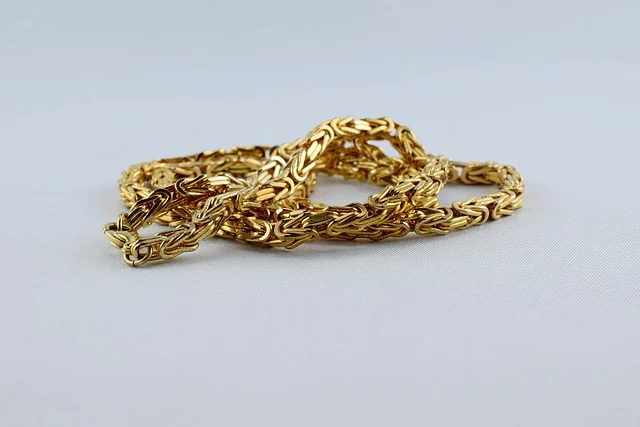
Cuban link chains
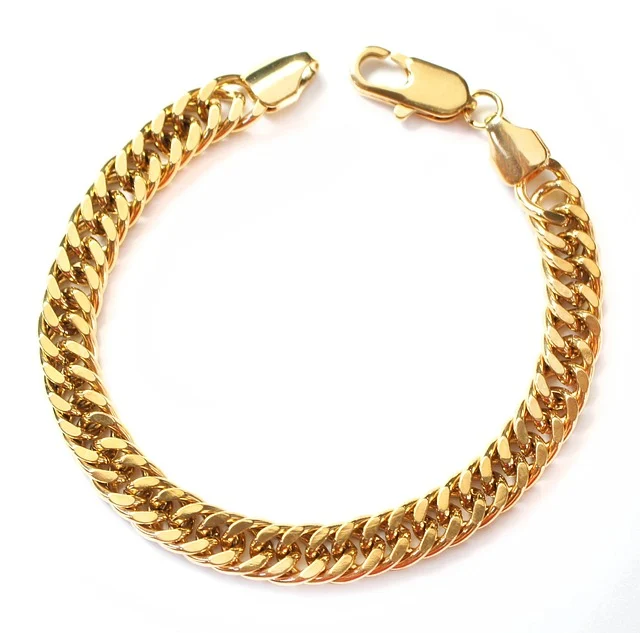
Cuban link chains feature interlocking round or oval links designed with flat faces that sit flush against your chest. The Miami Cuban variant uses tighter link spacing and a heavier, rounder outer bevel. Widths range from narrow 3mm profiles to heavy 12mm+ pieces. Cuban chains offer superior structural density, making them resistant to snapping and ideal for bold, standalone wear over shirts or against the skin.
Rope chains
Constructed from small gold oval rings joined sequentially in a twisting helix pattern, rope chains mirror the texture of physical rope. They catch light from every angle due to multi-faceted link surfaces. Diamond-cut rope chains feature precision machine cuts on outer link edges for extra sparkle. A 2mm to 4mm rope chain handles pendant wear smoothly, while 6mm+ rope chains function as striking solo necklaces.
Figaro chains
Originating in Italy, the Figaro chain follows a recurring link rhythm: three short circular links followed by one elongated oval link. This geometric spacing provides visual variation without adding excessive bulk. Figaro chains lie flat against the chest, making them a refined choice for business casual outfits or subtle daily wear.
Franco chains
Based on classic Curb link patterns, Franco chains place two to four intertwined V-shaped links together along four distinct outer sides, creating a square cross-section. As a result, this continuous weave makes Franco chains nearly impossible to twist or kink. Their tight, smooth construction prevents delicate pendants from catching, and their structural integrity supports heavy medallions without stretching.
Box chains
Box chains consist of square links stacked continuously to form a smooth, four-sided geometry. Their clean lines create an understated, modern look that does not compete visually with attachments. Thinner box chains (1mm to 3mm) are ideal for hanging cross pendants, dog tags, or geometric charms.
Mariner chains
Also known as Anchor chains, Mariner links feature oval rings bisected by a solid gold vertical bar across the center. Modeled after nautical anchor chains, the central bar reinforces each link against deformation under tension. Mariner chains lie flat, resist tangling, and provide a distinct marine-inspired aesthetic.
How do you choose the right chain length, width, and weight?
Selecting the correct chain dimensions prevents restrictive fitting at the neck. It also keeps the chain proportional to your torso size and shoulder width.
Matching length to neck size and outfit styles
Standard men’s chain lengths drop to predictable landmarks on an average torso, though thick necks (17 inches or larger) require scaling up by 2 inches to achieve the same drape:
- 18 inches: Sits directly at the collarbone. Fits like a loose choker on average frames; suits shorter necklines or slim neck sizes (under 15 inches).
- 20 inches: Sits just below the collarbone. The most versatile length for standard frames, pairing cleanly with open collars, crew neck shirts, or single pendants.
- 22 inches: Sits at the upper chest level. Great for layering under open jackets or displaying larger pendants over t-shirts.
- 24 inches: Sits at mid-chest. Ideal for holding heavy medallions or religious symbols that you prefer to keep resting on your sternum.
- 26 inches and longer: Drops to the lower chest or ribcage. Common in hip-hop fashion and bold streetwear looks, typically worn with thick, heavy link styles.
Selecting width based on frame and usage
Width dictates visual weight and presence. Chains under 3mm wide are understated and serve best as functional carriers for pendants. Widths between 4mm and 6mm represent the classic middle ground, offering clean visibility as a standalone piece without looking oversized. Widths measuring 7mm to 10mm or wider function strictly as statement jewelry, requiring a broader torso or tailored streetwear to maintain visual balance.
Solid gold vs. hollow gold chains
A chain’s stated width can be misleading if you do not check its gram weight. Jewelers manufacture hollow gold chains by wrapping thin gold sheets over removable base metals or air cores. This yields a thick 6mm chain at half the weight and cost of a solid counterpart.
While hollow gold lowers the initial purchase price, hollow links dent easily under minor pressure and crumble under accidental impacts. Once a hollow link crushes, most jewelers cannot repair or solder it back into shape cleanly. Solid gold chains feel heavier, resist crushing, and retain full repairability throughout their lifespan.
What clasps and construction features keep a gold chain secure?
A chain is only as dependable as its clasp. Losing a solid gold necklace often stems from broken spring mechanisms or thin wire loops failing under tension.
- Lobster Claw Clasp: The standard for high-quality men’s chains. It uses a spring-loaded lever mechanism enclosed in a durable teardrop shell, offering high resistance against accidental snagging.
- Spring Ring Clasp: A hollow circular ring with an internal spring wire. Common on lightweight chains under 2mm, but vulnerable to opening if pulled sharply. Avoid spring rings on heavy solid gold pieces.
- Box Clasp with Double Safety Latches: Found on heavy Cuban link chains (6mm+). A square metal tongue slides inside an outer housing and clicks into place, reinforced by two wire latches folding over the sides. This secondary lock ensures the chain stays secured even if the primary spring lever releases.
Always inspect the end-caps where the clasp connects to the main chain. Quality manufacturers solder connection rings completely shut rather than leaving a open gap in the ring that can pull apart under load.
How do you verify authentic gold and understand hallmarks?
Genuine gold jewelry features standardized hallmark stamps pressed into the end-cap link or near the clasp mechanism. Checking these marks ensures you are paying for genuine precious metal content.
Standard karat purity hallmarks include:
- 10K: Stamped as 10K, 10KT, or numeric 417 (41.7% pure gold).
- 14K: Stamped as 14K, 14KT, or numeric 585 (58.3% pure gold).
- 18K: Stamped as 18K, 18KT, or numeric 750 (75.0% pure gold).
Be vigilant for stamps indicating plated base metals rather than solid gold construction. Markings such as GP (Gold Plated), GF (Gold Filled), GE (Gold Electroplated), or HGE (Heavy Gold Electroplated) signify that the item consists primarily of non-precious metals like brass, copper, or steel. The Gemological Institute of America (GIA) provides comprehensive guides detailing how assay marks and purity stamps operate internationally.
Beyond hallmark inspection, evaluate weight and magnetism. Pure gold and its primary alloys are non-magnetic. So, if a chain sticks firmly to a strong neodymium magnet, the piece contains substantial iron or nickel base metals. A Turlock Journal incident noted in late April 2026 police blotter coverage highlighted the risk of purchasing chains from non-verified vendors, where non-precious metals are passed off as solid items. Always buy from verifiable jewelers who provide detailed invoices stating exact gram weight and karat purity.
How does a gold chain compare to gold bullion as an investment?
While solid gold chains hold intrinsic value equal to their pure metal weight, buying jewelry differs fundamentally from purchasing gold bullion bars or coins. Retail jewelry prices reflect manufacturing labor, design casting, retailer overhead, and brand markups alongside the raw spot value of gold.
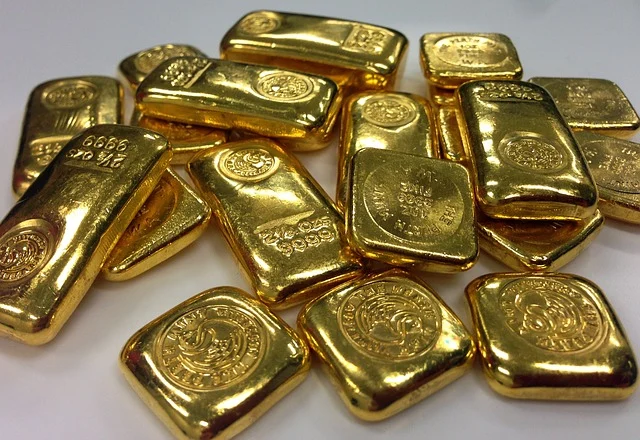
To calculate the raw melt value of a 14K gold chain weighing 30 grams:
- Multiply total weight by gold purity percentage: 30 grams × 0.583 = 17.49 grams of pure gold.
- Multiply pure gold weight by the current market spot price of gold per gram.
When you sell a gold chain to a secondary buyer or refiner, offers generally reflect this melt value rather than the original retail purchase price. However, exceptions exist if the piece possesses exceptional vintage provenance or comes from an elite luxury house. A Reuters report from late June 2026 tracked sustained strength in physical precious metal spot markets, reinforcing gold’s appeal as a long-term store of value. Similarly, the World Gold Council highlighted in its Q1 2026 report that consumer interest in wearable gold reflects a broader desire for tangible assets that combine everyday functionality with intrinsic wealth protection.
How should you style and layer men’s gold chains?
Styling a gold chain depends on outfit formality, necklines, and whether you are wearing a standalone piece or combining multiple textures.
Wearing chains solo
A single 4mm to 6mm chain worn against a plain white or black crew neck t-shirt creates a clean, intentional focal point. For formal business attire, a thinner 2mm to 3mm chain tucked inside an open collar button-down shirt provides an understated glimpse of warmth without distracting from tailored suit lines.
Layering rules and texture contrast
When pairing two or more chains, follow these guidelines to prevent tangling and visual chaos:
- Vary chain lengths by at least 2 inches: Pair an 18-inch base chain with a 20-inch secondary chain so each piece rests on its own visual plane.
- Mix link textures, not metal colors: Combine smooth, dense link styles with twisted ones—such as pairing a 4mm Miami Cuban link with a 3mm Rope chain. Keep metal colors uniform (all yellow gold or all white gold) to avoid disjointed color blocking.
- Anchor with different widths: Wear the heavier, wider chain lower down on your chest to keep the visual weight concentrated near the bottom of the arrangement.
Fashion commentators at GQ in early 2026 emphasized that clean layering works best when keeping pendant counts low—ideally one central pendant paired with a plain textured chain. You can explore complementary jewelry matching techniques by reviewing What is Fashion Jewelry? Your Guide to Trendy Accessories for guidance on ring settings and metal coordination.
Pairing chains with pendants
When selecting a chain for a pendant, ensure the chain’s width and weight match the pendant’s bail (the attachment loop). The pendant should slide freely along the chain links without grinding. The total weight of the pendant should not exceed the total weight of the chain; hanging a heavy gold medallion on a thin 1mm box chain puts severe stress on the end-cap connections, eventually snapping the wire links.
How do you clean, maintain, and store a gold chain?
Gold does not rust, but skin oils, sweat, lotions, and environmental dust build up inside link crevices over time, dimming light reflection and dulling surface polish.
Daily care routine
After wearing your chain, wipe it down using a dry microfiber cloth to clear away skin oils and perspiration. Remove gold chains before swimming in chlorinated pools or hot tubs—chlorine reacts chemically with alloy metals like nickel and copper, weakening solders and dulling surfaces.
Deep cleaning protocol
Clean your gold chain every few months using this simple, safe method:
- Fill a bowl with warm water and add a few drops of mild dish soap. Avoid bleach, ammonia, or abrasive scrubbing powders.
- Soak the chain for 10 to 15 minutes to break down oils trapped inside link junctions.
- Gently brush the links using an extra-soft toothbrush, paying close attention to clasps and tight link weaves like rope or Franco patterns.
- Rinse thoroughly under lukewarm running water to flush away soap residue.
- Pat dry completely with a lint-free cloth and let the chain sit flat on a towel until all internal link joints are fully moisture-free.
Storage practices
Store gold chains individually inside fabric-lined pouches or soft compartments. Lay thin chains flat or hang them vertically from jewelry hooks to prevent stubborn kinks. Never stack multiple chains loosely inside a single drawer, as hard contact scratches outer polish and causes tangles. Brands like VIRAGE London introduced tarnish-resistant finished collections to meet growing demands for low-maintenance luxury wear, but solid karat gold remains the easiest material to restore through standard buffing.
What common buying errors should you avoid?
Avoiding these common mistakes prevents buyer’s remorse and protects your purchase:
- Comparing chains by price instead of gram weight: A $1,000 chain weighing 20 grams offers far better value than an $800 chain weighing only 10 grams. Always demand to know the exact gram weight before buying.
- Buying hollow gold for heavy daily activity: Hollow chains collapse under impact and cannot be repaired cleanly. Stick to solid gold if you plan to wear your chain during sports, manual work, or sleep.
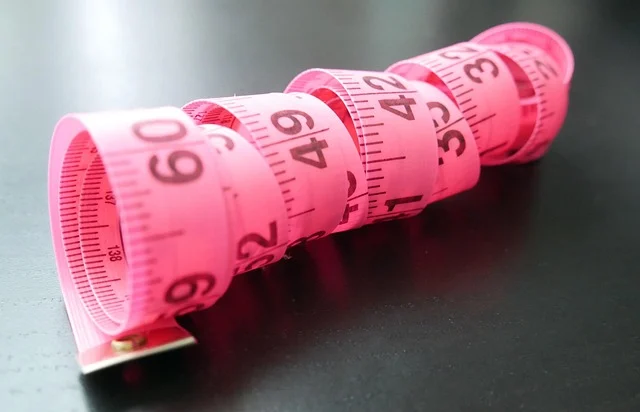
- Ignoring neck size measurements: Ordering a standard 20-inch chain without checking your shirt collar size can result in a tight fit if your neck circumference exceeds 17 inches.
- Matching small bails to thick links: Purchasing a pendant with a 4mm bail opening for a 6mm Cuban chain prevents the pendant from sliding onto the necklace.
Frequently asked questions
What is the most popular gold chain style for men?
The Miami Cuban link remains the most popular style due to its flat profile, exceptional link strength, and bold visual impact. Rope chains and Franco chains are also widely favored for their versatility and light-reflecting textures.
What karat of gold is best for an everyday men’s chain?
14K gold is widely considered the best choice for daily wear because it contains 58.3% pure gold combined with durable alloy metals. This provides a rich golden hue while resisting scratches, bending, and denting better than softer 18K or 24K gold.
How much does a genuine solid men’s gold chain cost?
Pricing for a solid 14K gold men’s chain ranges from $800 for thin 2mm styles up to $3,000–$6,000+ for heavy 5mm–8mm Cuban links, depending directly on the piece’s total gram weight and current gold spot prices.
Can men wear gold chains with pendants?
Yes, pairing a gold chain with a pendant creates a tailored personal statement. Ensure the chain style (such as a Franco or Box chain) supports the weight of the pendant and that the chain width fits smoothly through the pendant’s bail loop.
Is a gold chain a good investment?
A solid gold chain retains intrinsic value based on its gold content and weight, making it a tangible asset that tracks gold market appreciation. However, retail markups mean it should be viewed primarily as functional luxury jewelry rather than pure bullion investment.


