








Crystal Healing vs. Gemstone Jewelry: Which is Right for You?
When exploring ways to enhance your well-being and personal style, the world of crystals and gemstones often comes up. But are crystal healing sessions and wearing gemstone jewelry the same thing? Not quite. While both tap into the unique energies of earth’s treasures, they serve distinct purposes. As of May 2026, understanding these differences is key to choosing what truly resonates with your lifestyle and spiritual goals.
Last updated: May 6, 2026
What Exactly is Crystal Healing?
Crystal healing is a complementary therapy that uses the vibrational energy of crystals to promote physical, emotional, and spiritual healing. Practitioners believe that crystals possess unique frequencies that can interact with the body’s energy field, or aura, to clear blockages, balance chakras, and restore harmony.
The practice typically involves direct interaction. This could mean a therapist placing specific crystals on your body’s chakras during a session, or you might use crystals yourself by meditating with them, creating crystal grids, or placing them around your home.
The intention behind crystal healing is to address specific issues, whether it’s stress reduction, boosting confidence, or enhancing intuition. The stones are chosen based on their known properties and the individual’s needs.
The Role of Gemstone Jewelry
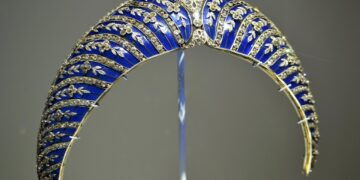
Gemstone jewelry, on the other hand, is primarily about personal adornment that also carries energetic benefits. While the aesthetic appeal is often the initial draw, many people choose jewelry featuring specific gemstones for their perceived metaphysical properties.
Wearing a crystal as jewelry means its energy is in close proximity to your body for extended periods. Crystal Healing vs. Gemstone Jewelry: Which is Right for You? Offers a more subtle, continuous energetic influence compared to the concentrated experience of a healing session. Think of it as a constant, gentle support system.
For example, wearing a rose quartz pendant is often chosen for its association with love and emotional healing, while a lapis lazuli ring might be worn to enhance communication and intuition. The beauty of gemstone jewelry is its smooth integration into daily life.
Crystal Healing vs. Gemstone Jewelry: Key Differences
Intensity and Immediacy
Crystal healing sessions are designed for a more immediate and intense energetic experience. The practitioner’s skill in selecting and placing stones, combined with focused intention, aims to create a potent shift in energy.
Gemstone jewelry offers a gentler, more diffused energetic effect. While consistent wear can lead to noticeable changes, it’s generally a slower, more gradual process. It’s about sustained exposure rather than concentrated intervention.
Application and Lifestyle
Crystal healing often requires dedicated time and space, whether it’s an hour-long session with a practitioner or a personal meditation practice. It’s an active engagement with the stones.
Gemstone jewelry is passive support. You wear it throughout your day, allowing its energy to work subtly in the background. This makes it ideal for individuals with busy schedules who want to benefit from crystal energy without needing to set aside extra time.
Personalization and Intent
While both can be highly personalized, crystal healing allows for a tailored approach dictated by a specific issue or goal. A healer might use a combination of stones, techniques, and affirmations unique to your situation.
Gemstone jewelry is chosen based on your understanding of stone properties and your personal preferences. You select pieces that speak to you and align with the energies you wish to cultivate.
How to Choose Which is Right for You
Consider Your Goals
Are you seeking significant energetic shifts, relief from specific ailments, or deep emotional clearing? Crystal healing sessions might be more appropriate. If you’re looking for general well-being, stress reduction, or a boost in confidence that you can carry with you daily, gemstone jewelry is a fantastic choice.
Evaluate Your Lifestyle
If your schedule is packed, and you can’t commit to regular healing sessions, gemstone jewelry is the more practical option. It offers continuous energetic support without demanding extra time. For those who enjoy dedicated self-care rituals, crystal healing can be a profound addition.
Trust Your Intuition
Ultimately, the best approach is the one that feels right to you. Pay attention to which stones and methods call to you. Sometimes, the answer isn’t “either/or” but “both/and.” Many people find great benefit in combining regular healing sessions with wearing their favorite gemstone jewelry.
Gemstone Jewelry: Practical Considerations
Durability and Care
Not all gemstones are created equal when it comes to durability. As of 2026, the Mohs hardness scale remains a key factor. Softer stones like lapis lazuli (5-6) or opal (5.5-6.5) are more prone to scratches and damage than harder stones like quartz (7) or sapphire (9).
For daily wear, consider harder stones like amethyst, citrine, or agate. Always store your gemstone jewelry properly, ideally in a soft pouch or lined box, to prevent scratching and damage. Gentle cleaning with mild soap and water is usually sufficient, but check specific care instructions for delicate stones.
Ethical Sourcing and Authenticity
The ethical sourcing of gemstones is a growing concern for consumers. As of May 2026, reputable jewelers are increasingly transparent about their supply chains. Look for certifications or statements about conflict-free mining and fair labor practices. Be wary of prices that seem too good to be true, as they might indicate synthetic stones or fraudulent claims.
For example, a large, flawless diamond at a fraction of market price is a red flag. Similarly, when buying crystals for healing, ensure they are natural and ethically sourced. Websites like the Gemological Institute of America (GIA) offer resources on gemstone identification and ethics.
Choosing Stones for Your Jewelry
When selecting gemstone jewelry for its energetic properties, consider what you want to attract or balance. For grounding, try black tourmaline or hematite. For clarity and focus, clear quartz or aquamarine are excellent choices. For emotional balance, consider moonstone or rose quartz.
Many jewelry designers are now creating pieces with specific energetic intentions, making it easier to find jewelry aligned with your wellness goals. For instance, a necklace designed to promote restful sleep might feature amethyst or lepidolite.
Crystal Healing: Deeper Dive into Practice
Types of Crystal Healing Techniques
Beyond simply placing stones on the body, crystal healing encompasses various techniques. Grid work involves arranging crystals in specific geometric patterns to amplify their collective energy for a particular purpose. Crystal elixirs or gem waters involve infusing water with the energy of a crystal (using indirect methods for toxic stones), which can then be consumed or used topically.
Chakra balancing is a common technique where crystals are placed on corresponding chakra points to clear energetic blockages. Each chakra is associated with specific colors and stones, like red for the root chakra (e.g., garnet) or blue for the throat chakra (e.g., sodalite).
Finding a Qualified Practitioner
If you’re considering professional crystal healing, finding a qualified practitioner is crucial. Look for someone with training from a reputable institution and positive testimonials. A good practitioner will take a detailed client history, explain their methods, and create a safe, supportive environment.
According to the National Association of Complete Aromatherapy (NAHA), practitioners in complementary therapies often have certifications that indicate a level of training and adherence to ethical standards, though crystal healing itself is not regulated by a single global body.
Integrating Crystals into Daily Life
Even if you don’t attend regular sessions, you can incorporate crystal healing principles into your daily routine. Keep a favorite crystal on your desk for focus, place amethyst in your bedroom for tranquility, or carry a small tumbled stone in your pocket as a grounding anchor.
Creating a small crystal grid at home for a specific intention, like abundance or peace, can also offer continuous energetic support without requiring dedicated session time. This bridges the gap between active healing and passive adornment.
Common Mistakes to Avoid
Misunderstanding Stone Properties
A common pitfall is assuming all stones work the same way or are suitable for every situation. For instance, using a highly stimulating crystal like carnelian for sleep may be counterproductive. Researching individual stone properties is essential.
Also, some stones, like malachite or turquoise, can be toxic if ingested or used improperly in elixirs. Always use indirect methods for creating gem waters with such stones, or avoid them altogether for internal use. The American Federation of Mineralogical Societies (AFMS) provides extensive information on mineral properties and safety.
Over-Reliance or Expecting Miracles
Both crystal healing and gemstone jewelry are best viewed as complementary tools, not replacements for conventional medical care. Relying solely on crystals for serious health conditions can be dangerous. They work best when integrated into a complete approach that includes professional medical advice and treatment.
Manage your expectations. While many users report profound benefits, the effects are often subtle and personal. What works powerfully for one person may have a different impact on another.
Ignoring the Aesthetic Aspect of Jewelry
When choosing gemstone jewelry, especially if you aim for daily wear, don’t overlook your personal style. If a piece doesn’t appeal to you aesthetically, you’re less likely to wear it consistently, thereby reducing its potential energetic benefit. Find pieces that you love to look at and touch.
Tips for Maximizing Benefits in 2026
Cleanse and Charge Your Stones Regularly
Whether in jewelry or used for healing, crystals absorb and release energy. Regularly cleansing them — using methods like smudging with sage, rinsing under running water (for durable stones), or placing them in moonlight — removes stagnant energy. Charging them by placing them in sunlight or moonlight amplifies their positive vibrations.
Set Clear Intentions
Before a healing session or when wearing new jewelry, take a moment to set a clear intention. Focus on what you wish to manifest or balance. This focused energy amplifies the stones’ natural properties and directs their power effectively.
Combine Approaches
The most powerful approach often lies in combination. Wear a grounding gemstone like black tourmaline daily while also engaging in weekly crystal healing sessions focused on emotional release. This layered approach can address different aspects of your well-being simultaneously.
Stay Informed on Trends
As of 2026, there’s a growing trend in artisanal, ethically sourced gemstone jewelry designed with specific wellness intentions. Brands are becoming more transparent about their sourcing and the metaphysical properties of their pieces, offering consumers more informed choices.
For example, many small businesses and larger retailers now offer curated collections for specific needs like “stress relief,” “focus,” or “creative flow,” often accompanied by detailed explanations of the stones used and their intended benefits. This makes it easier than ever to find jewelry that aligns with your personal journey.
Frequently Asked Questions
Can I use my gemstone jewelry for crystal healing?
Yes, absolutely. While not as potent as a dedicated session with a healer, wearing gemstone jewelry keeps the stones’ energy close to your body, offering subtle support and can be used in personal meditation or grid work.
How often should I cleanse my gemstone jewelry?
It’s recommended to cleanse your gemstone jewelry at least once a month, or more frequently if you feel it has absorbed negative energy or after intense emotional experiences.
Are lab-created gemstones as effective as natural ones for healing?
Many practitioners believe natural gemstones hold a purer, more authentic energy. However, lab-created stones can still possess energetic qualities, and personal belief plays a significant role in their perceived effectiveness.
What is the difference in cost between crystal healing services and gemstone jewelry?
Crystal healing sessions with a practitioner can range from $75 to $200 per hour, depending on location and experience. High-quality gemstone jewelry can range from $50 for simple tumbled stone pieces to thousands for fine jewelry with precious gems.
Can I mix different types of gemstones in my jewelry?
Yes, you can mix gemstones. Some combinations are believed to enhance each other’s properties, while others might neutralize them. Researching gemstone compatibility or working with a knowledgeable jeweler is advisable.
Is crystal healing scientifically proven?
Crystal healing is considered a complementary and alternative medicine practice. While many users report benefits, scientific evidence validating its efficacy for specific medical conditions is limited. It’s not a substitute for conventional medical treatment.
Information current as of May 2026; pricing and product details may change.
Source: Vogue
Editorial Note: This article was researched and written by the Anarchy Label editorial team. We fact-check our content and update it regularly. For questions or corrections, contact us. Knowing how to address Crystal Healing vs. Gemstone Jewelry: Which is Right for You? Early makes the rest of your plan easier to keep on track.
Related read: How to Style Carpenter Pants in 2026: Your Ultimate Guide.