












Gemstones and meanings connect specific natural minerals to personal intentions and emotional states, helping individuals select stones like calming Amethyst or prosperity-focused Citrine to support their personal goals. These traditional associations stem from ancient folklore, cultural history, and psychological focus rather than scientifically validated medical healing abilities.
The rest of this guide explores the historical origins of mineral symbolism and provides practical criteria for choosing stones by intention, birthstone, color, and Mohs scale durability. It also outlines the meanings of popular gemstones, daily usage methods, and essential guidelines for safely cleaning, caring for, and storing your collection.
Gemstones and Meanings: Practical Symbolism and Uses
Gemstones and meanings connect specific natural minerals to personal intentions, emotional states, and symbolic qualities rooted in ancient folklore, cultural traditions, and modern holistic practices. These associations assign distinct attributes—such as Amethyst for calm or Citrine for prosperity—helping individuals select stones that align with their mental, spiritual, or aesthetic goals.
While minerals are defined scientifically by their chemical composition and crystalline structure, people have long looked to gemstones for comfort, mindfulness focus, and personal expression. Understanding these traditional attributes makes it easier to pick jewelry or decorative accents that resonate with your daily life.
Why do gemstones carry symbolic meanings?
The belief in the power of natural stones spans across centuries and cultures. According to historical resources such as Britannica, ancient civilizations valued minerals for both practical adornment and spiritual protection. Ancient Egyptians used lapis lazuli in amulets to represent royal status and cosmic truth, while early Greeks and Romans wore protective talismans to ward off misfortune. During the Renaissance, physicians frequently prescribed specific minerals for physical ailments, establishing a long tradition of linking physical health with earthly elements.
Modern interest in crystal symbolism combines historical lore with psychological resonance. According to records from the Gemological Institute of America (GIA) in 2023, gemstones have held symbolic value alongside financial worth throughout documented history. Scientific studies, including research published in the Journal of the Royal Society Interface (2011), highlight that while stones do not possess scientifically validated medical healing abilities, the psychological benefits derived from belief, personal routine, and visual focus are significant. Certain minerals also exhibit distinct physical phenomena, such as the piezoelectric effect in quartz discovered by Pierre Curie, where mechanical stress generates an electrical charge. Although this physical property does not translate directly into energetic healing, it illustrates how natural minerals interact with physical forces.
How do you choose the right gemstone?
Selecting a stone depends on your primary goal, whether you want daily emotional grounding, a meaningful gift, or durable wearable jewelry. Rather than relying solely on lore, evaluate stones through several clear criteria:
- By Intention: Match the stone’s traditional symbolism to your personal goals. Choose Amethyst for stress reduction, Tiger’s Eye for confidence during challenging tasks, or Citrine for focus on professional growth.
- By Birthstone: Wearing traditional birthstones offers a personal connection tied to your birth month or astrological sign, making them popular for personal talismans and customized jewelry.
- By Color and Energy Center: Color symbolism links directly to mood and traditional chakra practices. Green and pink stones (such as Rose Quartz and Green Tourmaline) align with heart-centered emotional balance, while blue stones correspond to communication and clarity.
- By Durability: If you plan to wear your stone daily in a ring or bracelet, evaluate its hardness on the Mohs scale. Softer stones like opals and pearls scratch easily, whereas quartz, sapphires, and rubies withstand heavy daily wear.
What are the meanings of popular gemstones?
Understanding popular stones and their meanings helps you quickly identify which mineral fits your personal focus or setting preferences.
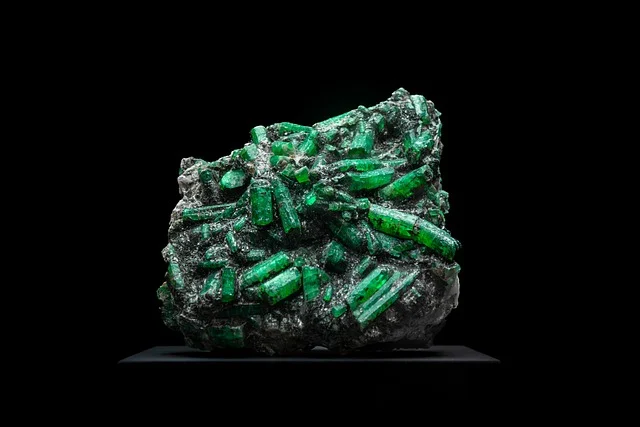
| Gemstone | Color | Common Meanings | Associated Chakra | Mohs Hardness |
|---|---|---|---|---|
| Amethyst | Purple | Calmness, intuition, spiritual awareness | Third Eye, Crown | 7 |
| Rose Quartz | Pink | Unconditional love, emotional healing, compassion | Heart | 7 |
| Clear Quartz | Clear or White | Clarity, intention amplification, focus | All Chakras | 7 |
| Citrine | Yellow to Golden Brown | Abundance, prosperity, personal energy | Solar Plexus | 7 |
| Tiger’s Eye | Golden Brown | Courage, strength, practical grounding | Solar Plexus, Root | 6.5 – 7 |
| Lapis Lazuli | Deep Blue with Gold Flecks | Wisdom, truth, clear communication | Throat, Third Eye | 5 – 5.5 |
| Black Tourmaline | Black | Grounding, protection, stress absorption | Root | 7 – 7.5 |
| Green Tourmaline | Green | Vitality, emotional balance, renewal | Heart | 7 – 7.5 |
How can you use gemstones in daily life?
Integrating gemstones into your routine works best when focused on consistency and practical intent:
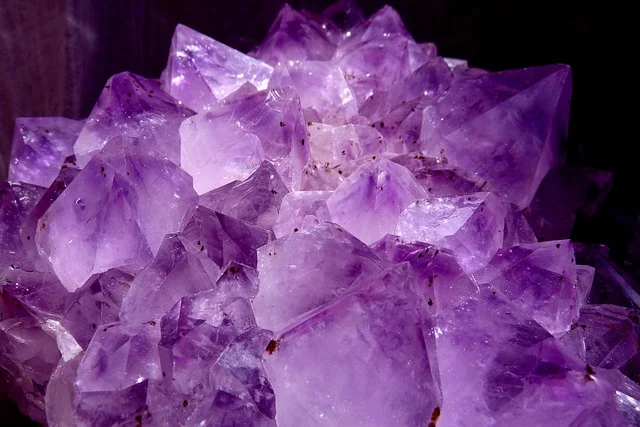
- Wear Gemstone Jewelry: Rings, necklaces, and bracelets keep stones directly against your skin, serving as constant sensory reminders of your personal goals.
- Incorporate into Meditation: Hold a stone during quiet reflection or place it near your workspace to maintain attention on specific intentions.
- Place in Your Living Space: Position specific minerals in key rooms, such as placing Amethyst on a bedside table for a restful environment or Citrine on an office desk for project focus.
- Carry Pocket Stones: A smooth, tumbled stone carried in a pocket provides a grounding physical object to touch during stressful moments.
Avoid placing soft or porous minerals directly into drinking water to create “crystal elixirs.” Toxic minerals like Cinnabar (mercury sulfide), Malachite (copper carbonate), and Orpiment (arsenic sulfide) leach harmful substances into liquid and should never be used in elixirs or held against broken skin.
How do you clean and care for gemstones?
Routine cleansing and maintenance keep physical gemstones looking bright and help reset symbolic rituals.
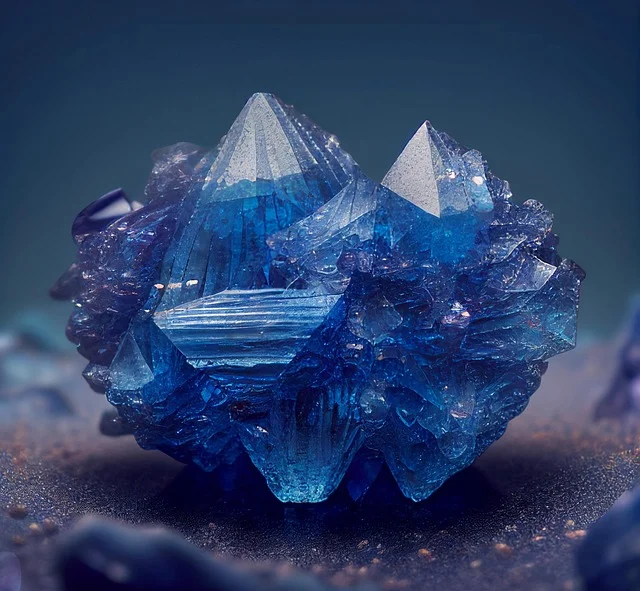
- Physical Cleaning: Wash hard non-porous stones with mild soap and lukewarm water. Avoid harsh chemical cleaners or ultrasonic machines on soft or fractured stones like Emeralds, Turquoise, or Opals.
- Symbolic Cleansing: Pass stones through sage or palo santo smoke, exposure to natural sound vibrations from singing bowls, or resting them on a bed of natural salt. Avoid soaking porous or metallic stones in salt water, as salt degrades minerals like Selenite or Pyrite.
- Recharging Practice: Place stones on a windowsill during a full moon or under indirect morning sunlight for a few hours. Keep light-sensitive stones like Amethyst and Rose Quartz out of prolonged direct sunlight to prevent color fading.
Sources: Gemstone
Frequently asked questions
Are gemstones scientifically proven to heal illnesses?
No solid scientific evidence shows that gemstones possess medical healing powers capable of curing physical diseases. The benefits people experience stem primarily from emotional comfort, visual focus, and psychological responses connected to intentional ritual.
How often should you cleanse your gemstones?
Cleansing once a week or bi-weekly works well for daily-worn jewelry or stones used frequently in meditation. Perform a cleaning sooner if a stone collects visible grime or feels spiritually heavy after stressful situations.
Can you use any gemstone for any intention?
You can set any personal goal with any mineral, but using stones traditionally aligned with specific qualities—like Rose Quartz for compassion—creates stronger symbolic alignment and clearer focus.
What is the safest way to store gemstones?
Store gemstones individually in soft fabric pouches or lined compartments in a jewelry box. Keeping them separate prevents harder minerals like quartz from scratching softer gemstones like lapis lazuli or pearls.
Which gemstones require extra handling care due to toxicity?
Minerals containing heavy metals or toxic elements—such as Malachite, Cinnabar, Orpiment, and Realgar—require careful handling. Always wash hands after handling raw specimens of these minerals and never submerge them in beverage liquids.


