











To choose a flattering short haircut, match the cut’s geometry to your face shape: oval faces suit almost any crop, round profiles benefit from top volume, square jaws need soft layering, heart shapes require chin-level width, and oblong faces thrive with side volume and bangs. Aligning these proportions creates visual balance while highlighting your cheekbones and jawline.
The rest of this guide details how to accurately determine your exact face shape by measuring your forehead, cheekbones, jawline, and face length. It outlines specific haircuts, bang options, and cutting techniques tailored to each silhouette, while explaining how to adapt current short hair trends to your facial architecture.
The Ultimate Guide to Short Haircuts for Every Face Shape in 2026
To choose the most flattering short haircut, match the cut’s geometry to your face shape: oval faces suit almost any crop, round profiles benefit from top volume, square jaws need soft layering, heart shapes require chin-level width, and oblong faces thrive with side volume and bangs. Aligning these proportions creates visual balance while highlighting your cheekbones and jawline. The Ultimate Guide to Short Haircuts for Every Face Shape in 2026 outlines how specific perimeter lines, interior layering, and bang placements transform your silhouette. Whether you are contemplating a drastic chop or planning a short hair transition, selecting a cut tailored to your facial architecture guarantees an effortless, flattering result.

How do you determine your exact face shape?
Accurately determining your face shape ensures you choose a short style that enhances your natural bone structure rather than competing with it. To measure your face precisely, pull your hair completely back into a tight ponytail or headband, stand before a well-lit mirror, and evaluate four key measurements using a flexible tape measure or a dry-erase marker traced onto the glass mirror:
- Forehead Width: Measure across the widest part of your forehead, halfway between your eyebrows and your hairline.
- Cheekbone Width: Measure from the outer corner of one eye across the top of your cheekbones to the outer corner of the other eye.
- Jawline Width: Measure from the base of your jaw beneath your ear to the center of your chin, then multiply that number by two.
- Face Length: Measure from the center of your hairline down over the bridge of your nose to the tip of your chin.
Once measured, compare your proportions:
- Oval: Face length is approximately 1.5 times the cheekbone width, with a forehead slightly wider than a gently curved jawline.
- Round: Face length and cheekbone width are nearly equal, featuring soft, rounded jaw contours without sharp angles.
- Square: Forehead, cheekbone, and jawline measurements are nearly equal, paired with a sharp, defined jaw angle.
- Heart: Forehead and cheekbone measurements are wider than the jawline, tapering down to a narrow or pointed chin.
- Oblong (Long): Face length is significantly greater than cheekbone width, with straight cheek lines and a uniform width from forehead to jaw.
What short haircuts look best on oval face shapes?
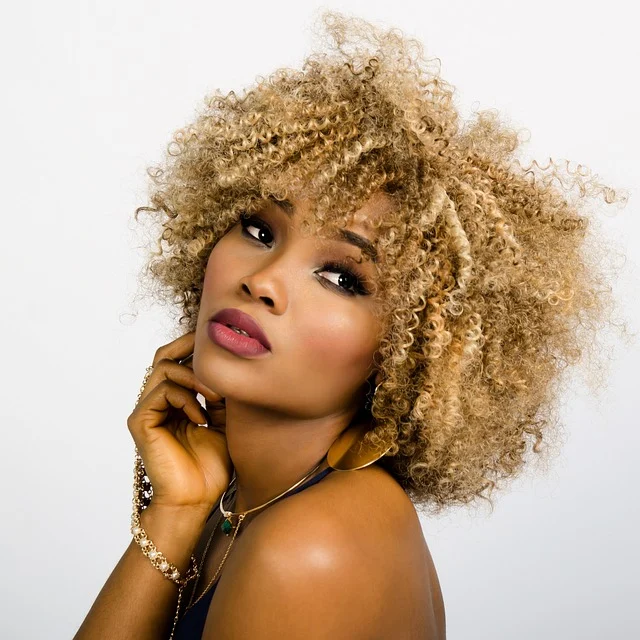
Oval face shapes possess naturally balanced proportions, making them compatible with almost every short haircut silhouette. Because the width of your forehead and jaw is already harmonious, your haircut choices do not need to correct asymmetry or build artificial width; instead, the focus shifts toward highlighting specific facial features like your cheekbones, eyes, or lips.
Top recommended cuts for oval faces
- Textured Pixie Crop: A closely cropped pixie with soft, textured layers on top highlights cheekbone structure and draws attention to the eyes.
- Blunt Chin-Length Bob: A crisp blunt bob ending exactly at the jawline emphasizes the symmetry of an oval face and provides a sleek profile.
- Modern Short Shag: Combining choppy layers with a soft fringe frames the face while adding movement and crown texture.
Bangs and styling options
Oval shapes can wear almost any fringe variation, from micro-bangs to soft curtain fringe. However, avoid extremely heavy, unlayered front sections that extend far past the chin without internal layering, as excessive length hanging around the sides can visually drag down your naturally balanced features.
Which short styles add definition to round face shapes?
Round face shapes feature soft curves, full cheekbones, and nearly equal height and width ratios. The goal when selecting a short haircut for a round face is to create vertical elongation, build height at the crown, and introduce structural angles that visually slim the cheeks.

Top recommended cuts for round faces
- Asymmetrical Bob: A cut that sits shorter at the nape and slants longer toward the front breaks up circular facial symmetry and creates a diagonal line that elongates the neck and jawline.
- Pixie with Volume on Top: Keeping the sides cropped close while building height through a textured quiff or pompadour adds vertical length to the face.
- Deep Side-Parted Crop: Shifting your hair’s part to the extreme side disrupts roundness and directs the viewer’s eye along a slimming diagonal path.
Styles and lines to avoid
Avoid severe, chin-length blunt cuts that curve inward toward the cheeks, as well as full, flat horizontal bangs. These lines accentuate face width and reinforce the circular outline rather than elongating it.
How can a short haircut soften a square face shape?
Square face shapes feature a broad forehead, prominent cheekbones, and a strong, angular jawline of similar width. Short haircuts for square faces should focus on diffusing hard angles, creating soft movement around the jaw, and introducing rounded volume to balance structural squareness.
Top recommended cuts for square faces
- Soft Layered Lob or Long Bob: Falling just below the jawline with interior texture, a soft lob breaks up the straight lines of the jaw and adds fluid movement.
- Rounded Bob with Wispy Fringe: A bob with curved internal layers paired with curtain or wispy fringe softens a broad forehead and rounds out strong cheek angles.
- Textured Feathered Pixie: A pixie cut with wispy, feathered side sections and soft perimeter edges takes the edge off an angular chin.
Cutting techniques to request
Ask your stylist for point-cutting, razor slithering, and interior weight removal rather than sharp, horizontal blunt lines. Blunt box bobs resting directly at jaw height reflect the jaw’s angle and make the face appear wider and more rigid.
What short haircuts balance a heart-shaped face?
Heart-shaped faces feature a wide forehead and high cheekbones that taper down into a narrow, pointed chin. The main objective of a short haircut for heart shapes is to reduce visual width across the top third of the face while building volume around the lower jawline to equalize proportions.

Top recommended cuts for heart faces
- Chin-Length Layered Bob: A bob that ends precisely at or slightly below the chin adds visual width where the face is narrowest, creating a balanced, oval illusion.
- Side-Swept Pixie Cut: A pixie with longer, textured pieces sweeping across the forehead minimizes forehead width while leaving the jaw area exposed and balanced.
- Collarbone Bob with Flipped Ends: A slightly longer short cut with outward-textured or flipped ends fills in the narrow space around the neck and chin.
Bangs for heart shapes
Side-swept bangs or light curtain fringe work exceptionally well to soften a prominent hairline or wide forehead without completely hiding your features. Avoid dense, heavy crown height paired with shaved sides, which expands the upper face while leaving the chin looking overly pointed.
Which short haircuts work best for long or oblong faces?
Oblong or long faces feature vertical length that is significantly greater than horizontal width, often accompanied by straight cheek contours and a taller forehead. The goal for a short haircut on an oblong face is to add horizontal width at the cheekbones and shorten the vertical expanse.

Top recommended cuts for oblong faces
- French Bob with Full Fringe: A chin-grazing French bob combined with a straight-across or piecey fringe instantly covers forehead height and expands width around the cheeks.
- Wavy or Curly Short Crop: Introducing waves or curl volume at the sides creates horizontal bulk that counteracts vertical face length.
- Pageboy or Chin-Grazing Shag: Soft layering that flares outward around the cheekbones builds fullness where long faces need it most.
Styles to avoid
Steer clear of extreme top height, such as high pompadours or sky-high faux hawks, as well as slicked-back styles without side volume. These options amplify vertical length, making the face look longer than it is.
How do current short hair trends adapt to different face shapes?
Adapting modern beauty trends to your specific facial geometry allows you to wear trendy cuts while maintaining flattering proportions.
The Micro-Bob
The micro-bob sits above the jawline, usually resting around the lip or cheekbone level. It suits oval and heart face shapes exceptionally well by highlighting high cheekbones. For round or square face shapes, stylists modify the micro-bob by adding soft, piecey texture at the perimeter to prevent a rigid horizontal block.
The French Fringe
Short, airy baby bangs and textured French fringes shorten vertical length on oblong faces and frame oval profiles. For heart faces, softening the edges of the fringe so they taper down toward the cheekbones prevents emphasizing forehead width.
Textured Pixies and Micro-Shags
Multi-layered pixies and micro-shags offer total customization. Stylists adjust weight distribution—adding top volume for round faces, softening side pieces for square faces, or adding lower lateral fullness for heart shapes—making these textured cuts adaptable to every individual.
Which short haircut suits your hair texture and density?
Face shape establishes the outline of your ideal haircut, but your natural hair texture and density dictate how the cut behaves on a daily basis.
Fine Hair Considerations
For fine hair, excessive layering can make the perimeter look thin and stringy. Opting for crisp perimeters, blunt base lines, or light interior point-cutting gives fine strands the illusion of thickness and density. When selecting cuts for fine hair, maintain a solid baseline around the bottom edge.
Thick and Coarse Hair
Thick hair holds volume naturally, but short cuts can quickly flare outward into an unwanted triangular shape if weight isn’t managed. Stylists must use interior carving, slithering, or undercut techniques to remove bulk beneath the crown, allowing the top layers to lie flat against the head.
Wavy and Curly Hair
Short cuts on wavy or curly hair shrink significantly as they dry. Cuts must be tailored to your natural curl pattern, often cut dry to ensure individual curls frame the cheekbones and jawline accurately without springing up too short.
Short haircut comparison by face shape and maintenance level
Comparing key short haircut styles helps identify which option matches your facial shape, hair texture, and daily lifestyle requirements.
| Style Name | Primary Face Shape | Secondary Face Shape | Ideal Hair Texture | Trim Frequency | Daily Styling Effort |
|---|---|---|---|---|---|
| Textured Pixie | Oval | Round (with crown height) | Fine to Medium | 4–5 weeks | Low (tousle with wax) |
| Asymmetrical Bob | Round | Square | Straight to Wavy | 6 weeks | Medium (blow-dry smooth) |
| French Bob with Fringe | Oblong | Oval | Medium to Thick | 5–6 weeks | Medium (fringe styling required) |
| Chin-Length Layered Bob | Heart | Square | Fine, Medium, or Wavy | 6–8 weeks | Low to Medium |
| Micro-Bob | Oval | Heart | Straight or Fine | 4–6 weeks | Medium to High |
| Modern Short Shag | Square | Oblong | Wavy or Curly | 6–8 weeks | Low (wash and wear) |
How to communicate with your stylist at your salon appointment
Choosing the right short haircut requires absolute clarity during your salon consultation.
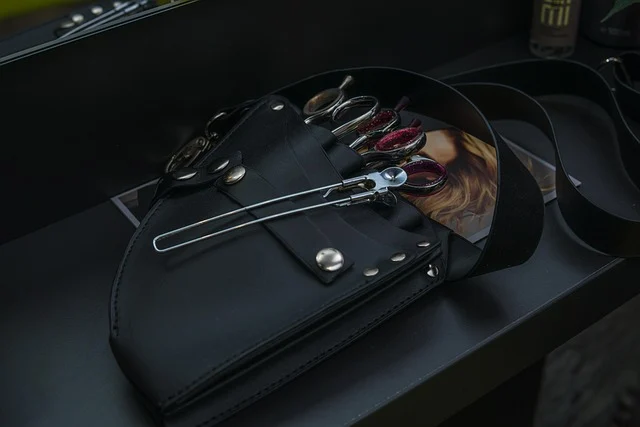
- Bring multiple reference photos: Show 2–3 photos of cuts you like, pointing out specific elements such as length at the jaw, bang style, or layer height. Also bring one photo of a style you dislike to define clear boundaries.
- Discuss daily styling reality: Be honest about how many minutes you spend on your hair each morning and whether you routinely use hot tools, blow-dryers, or air-drying products.
- Analyze hair growth direction: Have your stylist check your growth patterns, crown cowlicks, and hairline before cutting. Strong cowlicks influence bang behavior and nape laying.
- Confirm trimming commitment: Short cuts lose their structured shape faster than long layers. Clarify whether the proposed cut requires salon maintenance every 4 weeks or allows growth up to 8 weeks.
Essential styling techniques and product routines for short hair
Maintaining a crisp short haircut requires proper cleansing habits, routine maintenance, and targeted styling products tailored to your haircut’s structure.
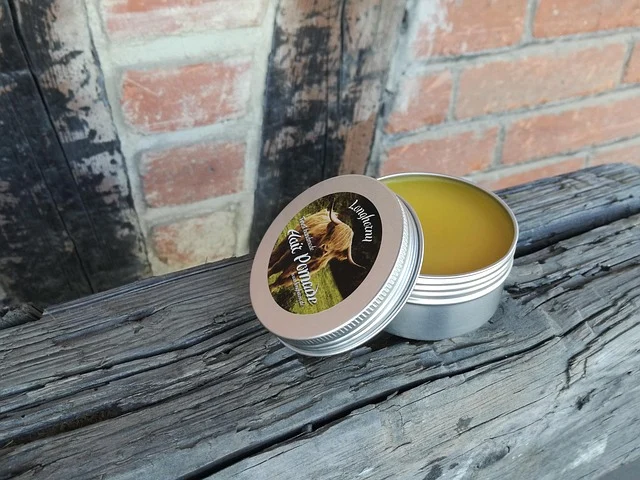
Cleansing and Scalp Care
Short hair sits closer to the scalp, making oil and product accumulation more visible at the roots. Using a detoxifying clarifying shampoo once a week clears away heavy waxes, dry shampoos, and styling residues, keeping your scalp healthy and your hair buoyant.
Product Application Strategy
- Fine or Thin Short Cuts: Apply volumizing mousse or root-lifting spray to damp hair before blow-drying with a small round brush. Avoid heavy pomades at the roots.
- Pixies and Textured Crops: Warm a dime-sized amount of matte clay or styling wax between your palms and work it through dry ends to create piecey definition.
- Bobs and Lobs: Use a heat protectant spray followed by a lightweight smoothing lotion or serum. If styling bangs, applying targeted fringe products prevents stiffness while maintaining natural movement throughout the day.
- General Maintenance: Keeping high-performing short hair formulas in your routine prevents frizz and retains weightless volume between trims.
Sources: The Simpsons shorts
Frequently asked questions
Will a short haircut make my face look rounder?
A short cut will only emphasize roundness if it creates a rigid, horizontal block directly at the widest point of your cheeks. Cuts featuring top volume, asymmetrical angles, or side-swept fringe draw the eye vertically and narrow facial width.
How often do short haircuts require maintenance trims at the salon?
Precision pixies and micro-bobs require trims every 4 to 5 weeks to maintain their clean lines and perimeter structure. Softly layered bobs, lobs, and short shags can typically extend to 6 to 8 weeks between salon appointments.
Can you get a short haircut if you have very thick or curly hair?
Yes, thick and curly hair works exceptionally well with short cuts when proper weight removal techniques are used. Stylists use dry cutting, interior layering, and point-cutting to prevent bulk building around the jawline and ensure curls frame your face properly.
What is the main difference between a micro-bob and a standard bob haircut?
A micro-bob ends above the jawline around cheekbone or lip height, whereas a standard bob usually sits directly at jaw level or slightly below. Micro-bobs emphasize high cheekbones, while standard bobs offer more length and styling versatility.


