













A Burst of Color: Why Cosmos Flowers Are a Gardener’s Dream
Imagine a garden bursting with cheerful, daisy-like blooms that dance in the breeze,, and attract beneficial pollinators. That’s the magic of the cosmos flower, a beloved annual known for its vibrant colors and ease of growth. As of June 2026, these resilient plants continue to be a top choice for gardeners seeking effortless beauty and a splash of summer joy. They’re not just pretty; they’re a fantastic source of cut flowers, bringing that garden freshness indoors.
Last updated: June 12, 2026
- Cosmos flowers are low-maintenance annuals native to Mexico, producing daisy-like blooms in various colors.
- They thrive in full sun and well-drained soil, making them ideal for beginners and experienced gardeners alike.
- Cosmos attract pollinators like bees and butterflies, contributing to a healthier garden ecosystem.
- Proper planting, watering, and deadheading are key to maximizing their bloom period throughout the summer.
- Common issues like leggy growth can be managed with timely pruning and appropriate care.
Understanding the Charm of the Cosmos Flower
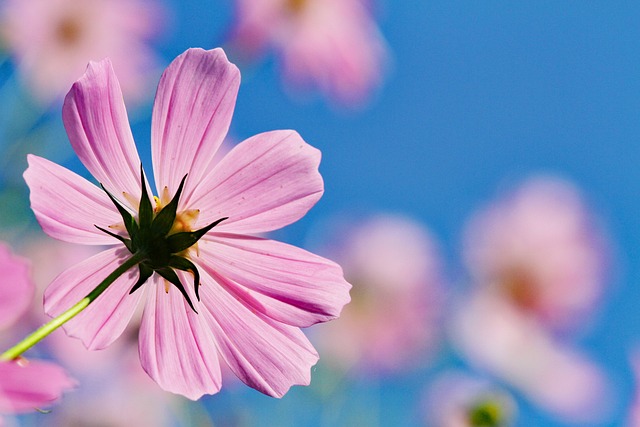
Cosmos flowers, scientifically known as Cosmos bipinnate or Cosmos sulphureus, are members of the Asteraceae family, often referred to as the daisy or sunflower family. Native to the Americas, particularly Mexico, these plants are renowned for their delicate, fern-like foliage and an abundance of cheerful, open-faced flowers. They typically grow as annuals in most climates, completing their life cycle in a single season but often self-seeding for the following year. Their daisy-like appearance, available in a spectrum of colors from pure white and soft pinks to vibrant oranges, reds, and deep burgundies, makes them incredibly versatile for garden design.
Unlike some high-maintenance blooms, cosmos are remarkably forgiving. They don’t demand rich soil and can even flourish in poorer conditions, which is part of their allure. Their airy structure makes them perfect for filling gaps in flower beds or adding a soft, naturalistic feel to borders. Even a light breeze makes their blooms sway, creating a captivating visual effect.
Planting Cosmos Seeds for a Bountiful Bloom
Getting cosmos flowers started is straightforward, whether you’re sowing seeds directly into the ground or starting them indoors. The general consensus among gardening experts is that direct sowing is often best, as cosmos can be sensitive to transplanting. For the best results in 2026, aim to sow seeds after the last frost in your area has passed and the soil has warmed up sufficiently. This typically falls between April and June in many temperate climates.
When planting cosmos seeds, aim for a location that receives at least six to eight hours of direct sunlight daily. They aren’t fussy about soil type, but good drainage is crucial; they prefer average, well-drained soil over overly rich, waterlogged conditions, which can lead to leggy growth and fewer flowers. Sow seeds about 1/4 inch deep and space them 12 to 18 inches apart, depending on the mature size of the variety you choose. For taller varieties, ensure they have enough room to reach their full potential, sometimes up to 6 feet. Water gently after sowing and keep the soil consistently moist but not soggy until germination occurs, which usually takes 7 to 21 days.
Cultivating Cosmos: Essential Care for Continuous Blooms
Once your cosmos plants are established, their care routine is refreshingly simple, making them ideal for novice gardeners. The most critical factor is sunlight; ensure they are planted in a location where they can soak up ample sun throughout the day. This direct sunlight is essential for strong growth and prolific flowering.
Watering should be moderate. While cosmos are relatively drought-tolerant once established, consistent moisture during dry spells will encourage better blooming. Avoid overhead watering if possible, as it can promote fungal diseases. Instead, water at the base of the plant.
Over-watering or planting in soil that retains too much moisture can lead to weak stems and reduced flowering. As noted by the Royal Horticultural Society (RHS) in their plant guides, feeding is often unnecessary, and in fact, too much fertilizer, especially nitrogen-rich types, can result in lush foliage at the expense of flowers. If you feel the need to fertilize, opt for a balanced, slow-release fertilizer once at the beginning of the growing season.
Maximizing Blooms: The Power of Deadheading and Pruning
To keep your cosmos flower plants producing beautiful blooms throughout the summer and into fall, regular deadheading is key. Deadheading involves removing spent or faded flowers before they have a chance to go to seed. This simple practice encourages the plant to redirect its energy into producing new flower buds rather than focusing on seed production.
When deadheading, cut the spent flower stem back to a set of healthy leaves or a side shoot. For varieties prone to legginess or tall growth, strategic pruning can also be beneficial. Pinching back the growing tips of young plants when they are about 6–12 inches tall can encourage bushier growth and more flowers, rather than a single tall stem. This is particularly useful for cosmos varieties like ‘Sensation’ or ‘Picotee’ that can grow quite tall. If plants start to look straggly or have fewer blooms, a light trim can revitalize them. According to gardening resources, a light shearing of the plant by about one-third in mid-summer can also promote a second flush of blooms in late summer or early autumn.
Exploring the Diverse World of Cosmos Flowers
The genus Cosmos offers a delightful array of species and cultivars, each with its unique charm and growth habit. While many gardeners are familiar with the classic Cosmos bipinnate, there are other varieties worth exploring for different garden aesthetics. Cosmos sulphureus, for instance, typically produces vibrant shades of orange, yellow, and scarlet. These varieties often have slightly more strong foliage and can be more heat-tolerant than their pink and white counterparts.
Among the popular Cosmos bipinnate cultivars, you’ll find a stunning range. ‘Sensation’ is a classic tall variety, reaching up to 5 feet, bearing large, single flowers in shades of pink, crimson, and white. ‘Picotee’ offers unique bicolored petals, typically white with a delicate red edge. For something more compact, ‘Sonata’ series cultivars are ideal, growing to about 12–18 inches and perfect for containers or the front of borders. ‘Xanthus’ is a newer variety renowned for its lovely pale yellow blooms, a color less common in traditional cosmos. When selecting varieties, consider the mature height, bloom color, and whether you prioritize cut flowers or garden display, as their ‘cosmos flower height’ can vary significantly.
For those seeking to attract beneficial insects, varieties with single blooms are often preferred by pollinators as they provide easier access to nectar and pollen. Double-flowered varieties, while visually striking, can sometimes be less accessible for bees and butterflies.
Troubleshooting Common Cosmos Flower Issues
While cosmos are generally strong, a few common issues can arise. One of the most frequent complaints is ‘leggy’ growth—long, weak stems with sparse foliage and few flowers. This is often a result of too much nitrogen-rich fertilizer, insufficient sunlight, or overcrowding. If your cosmos are leggy, try pinching back the plants or even giving them a light shearing to encourage bushier growth. Ensure they are receiving at least 6–8 hours of sun and that they aren’t planted too closely together.
Another potential problem is a lack of blooming. This can be caused by the same factors as legginess: poor light, over-fertilization, or insufficient water. If your plants are healthy but not flowering, check their environment and adjust care accordingly. Pests are rarely a major issue for cosmos, but aphids can sometimes be found on new growth. These can usually be washed off with a strong jet of water or treated with insecticidal soap if the infestation is severe. Fungal diseases like powdery mildew can occur in humid conditions or if air circulation is poor, but these are less common and often manageable with good garden hygiene and proper watering techniques.

Cosmos Flowers: A Boon for Cut Flower Bouquets and Pollinators
Cosmos flowers are a florist’s dream and a gardener’s delight, especially for those looking to bring the outdoors in. Their long, sturdy stems and prolific blooming make them excellent cut flowers. For the best results when harvesting, cut the stems in the early morning when they are fully hydrated. Use sharp scissors or pruning shears to make a clean cut, and immediately place them in a bucket of cool water. Removing the lower foliage that would fall below the waterline in your vase helps prevent bacterial growth and prolongs the life of the blooms.
Beyond their beauty in a vase, cosmos play a vital role in supporting local ecosystems. According to the Xerces Society, a leading invertebrate conservation organization, flowers with accessible nectar and pollen are crucial for supporting pollinator populations. Cosmos, with their open-faced blooms, provide a readily available food source for bees, butterflies, and other beneficial insects. Planting cosmos is a simple yet effective way to create a more inviting habitat for these essential garden visitors, contributing to a healthier, more biodiverse garden. Their ability to self-seed also means they can become a reliable fixture in your pollinator garden year after year.
Container Gardening with Cosmos Flowers
Don’t have a sprawling garden? No problem! Cosmos flowers are surprisingly well-suited for container gardening. Cosmos flower allows you to enjoy their cheerful blooms even on a small patio, balcony, or deck. When choosing containers, opt for pots that are at least 8–12 inches in diameter and depth to give the roots adequate space. Ensure the pots have drainage holes; cosmos absolutely require good drainage to prevent root rot.
For container planting, it’s best to use a high-quality potting mix rather than garden soil, which can become compacted in pots. As with garden planting, select a location that receives plenty of sunlight. Water more frequently when growing in containers, as pots tend to dry out faster than garden beds. You may need to water daily during hot weather. While cosmos don’t require heavy feeding, a light application of a balanced liquid fertilizer diluted to half strength every 4–6 weeks can be beneficial, especially for plants in smaller pots that may deplete nutrients more quickly.
Frequently Asked Questions About Cosmos Flowers
Why are my cosmos flowers leggy?
Too much nitrogen fertilizer typically causs leggy cosmos, insufficient sunlight, or plants being too crowded. Pinching back young plants and ensuring they receive at least six hours of direct sun daily can help promote bushier growth and more blooms.
When is the best time to plant cosmos seeds outdoors?
The best time to plant cosmos seeds outdoors is after the danger of the last frost has passed and the soil has warmed up. This is usually in late spring, typically between April and June, depending on your local climate.
Are cosmos flowers good for attracting bees?
Yes, cosmos flowers are excellent for attracting bees and other pollinators. Their open-faced blooms provide easy access to nectar and pollen, making them a valuable addition to any pollinator garden.
How tall do cosmos flowers typically grow?
The height of cosmos flowers varies by variety. Some compact cultivars reach only 1–2 feet, while taller varieties, like ‘Sensation’, can grow up to 5–6 feet tall.
Do cosmos flowers need full sun?
Yes, cosmos flowers thrive in full sun, requiring at least six to eight hours of direct sunlight per day for optimal growth and abundant flowering. Insufficient light often leads to leggy plants.
How do I get more flowers from my cosmos plant?
Regular deadheading is the most effective way to encourage more blooms. Removing spent flowers before they set seed prompts the plant to produce new buds. Light pruning or shearing mid-season can also stimulate more flowering.
Bringing Joy with Cosmos Flowers
The cosmos flower, with its easy-care nature and explosion of color, is a true gem for any garden. Whether you’re a seasoned horticulturist or just starting your gardening journey in 2026, these cheerful blooms offer a rewarding experience. From attracting vital pollinators to providing a steady supply of beautiful cut flowers, the benefits are clear.
To ensure a spectacular display, remember to plant in a sunny spot, provide good drainage, and don’t shy away from deadheading. With these simple steps, your garden will be alive with the vibrant beauty of cosmos flowers all season long.
Information current as of June 2026; pricing and product details may change.
Related read: How Long Does Cooked Chicken Last in the Fridge? (2026 Guide)
Editorial Note: This article was researched and written by the Anarchy Label editorial team. We fact-check our content and update it regularly. For questions or corrections, contact us.
Related read: Lip Scrub Lips: Your 2026 Guide to a Smoother Pout.
Related read: Neutrogena Hydro Boost Water Gel: Your 2026 Hydration Essential.