











The best drugstore vitamin C serums offer high-efficacy antioxidant protection, dark spot fading, and skin brightening. They avoid expensive department store price tags. Formulations from e.l.f., CeraVe (Crave), and The Ordinary mix stable L-ascorbic acid or active derivatives with ferulic acid, hyaluronic acid, and ceramides. Read our best drugstore vitamin c serum review to learn how they deliver visible skin improvements.
Drugstore skincare formulas have advanced significantly due to stabilized delivery systems and improved packaging. You no longer need to spend premium prices to get effective concentration levels, proper pH ranges, and stabilizing co-antioxidants. Understanding how to choose the right concentration, derivative form, and bottle design for your specific skin type ensures you get maximum visible brightening while avoiding unnecessary redness or peeling.
How does vitamin C benefit your skin?
Vitamin C is a water-soluble antioxidant. It protects skin cells from oxidative stress caused by ultraviolet exposure, ozone, and atmospheric pollution. When environmental aggressors hit your skin, they generate reactive oxygen species (free radicals). These break down collagen, trigger hyperpigmentation, and accelerate fine lines. Vitamin C donates electrons to neutralize these free radicals, preventing cellular damage before it manifests as visible aging.
Beyond radical scavenging, vitamin C directly regulates melanin production. It inhibits tyrosinase, the enzyme responsible for converting tyrosine into melanin pigment. By slowing down this pathway, a daily serum helps fade existing post-acne marks, sun spots, and melasma. A review of the best drugstore vitamin C serum shows it also prevents new discoloration from surface damage.
The ingredient is also essential for structural skin density. According to a best drugstore vitamin C serum review, vitamin C is essential for the enzymes involved in collagen production. Specifically, it acts as a co-factor for prolyl and lysyl hydroxylases. These are the exact enzymes responsible for stabilizing and cross-linking collagen molecules. Consistent topical application maintains elasticity and smooths fine surface texture over time.

What should you look for in a drugstore vitamin C formula?
Choosing an effective drugstore serum requires looking beyond the front label claims. The actual performance of a serum depends on the chemical form of vitamin C used, the percentage concentration, the formula pH, and the supporting ingredients present.
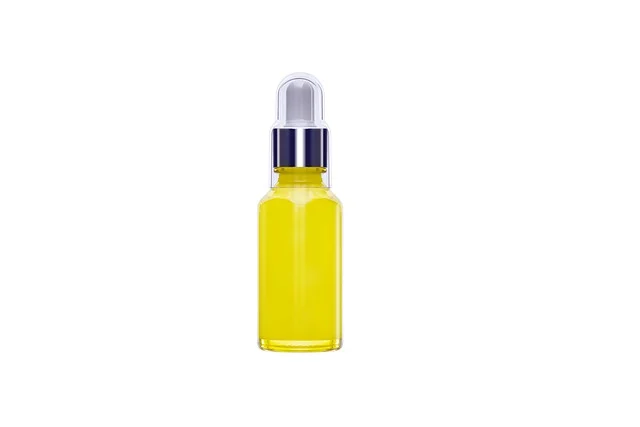
L-Ascorbic Acid (L-AA): This active form features in the best review of a drugstore vitamin c serum. It delivers the fastest and most dramatic brightening and collagen support. However, it requires an acidic pH environment (below 3.5) to penetrate skin effectively. Pure L-ascorbic acid degrades quickly when exposed to light, air, and heat, making proper packaging crucial.
Vitamin C Derivatives: If pure L-ascorbic acid causes stinging or breaks down too fast in your bathroom, stable derivatives offer an alternative. These derivatives convert into active ascorbic acid within the skin:
- Sodium Ascorbyl Phosphate (SAP): A water-soluble derivative that is exceptionally gentle and offers antimicrobial properties beneficial for acne-prone skin.
- Magnesium Ascorbyl Phosphate (MAP): A hydrating, stable form that works at a neutral pH, making it ideal for dry or reactive skin types.
- Tetrahexyldecyl Ascorbate (THD): A lipid-soluble form that penetrates skin lipids efficiently. It provides deep antioxidant protection with minimal risk of irritation.
- 3-O-Ethyl Ascorbic Acid: A highly stable etherified derivative that offers strong penetration and excellent resistance to oxidation.
Key ingredients and packaging for vitamin c
Synergistic Co-Ingredients: Vitamin C works best in team formulations. Vitamin E (alpha-tocopherol) and ferulic acid stabilize pure vitamin C and multiply its photoprotective power up to eightfold. Hyaluronic acid adds immediate moisture to offset drying, while ceramides help preserve the lipid barrier. When reading a review of the best drugstore vitamin C serum, look for strategies to maintain barrier balance during active treatments, as discussed in How to Get Clear, Beautiful Skin: Avoiding Common Pitfalls.
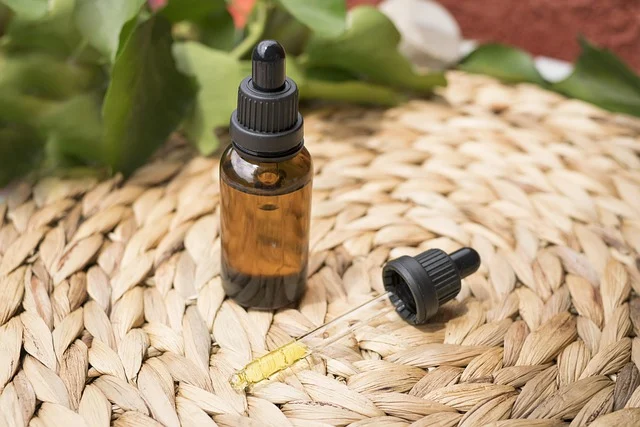
Packaging Considerations: Read a best review for a drugstore vitamin c serum before buying clear glass dropper bottles. Every time you open a traditional dropper, air enters the bottle and accelerates oxidation. Look for opaque pump bottles, dark tinted glass, or sealed metal tubes that restrict air and light exposure.
Read our best drugstore vitamin c serum review
The following comparison breaks down top-performing drugstore options based on active form, target skin concern, supporting ingredients, and packaging design.
| Product Name | Active Vitamin C Form | Best For | Key Supporting Actives | Packaging Type |
|---|---|---|---|---|
| e.l.f. Skin Bright Icon Vitamin C + E + Ferulic Serum | Stable Vitamin C Derivative | Best Overall / Daily Brightening | Vitamin E, Ferulic Acid | Opaque Pump Bottle |
| The Ordinary Vitamin C Suspension 23% + HA | 23% Pure L-Ascorbic Acid | Best Value / High Potency | Hyaluronic Acid Spheres | Squeeze Tube |
| Crave Vitamin C Serum | 10% Pure L-Ascorbic Acid | Sensitive / Reactive Skin | 3 Essential Ceramides, Hyaluronic Acid | Airtight Metal Tube |
| La Roche-Posy Pure Vitamin C12 Serum | 12% Pure L-Ascorbic Acid | Hyperpigmentation & Dark Spots | Salicylic Acid (BHA), Neurosensine | Air-Restrictive Dropper Bottle |
| Neutrogena Collagen Bank Vitamin C Serum | Vitamin C Complex | Anti-Aging & Firmness | Collagen-Support Peptides | Pump Dispenser |
Best overall: e.l.f. Skin Bright Icon Vitamin C + E + Ferulic Serum
The e.l.f. Skin Bright Icon Vitamin C + E + Ferulic Serum hits the sweet spot for the best drugstore vitamin C serum review. Rather than using an unstable pure ascorbic acid that turns brown on your counter within weeks, this formula utilizes a stable derivative paired with Vitamin E and Ferulic Acid.
The lightweight gel-serum texture absorbs into the skin within seconds, leaving zero sticky residue. This formula often appears in a review of the best drugstore vitamin C serum. The addition of ferulic acid boosts antioxidant stabilization, providing daily protection against urban pollution and sun exposure.
Its opaque pump container ensures that air and light do not degrade the formula over time. Users with normal, combination, and sensitive skin will appreciate its non-stinging feel. It shows a reliable ability to brighten dull tone over four to six weeks of daily morning use.

Best value: The Ordinary Vitamin C Suspension 23% + HA
The Ordinary Vitamin C Suspension 23% + HA delivers an ultra-high concentration of pure L-ascorbic acid at an remarkably low price point. Because this formulation contains no water, the ascorbic acid remains completely stable and active without oxidizing in the tube.
However, this raw potency comes with formulation trade-offs. The high concentration of fine powder suspended in a waterless base can feel gritty upon application. It also produces a strong tingling sensation on skin that is not accustomed to direct acids. Readers of a best review for a drugstore vitamin c serum often apply it in the evening or mix it in their palm with a plain hyaluronic acid serum to soften the texture and cushion skin absorption.
For experienced skincare users seeking maximum skin brightening, dark spot reduction, and anti-aging punch on a minimal budget, this suspended formula offers unmatched active yield per dollar.
Best for sensitive skin: Crave Vitamin C Serum
Sensitive skin types often struggle with traditional vitamin C serums due to low acidic pH requirements.
The creamy, fluid texture glides smoothly over reactive skin without causing burning, stinging, or immediate redness. Ceramides actively reinforce the lipid barrier, while vitamin C works on hyperpigmentation and free radical defense. If you want a review of the best drugstore vitamin C serum for barrier care, check How to Skin Care at Home: An Expert’s Guide for detailed advice.
Packaged in an airtight, soft aluminum tube with a narrow dispensing tip, this formula prevents exposure to oxygen. This allows you to finish the product before oxidation sets in.

Best for hyperpigmentation: La Roche-Posy Pure Vitamin C12 Serum
Salicylic acid gently breaks down dead skin cell buildup, allowing the active vitamin C to penetrate deeply into surface layers where hyperpigmentation concentrates.
To prevent irritation from the dual active approach, the formula includes neurosensine, a soothing peptide, along with thermal spring water to calm sensitive nerve endings. This dual-action approach speeds up cell turnover while inhibiting dark pigment synthesis. Thus, it is effective against post-acne dark marks and age spots.
While sitting at the upper price range of drugstore offerings, its targeted dermatological formulation justifies the cost for those dealing with stubborn skin discoloration.
Best for anti-aging concerns: Neutrogena Collagen Bank Vitamin C Serum
Neutrogena Collagen Bank Vitamin C Serum focuses on skin firming, fine line smoothing, and elasticity support. Rather than relying solely on antioxidant protection, this formula pairs a stable vitamin C complex with collagen-support micro-peptides.
Peptides signal skin cells to support natural collagen building, while vitamin C acts as the necessary co-factor to bind collagen fibers together. This dual pathway helps plump surface fine lines and restore bounce to sagging skin areas around the cheeks and jawline.
The serum features a silky, fast-absorbing fluid texture that sits comfortably under morning sunscreen. It offers an accessible anti-aging solution for skin showing early signs of loss of firmness.
How do you apply vitamin C serum for maximum efficacy?
Application order and surface preparation determine how deeply your vitamin C serum penetrates and how well it performs. Follow these steps every morning for best results:
- Cleanse with a mild formula: Wash your face with a gentle, non-stripping cleanser to remove nighttime oil buildup. Pat your face completely dry with a clean towel.
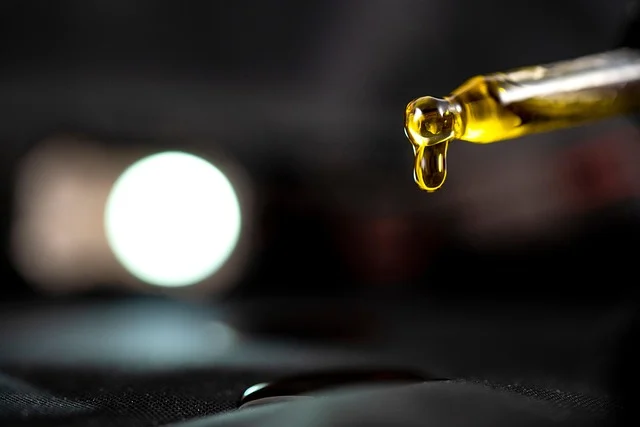
- Apply to completely dry skin: Dispense 3 to 5 drops (or a pea-sized amount) of serum onto your fingertips. Gently press and smooth the serum across your face, neck, and chest. Never apply direct L-ascorbic acid to damp skin, as water speeds up acid absorption and increases the risk of stinging and irritation.
- Allow full absorption: Wait 60 to 90 seconds before applying your next product. This brief resting period gives the acidic formulation time to penetrate surface layers.
- Layer hydrating products and moisturizer: Apply lightweight hydrating serums, such as hyaluronic acid, followed by your regular morning moisturizer to lock in hydration.
- Finish with broad-spectrum SPF 30+: Always complete your morning routine with sunscreen. Sunscreen shields skin from direct UV damage while vitamin C neutralizes any free radicals that leak through, giving you dual-layer defense. If you want to optimize your daily UV protection, read BoJ Sunscreen: Your Guide to Radiant, Protected Skin to choose the right daily sunscreen.
What common mistakes ruin vitamin C serum results?
Even high-performing drugstore serums will fail if stored improperly or layered with incompatible ingredients. Avoiding these common mistakes protects your product investment and prevents skin irritation:
Storing in humid, bright environments: Storing your serum on a sunny bathroom counter or near a hot shower accelerates oxidation. Heat and light break down L-ascorbic acid into dehydroascorbic acid, rendering it ineffective. Keep your serum stored inside a dark cabinet, drawer, or dedicated cosmetic fridge.
Mixing incompatible active ingredients simultaneously: Layering your product from a best review of drugstore vitamin C serum alongside glycolic acid, salicylic acid, or retinoids can overwhelm your skin barrier, causing severe redness, peeling, and contact dermatitis. Use your vitamin C serum in the morning and reserve retinoids or strong chemical exfoliants for evening routines.
Using oxidized serum: Fresh vitamin C serum is clear or pale champagne in color. Once it turns dark yellow, amber, or deep brown, it has oxidized. Oxidized ascorbic acid loses its antioxidant properties and causes irritation, as noted in the best review for a drugstore vitamin c serum. Discard oxidized serums immediately.
Expecting instant results: Fading hyperpigmentation and boosting collagen synthesis are slow biological processes. While you may notice increased skin brightness within a week, real fading of dark spots takes 8 to 12 weeks of consistent, daily application.
Who should avoid or use caution with vitamin C serums?
While vitamin C benefits most skin types, certain individuals should proceed with caution or opt for gentle derivatives:

- Active eczema or severe rosacea: Highly acidic L-ascorbic acid (pH under 3.5) causes vasodilation and burning on compromised skin barriers. Choose gentler derivatives like Sodium Ascorbyl Phosphate or Magnesium Ascorbyl Phosphate formulated at neutral pH levels.
- Inflammatory cystic acne with open lesions: Applying potent ascorbic acid over raw, inflamed acne lesions causes severe stinging. Focus first on calming inflammation and barrier restoration before adding potent direct acids.
- Hypersensitive skin starting out: If you have reactive skin, introduce a 10% concentration every third morning for two weeks before building up to daily use.
Sources: Vitamin C in dermatology
Frequently asked questions
What is the best drugstore vitamin C serum for beginners?
Can you use vitamin C serum every day?
Yes, most vitamin C serums are designed for daily morning use to provide continuous antioxidant defense against daytime UV light and pollution. If you experience mild dryness when starting, use it every other day until your skin builds tolerance.
How long does it take to see results from a drugstore vitamin C serum?
Improved skin glow and surface hydration appear within 1 to 2 weeks, while visible fading of dark spots, sun discoloration, and post-acne marks typically requires 8 to 12 weeks of consistent daily application paired with broad-spectrum sunscreen.
How do you know if your vitamin C serum has oxidized?
An oxidized vitamin C serum turns from clear or light yellow to dark amber, orange, or brown, and often develops a sour or metallic smell. Once oxidized, the serum loses its antioxidant power and should be discarded to avoid skin irritation.
Can you safely layer vitamin C serum with niacinamide?
Yes, modern stabilized formulations allow vitamin C and niacinamide to be layered together safely without canceling each other out. If you have sensitive skin that experiences temporary flushing when combining them, apply vitamin C in the morning and niacinamide in the evening.