












ks Remain a Top Trend in 2026
The enduring appeal of caramel hair streaks isn’t just about aesthetics; it’s rooted in practicality and adaptability. In 2026, trends often lean towards effortless elegance and personalized beauty, and caramel streaks tick all those boxes.
Last updated: June 3, 2026
They offer a significant visual upgrade with relatively low commitment compared to all-over color changes. According to fashion industry analysts in early 2026, consumers are increasingly seeking low-maintenance yet impactful beauty solutions. Caramel streaks provide that perfect balance.
And, the natural-looking effect of caramel tones is incredibly flattering. They can brighten complexions, add warmth to cooler undertones, and create a youthful glow. This universal appeal ensures their consistent presence in hair color trends year after year.

Finding Your Perfect Caramel Shade
The beauty of caramel lies in its spectrum. It’s not a single color but a range of warm, golden-brown hues. Choosing the right shade is crucial for a natural, harmonious look that complements your features.
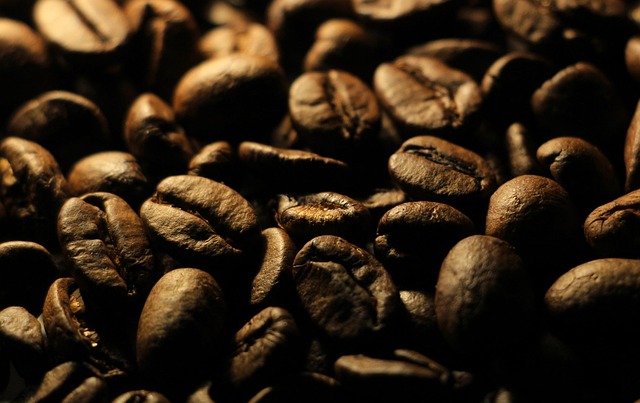
For those with a darker base color, like deep brunette or black hair, richer, deeper caramels like toffee or dark chocolate with golden undertones work beautifully. These provide a noticeable contrast without appearing artificial. Think of a dark espresso base with ribbons of warm honey.
If your hair is medium brown, you have a bit more flexibility. You can opt for lighter, creamier caramels, similar to butterscotch or golden caramel. These will add brightness and dimension effectively. A medium chocolate brown base can be enhanced with lighter, golden-brown strands.
For lighter hair colors, including blonde and light brown, ashier or lighter caramels can be gorgeous. These might be referred to as dirty blonde with caramel highlights or a soft caramel glaze. Overly warm or dark caramels on very light hair can sometimes look brassy if not applied expertly.
When in doubt, consult with your stylist. They can assess your natural hair color, skin tone, and eye color to recommend the most flattering caramel shade. A professional consultation is key to avoiding an unnatural or jarring result. For instance, Anya, a graphic designer, found that a golden caramel hue brought out the warmth in her olive skin tone, which a cooler caramel had failed to do.
Mastering the Application: Techniques for Caramel Streaks
The way caramel streaks are applied significantly impacts the final look. Several techniques can achieve this effect, each offering a different level of subtlety and dimension.
Balayage: This is perhaps the most popular technique for caramel highlights. Balayage involves hand-painting the color onto the hair in a sweeping motion, creating a soft, blended, and natural-looking gradient. It’s ideal for a lived-in, sun-kissed effect where the color appears to grow out seamlessly. Many salons offer balayage services, with prices varying based on location and stylist experience, often ranging from $150 to $300 for a full head.
Baby lights: For a very subtle and delicate effect, baby lights are the way to go. These are extremely fine, subtle highlights that mimic the natural lightness children often have in their hair. They are applied using a fine-tooth comb or a special brush to create a diffused, almost shimmering effect of caramel tones throughout the hair.
Traditional Highlights: Using foils to apply caramel color offers more control and can create a bolder contrast. This technique is great for achieving more defined ribbons of caramel, especially if you’re starting with a darker base and want a significant, yet still blended, color change. It’s essential to ensure the foils are applied evenly and processed correctly to avoid banding.
Foliage: This technique combines the freehand painting of balayage with the intensity of foils. Color is painted on freehand first, then wrapped in foils to achieve a lighter lift than traditional balayage alone. This is excellent for clients with darker hair wanting to achieve lighter caramel tones more efficiently.
Ombre/Somber: While not strictly streaks, these techniques can incorporate caramel tones. Ombre involves a more dramatic transition from dark to light, while Somber (soft ombre) offers a subtler, blended version. Caramel can be used in the lighter sections to add warmth and dimension.
The choice of technique often depends on your desired outcome and your stylist’s expertise. A skilled colorist will guide you on which method best suits your hair type and aesthetic goals.
Caramel Streaks on Dark Hair: A Striking Contrast
Adding caramel hair streaks to dark hair, whether it’s a deep brown or black, creates a beautiful, eye-catching contrast. This combination is a fantastic way to add warmth and dimension without altering your entire hair color.
For dark brunettes, richer caramel shades like toffee, golden brown, or even a warm mocha can provide a noticeable yet natural-looking enhancement. These tones catch the light beautifully, adding movement and a sun-kissed effect. Think of how a warm sunset can illuminate a dark landscape – it’s that kind of effect.
On black hair, the contrast will be more dramatic. Lighter caramels might appear as golden or honey highlights, while deeper caramels can offer a subtle warmth that only becomes apparent in certain lighting. It’s important to achieve adequate lift to ensure the caramel tones show up vibrantly without looking brassy.
A common mistake is going too light with the caramel on very dark hair, which can look unnatural or require extensive bleaching. A skilled colorist will recommend a caramel shade that provides a beautiful contrast while maintaining a cohesive look. For example, Maya, a student in London, opted for toffee caramel balayage on her dark brown hair, which gave her a subtle but noticeable glow that complemented her complexion perfectly.
Caramel Streaks on Brown Hair: Adding Depth and Radiance
Brown hair is the ideal canvas for caramel streaks, offering a harmonious blend that adds instant radiance and dimension. Whether your base is light brown, medium brown, or dark chocolate, caramel tones can elevate your look.
For light brown hair, lighter and creamier caramel shades like butterscotch or golden blonde with caramel undertones work wonderfully. They create a subtle lift and a sun-kissed appearance, as if you’ve spent a summer day outdoors. These shades add a touch of brightness without being overpowering.
Medium brown hair can handle a wider range of caramel tones. You can opt for warmer, golden caramels, honey tones, or even slightly deeper toffee shades for a more pronounced effect. This versatility allows for a truly customized look.
Dark brown hair benefits from richer caramels, such as warm amber or deep toffee. These shades provide a beautiful contrast that adds dimension and warmth without looking too severe. The key is to ensure the caramel tones have enough warmth to stand out against the darker base.
A technique like baby lights or subtle balayage is often preferred for brown hair to achieve a natural, blended look. According to hair stylists in 2026, the goal is often to enhance the natural color rather than drastically change it. For instance, Chloe, an architect, loved how her medium brown hair got a new lease on life with fine, interwoven caramel highlights that made her hair look fuller and more vibrant.
Caramel Streaks on Blonde Hair: A Touch of Warmth
While blonde hair is already light, caramel streaks can add a sophisticated warmth and dimension that takes it beyond a single tone. This is perfect for blondes looking to deepen their color or add a richer, more complex look.
For very light or platinum blondes, introducing caramel can be a way to transition into warmer tones or create a ‘bronde’ (brown-blonde) effect. Deeper, richer caramels can provide a striking contrast, while lighter, golden caramels can enhance the existing blonde, adding a sun-kissed glow.
Ash blonde or cooler blonde tones can be beautifully complemented by ashier caramels or muted gold tones. These avoid making the hair look too brassy and maintain a chic, sophisticated feel. It’s about adding depth, not just brightness.
A technique like foliage can be particularly effective for blondes, allowing for controlled lift and placement of caramel tones. This helps avoid over-processing and ensures the caramel melts seamlessly into the blonde base. For example, Olivia, a fashion blogger, incorporated subtle caramel balayage into her ash blonde hair to give it more depth and an effortless, beachy vibe.
It’s important to note that adding darker tones like caramel to blonde hair can sometimes make the hair appear less bright overall. The goal is usually to add richness and contrast, so discussing this with your stylist is key to managing expectations.
Face-Framing Caramel Streaks: Highlight Your Features
Face-framing highlights, often called ‘money pieces,’ are a powerful way to draw attention to your facial features. When done with caramel tones, they add a soft, flattering warmth around the face.
These streaks are typically applied around the hairline, especially near the temples and jawline. They are often slightly lighter or more contrasted than the rest of the hair, creating a natural spotlight effect. This technique can brighten your complexion and make your eyes pop.
Caramel face-framing streaks work exceptionally well on almost any base color. On dark hair, they offer a noticeable pop of warmth. On lighter hair, they provide a subtle enhancement that adds dimension without a full color commitment.
The application is usually finer and more concentrated around the face than all-over highlights. This ensures the framing effect is prominent. For instance, actress Gemma Chan has been seen sporting subtle caramel face-framing pieces that beautifully accentuate her features without overpowering her natural hair color.
This style is particularly great for those who want to experiment with color but are hesitant about full-head highlights. It’s a low-commitment way to try a new look and add a touch of vibrancy around your face.
Low-Maintenance Caramel Hair: Care and Upkeep
One of the biggest draws of caramel hair streaks is their potential for low maintenance, but this depends heavily on the application technique and your natural hair color.
For styles like balayage or baby lights, which are applied with a softer grow-out in mind, touch-ups might only be needed every 3–6 months. This is significantly less frequent than root touch-ups for all-over color. The goal is for the highlights to blend naturally as they grow.
To maintain the vibrancy and health of your caramel streaks, it’s essential to use color-safe shampoos and conditioners. Sulfate-free formulas are ideal as they are gentler on colored hair and prevent premature fading. According to hair care experts in 2026, investing in quality color-protecting products can extend the life of your color significantly.
Using heat protectant sprays before styling with hot tools is also crucial, as heat can strip color and damage the hair. Consider occasional deep conditioning treatments or hair masks to keep your hair hydrated and healthy. A purple or toning shampoo might be needed periodically if brassiness starts to appear, though this is less common with true caramel tones than with lighter blondes.
Regular trims are also important to keep the ends of your hair healthy and prevent split ends, which can make color look dull. Ultimately, the ‘low-maintenance’ aspect is about choosing the right technique and committing to a good at-home care routine.
For example, when Sarah, a busy mother of two, opted for a caramel balayage, she found she only needed salon visits twice a year, supplemented by a good color-safe shampoo and a weekly hair mask.
Common Mistakes to Avoid with Caramel Hair Streaks
While caramel hair streaks are generally forgiving, there are a few common pitfalls that can detract from the desired look.
Going Too Light or Too Dark: A mismatch between your natural hair color and the chosen caramel shade is a frequent issue. If the contrast is too extreme, it can look unnatural. Too light can look brassy on dark hair, and too dark can get lost on blonde hair.
Uneven Application: This is particularly true with DIY attempts or inexperienced stylists. Uneven highlights can create ‘banding’ or a streaky, blocky appearance rather than a smooth blend. This is why professional application is often recommended.
Over-Processing: If your hair requires significant lightening to achieve the caramel tone, especially on darker bases, improper processing can lead to damage, breakage, and brassy undertones. This is where a professional’s expertise in lifting and toning is invaluable.
Ignoring Skin Tone: Not all caramel shades suit all skin tones. A shade that looks stunning on one person might wash out another or clash with their undertones. Consulting a stylist about undertones (warm, cool, neutral) is key.
Poor Aftercare: Skipping color-safe products or heat protection can lead to rapid fading, dryness, and damage, making the streaks look dull and unhealthy. This negates the beauty of the color. For instance, James tried to achieve caramel streaks at home by using a standard bleach kit, resulting in orange bands and severely damaged hair, requiring a professional correction.
Styling Tips for Your Caramel Streaks
Once you have your beautiful caramel hair streaks, styling them correctly can enhance their dimension and overall appeal.
Embrace Texture: Caramel highlights shine with texture. Loose waves, curls, or even braids can catch the light beautifully, showcasing the interplay between your base color and the caramel tones. A sea salt spray or texturizing mousse can work wonders.
Play with Updos: Braided styles, low buns, or ponytails can highlight the placement of your streaks. Consider styles where the front pieces are pulled back to showcase face-framing highlights. A messy bun can reveal streaks throughout the lengths.
The Power of Shine: A good shine serum or spray can make your caramel streaks pop. Healthy, shiny hair reflects light, making the dimensional color appear richer and more vibrant. This is especially effective under natural sunlight.
Consider Contrast in Outfits: While caramel is warm, wearing colors that complement it can make your hair color stand out even more. Jewel tones like emerald green, sapphire blue, or deep plum can create a striking contrast. Earthy tones like olive green or rust can create a harmonious, warm palette.
Layered Cuts: Haircuts with layers can beautifully frame and showcase caramel streaks, adding movement and volume. The different lengths allow the highlights to be visible in various ways as you move. For example, influencer Chloe often styles her caramel balayage with loose waves, using a texturizing spray to enhance the dimension and catch the light on camera.
Frequently Asked Questions About Caramel Hair Streaks
Are caramel hair streaks suitable for all hair types?
Yes, caramel hair streaks can be adapted for virtually all hair types, from fine and straight to thick and curly. The key is selecting the right application technique and shade to complement your natural texture and color.
How long do caramel hair streaks typically last?
With proper care and maintenance, caramel highlights applied via techniques like balayage can last for several months, often requiring touch-ups every 3–6 months. The longevity depends on the application method and your hair care routine.
Can I achieve caramel hair streaks at home?
While at-home kits exist, achieving professional-looking caramel hair streaks can be challenging due to the precision required for color lifting and toning. It’s often recommended to consult a professional colorist for the best results, especially for darker hair bases.
Will caramel hair streaks damage my hair?
Any chemical coloring process can potentially cause some damage. However, techniques like balayage are generally less damaging than traditional foiling. Using color-safe products and heat protectants post-coloring helps maintain hair health.
How do I maintain the color of my caramel streaks?
To maintain your caramel streaks, use sulfate-free, color-safe shampoos and conditioners. Minimize heat styling, always use a heat protectant, and consider occasional deep conditioning treatments. Regular trims will also keep your hair healthy and the color looking fresh.
What’s the difference between caramel highlights and caramel balayage?
Caramel highlights can refer to any application of caramel color in streaks, often using foils for more defined results. Caramel balayage specifically refers to the hand-painted, sweeping technique that creates a softer, more blended, gradient effect with natural-looking grow-out.
Information current as of June 2026; pricing and product details may change.
Editorial Note: This article was researched and written by the Anarchy Label editorial team. We fact-check our content and update it regularly. For questions or corrections, contact us.
Related read: What is Hair Toner? The Secret to Salon-Perfect Color 2026.