










A birthstone is a gemstone linked to your month. First, use a guide for birthstone details to learn history, Mohs hardness, and care. Choose gems by balancing beauty and durability. Structural limits show how to wear and maintain each stone.
This birthstone guide outlines the primary and alternative gems for every month. Also, it details their color variations, historical origins, and practical advice for selecting personalized jewelry gifts.
The Ultimate Birthstone Guide for 2026: Meanings, Properties, and Gift Ideas
A birthstone is a gemstone associated with a specific month of the year. It represents distinct symbolic meanings, physical properties, and energetic attributes rooted in ancient history and modern gemology. This birthstone guide for 2026 outlines the primary and alternative gems for every month. Also, it details their Mohs hardness, color variations, historical symbolism, and practical gift selection advice.
Whether you are choosing a piece for yourself or looking for a personalized gift, selecting the right gem requires balancing aesthetic appeal with durability and historical meaning. Also, each gem has specific care needs, structural vulnerabilities, and cultural associations that influence how it should be worn and maintained over time.
How did birthstone traditions develop?
Ancient religious texts establish the origin of a birthstone guide assigning gemstones to calendar months. Historical records trace the concept to the biblical Book of Exodus. Exodus describes High Priest Aaron wearing a ceremonial breastplate set with twelve distinct gemstones. First, these twelve stones represented the twelve tribes of Israel. Early astrological scholars later linked them to the twelve signs of the zodiac.
For centuries, individuals did not wear a single birthstone year-round. Instead, scholars and collectors owned all twelve stones. They rotated them monthly, believing each gem held heightened protective or spiritual power. The practice of wearing one gem based on a birthstone guide emerged in 18th-century Poland. It then spread rapidly across Europe.
To establish commercial consistency, the National Association of Jewelers (now Jewelers of America) standardized the official birthstone guide list in 1912 in the United States. This standardized list balanced ancient tradition with practical market availability. While traditional lists relied heavily on classical gems like carnelian or jasper, modern additions expanded options. Updates continue periodically; Tanzanite was officially added to December in 2002, and Spinel joined August in 2016.
January: Garnet
Garnet serves as January’s official birthstone, long celebrated as a symbol of protection, strength, and steady vitality. Historically carried by travelers and soldiers to guard against illness and injury, garnet is believed to bolster confidence, clear mental fog, and attract loyal friendships.
As a birthstone guide notes, deep red pyrope and almandine garnets are most common. However, the garnet family encompasses a diverse group of silicate minerals with varying chemical compositions. Green tsavorite garnets offer vibrant emerald-like hues with superior clarity. Orange spessartite garnets present rich honey and burnt-orange tones. Rare color-change garnets even shift from blue-green in daylight to purple under incandescent light.
Garnet measures between 6.5 and 7.5 on the Mohs hardness scale. This makes it tough enough for rings, pendants, and earrings, though it can show micro-abrasions over years of heavy daily contact. Warm, soapy water and a soft-bristled brush provide safe cleaning. Avoid sudden thermal shocks, which can cause internal fracture lines within natural stones.
February: Amethyst
Amethyst is February’s signature birthstone, famous for its distinctive purple hue ranging from pale lavender to deep royal violet. The stone’s name originates from the Greek word amethystos, meaning “not drunk,” reflecting ancient beliefs that the gem protected its owner against intoxication, unbridled emotion, and poor judgment.
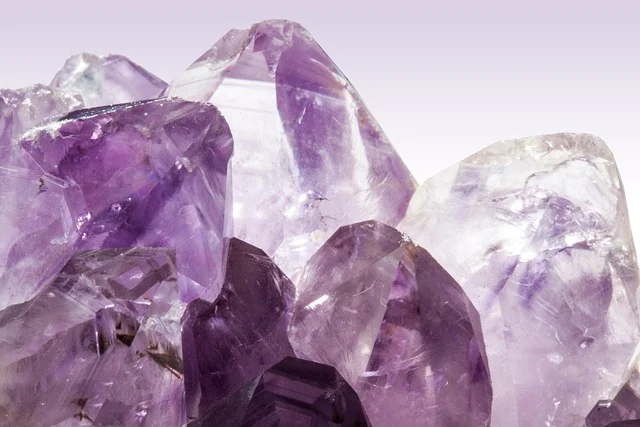
As a quartz family member, amethyst gets its purple color from iron and natural irradiation. According to a birthstone guide, it rates 7 on the Mohs hardness scale. It resists scratches from daily dust well. Consequently, amethyst works exceptionally well in solitaire rings, drop earrings, and beaded bracelets.
Care requires protecting the stone from long-term exposure to direct sunlight or strong thermal heat sources. These conditions can cause the rich purple color to fade permanently to gray or yellow. Clean amethyst pieces with mild dish soap and room-temperature water, avoiding harsh acids or industrial chemical dips.
March: Aquamarine and Bloodstone
March features two distinct birthstones: Aquamarine as the modern choice and Bloodstone as the traditional option. Aquamarine, named after the Latin phrase for sea water, belongs to the beryl mineral family alongside emerald. Its light blue to deep blue-green shades evoke calm ocean waters, symbolizing courage, clear communication, and emotional balance.
Aquamarine ranks between 7.5 and 8 on the Mohs scale, making it highly durable for everyday rings and heirloom mountings. Value depends heavily on depth of color, with deep, vibrant blues commanding higher prices than pale pastel stones. Value is primarily determined by its color saturation and clarity, according to the American Gem Society.
Bloodstone, also known as heliotrope, is a dark green variety of chalcedony quartz containing speckled red jasper inclusions caused by iron oxide deposits. Symbolizing physical endurance and sacrificial courage, bloodstone appeals to collectors who prefer opaque, antique-style gems over transparent crystals. Bloodstone measures 6.5 to 7 on the Mohs scale and requires simple soap-and-water cleaning.
April: Diamond
Diamond is April’s birthstone, recognized globally as the ultimate symbol of love, clarity, and resilience. Composed of pure carbon arranged in a tight crystal lattice, diamond’s name derives from the Greek word adamas, meaning “unconquerable.”
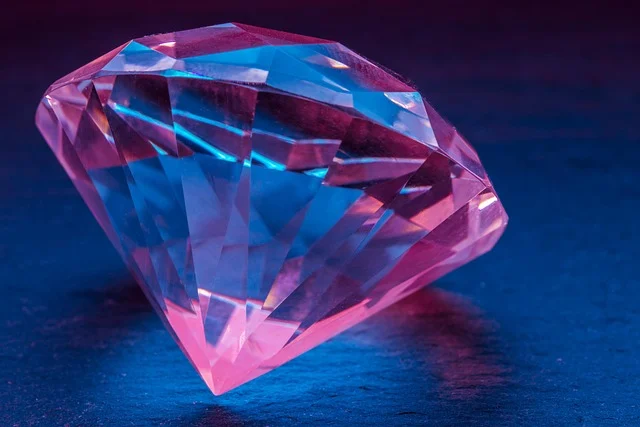
With a rating of 10 on the Mohs scale, diamond is Earth’s hardest natural substance. According to our birthstone guide, it is fifty times harder than corundum (ruby and sapphire). This makes it virtually immune to surface scratches from non-diamond items. Evaluating a diamond centers on Cut, Color, Clarity, and Carat weight. While colorless diamonds remain traditional favorites, natural fancy-colored diamonds in yellow, pink, and blue offer alternative looks.
Lab-grown diamonds have expanded accessibility, offering identical optical, chemical, and physical attributes at a lower price point. Because diamonds attract oils and grease from skin contact, regular cleaning with warm water, mild detergent, and soft brushing restores their high brilliance and fire.
May: Emerald
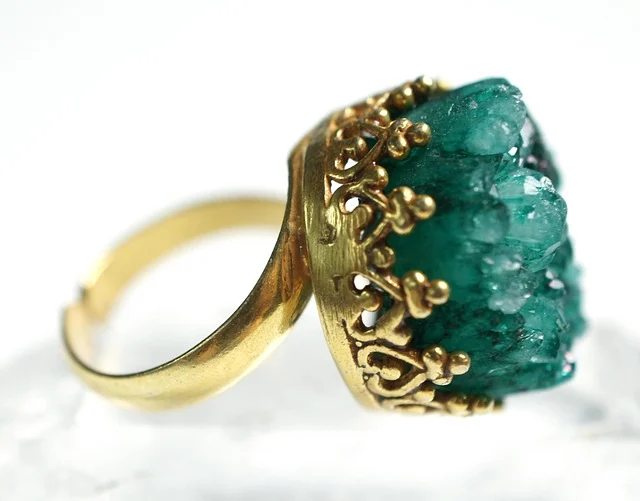
Emerald is May’s rich green birthstone, associated with rebirth, spring growth, wisdom, and deep intuition. Ancient Roman cultures dedicated emeralds to Venus, the goddess of love, while Egyptian royalty mined the stone extensively in the Eastern Desert region thousands of years ago.
A member of the beryl family colored by trace amounts of chromium and vanadium, emerald measures 7.5 to 8 on the Mohs hardness scale. However, unlike aquamarine or diamond, emeralds naturally contain numerous micro-fractures and liquid inclusions, known collectively as jardin (French for garden). These structural traits mean emeralds require careful handling despite their hardness.
Most natural emeralds undergo traditional cedarwood oil or resin treatments to fill surface-reaching fractures and enhance clarity. Consequently, emerald jewelry must never be cleaned with steam, ultrasonic equipment, or harsh chemicals, which strip away protective oils. Clean gently using warm water and a delicate microfiber cloth.
June: Pearl, Alexandrite, and Moonstone
June offers three distinct choices: Pearl, Alexandrite, and Moonstone, accommodating diverse personal preferences ranging from organic classics to rare color-shifting minerals.
Pearls are organic gems created when mollusks coat tiny irritants with layers of iridescent nacre. Symbolizing purity, grace, and subtle elegance, pearls feature in a guide for birthstones. Measuring between 2.5 and 4.5 on the Mohs scale, their delicate surfaces scratch easily. Hairspray, perfume, and acidic sweat damage them. Put pearls on last when dressing. Wipe them with a damp soft cloth after wearing. Store them flat in soft cloth pouches.
Alexandrite is a rare variety of chrysoberyl famous for dramatic color-change properties. For example, it appears emerald-green in daylight and ruby-red under warm incandescent lighting. Rating 8.5 on the Mohs scale, alexandrite provides exceptional durability for active wearers seeking a unique, high-value gem.
Moonstone, a feldspar mineral displaying an ethereal blue sheen called adularescence, symbolizes intuition and emotional serenity. However, measuring 6 to 6.5 on the Mohs scale, moonstone requires protective bezel settings to guard against sudden impacts that cause cleaving.
July: Ruby
Ruby is July’s birthstone, celebrated across history as the king of gemstones. Symbolizing intense passion, vitality, protection, and leadership, rubies derive their signature red coloration from trace concentrations of chromium within their corundum crystal structure.
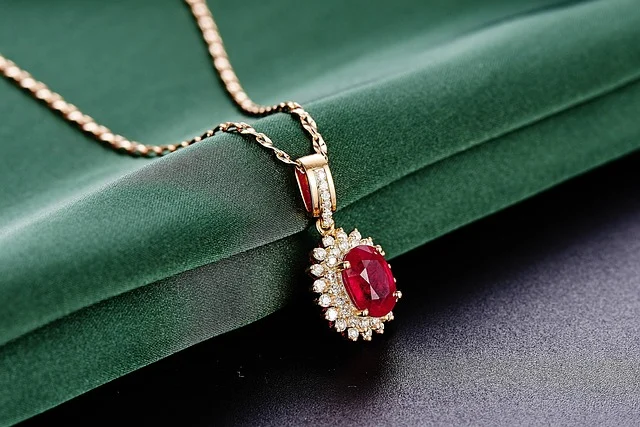
Measuring 9 on the Mohs hardness scale, ruby trails only diamond in hardness. As a result, it offers outstanding scratch resistance for everyday rings and bracelets. Deep, vivid red stones with subtle blue undertones—traditionally referred to as “pigeon blood” red—command the highest value per carat in the gemstone market.
Heat treatment improves ruby color and clarity. The Gemological Institute of America notes this standard market practice in a guide for birthstones. Consequently, untreated rubies with prime color are exceptionally rare. Clean rubies using warm soapy water, soft brushes, or professional ultrasonic cleaners. Avoid ultrasonic cleaning if the gem contains heavy glass-filling treatments.
August: Peridot and Spinel
August features Peridot as its primary traditional stone and Spinel as a modern co-birthstone. Peridot is an idiochromatic gem formed in olivine silicate deposits deep within the earth’s mantle. However, volcanic activity or meteorites bring it to the surface. Symbolizing inner peace, good fortune, and positive warmth, peridot ranges from yellowish-green to deep olive green.
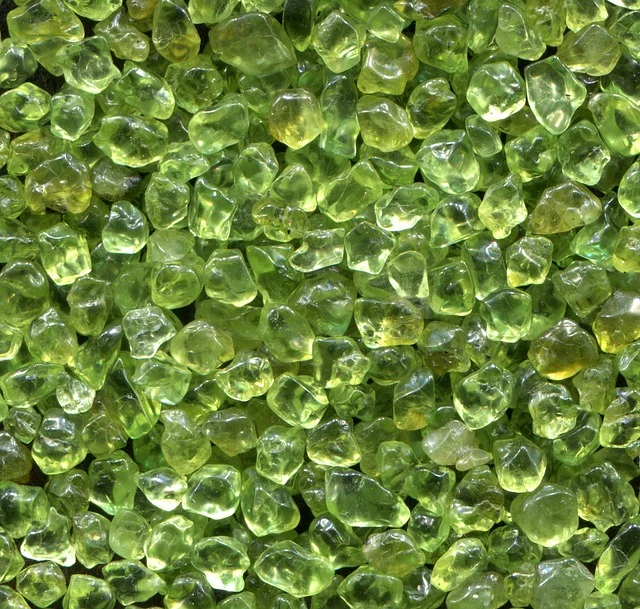
When selecting peridot, look for a lively, bright green hue free from visible brown cast. Measuring 6.5 to 7 on the Mohs scale, peridot is sensitive to rapid temperature changes, thermal shock, and strong acids. It fares best in protected settings like pendants, drop earrings, or low-profile bezel rings.
Spinel, added to August’s official list in 2016, rates an 8 on the Mohs scale and possesses intense brilliance. Historically mistaken for ruby in royal crown jewels (such as the British Black Prince’s Ruby), spinel occurs naturally in vivid reds, hot pinks, deep purples, and cobalt blues, providing a highly durable alternative for everyday jewelry.
September: Sapphire
September’s birthstone is Sapphire, long associated with nobility, truth, sincerity, and divine wisdom. Also, like ruby, sapphire is a member of the corundum mineral family, with classic blue shades caused by traces of iron and titanium.
While deep royal blue remains famous, sapphires occur in almost every color except red (classified as ruby). A birthstone guide shows “fancy sapphires” include pink, yellow, violet, green, orange, and rare padparadscha varieties. Measuring 9 on the Mohs hardness scale, sapphire stands up to heavy everyday wear without scratching or dulling. As a result, people frequently choose it for engagement and anniversary rings.
Maintaining sapphire jewelry requires simple care: standard warm soapy water scrubbing removes skin oils and dirt. Also, check prongs periodically with a jeweler to ensure the stone remains securely anchored.
October: Opal and Tourmaline
October presents two contrasting birthstones: Opal, known for spectral iridescence, and Tourmaline, prized for broad color diversity.
Opal consists of hydrated amorphous silica containing up to twenty percent water inside microscopic spheres. Light passing through these spheres diffracts into broad flashes of rainbow color known as “play-of-color.” A birthstone guide notes that opal symbolizes creativity, hope, and emotional expression. Opal rates 5.5 to 6.5 on the Mohs scale. Opals are sensitive to dehydration, thermal shock, and physical cracks. Never store opals in airtight plastic containers. Avoid exposing them to intense heat, dry climates, or harsh chemicals.
Tourmaline is a complex silicate mineral available in pink, green, blue, black, and multi-colored bi-color combinations (such as watermelon tourmaline). Measuring 7 to 7.5 on the Mohs scale, tourmaline offers solid durability, shielding the wearer from negative energy and inspiring creative artistic flow.
November: Topaz and Citrine
November offers two warm, golden birthstones: Topaz and Citrine, both representing joy, abundance, generosity, and mental clarity.
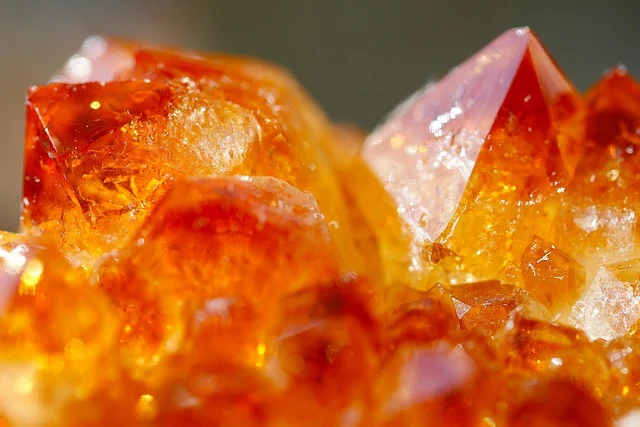
Topaz is an aluminum silicate mineral containing fluorine and hydroxyl. In a birthstone guide, imperial topaz exhibits a rich reddish-orange shade. Topaz also occurs in blue, pink, and clear white varieties. Topaz measures 8 on the Mohs hardness scale. However, it exhibits perfect basal cleavage. A sharp impact along its cleavage plane can split it cleanly. Set topaz in protective prongs to guard against hard blows.
Citrine is a golden-yellow quartz named after citron, the French word for lemon. Rating a 7 on the Mohs hardness scale, it resists scratching. A birthstone guide features it as an affordable, durable option for rings and necklaces. Heat-treating pale amethyst or smoky quartz produces most commercial citrine, a stable and accepted trade practice.
December: Turquoise, Zircon, and Tanzanite
December features three cool-toned blue gemstones: Turquoise, Zircon, and Tanzanite.
Turquoise is an opaque copper and aluminum phosphate mineral. Indigenous American, ancient Egyptian, and Persian cultures held it in high esteem for protection, leadership, and health. Rating 5 to 6 on the Mohs scale, natural turquoise is porous. Keep turquoise away from cosmetic creams, hand sanitizers, household cleaning products, and prolonged water immersion to avoid permanent color discoloration.
Zircon (natural zirconium silicate, not to be confused with synthetic cubic zirconia) offers intense optical sparkle and high fire rivaling diamond. Available in vibrant blue, warm yellow, red, and clear white, zircon rates 6.5 to 7.5 on the Mohs scale. However, its facet edges are brittle, requiring protective ring mountings.
Tanzanite, discovered near Mount Kilimanjaro in 1967, is a pleochroic zoisite gem showing rich blue, violet, and burgundy reflections depending on the viewing angle. Measuring 6 to 6.5 on the Mohs scale, tanzanite requires careful handling because it is sensitive to ultrasonic cleaners, sudden thermal stress, and hard impacts.
How do birthstones compare in durability and everyday wearability?
Selecting a gemstone for an everyday item like an engagement ring or wedding band requires matching stone hardness with lifestyle demands. Gems with a Mohs rating below 7 require protective mountings or occasional wear, while stones rated 8 to 10 handle high daily impact without scratching or dulling.
| Month | Gemstone | Mohs Hardness | Durability Rating | Recommended Usage |
|---|---|---|---|---|
| January | Garnet | 6.5 – 7.5 | Good | All jewelry; moderate impact rings |
| February | Amethyst | 7.0 | Good | Rings, pendants, earrings |
| March | Aquamarine | 7.5 – 8.0 | Very Good | Daily wear rings, neckwear |
| April | Diamond | 10.0 | Exceptional | High impact daily rings, bands |
| May | Emerald | 7.5 – 8.0 | Fair (Inclusions) | Pendants, earrings, protected rings |
| June | Pearl | 2.5 – 4.5 | Delicate | Necklaces, drop earrings, occasion pieces |
| July | Ruby | 9.0 | Excellent | Heavy daily wear rings, bangles |
| August | Peridot | 6.5 – 7.0 | Moderate | Earrings, pendants, low-profile rings |
| September | Sapphire | 9.0 | Excellent | Everyday engagement rings, bands |
| October | Opal | 5.5 – 6.5 | Fragile | Pendants, brooches, protective settings |
| November | Topaz | 8.0 | Good (Cleavage risk) | Rings, neckwear, drop mountings |
| December | Tanzanite | 6.0 – 6.5 | Moderate | Pendants, dress rings, earrings |
How to choose the right birthstone gift
Selecting a birthstone gift requires balancing personal aesthetics, practical wearability, and symbolic meaning. Following a structured selection process ensures the piece fits both the recipient’s personal style and daily routine.
- Evaluate daily activity and lifestyle: If the recipient works with their hands, stays active in athletics, or works in medical environments, choose harder gems like diamond, sapphire, or ruby. Save softer or porous gems like pearl, opal, and turquoise for pendants or special occasion items.
- Select metal tones that complement stone colors: Pair warm red, orange, and green gems (garnet, citrine, emerald) with yellow or rose gold settings to enhance rich undertones. For example, cool blue and purple gems (sapphire, aquamarine, amethyst, tanzanite) stand out in platinum or white gold mountings.
- Consider multi-stone or family designs: For parents or grandparents, combine individual birthstones representing children or family members into a single multi-stone ring, pendant, or mother’s charm bracelet.
- Choose between natural and lab-grown stones: Lab-grown diamonds, rubies, sapphires, and emeralds possess identical physical and chemical compositions to mined stones at lower costs, allowing for larger stone sizes within a set budget.
How to clean and preserve birthstone jewelry
Routine maintenance keeps birthstones bright and prevents setting wear that leads to stone loss. However, different gemstone species require tailored cleaning methods based on structural physical properties.
- Hard, non-porous stones (Diamond, Sapphire, Ruby, Spinel): Clean using warm water mixed with a few drops of mild dish soap. Scrub gently with a soft nylon toothbrush behind the setting where dust accumulates. Rinse thoroughly under running water and dry with a lint-free cloth.
- Quartzes and Beryls (Amethyst, Citrine, Aquamarine, Topaz, Garnet): Scrub gently using lukewarm soapy water. Also, avoid extreme heat or rapid cold water rinses to prevent thermal fracturing.
- Fragile, oil-treated, or porous stones (Emerald, Opal, Pearl, Turquoise, Tanzanite): Wipe clean with a soft, damp microfiber cloth. Never submerge pearls or turquoise in detergent solutions. Also, avoid steam cleaning or ultrasonic agitation entirely.
Common mistakes to avoid when buying birthstones
Buyers often make avoidable errors when selecting birthstone jewelry. Understanding key industry realities protects your investment and ensures satisfaction.
A common mistake is assuming high hardness guarantees stone invulnerability. Topaz rates an 8 on the Mohs scale, but its internal crystalline structure allows it to fracture cleanly from a single sharp blow. Similarly, emerald ranks up to 8 on the scale, but internal fractures (jardin) leave it prone to chipping if struck against hard counters.
Another error is failing to recognize common stone treatments. Heat treatments, oiling, fracture filling, and surface irradiation are widely accepted across the gem trade, but sellers must disclose them clearly. Understanding whether a stone has received enhancement helps you maintain it properly without damaging past treatments.
Frequently asked questions
What is the true meaning of my birthstone?
The meaning of your birthstone stems from historical cultural folklore, early medical lore, and astrological symbolism. Each gem is traditionally believed to emphasize positive attributes like strength, serenity, or clarity in individuals born during its month.
Are modern birthstones different from traditional ones?
Yes, modern birthstones differ from older traditional lists. Standardized in 1912 by the National Association of Jewelers, the modern list prioritized commercially accessible, high-durability gems over historical choices like carnelian, bloodstone, or sardonyx.
How can I tell if a birthstone is genuine?
Authentic birthstones display characteristic internal microscopic inclusions, specific refractive index numbers, and accurate density weight. So, buying from established jewelers who provide laboratory certifications guarantees material accuracy.
Can I wear a birthstone for a month other than my own?
Yes, anyone can wear any birthstone regardless of birth month. Many people choose stones based on color preference, seasonal fashion, or to represent loved ones, children, or personal milestones.
Are lab-grown birthstones real gemstones?
Yes, lab-grown gemstones feature the exact same chemical composition, crystal structure, and optical traits as mined gemstones. They offer identical durability and visual appeal at lower price points.