











When considering snail mucin vs hyaluronic acid which works best depend on your goals. Hyaluronic acid works best for immediate surface hydration and plumping. Snail mucin works best for long-term skin barrier repair, soothing redness, and smoothing texture. Hyaluronic acid acts as a humectant drawing water into dry skin. Snail mucin combines humectant hydration with active proteins, glycolic acid, and allantoin for multi-tasking repair.
This comparison examines the biological mechanisms, key active components, and climate performance of both hydrators. It also details which treatment best suits dry, oily, sensitive, or mature skin types, who should avoid each ingredient, and how to layer them together in a daily routine.
Snail Mucin vs Hyaluronic Acid: Which Works Best?
Hyaluronic acid and snail mucin both work exceptional wonders for hydration, but they solve fundamentally different skin problems. Hyaluronic acid is a pure humectant that instantly plumps dry skin by drawing in moisture, whereas snail mucin combines light humectant hydration with active proteins and glycolic acid to repair damaged barriers, soothe redness, and smooth texture.

When deciding which ingredient works best for your daily routine, the issue is rarely whether they function. Instead, it is how their biological mechanisms differ and which one fits your specific skincare goals. Hyaluronic acid excels at drawing surface moisture into thirsty skin cells. Meanwhile, snail mucin acts as a multi-tasking repair fluid that supports long-term structural recovery for your skin. Understanding how each molecule operates on the epidermis allows you to choose the right primary treatment. You can also layer both strategically for optimal results.
How do snail mucin and hyaluronic acid work on your skin?
To determine which ingredient will deliver the best visible improvements, it helps to look at their chemical composition, structural mechanisms, and biological effects on epidermal tissue.

Understanding hyaluronic acid and humectant action
Hyaluronic acid is a naturally occurring glycosaminoglycan found throughout human dermal tissue, connective joints, and eyes. When considering snail mucin vs hyaluronic acid for which works in topical skincare, it functions strictly as a humectant—a chemical structure designed to pull water molecules from the ambient environment and deeper dermal layers directly into the stratum corneum (the skin’s outer layer).
A single gram of hyaluronic acid can hold up to six liters of water. When applied topically, this rapid binding action fills the spaces between skin cells. It visibly plumps the skin surface within minutes and softens fine lines caused by temporary dehydration. However, evaluating snail mucin vs hyaluronic acid shows which works depends heavily on the serum’s molecular weight:
- High molecular weight: Sits on the skin’s surface to form a protective hydrating barrier, preventing transepidermal water loss.
- Low molecular weight: Penetrates into deeper epidermal layers to hydrate lower skin cells and support elasticity.
- Hydrolyzed hyaluronic acid: Broken down into ultra-small fragments for maximum absorption, delivering quick hydration deep into the surface skin layers.
Understanding snail mucin and multi-active repair
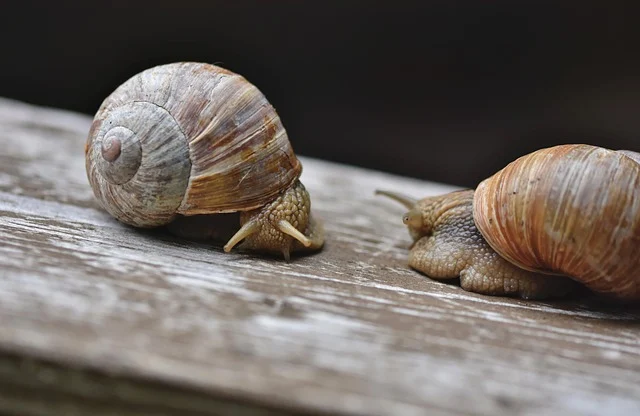
Snail mucin, listed as snail secretion filtrate, is a complex fluid. Snails produce it to repair delicate tissue and protect against external environmental damage. Unlike single-molecule humectants, snail mucin contains a diverse mix of biological compounds working together:
- Glycolic acid: Provides gentle micro-exfoliation, shedding dead surface cells to smooth rough skin texture and improve clarity.
- Allantoin: Soothes irritation, reduces facial redness, and speeds up natural tissue repair.
- Peptides and copper tripeptides: Stimulate collagen synthesis and cellular renewal to improve firm structural support.
- Glycosaminoglycans and naturally occurring HA: Provide humectant moisture retention and form a light bio-protective layer on the skin surface.
- Antimicrobial peptides: Help defend breakout-prone skin against acne-causing surface bacteria.
The collection process for cosmetic snail mucin uses non-destructive methods. Snails move across dark mesh surfaces in specialized quiet rooms, leaving behind mucin secretions before returning to their enclosures unharmed. The raw filtrate is then purified and standardized for commercial formulations.
Snail mucin vs hyaluronic acid: key differences compared
Comparing these two hydrators requires evaluating how fast they work. You must assess what specific conditions they target and how they behave under different environmental conditions.
| Comparison Criteria | Hyaluronic Acid | Snail Mucin |
|---|---|---|
| Primary Mechanism | Pure humectant that binds water molecules to plump surface cells. | Multi-active fluid providing humectant moisture, cell repair, and gentle exfoliation. |
| Key Active Components | Sodium hyaluronate, multi-molecular weight hyaluronic acid complexes. | Glycolic acid, allantoin, copper peptides, naturally occurring HA, elastin, collagen. |
| Speed of Visible Results | Immediate surface plumping and fine-line smoothing within minutes. | Gradual barrier repair, texture refinement, and redness reduction over 2 to 6 weeks. |
| Climate Performance | Requires ambient humidity or an occlusive sealer; can draw moisture out in dry air. | Forms a self-contained film that retains moisture regardless of ambient air dryness. |
| Main Skin Goals | Dehydration relief, immediate fullness, smoothing surface dryness lines. | Fading post-acne marks, soothing active irritation, repairing damaged moisture barriers. |
| Allergy Precautions | Extremely low risk; naturally recognized by human skin. | May trigger mild flare-ups in individuals with severe dust mite or mollusk allergies. |
Which ingredient is right for your skin type and concerns?
Choosing the right formula depends on your primary skin issues, current environmental conditions, and underlying barrier health.
For dry and dehydrated skin
If your skin feels tight after washing without redness, consider snail mucin vs hyaluronic acid to see which works rapidly. It draws water back into the skin. However, if your skin suffers from chronic dry flaking or a cracked moisture barrier, snail mucin works better over time. Its natural lipids, allantoin, and film-forming proteins trap hydration and actively help close epidermal gaps that allow moisture to escape.
For oily and acne-prone skin
Oily skin often overproduces sebum to compensate for a lack of water. Because of this, a basic hyaluronic acid serum balances oil levels cleanly. When comparing snail mucin vs hyaluronic acid to see which works best for active breakouts, mucin offers additional perks: its antimicrobial peptides control acne bacteria, while its glycolic acid prevents clogged pores.
For sensitive or reactive skin
Snail mucin is exceptionally comforting for irritated, inflamed, or over-processed skin. The combination of allantoin and soothing proteins calms active burning and reduces blotchy redness. When deciding on snail mucin vs hyaluronic acid for which works on sensitive skin, both are safe if fragrance-free. If your skin barrier is heavily damaged from harsh treatments, snail mucin provides superior repair capacity.
For mature skin and anti-aging
Comparing snail mucin vs hyaluronic acid shows which works for different needs: HA provides instant cosmetic surface improvements. Snail mucin addresses long-term structural changes by delivering copper peptides and growth factors. These support collagen production, helping maintain skin elasticity and firmness over extended use.
Who should NOT use these ingredients?
While both hydrators are well-tolerated, specific groups should exercise caution:
- People with dust mite or mollusk allergies: Snail mucin contains proteins that can cross-react with dust mite allergen sensitivities. This reaction potentially causes itching, small bumps, or hives. Always conduct a 24-hour patch test inside your elbow before full face application.
- Those living in arid climates without a moisturizer: If you apply high-concentration hyaluronic acid in low-humidity environments (such as desert air or air-conditioned offices) without sealing it under an occlusive moisturizer, the HA molecule will pull water out of your lower skin layers into the dry air, leaving your skin drier than before.
- Fungal acne sufferers: While pure hyaluronic acid is safe, some complex snail mucin formulations contain secondary ferments or fatty esters. These ingredients can feed *Malassezia* yeast growth. Check product ingredient lists carefully.
How to layer snail mucin and hyaluronic acid together
You do not need to choose between these two powerhouses—they work exceptionally well together when layered in the correct sequence. Combining them creates a multi-tiered moisture network that quenches superficial skin layers while feeding repair nutrients into deeper epidermal strata.
Follow this step-by-step application routine for maximum absorption and hydration:
- Cleanse: Wash your face with a gentle, non-stripping cleanser and lukewarm water.
- Dampen skin: Leave your skin damp, or mist liberally with a hydration mist or alcohol-free toner. Never let your face air-dry completely.
- Apply Hyaluronic Acid: Dispense 2 to 3 drops of hyaluronic acid serum onto your palms and press gently into your damp face. The HA will bind the surface moisture immediately.
- Apply Snail Mucin: Pump 1 to 2 coats of snail mucin essence or serum into your hands. Pat lightly across your face and neck. The slightly thicker mucin layer seals in the hyaluronic acid while supplying peptides and allantoin.
- Seal with Moisturizer: Finish with a cream suited for your skin type, whether dry, normal, or combination skin, to seal in all the hydrating humectants and active repair factors.
For morning routines, apply hyaluronic acid first to create a smooth, plump foundation under sunscreen and cosmetics. In your evening routine, focus on snail mucin to nourish your skin barrier overnight while your body undergoes natural tissue repair.
Real-world scenarios: choosing the right option for your daily routine
To help guide your choice, consider these common real-world skin situations:
Scenario 1: Camera-ready plumping before an event
If you wake up with tight skin, choose hyaluronic acid vs snail mucin to see which works fast for plumping. Its humectant properties fill out surface cells within minutes, creating a smooth, supple canvas for makeup application.
Scenario 2: Fading stubborn post-acne marks and uneven texture
If you wonder about snail mucin vs hyaluronic acid and which works for persistent red marks and rough texture, snail mucin wins. Its glycolic acid gently polishes skin texture while copper peptides support healthy tissue renewal to fade dark marks faster.
Scenario 3: Recovering from over-exfoliation or peel damage
If you overused active acids or retinoids and ended up with a burning, peeling, compromised skin barrier, layer both ingredients. When considering snail mucin vs hyaluronic acid and which works best, apply hyaluronic acid on damp skin to restore lost water, followed immediately by snail mucin to soothe inflammation and seal the raw barrier while it heals.
What to look for when buying snail mucin and hyaluronic acid products
Not all skincare products yield equal results. Evaluating formulation quality ensures you get high performance without irritating fillers.
Evaluating hyaluronic acid formulas
- Multi-molecular weights: Look for products combining sodium hyaluronate, hydrolyzed hyaluronic acid, and sodium hyaluronate crosspolymer to hydrate multiple epidermal depth levels.
- Complementary humectants: Formulas paired with glycerin, panthenol (Vitamin B5), or beta-glucan provide far superior hydration than pure HA alone.
- Clean formulation: Avoid formulas containing high concentrations of denatured alcohol, synthetic fragrances, or essential oils, which compromise skin barrier health.
Evaluating snail mucin formulas
- High filtrate concentration: Effective essences and serums list snail secretion filtrate as the first ingredient, ideally at concentrations between 80% and 96%.
- Synergistic actives: Look for added ingredients like niacinamide (to brighten skin and regulate oil) or adenosine (to calm inflammation and smooth lines).
- Cruelty-free certifications: Ensure the manufacturer uses certified ethical collection processes where snails are not harmed during mucin extraction.
Price and value expectations
When comparing snail mucin vs hyaluronic acid to see which works best, effective hyaluronic acid serums cost $8 to $20. Complex multi-weight formulas with added peptide chains cost up to $30 to $50. Quality snail mucin products—primarily developed by Korean skincare brands—typically cost between $15 and $30 for generous 100ml bottles, offering high active value per application.
Common mistakes that ruin your hydration results
Even high-grade ingredients fail if applied incorrectly. Avoid these common application mistakes:

1. Applying hyaluronic acid to bone-dry skin
Comparing snail mucin vs hyaluronic acid shows which works best when applied correctly to damp skin. Always apply HA onto damp skin immediately after cleansing or misting.
2. Skipping an occlusive moisturizer
Humectants attract water, but they cannot lock it in place on their own. Without a final layer of moisturizer containing emollients or occlusives (like ceramides, squalane, or plant oils), drawn moisture evaporates into the air through transepidermal water loss.
3. Over-exfoliating when combining snail mucin with strong actives
Because snail mucin contains trace amounts of naturally occurring glycolic acid, combining it with high-strength AHA/BHA chemical peels or prescription retinoids can occasionally trigger mild peeling or sensitivity in delicate skin. Introduce them together slowly.
4. Expecting instant scar healing from snail mucin
Hyaluronic acid provides instant plumping, but snail mucin’s structural tissue repair requires consistent cellular turnover. Give snail mucin at least 4 to 6 weeks of daily application before judging its effect on scars and skin texture.
5. Skipping a patch test on sensitive skin
Never apply a concentrated natural byproduct all over your face without testing it first. Place a small spot of serum behind your ear or along your inner jawline for 24 hours to check for potential allergic reactions.
Frequently asked questions
What is the main difference between snail mucin and hyaluronic acid?
Hyaluronic acid is a single-function humectant that pulls water into skin cells for immediate surface plumping. Snail mucin is a multi-active biological fluid that provides light humectant hydration alongside peptides, allantoin, and glycolic acid to actively repair damaged skin barriers and smooth rough texture.
Can I use snail mucin and hyaluronic acid together every day?
Yes, you can safely use both ingredients daily, morning and night. Apply hyaluronic acid first to damp skin to boost immediate moisture, then layer snail mucin on top to calm your skin barrier and seal in hydration.
Which ingredient is better for acne-prone skin?
Snail mucin is generally superior for acne-prone skin because its natural antimicrobial peptides combat acne bacteria, its allantoin reduces inflamed redness, and its trace glycolic acid helps clear pore-clogging debris without drying out your skin.
Does hyaluronic acid or snail mucin work faster?
Hyaluronic acid works faster for immediate appearance changes, plumping dehydration lines within minutes. Snail mucin works more slowly and cumulatively, taking 2 to 6 weeks to visibly repair compromised skin, soothe redness, and smooth uneven texture.
Is snail mucin safe for people with dust mite allergies?
People with severe dust mite or shellfish allergies should exercise caution with snail mucin, as cross-reactive proteins can sometimes trigger mild contact dermatitis or itching. Always perform a patch test on your inner arm before applying it to your face.