













How to Skin Care for Men: 3-Step Daily Routine & Face Care Guide
Effective skin care for men relies on a simple three-step daily routine that includes cleansing, moisturizing, and protecting skin with SPF. Prioritizing these essential steps yields superior skin health without requiring an overly complex multi-step regimen. The rest of this guide outlines how to integrate shaving into your daily routine, structure morning versus evening care, and avoid common pitfalls like using harsh body soap on your face. You will also find practical best practices and answers to common questions about maintaining healthy skin.
is skin care for men necessary?
Biological differences between male and female skin make dedicated face care essential. Male skin also possesses a higher density of sebaceous glands, producing more natural sebum (oil) throughout life. This increased oil production makes men more prone to clogged pores, blackheads, enlarged pores, and prolonged adult acne.
Daily facial stress from shaving further compromises the outermost skin layer (stratum corneum). Shaving strips protective natural lipids alongside facial hair, leading to microscopic cuts, localized inflammation, razor burn, and ingrown hairs. A targeted facial routine restores the moisture barrier, balances excess oil, and protects exposed skin from environmental damage.
what skin care for men works best? determining your skin type
Selecting effective products requires matching ingredients and textures to your specific skin type. Using products designed for dry skin on an oily face can trigger breakouts, while using oil-stripping formulas on dry skin causes flaking and irritation.

| Skin Type | Key Indicators | Recommended Formula Texture | Key Active Ingredients |
|---|---|---|---|
| Oily | Shiny forehead and nose (T-zone) within hours of washing; visible pores; frequent clogged pores. | Lightweight gels, oil-free fluids, foaming cleansers. | Salicylic acid (BHA), niacinamide, hyaluronic acid. |
| Dry | Tight sensation after washing; flaky patches; rough texture; dull appearance. | Hydrating cream cleansers, rich lotion moisturizers. | Ceramides, glycerin, shea butter, squalane. |
| Combination | Oily nose and forehead paired with normal or dry cheeks. | Gel-creams or lightweight lotion formulas. | Hyaluronic acid, lightweight dimethicone, niacinamide. |
| Sensitive | Redness, burning, or sting after applying products or shaving; reactive skin. | Fragrance-free, non-comedogenic creams and milk cleansers. | Centella asiatica, aloe vera, colloidal oatmeal, allantoin. |
how to do proper skin care for men: step-by-step routines
To establish a consistent habit, divide your regimen into a morning (AM) routine focused on protection and an evening (PM) routine focused on cleaning and barrier recovery.

how to skin care routine for men: morning (AM) routine
- Cleanse: Wash your face with warm water and a dedicated facial cleanser. Massage in circular motions for 30 seconds to dissolve overnight sebum and accumulated debris, then rinse clean.
- Moisturize: Apply a nickel-sized amount of moisturizer to slightly damp skin to seal in hydration and maintain barrier function.
- Protect (SPF): Apply a broad-spectrum sunscreen with SPF 30 or higher as the final step. Reapply if spending extended periods outdoors. (Note: Many modern men’s moisturizers combine hydration and SPF 30+ in a single morning product).
how to face care for men: evening (PM) routine
- Cleanse: Wash thoroughly with your facial cleanser to remove daytime environmental pollutants, sweat, excess oil, and sunscreen residues.
- Targeted Treatment (Optional): Apply a focused serum or treatment, such as a 2% salicylic acid solution for blackheads or a low-strength retinoid for texture and signs of aging.
- Night Moisturizer: Apply a slightly richer moisturizer before sleep to support natural skin repair while you sleep.
how to care face skin for men while shaving
Shaving acts as a form of physical exfoliation, which can damage the skin barrier if performed incorrectly. Integrating correct pre-shave and post-shave steps minimizes razor burn, irritation, and folliculitis.
pre-shave and shaving steps
- Prep with heat and hydration: Shave immediately after a shower or press a warm, damp towel against the beard area for 60 seconds. Warm water softens hair keratin, reducing the blade force required to cut the hair.
- Use a protective shave cream: Apply a non-foaming shave gel or hydrating cream that creates slick lubrication between blade and skin. Avoid traditional aerosol foams packed with drying alcohol or sodium lauryl sulfate.
- Shave with the grain: Glide the razor in the direction of hair growth using short, gentle strokes. Avoid pulling skin tight or passing over the same area multiple times without reapplying shave cream.
- Rinse and replace blades: Change multi-blade cartridges after 5 to 7 shaves. Dull blades tug hairs and cause microscopic skin tears.
post-shave recovery and ingrown hair prevention
Discard harsh, alcohol-based aftershave splashes that dry out skin and trigger rebound inflammation. Instead, apply an alcohol-free post-shave balm containing soothing ingredients such as aloe vera, chamomile, or panthenol.
how to skin care men reddit: key community recommendations
Skincare communities across public forums like Reddit consistently emphasize several core principles based on user testing and dermatologist advice:
- Consistency over complexity: A basic cleanser, moisturizer, and sunscreen used daily delivers better long-term skin health than an elaborate seven-step routine used sporadically.
- Ditch physical scrub beads: Abrasive apricot scrubs or stiff bristles create micro-tears in facial skin. Chemical exfoliants like salicylic acid (for oil/acne) or glycolic acid (for texture/flaking) applied 2–3 times a week are gentler and more effective.
- Watch product pH: Standard bar soaps have an alkaline pH of 9–10, which destroys the skin’s acidic natural barrier (pH 4.5–5.5). Switching to a pH-balanced liquid facial cleanser resolves tightness and redness quickly.
- Patch test new products: Test new formulas on a small patch of skin near the jawline for 24 to 48 hours before full-face application to check for allergic reactions or breakout triggers.
common male face care mistakes and direct fixes
mistake 1: using body soap or shower gel on the face
Problem: Harsh surfactants in standard body soaps strip natural lipid layers, causing tight skin, rebound overproduction of oil, and accelerated moisture loss.
Fix: Keep a gentle, dedicated facial cleanser inside the shower and use it exclusively above the collarbone.

mistake 2: skipping daily sunscreen
Problem:
Fix: Use a light daily morning moisturizer labeled with Broad-Spectrum SPF 30 or higher.
mistake 3: applying body lotion to facial skin
Problem: Heavy body creams contain thick emollients and waxes that clog fine facial pores, triggering acne and milia (tiny white cysts).
Fix: Use non-comedogenic facial creams or oil-free facial hydration gels specifically tested for facial use.
how to care for menopausal skin compared to male skin
Understanding how hormonal shifts impact skin clarifies why male skincare requires a distinct approach compared to menopausal skin care:

- Menopausal Skin: Rapid drops in estrogen lead to accelerated collagen loss (up to 30% reduction in early post-menopause years), marked dryness, dermal thinning, and loss of skin elasticity. Skincare focuses heavily on rich lipid restoration, phytoestrogens, heavy emollients, and dense hydration.
- Male Skin: Testosterone maintains steady sebum production and thicker collagen structure well into late adulthood. Male skincare focuses primarily on managing oiliness, preventing pore congestion, calming shaving friction, and maintaining barrier integrity against sun damage.
who this standard routine does not suit
While a 3-step regimen serves the majority of men, certain conditions require medical evaluation and specialized treatment plans rather than over-the-counter products:
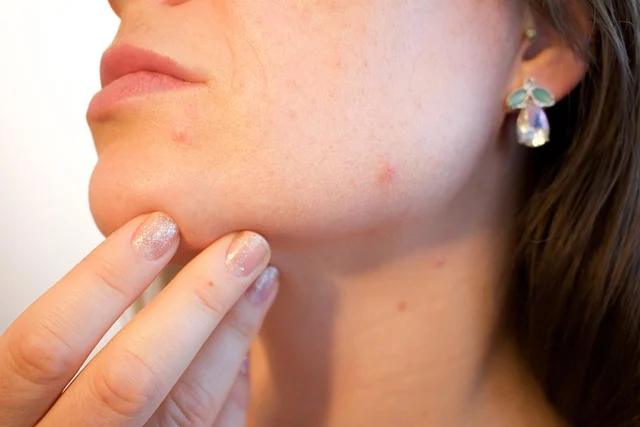
- Severe Cystic Acne: Deep, painful lesions under the skin require prescription oral or topical medications (such as isotretinoin or prescription retinoids) directed by a board-certified dermatologist.
- Active Eczema or Psoriasis Flares: Cracked, bleeding, or intensely inflamed skin patches require prescription topical anti-inflammatory ointments rather than cosmetic moisturizers.
- Rosacea: Persistent facial redness, visible blood vessels, and inflammatory papules require specialized prescription therapies like azelaic acid or ivermectin to prevent permanent tissue thickening.
Related guides
Frequently asked questions
how to take care of face skin male on a tight budget?
You only need three low-cost core items: a gentle basic facial cleanser, an affordable non-comedogenic moisturizer, and a drugstore broad-spectrum SPF 30 sunscreen. Multi-use product options like a combined morning SPF moisturizer further reduce expenses while covering all essential requirements.
what’s good skin care for men who work outdoors?
Outdoor workers require enhanced sun protection and barrier defense. Use a water-resistant, broad-spectrum sunscreen with SPF 50+, reapplying every 2 hours. Incorporate a antioxidant serum (like Vitamin C) under sunscreen in the morning to fight environmental pollution, and use a ceramide-rich barrier repair cream at night.
how long does it take to see results from a new skin care routine?
Improvement in skin hydration and reduction in razor tightness can occur within 3 to 7 days. Pore refinement and oil regulation typically take 2 to 4 weeks. Cellular skin turnover takes approximately 28 to 40 days, so evaluate acne improvements or smooth texture changes after 4 to 6 weeks of continuous daily compliance.
how to skin care for men with sensitive skin or beard burn?
Choose fragrance-free, alcohol-free products labeled non-comedogenic and hypoallergenic. Avoid physical exfoliants, alcohol aftershaves, and essential oils. Wash face with lukewarm water, apply soothing post-shave balm with niacinamide or aloe vera, and use a dedicated gel moisturizer formulated for sensitive skin types.


