








The best affordable streetwear brands 2026 offers—including Carhartt WIP, Dickies, Stüssy, Obey, and The Hundreds—deliver heavy fabrics, durable stitching, and authentic design without luxury price tags. By focusing on classic workwear cuts, heavyweight cotton blanks, and timeless graphic tees under $100, these labels provide maximum durability and everyday style per dollar.
The rest of this guide breaks down standard price tiers for core items. It explains key differences in fabric density and seam construction. The guide also compares individual brand offerings, fit profiles, and standout garments to help build a cost-effective rotation.
Best Affordable Streetwear Brands 2026: Style That Won’t Break the Bank
The best affordable streetwear brands 2026 offers include Carhartt WIP, Dickies, Stüssy, Obey, and The Hundreds. These labels deliver heavy fabrics, durable stitching, and authentic design without luxury price tags. By focusing on classic workwear cuts, heavyweight cotton blanks, and timeless graphic tees under $100, these labels provide maximum durability and everyday style per dollar.
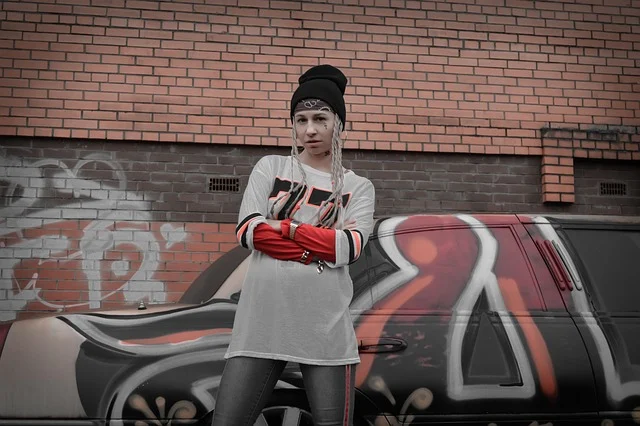
Achieving a modern aesthetic does not require dropping hundreds of dollars on a single hoodie or graphic tee. A well-curated wardrobe relies on smart purchasing decisions, understanding fabric construction, and knowing which labels deliver authentic streetwear heritage rather than disposable fast-fashion imitations. Many established workwear outfits and independent skate labels continue to produce garments that look sharp and hold up after dozens of wash cycles.
- Top budget streetwear choices emphasize high material weight, durable seams, and original graphics over loud branding.
- Heritage brands like Dickies and Carhartt WIP provide sturdy foundations that outlast trend-focused mall brands.
- Focusing on versatile silhouettes makes building a functional multi-piece rotation easy and cost-effective.
- Understanding fabric density—such as heavy cotton twill and 400+ GSM fleece—helps you avoid cheap, thin garments.
What defines affordable streetwear in 2026?
Affordable streetwear operates within a distinct price spectrum. Core wardrobe items generally break down into standard price tiers. Graphic t-shirts cost between $30 and $50, while durable fleece hoodies and sweatshirts sit between $60 and $110. Heavy work trousers range from $40 to $85, and lined outerwear sits between $120 and $200. These figures remain far below luxury fashion standards while avoiding the fragile construction of ultra-low-cost fast fashion.
The distinction comes down to material density, seam construction, and original cut design. Lower-tier fast fashion brands cut costs by using thin cotton-polyester blends that pill. They also use unreinforced single-needle stitching and generic boxy cuts that lose shape after one wash.

Brands in this space also align with cultural movements in skating, workwear, and graphic design. They maintain consistent sizing and re-release core classics annually. These brands build direct relationships with their core communities rather than relying on rapid micro-trend cycles. According to market data published by Global Fashion Insights, consumer preference shifted noticeably. Buyers prioritised garment longevity over temporary social media buzz.
Top affordable streetwear brands for 2026
Selecting the right brand depends on the specific garment you need. Some labels excel at rugged bottoms and utility jackets, while others specialize in heavy fleece, headwear, or screen-printed art.
Carhartt WIP
Carhartt WIP (Work In Progress) adapts traditional American workwear into modern street silhouettes with refined fits and premium textiles. While its retail prices sit at the higher end of the budget spectrum, the sheer durability of its garments yields an exceptionally low cost per wear. A classic Dearborn canvas jacket retails near $200, but its heavy 12oz cotton canvas construction easily handles years of daily friction.
Carhartt WIP is best for buyers who prioritize hard-wearing outerwear, relaxed cargo pants, and subtle branding. It is less suited for shoppers seeking ultra-lightweight fabrics, tight slim cuts, or rapid trend-chasing designs. The brand’s aesthetic remains firmly rooted in structured, utilitarian heritage.
Dickies
Dickies stands as one of the most accessible starting points for modern streetwear. Famous for its heavy cotton-poly twill work pants, the brand provides stiff, clean lines that hold a sharp crease and resist tearing. The iconic 874 Original Work Pant generally costs under $45, offering an indestructible base for oversized or tailored skate outfits.
Dickies works exceptionally well for buyers who want relaxed-fit trousers, Eisenhower utility jackets, and rugged button-down work shirts. However, raw Dickies twill pants can feel rigid and stiff right off the rack, requiring several washes to soften up. Buyers who prefer soft, pre-washed cotton or flexible stretch fabrics may find standard Dickies workwear uncomfortably stiff initially.
Stüssy
As one of the originators of Southern California skate and surf streetwear, Stüssy maintains an ideal middle ground between high credibility and reasonable pricing. Core graphic t-shirts retail around $45, while fleece crewnecks and hoodies hover between $90 and $120. The brand’s distinct hand-drawn signature logo and relaxed Californian cuts give every piece instant recognition.
Stüssy is ideal for anyone looking to build an authentic graphic tee rotation. You can also pick up heavyweight fleece tops with clean, classic logos. The trade-off is availability: popular colorways and seasonal drops sell out rapidly on release days, forcing buyers to act fast or settle for staple core graphics.
Obey
Founded by artist and illustrator Shepard Fairey, Obey merges fine-art graphic design, propaganda imagery, and street culture. The brand produces graphic tops, heavy corduroy shirts, carpenter pants, and outer layers ranging from $35 for tees to $130 for jackets. Obey consistently uses thick cotton jersey for its tees, ensuring collars hold their shape over time.
This label suits individuals who want expressive visual art, bold typography, and social commentary integrated into their clothing. It may not appeal to buyers searching for clean minimalism, plain solid garments, or unbranded aesthetic pieces.
The Hundreds
Based in Los Angeles, The Hundreds focuses on classic 1990s culture, graphic storytelling, and community-first streetwear. Core items include heavy fleece hoodies featuring their signature bomb graphic, snapback caps, and relaxed graphic tees priced between $38 and $110. The brand takes pride in using heavy cotton blanks and high-density screen printing that resists cracking.
The Hundreds is great for fans of West Coast skate culture, nostalgia-driven design, and structured headwear. Buyers looking for neutral, unbranded apparel or high-fashion oversized draped silhouettes will find fewer options in their core catalogue.
Champion Reverse Weave
Champion’s flagship Reverse Weave line remains a gold standard for affordable athletic fleece. By cutting the fabric cross-grain during manufacturing, Champion prevents vertical shrinkage in the wash. This creates a side-paneled hoodie that retains its boxy shape for years. Standard Reverse Weave hoodies retail between $60 and $85.
This brand is ideal for buyers looking for thick 12oz athletic hoodies and sweatpants that can take heavy daily abuse. It is less suited for those wanting thin, soft loungewear fleece or intricate graphic art. Champion focuses primarily on solid colors and simple felt patch branding.
HUF
Rooted deep in San Francisco and Los Angeles skate culture, HUF produces durable skate apparel designed to handle board slides and concrete wear. Their graphic tees, zip hoodies, work jackets, and double-knee trousers range from $36 to $120. HUF garments frequently feature reinforced stitching and heavy cotton twill designed to survive outdoor use.
HUF suits skaters and casual wearers who favor bold graphics, utility pockets, and skate-ready pants. Those looking for minimal, smart-casual workwear may find their graphic motifs and skate-centric detailing too casual for non-skate settings.
Comparing the best budget streetwear options
To help you select the best affordable streetwear brands 2026 has to offer for your specific wardrobe needs, this table breaks down price ranges, material traits, fit styles, and ideal uses across core labels.
| Brand | Price Range | Core Products | Fabric & Construction | Fit Profile | Best For |
|---|---|---|---|---|---|
| Carhartt WIP | $60 – $220 | Detroit Jackets, Cargo Pants, Duck Canvas | 12oz Dearborn Canvas, Triple-stitched seams | Relaxed, structured workwear fit | Durable outerwear & utility bottoms |
| Dickies | $30 – $90 | 874 Work Pants, Eisenhower Jackets | Heavy Cotton-Poly Twill, Stain-release finish | Stiff, straight leg, relaxed waist | Indestructible work pants & layering jackets |
| Stüssy | $45 – $140 | Graphic Tees, Fleece Hoodies, Bucket Hats | Heavyweight combed cotton jersey & fleece | Relaxed West Coast skate fit | Authentic graphic tees & statement fleece |
| Obey | $35 – $130 | Art Tees, Corduroy Overshirts, Jackets | 100% Cotton jersey, garment-dyed fabrics | Standard to boxy fit | |
| The Hundreds | $38 – $120 | Snapback Caps, Fleece Hoodies, Tees | Heavy ring-spun cotton, high-density prints | Classic 90s streetwear fit | Skate nostalgia & structured headwear |
| Champion | $45 – $90 | Reverse Weave Hoodies, Crewnecks | 12oz Cross-grain fleece, rib side panels | Boxy, athletic, shrink-resistant fit | Heavyweight solid fleece layers |
| HUF | $36 – $120 | Skate Pants, Graphic Hoodies, Jackets | Reinforced cotton twill, durable canvas | Loose, skate-functional fit | Skate-ready bottoms & graphics |
Common mistakes when buying budget streetwear
Shopping for budget clothing requires careful inspection to avoid common traps that lead to wasted money and short-lived garments.
One major error is mistaking ultra-fast fashion for true budget streetwear. These pieces look good under studio lights but quickly lose shape, develop fuzz, and show ripped seams at high-stress points.
Another issue is falling for resale markups on basic releases. Waiting for restocks directly from brand sites or authorized retailers keeps costs strictly at base retail prices.
Over-indexing on large logos over garment construction is equally problematic. A basic black tee with a oversized chest print from a hyped brand may cost $60 while offering thin, semi-sheer fabric. Choosing unbranded or subtly branded options built from 240 GSM heavy cotton gives you superior drape and longevity at the same cost.
Finally, ignoring fabric weight details leads to disappointment. According to product defect data highlighted in Fashion Forward Magazine, garment longevity issues account for over 60% of post-purchase regret among fashion consumers, underscoring the necessity of checking textile specifications prior to checkout.
How to evaluate streetwear quality before buying
Learning how to inspect garments ensures you spend money only on clothing that will last. Look for these technical specifications when shopping in-store or reviewing product specs online:
- Fabric Weight (GSM): Fabric weight is measured in grams per square meter (GSM). For standard t-shirts, aim for 200 GSM to 260 GSM for a solid, thick feel that drapes cleanly. For hoodies and crewnecks, look for 380 GSM to 500 GSM heavy fleece to guarantee warmth and structure.
- Seam Construction: Check inside seams for double-needle or flatlock stitching. Double stitching along hem lines, sleeve cuffs, and neckline collars prevents unraveling and maintains garment geometry through washing machines.
- Collar Ribbing: A quality t-shirt features dense, thick ribbing around the collar, ideally reinforced with internal neck tape. Thin, flimsily stitched collars turn into wavy “bacon collars” after heat drying.
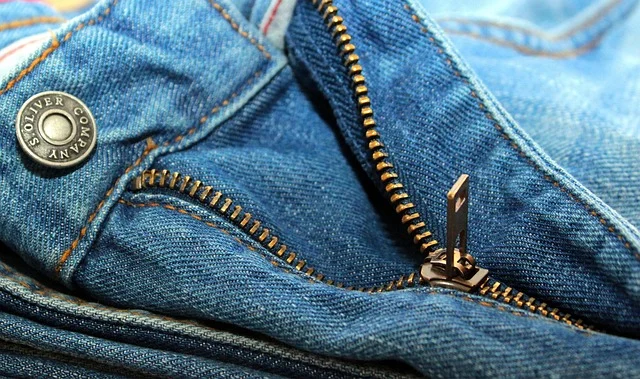
- Hardware & Fasteners: Ensure jackets and hoodies feature solid metal hardware, such as YKK or IDEAL zippers, double-stitched pocket corners, and brass snaps. Plastic zippers on canvas jackets are a clear indicator of cheap manufacturing.
- Pre-Shrunk Cotton: Verify if 100% cotton garments are pre-shrunk or garment-dyed. Unwashed raw cotton can shrink up to two full sizes under high-temperature drying, ruining the fit immediately.
Building a budget streetwear wardrobe: step-by-step
Building a cohesive streetwear wardrobe on a budget works best when you construct a functional capsule rotation. Follow this step-by-step assembly guide to build a multi-outfit collection under $400.
- Establish a Solid Bottom Foundation ($80 – $120): Purchase two versatile bottoms: one pair of straight-leg Dickies 874 work pants in dark navy or black, and one pair of relaxed olive cargo trousers from Carhartt WIP or HUF. These two trousers handle nearly every footwear combination.
- Secure Heavyweight Base Tops ($80 – $100): Pick up three thick blank or minimal graphic t-shirts (220+ GSM) in white, black, and heather gray. Brands like Stüssy or Champion offer sturdy blanks that sit flat against trousers without clinging.
- Add Mid-Layer Fleece ($70 – $90): Invest in one solid 400 GSM Reverse Weave hoodie from Champion or a clean hooded sweatshirt from The Hundreds in a neutral tone like brown, ash, or charcoal.
- Acquire Structured Outerwear ($100 – $140): Add one hard-wearing utility outer layer, such as a canvas work jacket or an unlined Eisenhower jacket. This adds immediate structure to simple t-shirt outfits.
- Finish with Subtle Accessories ($30 – $50): Complete your daily outfits with a durable canvas cap or beanie and a well-fitted belt to enhance overall outfit proportion. You can check out complementary styling guides like our overview on how to choose the right belts to enhance simple waistlines cleanly.
Independent labels and sustainable options
Beyond major heritage brands, the streetwear landscape contains independent labels operating on small-batch production models. These brands often bypass retail distributors to sell direct to consumers, keeping prices reasonable while offering unique graphics and eco-conscious manufacturing.
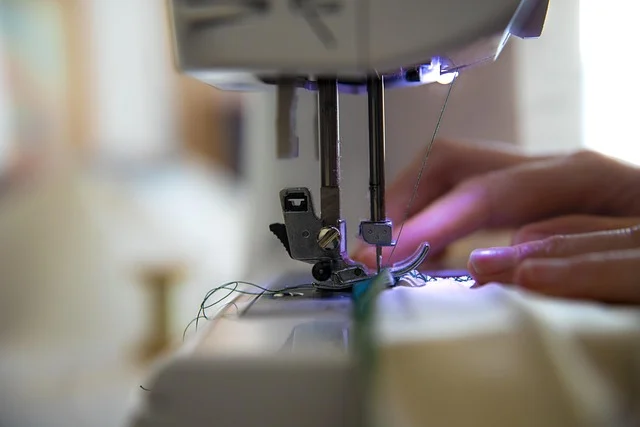
Independent labels frequently utilize upcycled vintage textiles, organic cottons, and eco-friendly water-based screen printing inks. Small brands focused on local skate communities or micro-run apparel usually announce drops via newsletter lists or social platforms, offering small production runs that ensure your outfit remains distinct.
Buying from eco-conscious independent labels also reduces environmental impact by avoiding massive overproduction runs common among commercial fast-fashion chains. Resources like Eco Watch’s guide to sustainable fashion highlight how choosing heavy organic cottons and ethical small-batch producers protects both your wallet and regional ecosystems over time.
Smart shopping and secondhand resale strategies
You can stretch your budget further by incorporating secondary market sourcing and timing primary market buys around retail schedules.
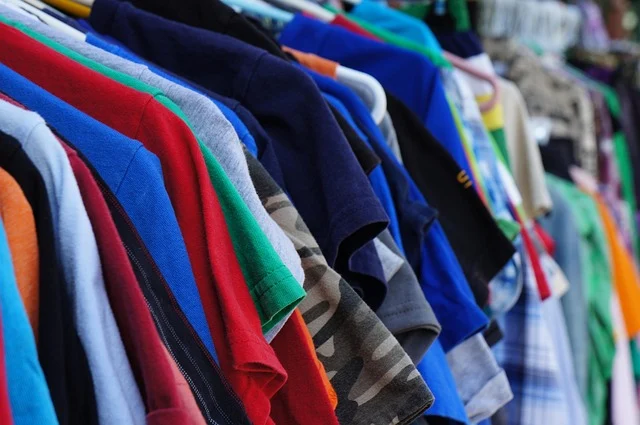
Primary market discounts occur consistently during end-of-season clearance windows in January and July.
Secondhand peer-to-peer apps such as Depop, Grailed, Vinted, and eBay allow you to source gently worn heritage items at steep discounts. Workwear items like Carhartt canvas jackets, Dickies pants, and vintage Stüssy tees often look better with age and wear. This makes them ideal secondhand purchases.
When shopping secondhand, follow these safety checks:
- Request exact flat measurements (pit-to-pit width, shoulder seam to hem length, waist width, and inseam) rather than trusting tag sizes, as older cotton garments may have shrunk.
- Examine close-up photos of high-wear areas including armpits, collar rims, sleeve cuffs, and trouser hems to verify there are no hidden tears or permanent stains.
- Check seller ratings and review feedback history to avoid counterfeit items or slow shipping.
Market studies published by ThredUp highlight how secondhand apparel adoption continues to expand rapidly as consumers seek out durable vintage construction over lightweight new alternatives.
Frequently asked questions
What is the difference between affordable streetwear and fast fashion?
Affordable streetwear uses heavy, high-density fabrics, double-needle stitching, and original cuts built for daily wear and tear. Fast fashion prioritizes high turnover with thin synthetic blends, single-stitch seams, and low-cost manufacturing that wears out quickly.
How can I tell if a budget hoodie is good quality online?
Look for construction features like rib side panels, double-lined hoods, and metal grommets.
Which affordable streetwear brands have the best fitting pants?
Dickies offers classic straight-leg fits with stiff structure through its 874 line, while Carhartt WIP excels at modern relaxed cargo and carpenter cuts. For wider, skate-focused cuts, HUF provides comfortable fits with extra room through the thigh.
How do I care for heavy cotton streetwear garments so they last?
Wash your heavy cotton hoodies, tees, and canvas jackets inside out in cold water using mild detergent. Hang dry or tumble dry on low heat to prevent fabric shrinkage, collar warping, and graphic print cracking.
Can I build a full streetwear outfit for under $150?
Yes, pairing classic Dickies 874 work pants ($40) with a heavy Champion crewneck ($50) and a graphic Stüssy or HUF tee ($45) gives you a complete, high-quality outfit within that budget.
Finding the best affordable streetwear brands 2026 relies on prioritising construction, weight, and authentic heritage over temporary social media hype. By focusing on durable workwear pants, thick cotton fleece, and smart secondhand sourcing, you can easily maintain a sharp, lasting streetwear wardrobe on any budget.