










The Punctuation Mark of Power: Why Designer Belts Matter in 2026
As of May 2026, the best designer belts for men are more than mere utility; they are sophisticated statements of personal brand and sartorial intelligence. A well-chosen designer belt can transform an ordinary outfit into something exceptional, signaling attention to detail and an appreciation for fine craftsmanship. Whether you’re dressing for the boardroom, a casual weekend, or a formal event, the right belt acts as the perfect punctuation mark, tying together your entire look with effortless authority.
- Designer belts offer superior craftsmanship, materials, and unique style that elevate any outfit.
- As of 2026, quality leather, durable hardware, and versatile design are key considerations for discerning buyers.
- Investing in a reputable brand ensures longevity and a statement of personal style.
- Proper sizing and care are crucial for maximizing the lifespan and appearance of your designer belt.
- Consider the occasion and existing wardrobe when selecting the best designer belt for your needs.
Beyond Function: The Enduring Value of Designer Belts
Many men might question the necessity of a designer belt when a perfectly functional option costs a fraction of the price. However, the distinction lies in the details. Designer belts from reputable houses like Hermès, Gucci, or Salvatore Ferragamo are crafted from premium materials, often full-grain Italian leather, meticulously stitched, and finished with strong hardware that resists wear and tear. This attention to detail translates into a belt that not only looks superior but also lasts significantly longer than mass-produced alternatives. For instance, while a typical department store belt might show signs of cracking and wear within 1-2 years, a well-maintained designer belt can endure a decade or more of regular use.

In 2026, the fashion landscape continues to value authenticity and lasting quality. A designer belt isn’t just an accessory; it’s an investment in your personal presentation and a testament to your discerning taste. It’s about owning a piece that reflects a heritage of quality and design, something that enhances your confidence with every wear.
The Anatomy of Excellence: Materials and Craftsmanship
The foundation of any superior designer belt rests on its materials and the skill with which it’s constructed. As of May 2026, the discerning consumer seeks authenticity and durability, hallmarks of true luxury.
Full-Grain Leather: The Gold Standard
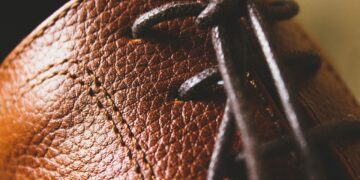
When evaluating the best designer belts for men in 2026, full-grain leather is the undisputed champion. This is the uppermost layer of the hide, retaining all its natural grains and imperfections, which contribute to its unique character and strength. Full-grain leather is renowned for its durability, breathability, and ability to develop a rich patina over time, making each belt uniquely yours. Brands like Tom Ford and Brunello Cucinelli consistently source the finest full-grain leathers for their collections.
Avoid belts made from genuine leather, which is a lower-quality split layer of the hide, often coated to mimic the appearance of full-grain. The difference is palpable in both feel and longevity; full-grain leather will soften and age gracefully, while genuine leather can become stiff and brittle.
Exotic and Specialty Leathers
For those seeking a bolder statement, designer belts crafted from exotic leathers such as alligator, crocodile, ostrich, or even sharkskin offer unparalleled luxury. These materials are inherently more expensive and require specialized tanning processes. Brands like Louis Vuitton and Bottega Veneta are known for their exquisite use of these exotic materials, often featuring distinctive textures and patterns that command attention.
While visually striking, exotic leathers can be more delicate and require specific care to maintain their appearance. A crocodile belt from a top-tier brand, for example, can easily cost upwards of $1,500, reflecting the rarity and craftsmanship involved.
Buckle Designs and Finishes
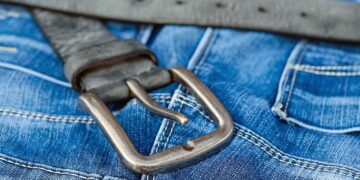
The buckle is the focal point of a belt, and designer brands spare no expense in creating striking hardware. Common materials include solid brass, stainless steel, and titanium, often plated with precious metals like palladium, gold, or rose gold. The finish can range from a high-polish gleam to a brushed matte or hammered texture.
Consider the weight and proportion of the buckle relative to the belt strap. A substantial buckle can anchor a wider belt, while a slimmer profile suits more formal attire. Brands like Montblanc are renowned for their meticulously engineered buckles that often feature subtle branding or intricate detailing. A classic rectangular buckle with a polished finish is a safe bet for versatility, but unique designs, such as those from Hermès with their iconic H logo, offer a distinct brand signature.
Stitching and Edge Finishing
The quality of stitching is a subtle yet crucial indicator of a belt’s craftsmanship. Look for neat, consistent, and tight stitching, ideally with a waxed thread. Double-stitched designs, often found on more strong casual belts, offer added durability. The edge finishing should be smooth, clean, and sealed to prevent fraying. Some high-end belts feature hand-painted edges for a refined touch.
For example, a belt from Berluti might feature hand-burnished edges, a testament to the artisanal approach. This level of detail ensures the belt not only looks good but also withstands daily wear without compromising its integrity.
The Elite Circle: Top Designer Belt Brands for 2026
Selecting the best designer belt involves aligning with brands that consistently deliver on quality, style, and heritage. As of May 2026, these names stand out for their enduring appeal and commitment to luxury.
Hermès: The Pinnacle of Luxury
Synonymous with unparalleled luxury, Hermès belts are iconic. The H-buckle belt, often in reversible leather options (like black/gold or black/etain), is a status symbol recognized globally. Crafted from the finest leathers, these belts are an investment piece, frequently commanding prices upwards of $800 to $1,500 or more, depending on the leather and buckle finish. Their durability and timeless design make them a coveted item.
The allure of Hermès lies not just in the product but the heritage; each belt represents meticulous craftsmanship passed down through generations. Their limited availability often adds to their desirability.
Gucci: Bold and Iconic
Gucci offers a blend of classic Italian craftsmanship with a modern, often bold aesthetic. Their signature GG buckle is instantly recognizable and appears on a range of belts crafted from various leather types, including GG Supreme canvas. Gucci belts typically range from $400 to $900, offering a more accessible entry into the designer belt market compared to Hermès.
The brand’s recent collaborations, such as the one with Tom Brady and Cindy Crawford featured in Times Square in May 2026, underscore their continued relevance in contemporary fashion. This accessibility and bold branding appeal to a wide demographic.
Salvatore Ferragamo: Timeless Elegance
Salvatore Ferragamo is celebrated for its sophisticated and understated elegance. The Gancini buckle, a signature motif of the brand, adorns many of their belts, crafted from supple calfskin leather. These belts offer a refined look, perfect for both formal and smart-casual ensembles. Prices typically fall between $500 and $750.
Ferragamo’s commitment to classic design ensures their belts remain stylish year after year, making them a reliable choice for those who prefer timeless appeal over fleeting trends.
Louis Vuitton: Prestige and Design
Louis Vuitton brings its signature monogram canvas and premium leather craftsmanship to its belt offerings. With iconic LV buckles and a variety of leather finishes, these belts exude luxury and brand recognition. Expect prices to range from $600 to $1,000+. Their belts often feature reversible designs, offering dual styling options.
The brand’s ability to merge heritage with contemporary fashion ensures their belts remain highly sought after by style-conscious individuals.
Tom Ford: Modern Sophistication
Tom Ford epitomizes modern luxury with a focus on sharp tailoring and sophisticated design. His belts are known for their sleek profiles, premium materials like Italian calfskin, and minimalist yet impactful hardware. These belts often feature subtle branding and refined finishes, typically priced between $600 and $900.
Ford’s aesthetic appeals to the man who appreciates understated luxury and impeccable quality, making his belts a perfect complement to sharp suiting and high-end casual wear.
Bottega Veneta: Understated Luxury
Bottega Veneta champions an ethos of quiet luxury, focusing on exceptional craftsmanship and signature intrecciato (woven leather) detailing rather than overt branding. Their belts, made from the finest leathers, are subtle yet undeniably luxurious, often featuring unique buckle designs. Prices generally range from $500 to $800.
The brand’s commitment to discretion and artisanal quality resonates with individuals who prefer their luxury to be known rather than displayed.
Choosing Your Statement: A Buying Guide for Men’s Designer Belts
Selecting the perfect designer belt requires careful consideration of several factors to ensure it complements your style and meets your specific needs. As of May 2026, here’s what to look for:
1. Consider the Occasion
The best designer belts for men are versatile, but some excel in specific settings. For formal occasions like business meetings or weddings, opt for slim, smooth leather belts (calfskin, lambskin) in classic colors like black, dark brown, or oxblood, paired with a sleek, polished buckle. Brands like Salvatore Ferragamo or Tom Ford are excellent choices here.
For smart-casual or daily wear, you have more flexibility. Wider belts, textured leathers (suede, pebbled), woven designs, or more prominent buckles (like Gucci’s GG or Hermès’ H) can add personality. Brands like Gucci, Louis Vuitton, or even more rugged options from luxury outdoor brands can fit this niche.

2. Material Matters
As discussed, full-grain leather is the top choice for durability and patina development. Consider the type of leather based on your intended use. Calfskin is classic and versatile. Suede offers a softer, more casual texture. Exotic leathers are for making a bold statement.
For casual wear, consider belts made from high-quality canvas or woven materials, often accented with leather. These can offer a different aesthetic and are typically more breathable and flexible.
3. Buckle Style and Finish
The buckle should complement your overall style and the hardware on your shoes, watch, or other accessories. A polished silver or gold buckle offers versatility. A brushed or matte finish can be more contemporary and casual. Unique buckle designs can become a conversation starter but might limit versatility.
Ensure the buckle mechanism is strong and easy to operate. Ratchet belts, while convenient, are generally not considered high-end designer options and can sometimes wear down faster. Stick to classic prong buckles or designer-specific clasps for a more refined look.
4. Sizing is Crucial
The general rule for belt sizing is to order one size up from your pant waist size. For example, if you wear a size 34 pant, you’ll likely need a size 36 belt. This ensures the belt can be fastened comfortably on the middle hole, allowing for slight fluctuations in waist size and accommodating different thicknesses of trousers.
Measure your current belt from the point where the buckle attaches to the leather to the hole you use most often. This measurement, in inches, should correspond to your belt size. For designer belts, consult the brand’s specific sizing chart, as variations can occur.
5. Color Palette
Black and brown are the most versatile colors for men’s belts. A black leather belt is essential for formal wear and pairs best with black shoes. Dark brown is highly versatile, working well with navy, grey, charcoal, and lighter brown shoes. Tan or cognac belts are excellent for casual wear and pair well with lighter brown or tan footwear.
Consider a reversible belt if you want maximum versatility from a single purchase. Many designer brands offer reversible options, often black on one side and brown on the other, with interchangeable buckles.
Maintaining Your Investment: Care and Maintenance
To ensure your designer belt remains a stylish companion for years to come, proper care is essential. As of May 2026, these practices are standard for preserving luxury leather goods.
Proper Storage
When not in use, store your belt by laying it flat or gently coiling it. Avoid hanging it by the buckle for extended periods, as this can cause the leather to warp or stretch. If possible, use a dust bag to protect it from dust and light. For belts with removable buckles, consider storing them separately to prevent scratches.
For belts with intricate weaves like Bottega Veneta’s intrecciato, ensure they are not crushed or bent, which can damage the pattern.
Cleaning and Conditioning
Regularly wipe down your belt with a soft, dry cloth to remove dust and surface dirt. For deeper cleaning or to restore suppleness, use a specialized leather cleaner followed by a quality leather conditioner. Apply conditioner sparingly with a soft cloth, working it into the leather in a circular motion. Allow it to absorb fully before buffing off any excess.
Avoid using household cleaners or excessive water, which can damage the leather. Always test any cleaning product on an inconspicuous area first. For exotic leathers, use specialized cleaners and conditioners formulated for those specific materials.
Protecting Against the Elements
Minimize exposure to direct sunlight, extreme heat, and moisture, as these can cause leather to fade, crack, or warp. If your belt gets wet, blot it dry immediately with a soft cloth and let it air dry naturally, away from heat sources. Apply a waterproofing spray or balm suitable for the leather type as a preventative measure, especially if you live in a humid climate.
A high-quality leather balm can also offer protection against minor scuffs and scratches, maintaining the belt’s aesthetic appeal.
Mistakes to Avoid in Your Designer Belt Quest
Even with the best intentions, pitfalls exist when purchasing designer belts. Being aware of common errors can save you money and disappointment.
1. Oversizing or Undersizing
As mentioned, the most common mistake is not ordering the correct size. Buying a belt that’s too long results in excessive tail hanging past the buckle, looking sloppy. A belt that’s too short won’t fasten comfortably, or at all. Always follow the sizing guidelines, and remember that pant size is not belt size.
If you’re unsure, measure a belt you already own and wear comfortably.
2. Focusing Solely on the Logo
While brand recognition is part of the appeal, a belt should primarily be chosen for its quality, material, and how well it suits your personal style. Over-reliance on a prominent logo can lead to a belt that feels ostentatious rather than sophisticated. Sometimes, the most luxurious pieces are those with subtle branding.
Bottega Veneta’s success is largely built on this principle: luxury known, not seen.
3. Ignoring Buckle Hardware Compatibility
Your belt buckle’s metal finish should ideally harmonize with other metallic elements in your outfit, such as your watch case, cufflinks, or shoe eyelets. Mixing too many disparate metal tones can create a visually jarring effect. While not a strict rule, consistency is key to a polished look.
A simple silver buckle is incredibly versatile, while a gold buckle pairs best with warmer-toned accessories.
4. Buying Fakes or Replicas
The market is unfortunately flooded with counterfeit designer belts. Purchasing from unauthorized dealers or unverified online marketplaces significantly increases the risk of acquiring a fake. These often use inferior materials and poor craftsmanship, offering none of the value of a genuine designer piece.
Always buy directly from the brand’s official store, authorized retailers, or reputable luxury consignment sites. The New York Times’ reporting on brands like Gucci in May 2026 highlights the ongoing battle against counterfeits and the importance of authenticity.
Expert Insights and Future Trends
The world of men’s accessories is constantly evolving. As we look ahead from May 2026, several trends are shaping the future of designer belts.
Sustainable Materials and Ethical Production
There’s a growing demand for belts made from sustainable and ethically sourced materials. Brands are exploring innovative alternatives to traditional leather, such as plant-based leathers derived from pineapple leaves (Piñatex) or mushroom mycelium. Transparency in the supply chain and fair labor practices are also becoming increasingly important factors for consumers.
Expect to see more designer labels highlighting their eco-friendly initiatives, aligning with a broader consumer consciousness towards environmental responsibility. This shift reflects a maturation in the luxury market, moving beyond pure aesthetics to consider broader ethical implications.
Technological Integration
While still nascent, some brands are experimenting with subtle technological integration. This could include embedded NFC chips for authentication or digital product passports, or even smart features like activity tracking, though the latter remains largely conceptual for belts. The focus will likely remain on enhancing authenticity and providing a richer ownership experience.
The challenge for designers is to integrate technology without compromising the timeless aesthetic and craftsmanship that define luxury belts.
Versatility and Customization
The trend towards versatile, modular pieces is evident. Reversible belts, interchangeable buckles, and customizable strap lengths are becoming more common, allowing individuals to adapt their belts to various outfits and preferences. Personalization services, where customers can select specific leather types, buckle finishes, and even add monograms, will likely gain traction.
This move towards personalization caters to a desire for unique items that reflect individual identity, a key driver in the modern luxury market.
Frequently Asked Questions
What is the most prestigious designer belt brand?
As of May 2026, Hermès is widely considered the most prestigious designer belt brand due to its unparalleled heritage, exceptional craftsmanship, and iconic status symbols like the H buckle. Its exclusivity and high price point reinforce its luxury position.
How do I determine the correct size for a designer belt?
Generally, order one size larger than your pant waist size. For instance, if you wear size 34 pants, a size 36 belt is usually appropriate. Always check the specific brand’s sizing chart and consider measuring an existing belt for accuracy.
Are designer belts worth the investment?
Yes, designer belts are often worth the investment for their superior quality, durability, and timeless style. They are crafted from premium materials with meticulous attention to detail, ensuring they last much longer and look better than less expensive alternatives.
What is the difference between genuine leather and full-grain leather for belts?
Full-grain leather is the highest quality layer of hide, retaining natural markings and strength. Genuine leather is a lower-quality split layer, often treated to resemble full-grain. Full-grain leather ages better and is significantly more durable.
How often should I clean or condition my designer leather belt?
Clean your belt with a soft cloth after each wear. Condition it every 3-6 months, or more frequently if exposed to harsh conditions, using a specialized leather conditioner to maintain suppleness and prevent cracking.
Can I wear a black designer belt with brown shoes?
While tradition suggests matching belt and shoe color, as of 2026, breaking this rule can work if done intentionally. A black belt with brown shoes can be a modern stylistic choice, especially with more casual or contemporary outfits, but it requires confidence and careful coordination with other accessories.
Conclusion
The best designer belts for men in 2026 are far more than mere functional accessories; they are expressions of personal style, quality, and craftsmanship. From the iconic H buckle of Hermès to the sophisticated simplicity of Tom Ford, these belts offer an enduring way to elevate any ensemble. By understanding the nuances of materials, craftsmanship, sizing, and care, you can select a designer belt that not only looks exceptional but also serves as a reliable and stylish companion for years to come. Choosing wisely means investing in a piece that speaks volumes about your discerning taste and attention to detail.


