












Clarifying Shampoo: A Deep Dive Into Its Goodness for Your Hair
Is clarifying shampoo good for your hair? As of May 2026, the answer is a resounding yes, provided it’s used correctly. These potent cleansers are designed to strip away stubborn buildup, reviving dull, weighed-down locks and promoting a healthier scalp environment. However, their effectiveness hinges on understanding what they do, who benefits most, and how to incorporate them without causing unintended dryness or damage. (See allure.com for further reference.)
Last updated: May 19, 2026
Most hair care enthusiasts have heard the term, but the exact purpose and utility of clarifying shampoo can remain murky. Unlike your daily or weekly wash, which aims for gentle cleansing, a clarifying shampoo is a targeted treatment. It’s the heavy-duty option for when regular shampoo just won’t cut it, clearing the slate for healthier, more manageable hair.
- Clarifying shampoos are excellent for removing product buildup, hard water minerals, and excess oil.
- They are beneficial for most hair types, especially those prone to buildup or dullness.
- Overuse can lead to dryness, stripping natural oils if not followed by conditioning.
- Frequency depends on hair type and product usage, typically ranging from weekly to monthly.
- Choosing the right formula and using a conditioner afterward are crucial for optimal results.
What Exactly Is Clarifying Shampoo?
At its core, clarifying shampoo is a deep-cleansing treatment. Its primary function is to remove residue from styling products, conditioners, environmental pollutants, and even mineral deposits from hard water. These substances accumulate on the hair shaft and scalp over time, creating a film that can make hair look dull, feel heavy, and prevent new products from penetrating effectively.
The effectiveness of clarifying shampoos comes from their potent cleansing agents. Many contain stronger surfactants than regular shampoos, such as Sodium Laureth Sulfate (SLES) or Ammonium Lauryl Sulfate. While these can be highly effective at lifting away grime, they are also the reason clarifying shampoos can be drying if overused.
As of May 2026, the market offers a range of clarifying shampoos, including sulfate-free options that use gentler but still effective cleansing agents. These are often formulated with ingredients like salicylic acid, tea tree oil, or activated charcoal to aid in the purification process without completely stripping the hair’s natural moisture.
Who Benefits Most from Using Clarifying Shampoo?
While many people can benefit from a periodic clarifying treatment, certain individuals and hair types see the most dramatic improvements. Understanding these specific needs can help you determine if clarifying shampoo is a good addition to your routine.
The Product-Savvy User
If you regularly use a cocktail of styling products—mousse, gel, hairspray, dry shampoo, serums—you’re a prime candidate. These products, while great for achieving a desired look, inevitably leave behind residues. Clarifying shampoo is your secret weapon for resetting your hair and ensuring your styling products perform optimally.
Consider someone like Maya, a freelance makeup artist who experiments with various hair waxes and texturizing sprays daily. Without a clarifying wash every two weeks, her hair becomes visibly dull and struggles to hold styles. A clarifying shampoo restores its natural shine and responsiveness.
Individuals with Oily Scalp and Hair
Excess sebum production can lead to a greasy appearance and scalp discomfort. While regular shampoos aim to manage oil, a clarifying shampoo can provide a more thorough deep clean, removing stubborn oil buildup that can clog follicles and contribute to dullness. It helps reset the scalp’s oil production cycle.
For example, David, a student whose scalp tends to get oily within a day of washing, finds that a clarifying shampoo once a month significantly reduces that midday greasiness and keeps his scalp feeling fresher for longer.
Living in a Hard Water Area
Hard water contains high levels of minerals like calcium and magnesium. Over time, these minerals can deposit onto the hair, leading to a dull, rough texture and making hair feel brittle. A clarifying shampoo is one of the most effective ways to dissolve and remove this mineral buildup.
Sarah, who lives in a region known for its hard water, noticed her blonde hair becoming brassy and dry. After incorporating a clarifying shampoo monthly, she saw a significant improvement in her hair’s softness and vibrancy.
Swimmers and Athletes
Chlorine in swimming pools and salt from ocean dips can wreak havoc on hair, leaving it dry, brittle, and discolored. Athletes who sweat heavily may also experience buildup on their scalp. A clarifying shampoo helps to strip these residues, protecting hair from damage.
Michael, a competitive swimmer, uses a clarifying shampoo after every few training sessions. It prevents the chlorine from stripping his hair of its natural oils completely and keeps it from developing that characteristic ‘swimmer’s hair’ texture.
Anyone Seeking a ‘Reset’
Sometimes, your hair just feels… Off. It might be unresponsive to styling, lack shine, or feel generally heavy. A clarifying shampoo acts as a reset button, stripping away accumulated impurities so your hair and scalp can return to a balanced state. This is especially useful before a chemical treatment like coloring or perming.

Potential Downsides and How to Mitigate Them
While clarifying shampoos are good for many, they aren’t without their potential drawbacks. The very power that makes them effective also makes them capable of causing issues if not used thoughtfully.
The Risk of Dryness
The primary concern with clarifying shampoos is their potential to strip the hair of its natural oils, also known as sebum. This can leave hair feeling dry, brittle, and even lead to an overproduction of oil by the scalp as it tries to compensate.
Mitigation: The key is moderation and proper post-wash care. Limit use to once a week or once a month, depending on your hair type and lifestyle. Always follow up with a rich, hydrating conditioner, focusing it on the mid-lengths and ends of your hair. For extremely dry or curly hair, consider a moisturizing conditioner or a leave-in treatment.
Color Fading
Because clarifying shampoos are designed to strip impurities, they can also strip artificial hair color. If you frequently color-treat your hair, using a clarifying shampoo too often can cause your vibrant shade to fade much faster.
Mitigation: If you have color-treated hair, opt for clarifying shampoos specifically formulated to be color-safe or use them very sparingly. Alternatively, seek out gentler, sulfate-free clarifying options. For most color-treated hair, a sulfate-free shampoo designed for color protection is usually sufficient for regular cleansing, and a clarifying shampoo might only be needed quarterly or if significant buildup occurs.
Scalp Irritation
Some clarifying shampoos contain potent ingredients like sulfates or high concentrations of certain acids that can irritate a sensitive scalp, leading to redness, itching, or flakiness.
Mitigation: Always patch-test a new product on a small area of your scalp first. If you have a sensitive scalp, look for clarifying shampoos that are explicitly labeled as gentle, sulfate-free, or formulated for sensitive scalps. Ingredients like aloe vera or chamomile can help soothe the scalp during cleansing.
Damage to Fragile Hair Structures
Hair that’s already compromised due to heat styling, chemical treatments, or natural fragility (like very fine or curly hair) can be further weakened by the aggressive cleansing action of some clarifying shampoos.
Mitigation: For fragile hair, prioritizing sulfate-free or moisturizing clarifying formulas is crucial. Focus on the scalp and roots, gently massaging the shampoo in, rather than vigorously scrubbing the lengths of the hair. Always follow with a strengthening or moisturizing conditioner.

How to Use Clarifying Shampoo Correctly
To ensure clarifying shampoo is good for your hair and doesn’t cause damage, proper usage is key. It’s not a daily driver; it’s a specialized tool for specific situations.
Determine Your Frequency
For most people with normal to oily hair and frequent product use, once every 1-2 weeks is a good starting point. If you have dry, fine, or color-treated hair, you might only need it once a month or even less frequently, depending on buildup. Those with very dry or curly hair might reserve it for only 2-3 times a year unless significant buildup is present.
Start with Damp Hair
Apply clarifying shampoo to wet hair. You don’t need to saturate your hair with water to the point of dripping, but damp hair allows the shampoo to lather and spread more easily, ensuring a more even cleanse.
Focus on Scalp and Roots
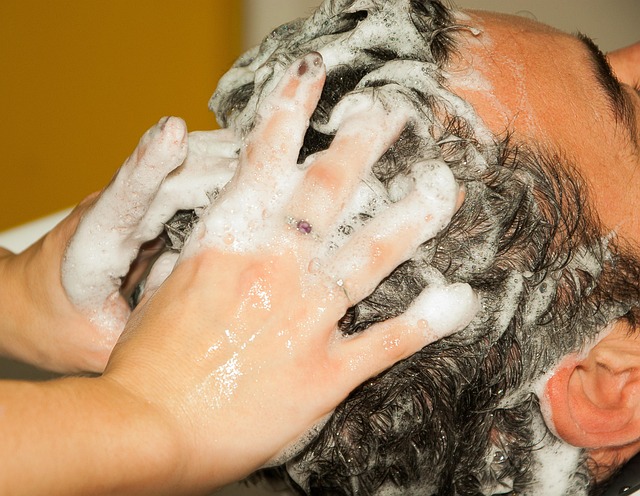
Concentrate the shampoo on your scalp and the roots of your hair, where oil and product buildup tend to be heaviest. Gently massage it in with your fingertips, creating a lather. Let the lather run down the lengths of your hair; you don’t need to scrub the ends aggressively.
Rinse Thoroughly
This step is crucial. Ensure all the shampoo residue is completely rinsed out. Any remaining product can contribute to dryness or dullness. Hot water can be more effective at dissolving oil and product residue, but avoid excessively hot water, which can also strip moisture.
Follow with a Rich Conditioner
This is non-negotiable. After rinsing out the clarifying shampoo, apply a generous amount of a hydrating or moisturizing conditioner. Focus on the mid-lengths and ends, where hair is typically driest. Leave it on for a few minutes to allow the moisturizing ingredients to penetrate the hair shaft.
Optional: Deep Conditioning Mask
For an extra boost of hydration, especially if your hair feels particularly dry after clarifying, consider using a deep conditioning mask instead of or in addition to your regular conditioner. Leave it on for 5-15 minutes before rinsing.
Gentle Drying and Styling
Towel-dry your hair gently using a microfiber towel to minimize friction and further moisture loss. Proceed with your usual styling routine, but be mindful that your hair may be more receptive to styling products after clarifying.
Key Ingredients: What to Look For and What to Avoid
Understanding the ingredient list can help you choose a clarifying shampoo that’s good for your specific hair needs and preferences.
Beneficial Ingredients
- Salicylic Acid: A beta-hydroxy acid (BHA) that helps exfoliate the scalp and dissolve buildup.
- Tea Tree Oil: Known for its antimicrobial and antifungal properties, it can help cleanse the scalp and refresh hair.
- Activated Charcoal: Acts like a magnet to draw out impurities, toxins, and excess oil.
- Apple Cider Vinegar (ACV): Helps to balance the pH of the hair and scalp, smooth the cuticle, and add shine.
- Ketoconazole or Pyrithione Zinc: While often found in anti-dandruff shampoos, these can also help cleanse a flaky or irritated scalp.
- Gentle Surfactants (for sensitive scalps): Look for options with Cocamidopropyl Betaine, Sodium Cocoyl Isethionate, or Decyl Glucoside if you want to avoid harsher sulfates.
Ingredients to Use with Caution
- Harsh Sulfates (SLS/SLES): Sodium Lauryl Sulfate (SLS) and Sodium Laureth Sulfate (SLES) are very effective cleansers but can be overly stripping for many hair types.
- High Alcohol Content: Some formulas may contain drying alcohols that can exacerbate dryness.
- Silicones (in some formulas): While some silicones can be beneficial, others can build up on the hair if not properly clarified.
As of May 2026, the trend leans towards clarifying shampoos that balance strong cleansing with moisturizing or soothing ingredients to minimize the risk of dryness.
Clarifying Shampoo vs. Regular Shampoo: What’s the Difference?
The fundamental difference lies in their purpose and strength. Regular shampoos are formulated for daily or frequent use, providing a balanced cleanse that removes general dirt and oil without stripping essential moisture.
Clarifying shampoos, on the other hand, are designed for periodic, intensive cleansing. They contain more potent cleansing agents to tackle specific issues like heavy product buildup, mineral deposits, or extreme oiliness that regular shampoos can’t fully address.
Think of it like this: Regular shampoo is your everyday dish soap, tackling normal food grime. Clarifying shampoo is like a heavy-duty degreaser for baked-on messes that require extra power. You wouldn’t use the degreaser every day on your dishes; it’s too harsh.
According to the Consumer Product Safety Commission (CPSC) guidelines for cosmetic products, while both aim for cleanliness, the concentration and type of surfactants dictate their intensity. Regular shampoos focus on maintaining scalp and hair health for frequent use, whereas clarifying shampoos prioritize deep removal of impurities.

Real-World Examples and Case Studies
To truly understand if a clarifying shampoo is good, let’s look at how it impacts individuals in practice.
Case Study 1: The Dry Shampoo Addict
Persona: Chloe, a busy graphic designer, relies heavily on dry shampoo to extend her wash days and add volume. She uses it almost daily.
Problem: After several months, Chloe noticed her hair felt increasingly dull, heavy, and difficult to style. Her scalp felt itchy, and her regular shampoo didn’t seem to be helping.
Solution: She incorporated a clarifying shampoo into her routine once every two weeks. After the first use, her hair felt significantly lighter, shinier, and her scalp felt clean and less itchy. She followed up with a deep conditioner, which helped combat any dryness.
Outcome: Chloe’s hair regained its natural bounce and shine. Her scalp felt healthier, and her styling products applied more effectively. She learned that regular clarifying was essential to counteract the buildup from daily dry shampoo use.
Case Study 2: The Hard Water Victim
Persona: Liam, who recently moved to a new city, found his normally manageable dark hair becoming rough, dull, and even slightly greenish-tinged.
Problem: His stylist suggested hard water might be the culprit. The mineral deposits were making his hair feel stripped and look lifeless.
Solution: Liam started using a clarifying shampoo formulated with ingredients like apple cider vinegar and chelating agents once a month. He noticed a marked difference after the first wash; his hair felt smoother and looked less brassy. He continued to use it regularly, combined with a moisturizing conditioner.
Outcome: Liam’s hair returned to its natural softness and shine. The greenish tint from mineral buildup disappeared, and his hair felt healthier and easier to manage, proving that clarifying shampoo is good for combating hard water effects.
Case Study 3: The Fine-Haired Individual
Persona: Anya has fine, straight hair that gets weighed down easily. She uses a lightweight leave-in conditioner and a styling serum.
Problem: Despite using minimal products, her hair started looking limp and flat, even shortly after washing. She worried about using anything too harsh.
Solution: Anya chose a sulfate-free clarifying shampoo with salicylic acid. She uses it only once a month, focusing primarily on her scalp. She ensures she uses a lightweight but hydrating conditioner afterward.
Outcome: Anya found that the clarifying shampoo effectively removed the subtle buildup without making her hair feel stripped. Her hair regained volume and looked healthier. This demonstrates that even fine hair can benefit when the right type of clarifying shampoo is used correctly.
Expert Tips for Maximizing Clarifying Shampoo Benefits
To ensure your clarifying shampoo experience is positive and beneficial, consider these expert-approved tips.
- Don’t Use on Wet Hair Only: While damp hair is good for lathering, some experts suggest applying clarifying shampoo to dry hair for the first 30 seconds to allow it to penetrate and lift stubborn oils and residues before adding water and lathering. This can enhance its effectiveness for very heavy buildup.
- Listen to Your Hair: Pay attention to how your hair feels after use. If it feels squeaky clean but uncomfortably dry, you might be using it too often or need a richer conditioner. If it still feels heavy, you might need to clarify more frequently or use a more potent formula.
- Consider Your Water Type: If you have very hard water, a clarifying shampoo with chelating agents can be particularly effective at binding to and removing mineral deposits.
- Patch Test for Sensitivity: Before committing to a full wash, especially if you have a sensitive scalp, test a small amount on a discrete area.
- Understand pH Balance: Clarifying shampoos can sometimes have a slightly higher pH. Following up with a conditioner, which typically has a lower pH, helps to rebalance the hair cuticle, restoring smoothness and shine. According to a study published in the Journal of Cosmetic Science (2025), maintaining an optimal pH is crucial for hair cuticle integrity.
- Don’t Forget the Scalp: While buildup can occur on the hair shaft, a healthy scalp is the foundation for healthy hair. Ensure your clarifying routine addresses scalp concerns like oiliness or flakiness.
- Know When to Skip: If your hair is already very dry, brittle, or severely damaged, you might want to skip clarifying shampoo altogether or use an extremely gentle, moisturizing formula very infrequently.
Common Mistakes People Make with Clarifying Shampoo
To ensure that clarifying shampoo is indeed good for your hair, avoiding common pitfalls is as important as knowing its benefits.
Using It Too Often
The most frequent mistake is using clarifying shampoo more than necessary. This leads to over-stripping, dryness, frizz, and potentially increased oil production.
Correction: Stick to the recommended frequency for your hair type (weekly, bi-weekly, or monthly). Your hair will signal when it needs it through dullness, heaviness, or lack of responsiveness.
Skipping the Conditioner
This is a critical error. Clarifying shampoo is designed to strip; conditioner is designed to replenish. Skipping conditioner leaves hair vulnerable to damage and dryness.
Correction: Always follow a clarifying shampoo with a hydrating or moisturizing conditioner, focusing on the lengths and ends.
Using It on Color-Treated Hair Excessively
Clarifying shampoos can strip hair color, leading to faster fading. Many people with colored hair avoid them entirely.
Correction: If you have color-treated hair and need to clarify, use a color-safe formula or a gentler, sulfate-free clarifying shampoo very sparingly. Alternatively, use a regular shampoo designed for color protection for most washes.
Vigorously Scrubbing the Hair Shafts
While some scalp massage is good, scrubbing the hair shafts aggressively can cause friction, leading to breakage and frizz, especially when the hair is already vulnerable.
Correction: Focus the shampoo on the scalp and let the suds gently cleanse the strands as you rinse. Be gentle with your hair, especially when it’s wet and most prone to damage.
Expecting It to Solve All Hair Problems
Clarifying shampoo is a tool for buildup removal. It won’t magically fix damage from heat, chemical processes, or underlying scalp conditions like severe dandruff or psoriasis without proper treatment.
Correction: Understand its specific function. For damage, focus on deep conditioning and repair treatments. For scalp conditions, consult a dermatologist or trichologist.
Frequently Asked Questions
Is clarifying shampoo good for all hair types?
Clarifying shampoo is good for most hair types to use periodically, especially for those who use styling products frequently or live in areas with hard water. However, individuals with very dry, brittle, or color-treated hair should use it sparingly and opt for gentler formulas.
How often should I use clarifying shampoo?
As of May 2026, the general recommendation is once a week to once a month. This frequency depends on your hair type, how often you use styling products, and your scalp’s oiliness. Overuse can lead to dryness and stripping of natural oils.
Can clarifying shampoo help with an oily scalp?
Yes, clarifying shampoo is very good for an oily scalp as it effectively removes excess sebum and product buildup that can contribute to greasiness. It helps to reset the scalp’s oil production, though it should be followed by a conditioner to prevent dryness.
Will clarifying shampoo strip my hair color?
Clarifying shampoos can strip hair color because they are designed to remove buildup. If you have color-treated hair, use them infrequently and consider color-safe or sulfate-free clarifying options. For regular cleansing, stick to color-protecting shampoos.
What’s the difference between clarifying shampoo and a regular shampoo?
Regular shampoo cleanses gently for daily use, while clarifying shampoo provides a deep clean to remove stubborn buildup from products, minerals, and oils. Think of it as a periodic reset for your hair and scalp, not an everyday wash.
Can I use clarifying shampoo on extensions?
It’s generally not recommended to use clarifying shampoo on hair extensions, especially those that are chemically treated or colored. The strong cleansing agents can strip the color, moisture, and integrity of the extension hair, shortening its lifespan.
Is clarifying shampoo good for dandruff?
While a clarifying shampoo can help remove buildup that might exacerbate dandruff symptoms, it’s not typically a primary treatment for dandruff itself. Shampoos with active ingredients like ketoconazole or salicylic acid are usually more effective for managing dandruff directly.
Information current as of May 2026; pricing and product details may change.
Conclusion: Is Clarifying Shampoo Good? Yes, With the Right Approach
In summary, clarifying shampoo is a powerful tool that’s undeniably good for your hair when used strategically. It excels at tackling product residue, hard water minerals, and excess oil, restoring shine, volume, and scalp health. The key to its benefit lies in understanding your hair’s needs, choosing appropriate formulas (especially considering the rise of gentle, sulfate-free options as of May 2026), and always following up with adequate moisture via conditioner.
By avoiding common mistakes like overuse and skipping conditioner, you can harness the deep-cleansing power of clarifying shampoo to achieve healthier, more vibrant hair. Make it a regular, but not daily, part of your hair care routine, and you’ll likely see a significant improvement in your hair’s overall condition and manageability.
Related read: The 2026 Buzz Cut: Beyond the Military Style
Editorial Note: This article was researched and written by the Anarchy Label editorial team. We fact-check our content and update it regularly. For questions or corrections, contact us. Knowing how to address clarifying shampoo good early makes the rest of your plan easier to keep on track.