












- The buzz cut is a versatile haircut achieved with clippers, ranging from uniform short lengths to styles with fades and tapers.
- As of 2026, buzz cuts are popular for their low maintenance, clean aesthetic, and adaptability to various face shapes and hair types.
- Choosing the right clipper guard number is crucial for achieving the desired length, with numbers 0 to 8 representing common lengths from 1/16 inch to 1 inch.
- Proper maintenance involves regular trimming (every 2–4 weeks) to keep the style sharp and can include basic scalp care.
- Celebrities like Solange Knowles and Sebastian Stan have recently popularized dramatic buzz cut transformations, showcasing its modern appeal.
Understanding Clipper Guards and Lengths
The defining characteristic of a buzz cut is its length, meticulously controlled by clipper guards. These guards attach to the clipper blades, dictating how close the cut will be to the scalp. As of May 2026, the numbering system for guards is fairly standard across most brands.
Last updated: May 19, 2026
Generally, guard number 0 (or no guard) is the shortest, shaving the hair down to the skin or stubble. Number 1 guard typically cuts hair to about 1/8 inch, while number 2 is around 1/4 inch. Higher numbers, such as 3 (3/8 inch) or 4 (1/2 inch), offer progressively longer lengths. Many barbers use guards up to number 8, which leaves hair at about 1 inch. The choice of guard is paramount, influencing the overall aesthetic from a sharp, skin-close buzz to a softer, textured crop.

When discussing buzz cut styles, understanding these lengths is key. A “number 2 buzz cut” means the clippers were used with the number 2 guard, resulting in approximately 1/4 inch of hair. Buzz cut provides a good starting point for experimenting with different buzz cut variations, allowing for a balance between extreme shortness and discernible texture.
The Spectrum of Classic Buzz Cut Styles
The classic buzz cut, often called a “burr cut” or “induction cut,” is characterized by a uniform length all over the head. Using the same clipper achievs this guard for the entire haircut. It’s the epitome of low maintenance and offers a clean, no-fuss look that remains perennially popular, especially for those who value simplicity and a sharp appearance.
Variations within the “classic” category often come down to the specific guard number chosen. A “number 1 buzz cut” offers a very short, almost buzzed look that highlights the scalp. Moving up to a “number 2 buzz cut” provides a slightly more substantial feel, offering a bit more texture and softening the appearance. A “number 3 buzz cut” sits at the longer end of the classic spectrum, giving a more traditional short haircut feel while still being incredibly easy to manage.
A key advantage of these uniform-length buzz cuts is their universal appeal. They tend to suit a wide range of face shapes and hair textures. For individuals with fine or thinning hair, a shorter guard can create an illusion of thickness or simply embrace a naturally less dense look with confidence. Conversely, those with thicker hair will find these cuts help manage volume without any styling effort.
Elevating the Buzz Cut with Fades and Tapers
Where the buzz cut truly evolves in 2026 is through the integration of fades and tapers. A fade is a haircut that gradually tapers from the top of the head to the neckline and sideburns. The hair length decreases progressively, blending into the skin. This creates a smooth transition, offering a more sophisticated and stylish alternative to a uniform buzz cut.
A taper, on the other hand, is a more subtle gradient where the hair length shortens towards the neckline and sideburns, but it doesn’t necessarily blend into the skin. It’s a softer version of a fade, maintaining a bit more length at the bottom. Both fades and tapers add dimension and visual interest, transforming a simple buzz cut into a more sculpted hairstyle.
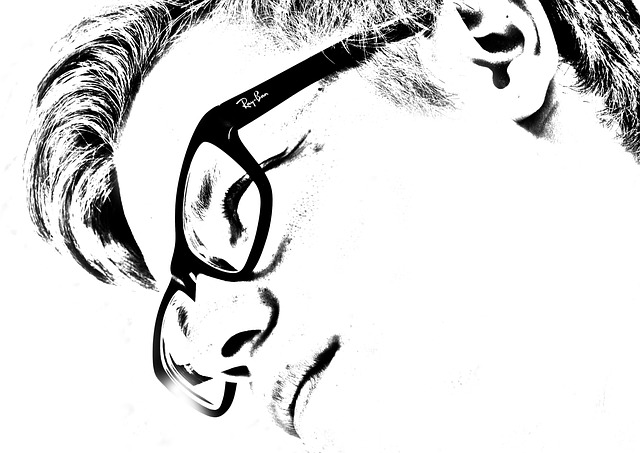
Popular fade variations include the “skin fade” or “zero fade,” where the hair tapers down to the skin, creating a dramatic contrast. High fades start high on the sides, while low fades begin closer to the ears and neckline. Mid-fades fall somewhere in between. These techniques require a skilled barber and add a contemporary flair, making the buzz cut suitable for more fashion-forward individuals. For instance, Sebastian Stan’s recent seasonal buzz, as noted by GQ Australia, often features sharp transitions that highlight his facial features.
Choosing the Right Buzz Cut for Your Features
While often lauded as universally flattering, selecting the ideal buzz cut length and style depends on individual features. Face shape plays a significant role. For those with round or square faces, a buzz cut with a bit more length on top or a subtle taper can help elongate the face. Avoid overly short, uniform buzz cuts if you feel your face is already very broad.
Conversely, oval faces are generally considered the most versatile for any haircut, including various buzz cuts. Individuals with strong jawlines might find a shorter buzz cut accentuates their features. For those with prominent foreheads, a slightly longer buzz cut on top can create better balance.
Hair texture is another crucial consideration. Thick, coarse hair can handle very short buzz cuts well, but might benefit from a slightly longer guard to avoid looking too dense or bulky. Fine or thinning hair often looks best with shorter buzz cuts, as longer lengths can emphasize sparseness. A well-executed buzz cut, especially with a fade, can cleverly disguise thinning areas by blending them seamlessly with shorter sides. The celebrity transformations we see, like Solange Knowles recently sporting a dramatic buzz cut, often highlight how this style can embrace and redefine natural hair characteristics.
Maintaining Your Buzz Cut: Simplicity is Key
One of the primary appeals of the buzz cut is its minimal maintenance. However, to keep it looking sharp and intentional, regular upkeep is essential. As hair grows, even a short buzz cut can lose its definition. As of May 2026, most barbers recommend trimming a buzz cut every 2 to 4 weeks, depending on your hair’s growth rate and the specific length you’ve chosen.
For those who maintain their buzz cut at home, investing in a quality set of clippers is crucial. Ensure they are sharp and well-maintained. Using the correct guard length and ensuring an even cut requires practice. It’s often advisable to start with a longer guard than you think you need and gradually shorten it if desired. Cutting against the grain of hair growth generally provides the closest cut.

Beyond trimming, general scalp care is important. With very short hair, your scalp is more exposed to the elements. Protecting it from sun damage with sunscreen or a hat is advisable, especially during prolonged outdoor activities. Regular shampooing and conditioning, even with short hair, helps keep the scalp healthy and free from buildup.
Adapting the Buzz Cut: Texture and Coils
The buzz cut is often associated with straight or wavy hair, but it can be a fantastic style for textured and coily hair types as well. For those with natural curls or coils, a buzz cut can simplify styling and showcase the hair’s natural pattern without the need for extensive product or manipulation. A higher guard number might be necessary to accommodate the natural volume and texture of coily hair.
When applied to coily hair, a buzz cut can range from a clean, uniform crop to styles that incorporate fades and tapers. A “shape-up” along the hairline can add a sharp, defined edge to the cut. For individuals with very tight coils, even a number 3 or 4 guard can leave a noticeable textured appearance, while shorter guards will reveal the scalp pattern.
It’s important to note that hair growth patterns can vary significantly with textured hair. Some individuals might find their coils grow in unevenly, which can affect how a buzz cut looks over time. Consulting with a barber experienced in cutting textured hair is highly recommended to ensure the cut complements the natural growth and pattern of your coils. For instance, Trevor Lawrence’s hair, while not a buzz cut in a recent viral video, demonstrates how hair texture and styling choices are often scrutinized and discussed in popular culture.
Celebrity Buzz Cuts: Trends of 2026
As of May 2026, celebrity hair transformations continue to drive trends, and the buzz cut has seen a resurgence. Stars like Solange Knowles have recently made headlines with dramatic shifts to a buzz cut, showcasing its edgy and confident appeal. This move signals a broader acceptance and embrace of extremely short hair as a bold fashion statement.
Sebastian Stan, known for his varied hairstyles, has also sported buzz cuts, often with sharp fades that highlight his features. These high-profile examples normalize the buzz cut for a wider audience, moving it beyond its traditional associations. Robert Pattinson, another figure often in the spotlight for his hair, has had various short styles that border on or resemble buzz cuts, demonstrating the enduring appeal of short, manageable haircuts.

The influence of these figures extends to everyday style choices. What was once seen primarily as a practical military cut is now embraced as a chic, modern, and often gender-fluid hairstyle. This trend is particularly visible in fashion circles and among younger demographics seeking a bold yet easy-to-manage look.
Buzz Cut vs. Crew Cut: What’s the Difference?
It’s common to confuse a buzz cut with a crew cut, but there are distinct differences. The classic buzz cut, as discussed, is typically a uniform length all over, achieved with clippers. The length can vary from extremely short (like a number 0 or 1) to slightly longer (like a number 3 or 4), but the key is consistency.
A crew cut, on the other hand, is characterized by being longer on top and shorter on the sides and back. The top section is usually cut with scissors to create a textured, slightly longer finish, while the sides and back are tapered or faded using clippers. This contrast in length between the top and sides is the defining feature of a crew cut, giving it more styling potential than a uniform buzz cut.
While a buzz cut can be a starting point for a crew cut (by leaving the top longer), they are fundamentally different styles. The crew cut offers more versatility for styling, allowing for combing, product application, and varied looks. The buzz cut, especially in its shortest forms, is more about the clean, uniform finish and minimal styling effort. Understanding this distinction helps when communicating your desired look to a barber.
Is a Buzz Cut Right for You? Considerations
The buzz cut is an excellent choice for individuals seeking a low-maintenance, stylish, and bold haircut. Its simplicity makes it ideal for those with busy lifestyles who want to minimize their morning routine. Athletes, outdoor enthusiasts, and people working in professions where long hair might be impractical often opt for this cut.
However, it’s important to consider the commitment. Because a buzz cut is so short, it requires frequent trims to maintain its shape. If you prefer to go longer between haircuts, a buzz cut might not be the best fit. Additionally, as mentioned, scalp exposure means sun protection is vital. Those who are sensitive to sun or prone to sunburn might need to be extra diligent.
A buzz cut also leaves little room to hide if you’re experiencing hair thinning or loss. While it can be a confident way to embrace such changes, it’s crucial to be comfortable with your scalp being visible. For some, this is liberating; for others, it might be a source of self-consciousness. If you’re unsure, starting with a slightly longer buzz cut (e.g., a number 3 or 4) or a style with a taper can be a good way to test the waters before committing to a shorter length.
Styling Your Buzz Cut (and When Not To)
The primary appeal of many buzz cuts is their inherent lack of styling. A uniform buzz cut, especially a shorter one, requires virtually no styling beyond ensuring it’s clean. The clippers do all the work. This is the ultimate “wash and go” hairstyle, saving significant time and effort.
However, buzz cuts with more length on top, or those that incorporate fades and tapers, can benefit from some minimal styling. Using a small amount of pomade, wax, or clay can help add texture, definition, or a slight hold to the longer sections on top. For example, a textured buzz cut can be enhanced by lightly working product through the hair to create separation and emphasize the cut’s shape.
Some individuals also experiment with “shape-ups,” where the hairline along the forehead and temples is meticulously sculpted for a sharp, defined look. This adds an extra layer of precision to the buzz cut without requiring any actual styling of the hair length itself. It’s a way to enhance the overall appearance of the haircut, making it look intentionally styled and sharp.
Common Buzz Cut Mistakes to Sidestep
When getting or maintaining a buzz cut, a few common pitfalls can detract from the intended look. One of the most frequent mistakes is choosing the wrong guard length for your desired outcome. This often happens when someone is unsure of the guard numbers or doesn’t communicate clearly with their barber. Opting for a guard that’s too short can result in a cut that’s much shorter than anticipated, potentially revealing more scalp than desired.
Another mistake is infrequent maintenance. Letting a buzz cut grow out too much can lead to an uneven or messy appearance, negating the clean aesthetic. For a buzz cut to look intentional, it needs regular touch-ups. Forgetting to protect the scalp from the sun is also a significant oversight, potentially leading to painful sunburns on an exposed scalp. Always apply sunscreen or wear a hat when outdoors for extended periods.
For those attempting home haircuts, using dull clippers or cutting unevenly is a common error. This can result in patchy spots or an asymmetrical cut that’s difficult to fix without professional help. If you’re new to DIY buzz cuts, practice on a friend or use longer guards initially until you gain confidence. Consulting with a professional barber, especially for the first time, is highly recommended to ensure you get the right length and style for your features.
Frequently Asked Questions About Buzz Cuts
What is the shortest buzz cut?
The shortest buzz cut is achieved with no clipper guard (often called a “zero cut” or “skin fade”) or the shortest guard, typically a number 0 or 1. This leaves hair at about 1/16 to 1/8 of an inch, closely exposing the scalp.
How often do I need to trim a buzz cut?
As of May 2026, most buzz cuts require trimming every 2 to 4 weeks. This frequency depends on your hair’s growth rate and the specific length of your buzz cut to maintain its intended shape and sharpness.
Can a buzz cut hide thinning hair?
Yes, a buzz cut can effectively camouflage thinning hair. Shorter lengths and tapered sides blend thinning areas with shorter hair, making them less noticeable. A skilled barber can strategically adjust lengths to create a more uniform appearance.
Does a buzz cut suit all face shapes?
While generally versatile, the best buzz cut length and style can vary by face shape. Oval faces are most accommodating. For rounder faces, a bit more length on top or strategic fades can help elongate features, while shorter cuts can accentuate strong jawlines.
Is a buzz cut high maintenance?
No, buzz cuts are considered very low maintenance. They require minimal styling time and product. The main maintenance is regular trimming every few weeks to keep the cut looking fresh and defined.
Will a buzz cut work for curly or coily hair?
Absolutely. Buzz cuts can be excellent for curly and coily hair, simplifying styling and showcasing natural texture. A barber experienced with textured hair can ensure the cut complements your coil pattern and growth habits.
Information current as of May 2026; pricing and product details may change.
Related read: The 2026 Crew Cut: Your Ultimate Guide to This Timeless Hairstyle
Editorial Note: This article was researched and written by the Anarchy Label editorial team. We fact-check our content and update it regularly. For questions or corrections, contact us.
Related read: Olaplex vs K18: Which Hair Repair Works Better in 2026?
Related read: CRLab Hair Systems: A 2026 Guide to Solutions.