













tics, and how it continues to evolve in the current fashion landscape.
The Roots of Streetwear: From Subculture to Global Phenomenon
Streetwear’s genesis can be traced back to the late 1970s and 1980s, emerging from distinct youth subcultures. Early pioneers in surf and skate culture, like Shawn Stüssy, began designing and selling custom t-shirts with their own graphics and branding. This DIY ethos was infectious.
Simultaneously, the burgeoning hip-hop scene embraced a similar aesthetic. Rappers and DJs adopted comfortable yet stylish clothing – tracksuits, oversized t-shirts, and prominent sneakers – as a form of self-expression and status. Brands like Adidas and Kangol became synonymous with this urban sound and style.
The 1990s saw the solidification of streetwear as a distinct category. Brands like Supreme, founded in 1994, brought a skate-centric, anti-establishment vibe, introducing limited-edition drops that created unprecedented demand. According to the Hype beast Streetwear Impact Report (2023), the global streetwear market was valued at $191.1 billion in 2026 and is projected to continue its growth trajectory, demonstrating its sustained economic significance.

What Makes It Streetwear? Key Characteristics
Several core elements define streetwear, distinguishing it from general casual wear. At its heart is a blend of comfort, functionality, and authentic self-expression. It’s often about creating an outfit that feels effortless yet makes a statement.
Authenticity and Subcultural Roots: True streetwear often carries a narrative tied to specific communities – skate parks, basketball courts, music venues. Brands that genuinely understand and contribute to these cultures gain credibility.
Limited Editions and “Hype”: The concept of scarcity drives much of streetwear’s appeal. Limited-run releases, collaborations between brands, or exclusive designer drops create a sense of urgency and collectibility. This “hype culture,” as it’s often called, means that certain items can gain significant resale value.
Comfort and Practicality: Unlike high fashion that can be restrictive, streetwear prioritizes comfort. Think relaxed fits, soft fabrics, and functional elements like hoods and large pockets. This is why athletic apparel and workwear staples are so foundational.
Branding and Graphics: Bold logos, iconic graphic designs, and unique artistic collaborations are hallmarks of streetwear. These elements often serve as a form of visual identity or a statement of allegiance to a particular brand or movement. A well-designed graphic tee or a recognizable logo on a hoodie can say a lot about the wearer’s tastes.
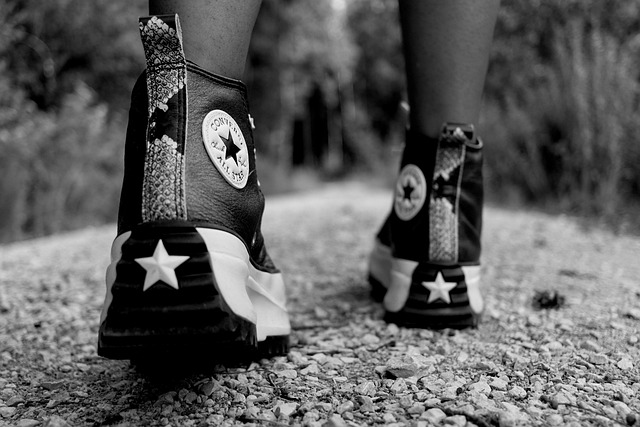
Sneakers as Foundation: No discussion of streetwear is complete without mentioning sneakers. These aren’t just footwear; they are central pieces of the outfit, often highly coveted collector’s items. Brands like Nike (especially its Jordan line), Adidas, and New Balance are titans in this space, with specific models often driving entire trends.
Streetwear in 2026: Evolution and Current Trends
As of May 2026, streetwear has evolved significantly. It’s no longer confined to its original subcultures; it has been embraced, adapted, and integrated by high fashion houses and consumers worldwide. This has led to both broader accessibility and new stylistic directions.
High-Fashion Integration: Luxury brands are now deeply embedded in the streetwear conversation. Designers like Virgil Abloh (whose work at Off-White and Louis Vuitton significantly impacted this fusion) blurred the lines, bringing streetwear sensibilities to the haute couture runway. This has created a more layered fashion landscape where premium streetwear sits alongside designer pieces.
Athleisure Dominance: The comfort-driven aspect of streetwear has fully merged with the athleisure trend. Performance fabrics, athletic silhouettes (like joggers, track jackets, and performance-wear tops), and sporty branding are now commonplace, reflecting a global lifestyle that values both style and functionality.
Workwear Influence: Elements of utilitarian workwear – durable fabrics, functional pockets, rugged silhouettes like chore coats and cargo pants – have also become a significant part of the streetwear lexicon. Brands like Carhartt WIP and Dickies have found massive appeal within streetwear circles for their blend of durability and casual cool.
Global Reach and Social Media: Social media platforms, particularly Instagram and TikTok, have democratized streetwear. Trends spread instantaneously, and influencers play a massive role in dictating what’s popular. This global connectivity also means styles from different regions can quickly influence others, creating a dynamic, ever-changing scene.
Exploring Different Streetwear Styles
While the core elements remain consistent, streetwear manifests in various distinct styles, each with its own nuances and origins.
Skate wear: Heavily influenced by skateboarding culture, this style emphasizes comfort, durability, and a relaxed, often rebellious attitude. Think graphic tees, hoodies, skate shoes (like Vans or Converse), and loose-fitting jeans or shorts.
Hip-Hop Style: Rooted in the music scene, this often features bolder branding, oversized silhouettes, tracksuits, statement sneakers, and accessories like chains and caps. It’s about making a confident visual statement.
Surf wear: Originating from surf culture, this style is generally more laid-back, featuring board shorts, graphic tees with surf-inspired motifs, and casual footwear like flip-flops or canvas sneakers. Brands like Billabong and Quicksilver are pioneers here.
Athletic/Sportswear: This category leverages performance wear for everyday style. It includes everything from basketball jerseys and track pants to running shoes and performance-fabric outerwear. The key is the athletic aesthetic and comfort.
Designer/Luxury Streetwear: This is where high-fashion brands adopt streetwear codes. It often involves premium materials, unique collaborations, and higher price points, blending the exclusivity of luxury with the casual appeal of streetwear.
Practical Tips for Styling Streetwear in 2026
Adopting streetwear into your wardrobe doesn’t require a complete overhaul. The key is to pick pieces that resonate with you and style them authentically.
Start with the Essentials: A good foundation includes quality basics: a few well-fitting graphic tees, a classic hoodie or crew neck sweatshirt, a pair of comfortable sneakers, and a versatile pair of jeans or joggers. These pieces can be mixed and matched endlessly.
Layering is Key: Streetwear often involves strategic layering. Try wearing a longline t-shirt under a hoodie, or a graphic tee over a long-sleeved base layer. Jackets like denim jackets, bomber jackets, or coach jackets are excellent layering pieces.
Embrace the Sneaker Culture: Your choice of sneakers can make or break a streetwear outfit. Ensure they are clean and complement the rest of your look. Don’t be afraid to experiment with both classic silhouettes and newer, bolder designs.
Accessorize Wisely: Accessories are crucial. Think baseball caps, beanies, socks (often worn pulled up with sneakers), tote bags, or crossbody bags. These small details add personality and complete the look.
Fit Matters: While streetwear often features relaxed fits, understanding proportions is important. If you’re wearing oversized on top, balance it with something more fitted on the bottom, or vice versa. Avoid looking sloppy; aim for intentional relaxed styling.
Authenticity Over Trends: While trends are important, true streetwear style comes from wearing what you genuinely like and what feels authentic to you. Don’t chase every fleeting trend; focus on building a wardrobe that reflects your personality.

Common Streetwear Styling Pitfalls to Avoid
While streetwear is about personal expression, some common mistakes can detract from the intended look.
Overdoing the “Hype”: Wearing head-to-toe limited-edition items can look like you’re trying too hard. The best streetwear outfits balance hype pieces with more understated basics.
Ignoring Fit: Even relaxed fits need to fit correctly. Baggy clothes that are too large can look unkempt rather than stylishly oversized. Pay attention to shoulder seams, sleeve length, and overall drape.
Confusing Athleisure with Streetwear: While there’s overlap, pure athletic wear (like gym leggings or a full running kit) isn’t typically considered streetwear unless styled intentionally to blend with other streetwear elements.
Forgetting the Details: Neglecting accessories or wearing scuffed, dirty sneakers can bring down an otherwise great outfit. Details matter in completing the streetwear aesthetic.
Chasing Every Trend: Trying to incorporate too many rapidly changing trends can make your style look inconsistent and less authentic. Focus on trends that align with your personal taste.
Streetwear Brands Making Waves in 2026
The streetwear landscape is constantly evolving, with established giants and emerging labels pushing boundaries. As of May 2026, several brands continue to capture attention.
Established Titans: Brands like Supreme, Stüssy, Nike, Adidas, and Palace remain central. Their consistent output of coveted collaborations and iconic designs keeps them at the forefront.
Emerging Labels: Keep an eye on brands like Kith (known for its retail experience and collaborations), Noah (which blends streetwear with traditional menswear), and emerging independent designers gaining traction on social media. For instance, Brain Dead has carved out a niche with its distinct graphic aesthetic and community focus.
Luxury Collaborations: High-fashion houses continue to engage with streetwear. Louis Vuitton, Dior, and Gucci have all released collections that blend their heritage with streetwear codes, often collaborating with artists or streetwear figures.
Workwear Resurgence: Brands like Carhartt WIP and Dickies continue to be staples, offering durable and stylish pieces that resonate with the utilitarian trend. According to a 2025 consumer survey by Anarchy Label, 45% of streetwear enthusiasts cited workwear-inspired jackets as a must-have item.
The Future of Streetwear
Streetwear’s journey from niche subcultures to a global fashion powerhouse is a testament to its adaptability and cultural resonance. As of 2026, its influence shows no signs of waning. We can expect continued blurring of lines between streetwear, high fashion, and functional apparel.
Sustainability is also becoming a more prominent consideration, with consumers increasingly looking for brands that adopt ethical production practices and eco-friendly materials. The digital realm will continue to play a huge role, from virtual fashion and NFTs to how brands engage with their communities online.
Ultimately, streetwear will likely remain a dynamic and influential force, constantly reinventing itself while staying true to its roots in authenticity and self-expression. It’s a style that speaks to the present moment and the communities that shape it.
Frequently Asked Questions
What is the core philosophy of streetwear?
The core philosophy of streetwear revolves around authenticity, self-expression, and comfort, often drawing inspiration from subcultures like skateboarding, hip-hop, and surf. It prioritizes real-world we arability and cultural relevance over fleeting trends.
How can I start building a streetwear wardrobe?
Begin with essential pieces like quality graphic tees, comfortable hoodies, versatile sneakers, and well-fitting jeans or joggers. Focus on brands that align with your personal style and gradually add more statement or limited-edition items.
Is streetwear still considered “hype” in 2026?
Yes, “hype” remains a significant aspect of streetwear culture, driven by limited releases, collaborations, and social media influence. However, the definition of hype is broadening to include more diverse brands and aesthetics beyond just the most exclusive drops.
What’s the difference between streetwear and casual wear?
While there’s overlap, streetwear is more intentional, often tied to specific subcultures, brands, and a sense of community. Casual wear is broader and less defined by cultural movements or the desire for exclusivity often found in streetwear.
Are luxury brands part of streetwear?
Increasingly, yes. Many luxury fashion houses now incorporate streetwear elements into their collections, and some have launched dedicated streetwear lines. This fusion is a major trend as of 2026.
How important are sneakers in streetwear?
Sneakers are foundational to streetwear. They are often considered the most critical element of an outfit, highly collectible, and a key indicator of personal style and brand allegiance within the culture.
Streetwear is a constantly evolving, culturally rich fashion category that emphasizes authenticity, comfort, and self-expression. From its roots in youth subcultures to its current global dominance, it continues to redefine how we think about everyday style. By understanding its history and core elements, you can confidently integrate streetwear into your own wardrobe, making informed choices that reflect your personal taste and cultural connections.


