












The Root of the Problem: Understanding Dry Scalp
When your scalp feels tight, itchy, and flaky, it’s easy to reach for the nearest bottle of shampoo. But as of May 2026, understanding the nuances of dry scalp is key to selecting the right treatment. Unlike dandruff, which is often caused by a fungus, dry scalp stems from a lack of moisture and can manifest as fine, white flakes. It can be triggered by environmental factors, harsh hair products, or even underlying skin conditions. Finding the best shampoo for dry scalp requires a targeted approach that replenishes moisture and soothes irritation without stripping natural oils.
- Dry scalp is a lack of moisture, distinct from dandruff’s fungal cause.
- Look for shampoos with hydrating ingredients like hyaluronic acid, glycerin, and natural oils.
- Avoid sulfates and harsh alcohols, which can strip scalp moisture.
- Consider medicated shampoos only if a dermatologist diagnoses a specific condition like seborrheic dermatitis or psoriasis.
- Consistency in using the right shampoo is crucial for long-term scalp health.
The quest for a comfortable, healthy scalp often leads individuals down a path of trial and error. Many assume any shampoo that promises relief will work, only to find their symptoms persist or even worsen. This complete guide cuts through the confusion, providing expert insights and actionable advice to help you Handle the market and find the most effective solutions for your dry scalp.
Why Does My Scalp Get Dry? Causes and Triggers
Dehydration isn’t just for your skin; your scalp needs hydration too. A dry scalp can stem from a multitude of factors, often a combination of internal and external influences. Understanding these triggers is the first step toward effective management and selecting the best shampoo for dry scalp.
Environmental conditions play a significant role. Cold, dry winter air, low humidity, and harsh winds can strip moisture from your scalp, leaving it feeling tight and flaky. Similarly, prolonged exposure to hot water during showers can exacerbate dryness by washing away the natural sebum that protects your scalp. Even frequent washing with regular shampoos, especially those containing sulfates, can disrupt the scalp’s natural moisture barrier.
Product ingredients are another major culprit. Many conventional shampoos and styling products contain sulfates (like sodium lauryl sulfate or sodium laureth sulfate), alcohols, and artificial fragrances that can be overly drying and irritating. These ingredients can strip the scalp of its natural oils, leading to increased dryness and potential inflammation.
Beyond external factors, certain health conditions can contribute to a dry scalp. Eczema, psoriasis, and seborrheic dermatitis (often mistaken for dry scalp, but typically caused by a yeast overgrowth) can all manifest with dry, flaky, and itchy symptoms. If your symptoms are severe or persistent, consulting a dermatologist is crucial for an accurate diagnosis and targeted treatment plan.
Lifestyle choices also matter. Dehydration from not drinking enough water can affect your entire body, including your scalp. A diet lacking in essential fatty acids, found in foods like fish, nuts, and seeds, can also impact scalp health. Stress is another factor; high stress levels can trigger or worsen various skin conditions, including those affecting the scalp.
Finally, the natural aging process can lead to drier skin overall, including the scalp. As we age, our sebaceous glands may produce less oil, resulting in a naturally drier scalp. This makes choosing the right shampoo for dry scalp even more important as we get older.

Dry Scalp vs. Dandruff: What You Need to Know
The line between a dry scalp and dandruff can be blurry, but understanding the distinction is crucial for choosing the correct treatment. Many people confuse the two, leading to ineffective product choices and persistent discomfort.
A truly dry scalp is a condition of the skin lacking sufficient moisture. The flakes are typically small, white, and powdery, and the scalp itself may feel tight and itchy. It’s often a result of environmental factors, harsh cleansing, or sensitivity to products.
Dandruff, on the other hand, is a more persistent condition often linked to a naturally occurring yeast called Malassezia. This yeast feeds on the oils on your scalp, and for some people, it can trigger an inflammatory response, leading to increased skin cell turnover. The flakes associated with dandruff are often larger, yellowish, and can appear greasy. While dandruff can cause itching, it’s usually accompanied by the characteristic oily, yellowish scales.
Some shampoos designed for dandruff contain antifungal agents or salicylic acid to combat the yeast and reduce flaking. However, these ingredients can be too harsh for a sensitive, dry scalp that simply needs hydration. Using a strong anti-dandruff shampoo on a dry scalp can strip away essential oils, worsening the dryness and irritation.
A key indicator is the appearance and texture of the flakes. Small, white, dry flakes usually point to a dry scalp. Larger, yellowish, potentially greasy flakes might indicate dandruff or another scalp condition like seborrheic dermatitis. For instance, if your flakes are fine and powdery, you likely need a moisturizing shampoo. If they are thicker and stickier, a medicated shampoo might be more appropriate, but it’s best to consult a dermatologist.
According to the National Eczema Association, distinguishing between dry scalp and dandruff can be difficult, and professional diagnosis is often recommended if symptoms persist. They emphasize that a dermatologist can properly identify the cause and prescribe the most effective treatment, whether it’s a hydrating shampoo or a medicated one.
Key Ingredients to Look For in a Dry Scalp Shampoo
When selecting the best shampoo for dry scalp, the ingredient list is your most important guide. The goal is to find formulas that offer hydration, soothing properties, and gentle cleansing without exacerbating dryness.
Humectants are vital for drawing moisture into the scalp. Ingredients like Hyaluronic Acid are excellent at binding water molecules to the skin, providing deep hydration. Glycerin is another effective humectant, commonly found in moisturizing shampoos for its ability to attract and retain moisture.
Emollients and Moisturizers help to soften the skin and create a protective barrier. Natural oils such as Jojoba Oil, Argan Oil, Coconut Oil, and Shea Butter are highly beneficial. These oils mimic the scalp’s natural sebum, providing nourishment and preventing moisture loss. For example, jojoba oil is structurally similar to human sebum and is easily absorbed by the scalp.
Soothing Agents are crucial for alleviating itchiness and inflammation. Aloe Vera is a classic ingredient known for its cooling and anti-inflammatory properties. Chamomile and Calendula extracts can also help calm irritated skin. Some shampoos also incorporate Colloidal Oatmeal, which is renowned for its ability to relieve itching and soothe dry, sensitive skin.
Gentle Cleansers are paramount. Instead of harsh sulfates, look for mild surfactants like Cocamidopropyl Betaine or Decyl Glucoside. These cleanse the hair and scalp effectively without stripping them of their natural oils, preserving the scalp’s moisture balance.
Nutrients and Vitamins can further support scalp health. Ingredients like Biotin (Vitamin B7) and Vitamin E are often included for their role in promoting healthy hair growth and protecting the scalp’s barrier function. As noted by dermatologists, a healthy scalp environment is foundational for healthy hair.
For instance, a shampoo containing hyaluronic acid, jojoba oil, and aloe vera would offer a complete approach to managing a dry scalp, addressing hydration, moisture retention, and soothing irritation simultaneously.
Ingredients to Avoid for a Dry Scalp
Just as important as knowing what to look for is knowing what to avoid. Certain common shampoo ingredients can wreak havoc on a dry, sensitive scalp, stripping it of moisture and exacerbating irritation.
Sulfates are the most notorious culprits. Sodium Lauryl Sulfate (SLS) and Sodium Laureth Sulfate (SLES) are powerful detergents that create lather but can be extremely stripping. They disrupt the scalp’s natural lipid barrier, leading to dryness, irritation, and increased sensitivity. If your scalp feels tight or itchy after washing, sulfates might be to blame.
Harsh Alcohols, particularly denatured alcohol, isopropyl alcohol, and ethanol, are often found in hair products for their drying properties. While some fatty alcohols (like cetyl alcohol or stearyl alcohol) can be moisturizing, the simple alcohols can be very drying and should be avoided in shampoos for dry scalps.
Artificial Fragrances and Dyes can be significant irritants for sensitive scalps. Many people react to the complex chemical compounds in synthetic fragrances, experiencing redness, itching, and dryness. Opting for fragrance-free or naturally scented products (from essential oils, used sparingly) is a safer bet.
Certain Essential Oils, while often beneficial in moderation, can be too potent for some individuals with extremely sensitive scalps. Oils like peppermint or tea tree oil, while good for stimulating circulation or fighting dandruff in diluted forms, can be drying or irritating if used in high concentrations or if you have a specific sensitivity. Always patch-test if you’re unsure.
Formaldehyde-Releasing Preservatives, such as DMDM hydantoin, imidazolidinyl urea, and quaternium-15, can also cause scalp irritation and dryness for some people. While effective at preventing microbial growth, they are best avoided if you have a sensitive scalp.
For example, a shampoo that lists SLS, alcohol denat., and parfum prominently in its first few ingredients is likely too harsh for a dry scalp and should be bypassed in favor of gentler alternatives.
Our Top Picks: Best Shampoo for Dry Scalp in 2026
Navigating the vast market for the best shampoo for dry scalp requires careful consideration. Based on ingredient efficacy, user reviews, and dermatologist recommendations, here are some top-performing options as of May 2026, catering to different needs and preferences.
Best Overall: Jupiter Balancing Shampoo
This shampoo stands out for its blend of soothing and hydrating ingredients. It features pyrithione zinc for mild dandruff control, alongside nourishing elements like coconut oil and aloe vera. It’s free from sulfates, parabens, and phthalates, making it a gentle yet effective choice for calming an irritated scalp while providing essential moisture. Users often report a significant reduction in itchiness and flaking after consistent use.
Best for Sensitive Scalps: Vanicream Free & Clear Shampoo
Vanicream is a brand trusted by dermatologists for its minimalist formulas, ideal for those with very sensitive skin or allergies. This shampoo is free from common irritants such as dyes, fragrance, parabens, and sulfates. It uses mild cleansing agents to gently clean the scalp without stripping natural oils, making it an excellent choice for those who react to almost everything else.
Best for Intense Hydration: Kérastase Specifique Bain Vital Dermo-Calm
For those experiencing significant dryness and discomfort, Kérastase offers a luxurious option. This formula is enriched with ingredients like Vitamin B3 and a blend of calming agents to soothe irritation and provide intense hydration. It’s designed to cleanse gently while leaving the scalp feeling comfortable and balanced. The rich texture and calming scent add a spa-like experience to your wash day.
Best Drugstore Option: CeraVe Hydrating Shampoo
CeraVe is renowned for its dermatologist-backed formulas that are both effective and affordable. Their Hydrating Shampoo contains ceramides and hyaluronic acid, which work together to restore the scalp’s natural barrier and lock in moisture. It’s a sulfate-free, gentle option that cleanses without stripping, making it an accessible choice for managing dry scalp symptoms.
Best Clarifying (Gentle): Nécessaire Rosemary Shampoo
While many clarifying shampoos can be harsh, Nécessaire’s Rosemary Shampoo offers a gentler approach. It’s formulated with rosemary leaf oil, known for its scalp-stimulating properties, and peptides to support scalp health. It effectively removes buildup from styling products and environmental pollutants without stripping essential moisture, making it suitable for regular use on dry scalps prone to product residue.
Best for Flakiness: Nizoral Anti-Dandruff Shampoo (if advised by doctor)
While typically for dandruff, if a dermatologist has diagnosed seborrheic dermatitis or a fungal issue contributing to flaking, Nizoral (containing Ketoconazole 1%) can be highly effective. It targets the underlying cause of flaking. However, it’s crucial to use this only as directed by a healthcare professional, as it can be too drying for a purely dry scalp. It’s often recommended to alternate with a hydrating shampoo.
It’s important to remember that individual results can vary. What works wonders for one person might not be as effective for another, so finding the best shampoo for dry scalp may involve some personal experimentation. Reading reviews and understanding the ingredient profiles can guide your selection.

How to Choose the Right Shampoo: A Buying Guide
Selecting the best shampoo for dry scalp involves more than just grabbing the first bottle that claims to hydrate. By considering a few key factors, you can make a more informed decision that addresses your specific needs and leads to lasting relief.
Identify Your Scalp’s Core Issue
First, try to determine if your primary concern is dryness, itchiness, flakiness, or a combination. If it’s pure dryness with fine white flakes, focus on hydrating and moisturizing ingredients. If itchiness is severe, look for soothing agents like aloe vera or colloidal oatmeal. If you suspect dandruff (larger, greasy flakes), consider a medicated shampoo, but ideally after consulting a dermatologist.
Prioritize Gentle, Hydrating Ingredients
As discussed, look for shampoos packed with humectants (hyaluronic acid, glycerin), emollients (jojoba oil, shea butter), and soothing botanicals (aloe vera, chamomile). These ingredients work synergistically to combat moisture loss and calm irritation. For example, a shampoo with hyaluronic acid and ceramides can effectively rebuild the scalp’s moisture barrier.
Steer Clear of Harsh Chemicals
Actively avoid shampoos containing sulfates (SLS/SLES), drying alcohols, artificial fragrances, and harsh dyes. These can strip natural oils, disrupt the scalp’s pH balance, and trigger allergic reactions or irritation, all of which will worsen dry scalp symptoms. Always scan the ingredient list for these common irritants.
Consider Your Hair Type
While scalp health is the priority, don’t forget your hair type. If you have fine hair, you’ll want a hydrating shampoo that doesn’t weigh your strands down. Look for lightweight formulas or those specifically designed for fine, dry hair. For thicker, coarser, or color-treated hair, richer, more emollient shampoos might be beneficial.
Read Reviews and Seek Expert Opinions
User reviews can offer valuable insights into how a shampoo performs in real-world conditions. Look for feedback from individuals with similar scalp concerns. Additionally, consulting dermatologists’ recommendations or articles from reputable beauty and health publications can provide a curated list of effective products.
For instance, if you have fine hair prone to getting greasy at the roots despite a dry scalp, you might opt for a shampoo like Nécessaire Rosemary Shampoo, which cleanses effectively without being overly stripping, balancing scalp moisture with hair lightness. This layered approach ensures you’re addressing both scalp needs and hair health.
How to Use Shampoo Effectively for Dry Scalp
Simply using the right shampoo isn’t always enough; how you use it can significantly impact its effectiveness. Implementing a few key practices can optimize your dry scalp shampoo routine.
1. Water Temperature is Key: Always use lukewarm water when washing your hair. Hot water can strip the scalp of its natural oils, exacerbating dryness and irritation. Cool or lukewarm water is much gentler and helps to retain moisture.
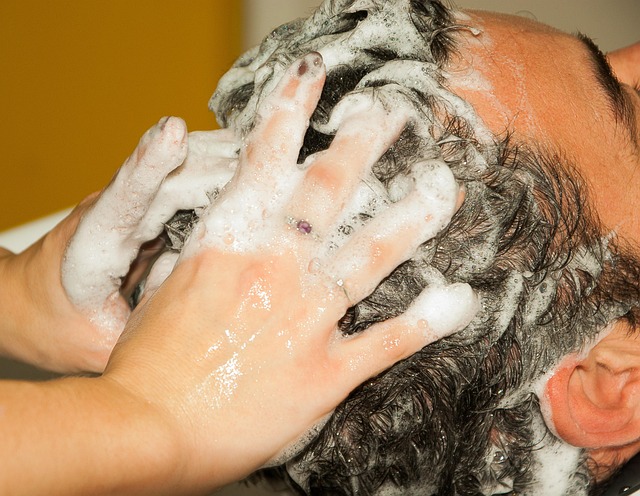
2. Gentle Application: Instead of vigorously scrubbing your scalp, use the pads of your fingertips to gently massage the shampoo into your scalp. This helps to cleanse without causing micro-tears or irritation. Focus on distributing the lather evenly across your entire scalp.
3. Lather Time: Allow the shampoo to sit on your scalp for the recommended time, usually 1-3 minutes, especially if it contains active ingredients for soothing or mild anti-dandruff properties. Best shampoo for dry scalp gives the beneficial ingredients time to work.
4. Thorough Rinsing: Ensure you rinse your hair and scalp thoroughly to remove all shampoo residue. Leftover product can irritate the scalp and contribute to dryness or flakiness. Pay extra attention to the nape of your neck and behind your ears.
5. Follow with a Conditioner: Always follow up with a conditioner, focusing it on your hair strands, but you can also gently work a small amount into your scalp if it’s specifically designed for scalp hydration. This helps to replenish moisture and detangle your hair.
6. Frequency Matters: Avoid overwashing. For many people with dry scalp, washing every other day or even less frequently can be beneficial. Best shampoo for dry scalp allows your scalp’s natural oils to accumulate and protect it. As of May 2026, dermatologists increasingly recommend less frequent washing for dry scalp conditions.
For example, if you have a shampoo with pyrithione zinc and aloe vera, massaging it into your scalp for two minutes with lukewarm water and then rinsing thoroughly will maximize its soothing and hydrating benefits without causing further dryness.
Natural Remedies and Supplementary Treatments
Beyond selecting the best shampoo for dry scalp, several natural remedies and supplementary treatments can enhance scalp hydration and health.
Apple Cider Vinegar (ACV) Rinse: Diluted ACV can help balance the scalp’s pH and has mild antifungal properties. Mix 1 part ACV with 2-3 parts water, apply after shampooing, let sit for a few minutes, then rinse thoroughly. However, use sparingly, as it can be drying for some.
Tea Tree Oil (Diluted): Known for its antifungal and antiseptic properties, tea tree oil can help combat irritation and dandruff. Always dilute a few drops in a carrier oil (like coconut or jojoba oil) or a tablespoon of your regular shampoo before applying to the scalp. Never apply undiluted tea tree oil directly.
Warm Oil Treatments: Applying warm (not hot) natural oils like coconut, olive, or almond oil to the scalp can provide deep nourishment. Massage the oil into your scalp, cover with a shower cap, and leave for at least 30 minutes (or overnight) before shampooing. This is a time-tested method for intense moisturization.
Scalp Massages: Regular scalp massages, even without oil, can stimulate blood circulation and encourage sebum production, helping to naturally moisturize the scalp. You can perform these daily for a few minutes.
Dietary Adjustments: Increasing your intake of omega-3 fatty acids, found in fish, flaxseeds, and walnuts, can improve skin and scalp hydration from within. Ensuring adequate hydration by drinking plenty of water is also fundamental.
Humidifier Use: Especially during dry winter months, using a humidifier in your bedroom can help add moisture to the air, benefiting your scalp and skin. According to the Skin Cancer Foundation, maintaining optimal humidity levels can support skin barrier function.
For example, performing a weekly warm coconut oil treatment followed by a gentle shampoo with a hydrating formula can dramatically improve scalp comfort and reduce flakiness over time, complementing the daily use of the best shampoo for dry scalp.
When to See a Dermatologist
While many cases of dry scalp can be managed with over-the-counter shampoos and home remedies, there are times when professional medical advice is necessary. If your symptoms are severe, persistent, or accompanied by other concerning signs, it’s time to consult a dermatologist.
Persistent and Severe Itching: If the itching is so intense that it disrupts your sleep, daily activities, or causes you to scratch until you bleed, it’s a sign that a more serious condition might be at play. This could include severe eczema, psoriasis, or a fungal infection.
Thick, Greasy, or Yellowish Flakes: As mentioned, these are often indicators of dandruff or seborrheic dermatitis, rather than simple dryness. A dermatologist can prescribe specific antifungal shampoos or topical treatments to address these conditions effectively.
Redness, Sores, or Inflammation: If your scalp is consistently red, inflamed, or develops sores or painful patches, it warrants medical attention. These symptoms can indicate a more significant inflammatory skin condition or a secondary infection.
Hair Loss: While dry scalp itself usually doesn’t cause significant hair loss, the underlying conditions that cause severe scalp irritation (like certain forms of psoriasis or infections) can sometimes lead to temporary or even permanent hair thinning. If you notice excessive hair shedding, seek professional advice.
Lack of Improvement with OTC Products: If you’ve tried several different over-the-counter shampoos and remedies for dry scalp for several weeks with no improvement, a dermatologist can help identify the true cause and recommend prescription-strength treatments or alternative therapies.
For instance, if you’ve been using a hydrating shampoo and an oil treatment for two months without relief from severe itching and redness, your dermatologist might diagnose fungal folliculitis and prescribe an antifungal lotion and a medicated shampoo, offering a targeted solution beyond general dry scalp care.
FAQ: Frequently Asked Questions
Can I use a dandruff shampoo for dry scalp?
Generally, it’s best to use a shampoo specifically formulated for dry scalp unless a dermatologist recommends a dandruff shampoo for a diagnosed condition like seborrheic dermatitis. Many dandruff shampoos contain harsh ingredients that can strip moisture from a dry scalp, worsening the problem.
How often should I wash my hair if I have a dry scalp?
Washing less frequently is often recommended. For most people with dry scalp, washing every 2-3 days is sufficient. Best shampoo for dry scalp allows the scalp’s natural oils to hydrate and protect the skin, preventing excessive dryness and irritation.
Will a moisturizing shampoo make my hair greasy?
Not necessarily. The best moisturizing shampoos for dry scalp are formulated to hydrate the scalp without leaving a heavy residue on the hair. Look for lightweight formulas or those that specify they are non-greasy or suitable for fine hair.
Are natural oils good for a dry scalp?
Yes, natural oils like jojoba, coconut, argan, and almond oil can be very beneficial for dry scalps. They provide essential fatty acids and lipids that help moisturize and protect the scalp’s natural barrier, reducing dryness and itchiness.
Can stress cause a dry scalp?
Yes, stress can exacerbate many skin conditions, including dry scalp, eczema, and psoriasis. Managing stress through techniques like meditation, exercise, or yoga can contribute to overall scalp health and reduce flare-ups.
How long does it take to see results from a new shampoo?
It can take anywhere from a few washes to 4-6 weeks of consistent use to see significant improvement. It’s important to give a new shampoo time to work and to ensure you are using it correctly as part of a consistent hair care routine.


