


Type 1c hair is the thickest, most textured subtype of straight hair. It features straight roots with a subtle, gentle S-shaped bend toward the ends. It combines the oil-spreading tendency of straight hair with the frizz vulnerability of wavy hair. This hair type requires lightweight hydration and gentle handling to maintain volume and wave definition.
In hair classification systems like the Andre Walker Hair Typing System, Type 1 encompasses all straight hair textures. While 1a is fine and pin-straight and 1b features light body, 1c sits directly on the boundary between straight and wavy patterns. Individual strands are typically medium to coarse in diameter. This gives 1c hair noticeable natural density, weight, and body. However, because the hair shaft bends slightly along its length, cuticles along the curve can lift. This makes 1c hair susceptible to poofiness, flyaways, and humidity-induced frizz.
Managing 1c hair requires a balance between hydration and weight. If you treat it like pin-straight hair with heavy brushing and heat straightening, it often becomes puffy and shapeless. Conversely, using rich butter-based products for fully wavy hair quickly weighs down your roots. Learning to handle its unique texture allows you to enhance its natural bend while keeping full movement at the scalp.
What are the defining traits of 1c hair?
Type 1c hair has several physical traits that distinguish it from completely straight strands and true wavy hair:
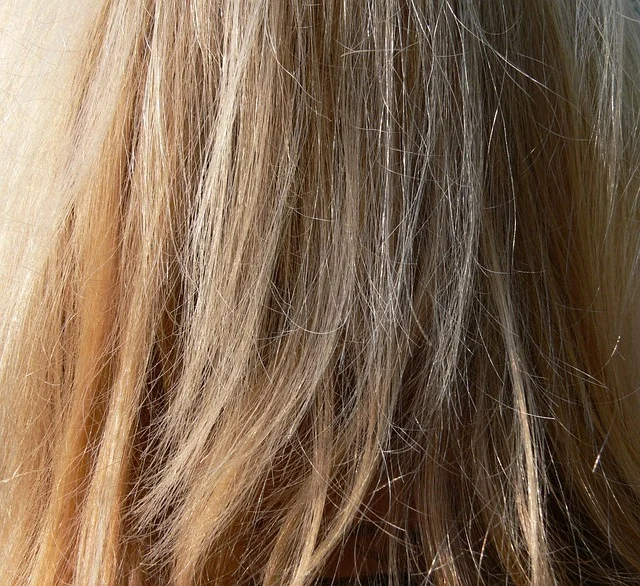
- Straight roots with bent ends: The hair lies flat against the scalp for the first few inches. It forms a loose S-shaped curve or distinct bend toward the mid-lengths and lower ends.
- Medium to coarse strand thickness: Unlike fine 1a hair, individual 1c strands are thicker and sturdier. This characteristic gives the hair natural body and volume.
- Poofiness instead of tight ringlets: When exposed to high humidity or brushed dry, 1c hair tends to poof outward. It does not form defined curls or ringlets.
- Uneven oil distribution: Natural sebum produced by the scalp glides easily down the straight portion near the roots. However, it slows down when hitting the gentle curve at the ends. This frequently results in an oily scalp paired with dry, frizzy ends.
One of the primary challenges with 1c hair is its tendency toward frizz. Responsible for smoothness, the cuticle layer can be more open along the bend in finer or medium hair types. This allows humidity to penetrate and cause expansion. Achieving smooth, defined waves requires moisturizing and anti-frizz techniques that seal the shaft without adding heavy buildup.
How does 1c hair compare to 1b and 2a hair?
Because 1c hair sits right between straight and wavy textures, it is easily mistaken for 1b or 2a hair. Understanding subtle structural differences helps you select the right care techniques and product formulas.
| Feature | Type 1b Hair | Type 1c Hair | Type 2a Hair |
|---|---|---|---|
| Wave Pattern | Mostly straight with slight body at ends | Gentle S-shape at mid-lengths and ends | Loose S-waves starting near roots |
| Strand Diameter | Fine to medium | Medium to coarse | Fine to medium |
| Frizz Potential | Low | Moderate, especially in humidity | High |
| Root Behavior | Lies flat against scalp | Lies flat with light natural lift | Lifts naturally with visible wave start |
| Hold Duration | Struggles to hold styled curls | Holds heat styles and set waves well | Holds natural wave pattern easily |
While 1b hair remains visually straight with minimal frizz, 1c hair displays a distinct S-curve when left to air-dry. Conversely, Type 2a hair features consistent S-waves that begin closer to the scalp. However, 1c hair stays straight near the roots before curving outward near the bottom.
Why hair porosity matters for 1c hair
Porosity dictates how easily your hair shaft absorbs and retains moisture. This process fundamentally alters how 1c hair reacts to styling products and environmental moisture.

Low porosity 1c hair
Low porosity 1c hair features tightly bound cuticle scales. Water and heavy styling products sit on top of the strand rather than penetrating inside. Heavy leave-in conditioners or rich butter creams cause rapid buildup on low porosity 1c hair. Strands become flat, sticky, or greasy. Lightweight, water-based humectants like glycerin or hyaluronic acid work best. Apply them with warm water during washing to open the cuticle layer.
High porosity 1c hair
High porosity 1c hair has raised cuticles, often caused by heat styling, hair color, or environmental damage. Strands absorb moisture quickly but lose it just as fast. This leads to chronic dryness, poofiness, and flyaways. High porosity 1c hair benefits from protein-rich treatments that temporarily fill gaps in the hair shaft. Follow with lightweight sealing oils like argan or jojoba oil to lock hydration inside.
Trichologist Sarah Jenkins emphasizes paying attention to your hair’s porosity. “Understanding this will dictate whether you need lighter, penetrating products or richer, sealing ones to maintain proper moisture balance and curb frizz,” she notes.
What haircuts work best for 1c hair?
Selecting the right haircut is paramount for enhancing the natural texture of 1c hair. It keeps common issues like crown flatness and triangular poofiness under control. Strategic cutting lightens the ends. This allows the natural S-wave to form without dragging down the top.
- Layered long bobs (lobs): Cutting hair into a long bob with subtle interior layering removes bulk from the bottom perimeter. This allows the natural S-wave to spring up without creating an unflattering flared effect.
- Long lived-in layers: Strategic layers around the mid-lengths remove excess weight. They add movement and an illusion of fullness throughout the hair.
- Curtain bangs and face-framing pieces: Adding shorter, curved layers around the face provides instant volume near the crown. This prevents the straight root section from looking limp.
Avoid heavy, blunt, one-length cuts. One-length styles drag 1c hair straight at the top while causing the ends to poof outward in humid weather. Celebrity stylist Marcus Jones often recommends a “lived-in” cut for 1c hair, explaining: “The beauty of 1c is its inherent softness. The aim is to enhance that with cuts that mimic a relaxed, natural fall. Texturizing techniques are often used to break up any uniformity and encourage playful waves.”
How to build an effective 1c hair care routine
A dedicated routine provides the balance of cleansing and moisture that 1c hair requires to look defined and feel weightless.
- Cleanse gently without stripping: Wash your scalp every 2 to 3 days using a gentle, sulfate-free shampoo. Concentrate the product on your roots to dissolve excess oil without drying out the lengths. If your scalp experiences irritation, choosing a gentle formula helps balance sebum production without stripping natural moisture. See How to Style Curly Hair: Mastering Your Natural Texture for recommendations.
- Clarify regularly: Because 1c hair is prone to product buildup at the roots, integrate a weekly deep clean. Use Olaplex No. 4C Bond Maintenance Clarifying Shampoo to lift buildup without harshness. For routine wash days, options like Briogeo Farewell Frizz Smoothing Shampoo maintain clean strands while controlling flyaways. Using a suitable shampoo between clarifying days keeps hair fresh.
- Condition from mid-lengths to ends: Apply conditioner strictly from the ears down, avoiding the scalp to prevent flat roots. Work product through with your fingers or a wide-tooth comb. Brands like Pureology Hydrate Conditioner offer lightweight slip. Rich treatments like SheaMoisture Coconut & Hibiscus Curl & Shine Conditioner should be used sparingly on finer strands.
- Dry gently with low friction: Avoid rough towel-drying with terrycloth, which disrupts the hair cuticle and causes immediate frizz. Instead, gently squeeze out excess water with a microfiber towel or an old cotton t-shirt.
- Apply leave-in protection while damp: Coat damp hair with a lightweight leave-in spray or serum to protect against heat damage. Doing this locks in moisture before air-drying or styling.
How to style 1c hair to enhance waves and volume
Beyond selecting suitable products, the application techniques you use determine how well your 1c waves hold their shape throughout the day.

The scrunching method
Wash and apply a lightweight mousse or wave cream to damp hair. Cup sections of hair in your palms and gently scrunch upward toward the scalp. Mousses like Kevin Murphy Killer Waves or Not Your Mother’s Curl Talk Curl Activating Mousse add volume and definition without crunch. For subtle moisture, lightweight creams such as Pattern Beauty Styling Cream or Curlsmith Curl Quenching Conditioning Leave-In enhance natural bends while keeping strands soft.
The plopping technique
Plopping sets your waves without using heat. Lay a cotton t-shirt or microfiber towel flat on a surface, bend forward at the waist, and lower your damp, product-coated hair onto the cloth. Wrap the fabric securely around your head and tie the sleeves at the nape of your neck. Leave your hair wrapped for 15 to 30 minutes. This allows the fabric to absorb water and encourage waves to set upward before air-drying.
Diffusing for lift and shape
Air-drying is ideal for preserving natural health, but if you blow-dry, always attach a diffuser. Set your dryer to low heat and low speed. Flip your head upside down or tilt to one side, resting sections of damp hair inside the diffuser bowl. Push upward gently toward the scalp to dry the roots while setting the natural S-wave. Always apply a heat protectant prior to drying.
Which products and ingredients work best for 1c hair?
Using formulas suited to 1c hair prevents heavy buildup while controlling unwanted poofiness.
- Hydrating humectants: Look for glycerin, hyaluronic acid, and aloe vera. These ingredients pull ambient moisture into the hair shaft without leaving a heavy film.
- Lightweight sealing oils: Argan, jojoba, and squalane oils seal the cuticle to protect against humidity. Apply a small drop strictly to dry ends. Products like Bumble and bumble Hairdresser’s Invisible Oil Serum offer smoothing benefits without greasiness.
- Ingredients to avoid: Avoid heavy butter formulations like raw shea or cocoa butter in leave-in products, as well as thick styling waxes and heavy silicones that require harsh sulfates to remove.
Finding the right balance requires testing product amounts on your specific strand thickness. A user named Chloe found that applying a pea-sized amount of lightweight curl cream to damp hair before air-drying significantly improved her wave pattern and reduced flyaways. Another user, Maria, found that pure plant oils left her hair greasy; switching to a silicone-based serum applied strictly to the ends provided smoothing without limpness.
How to prevent overnight frizz and breakage
Protecting 1c hair while sleeping preserves wave definition and keeps hair smooth for second-day wear without needing full restyling.
Stylist David Lee emphasizes the importance of protective habits at night. “Sleeping on a silk or satin pillowcase dramatically reduces friction compared to cotton, which can cause frizz and breakage,” he explains. “Alternatively, a silk bonnet or scarf can protect your waves overnight.”
You can also gather your hair into a loose topknot on the crown of your head using a silk scrunchie—a method often called the “pineapple.” Securing hair loosely at the top prevents flat spots on the sides and back of your head while keeping strands from tangling against your bedding.
How to fix common 1c hair problems
Tackle daily hair challenges with these targeted fixes:
Oily roots with frizzy ends
Because natural scalp oil travels easily down straight roots but stalls at the wave bend, roots get greasy while ends stay dry. Wash your scalp using a balancing Men’s Skincare: Why Less is Often More for Real Results or clarifying shampoo. Restrict all conditioning creams and serums strictly to the lower mid-lengths and ends.
Hair going flat halfway through the day
Limpness usually results from using heavy leave-in conditioners or creams. Switch to lightweight mousses or root-lifting sprays applied to damp roots, and blow-dry your roots upside down using a diffuser to create lasting structural lift.
Poofiness in humid weather
Humidity penetrates dry, open cuticles, causing strands to expand outward in a cloud of frizz. Apply a lightweight anti-humidity serum or light wave cream while your hair is soaking wet immediately after washing. This seals the cuticle before moisture can evaporate.
Expert insights for maintaining 1c hair health
Keeping 1c hair looking its best requires avoiding mechanical stress and over-manipulation during daily styling.
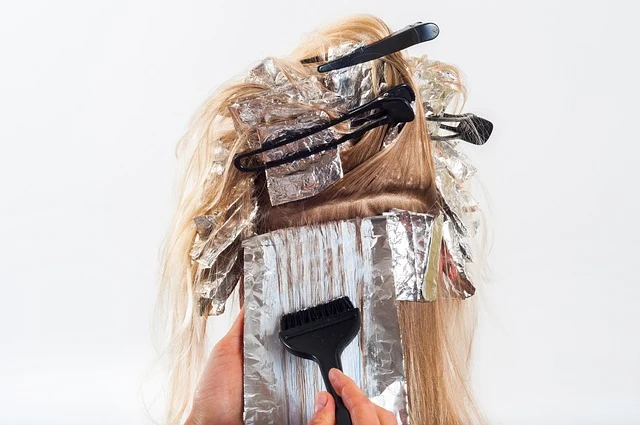
Avoid brushing dry 1c hair with fine-tooth combs or stiff bristle brushes. Brushing dry hair disrupts the soft S-wave pattern, turning defined bends into a cloud of static frizz. If you need to detangle dry hair, use your fingers or mist lightly with a hydrating leave-in spray before using a wide-tooth comb.
Additionally, maintain a regular trim schedule every 8 to 12 weeks. Because 1c hair strands are medium to coarse, split ends can cause the bottom of your hair to flare out in an unsightly shape. Periodic trims keep the lower perimeter crisp and easy to style.
Frequently asked questions
What distinguishes 1c hair from 2a hair?
1c hair is characterized by a fine to medium texture and a loose, gentle S-shaped wave pattern. This pattern lies close to the scalp, often appearing nearly straight near the roots. 2a hair, conversely, features looser, consistent S-waves that start higher up near the crown, creating more overall body, volume, and visible wave separation throughout the hair.
Can 1c hair be naturally straight?
While classified as a subtype of straight hair in typing systems, 1c hair possesses a definite wave pattern. It is not truly flat like 1a or 1b hair. Its S-shaped wave is subtle but present, and managing it involves either enhancing its natural bend or gently smoothing it flat.
How often should you wash 1c hair?
Most people with 1c hair benefit from washing every 2 to 3 days. Washing too frequently can strip natural oils and exacerbate dry, frizzy ends, while waiting too long allows scalp oils to weigh down the straight root section.
What are the best styling products for 1c hair?
Lightweight mousses, wave-enhancing sprays, and light leave-in conditioners work best for 1c hair. Look for formulas containing glycerin, aloe vera, or lightweight plant oils that provide hydration and frizz control without weighing down fine or medium strands.
Does 1c hair get frizzy easily?
Yes, 1c hair can be prone to frizz, especially in humid conditions or when brushed dry. This occurs because the hair cuticle layer along the wave curve can open slightly, allowing moisture to escape and causing strands to swell outward.
Can you use heat tools on 1c hair?
Yes, you can use heat tools on 1c hair, but always apply a thermal protectant spray first. Using a diffuser attachment on a low heat setting when blow-drying helps set natural waves without disturbing the pattern or causing excess heat damage.
Source: Britannica.