



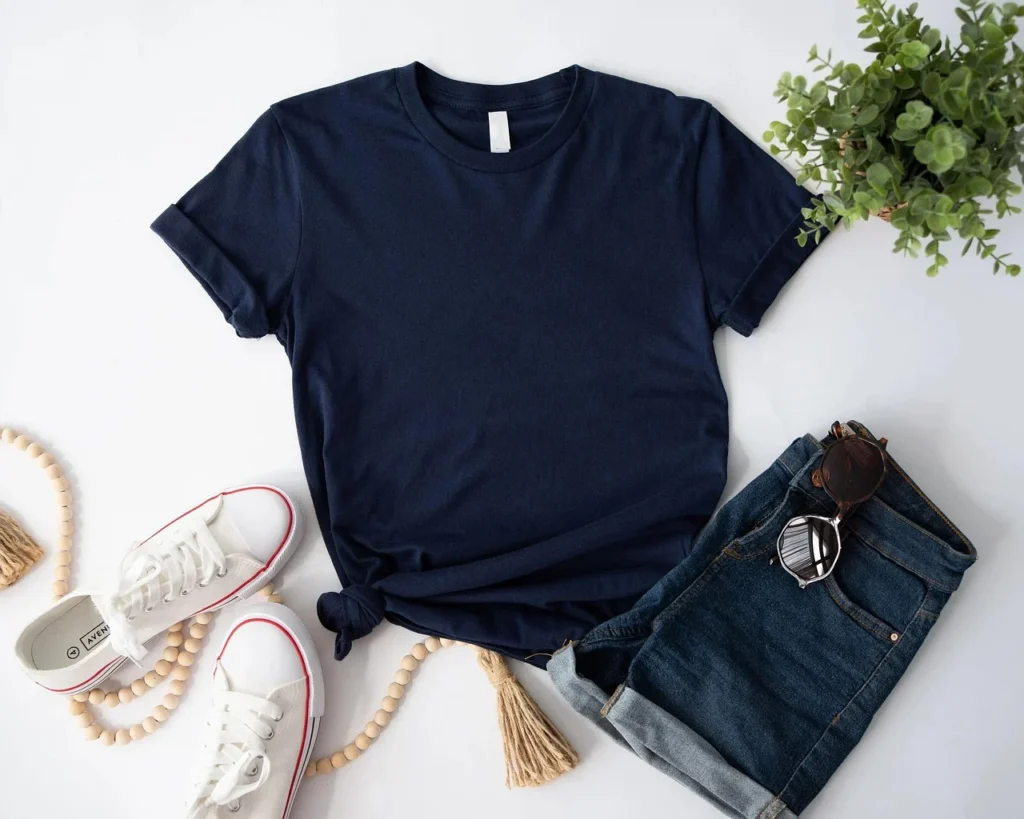
The best heavyweight t-shirt blank brands offer durable, dense cotton shirts weighing 6.0 oz/yd² (roughly 200 GSM) or higher. These maintain a structured drape and withstand frequent washing. Prominent choices include Shaka Wear, Comfort Colors, Los Angeles Apparel, and Pro Club, each offering distinct fabric textures and collar constructions for streetwear or brand basics.
Finding the right heavyweight blank comes down to understanding how fabric density changes fit and print performance. While standard promotional t-shirts rely on lightweight 4.3 oz cotton, heavyweight options provide a boxier silhouette and substantial feel. Apparel brands and streetwear enthusiasts favor this style. In this guide, this guide will break down the leading blank brands, how to compare GSM measurements, and what to watch for when choosing a blank for custom printing or daily wear.
Which brands make the best heavyweight t-shirt blanks?
The leading heavyweight blank options range from classic garment-dyed options to dense, boxy streetwear cuts across different fabric weights and price points.

| Brand & Model | Fabric Weight | Style & Fit | Wholesale / Retail Price Range | Best Suited For |
|---|---|---|---|---|
| Shaka Wear Max Heavyweight (SHMHSS) | 7.5 oz (254 GSM) | Boxy, thick collar | $10 to $15 | Streetwear brands wanting structural drape |
| Comfort Colors 1717 | 6.1 oz (207 GSM) | Relaxed vintage fit | $9 to $15 | Garment-dyed, soft washed aesthetic |
| Los Angeles Apparel 1801GD | 6.5 oz (220 GSM) | Classic boxy streetwear cut | Varies by distributor | High-end custom apparel lines |
| Pro Club Heavyweight (101) | 6.5 oz (220 GSM) | Rigid, tight mock collar fit | $10 to $16 | Classic West Coast streetwear style |
| AS Colour Classic Tee (5080) | 6.5 oz (220 GSM) | Relaxed modern fit | $24 to $28 | Premium retail-ready streetwear brands |
| Gildan Ultra Cotton (G200) | 6.0 oz (203 GSM) | Classic boxy workwear fit | $4 to $8 | Budget-conscious bulk print runs |
| Gildan Hammer (H000) | 6.0 oz (203 GSM) | Modern classic fit | Varies by distributor | Upgraded bulk screen printing |
| Bella+Canvas 4610 / 4610C | 6.0 oz to 7.5 oz | Modern tailored fit | $14 to $20 | Contemporary brands seeking soft heavy cotton |
| Hanes Beefy-T | 6.1 oz (207 GSM) | Traditional standard fit | Varies by distributor | Reliable daily wear and classic printing |
| Vesti IT645T | 6.0 oz+ | Structured fit | ~$20 | Mid-to-high tier blank printing |
Top Heavyweight Blank Options by Brand
Shaka Wear Max Heavyweight ranks among the best brands for heavyweight blank t-shirts with a bold, boxy streetwear shape. If you prefer a lived-in, muted color palette, the Comfort Colors 1717 uses garment dyeing to create a soft, weathered texture right out of the box. For premium domestic manufacturing, the Los Angeles Apparel 1801GD delivers a substantial hand feel designed specifically to handle heavy screen printing graphic applications. For context on layering boxy tops, see Japanese Streetwear Brands Online: Where to Buy Authentic Pieces for styling ideas.
Brands like Pro Club (101) cater directly to traditional streetwear markets. They demand a snug high neck collar and stiff body structure. AS Colour’s Classic Tee (5080) targets premium apparel lines looking for combed cotton smoothness paired with heavy fabric weight. If you need budget-friendly blanks for large promotional runs or merchandise, Gildan Ultra Cotton (G200) offers entry-level heavyweight specs. Meanwhile, the Gildan Hammer (H000) provides a smoother combed surface at a slight upgrade cost.
What defines a true heavyweight blank t-shirt?
A heavyweight blank is defined primarily by its fabric weight. This typically starts at 6.0 oz per square yard (roughly 200 GSM) and can extend past 12.0 oz (400+ GSM) in super-heavyweight styles.
Fabric weight is measured globally in GSM (grams per square meter) or in North America as ounces per square yard (oz/yd²). To convert ounces per square yard into GSM, multiply the weight in ounces by roughly 33.9. For example, a 7.5 oz blank equals approximately 254 GSM. Even the best heavyweight t-shirt blank brands use terms like “heavyweight” without strict legal definitions or industry standards. This means brands can label products freely, so checking the actual GSM or fabric weight specification is essential.
A common misconception is that a higher fabric weight automatically means higher quality. GSM indicates density and thickness, not necessarily yarn quality or softness. A midweight shirt made from combed ring-spun cotton can feel far softer. It can also outlast a cheap open-end heavy cotton tee that has not been combed for short fibers. Another detail to watch out for is mislabeled product names. For instance, the popular Gildan “Heavy Cotton” (5.3 oz / 175 GSM) is technically a midweight t-shirt despite its model name, whereas the Gildan Ultra Cotton (6.0 oz) crosses into true heavyweight territory.
Worked example: Converting oz/yd² to GSM
You can verify any manufacturer spec sheet using a basic formula. Take the weight in ounces per square yard and multiply it by 33.906.
- Gildan 5000 (5.3 oz/yd²): 5.3 × 33.906 = 179.7 GSM (Midweight)
- Gildan Ultra Cotton G200 (6.0 oz/yd²): 6.0 × 33.906 = 203.4 GSM (Entry Heavyweight)
- Comfort Colors 1717 (6.1 oz/yd²): 6.1 × 33.906 = 206.8 GSM (Classic Heavyweight)
- Los Angeles Apparel 1801GD (6.5 oz/yd²): 6.5 × 33.906 = 220.3 GSM (Streetwear Heavyweight)
- Shaka Wear Max Heavyweight (7.5 oz/yd²): 7.5 × 33.906 = 254.3 GSM (Super Heavyweight)
How to choose between open-end and ring-spun heavyweight cotton
Choosing between open-end and ring-spun cotton depends on your preference. You might want a rough streetwear feel or a smooth print surface.
Open-end cotton production spins fibers directly without carding out short strands. This creates a textured feel typical of classic workwear blanks. It holds shape firmly and offers a thick vintage hand feel. In contrast, ring-spun cotton continuously twists and thins the cotton strands, yielding a significantly smoother, stronger, and softer yarn. Combed ring-spun cotton takes this further by removing impurities and short fibers before spinning.
If your goal is direct-to-garment (DTG) printing or fine-line screen printing, we recommend selecting combed ring-spun cotton blanks like the Bella+Canvas 4610 or AS Colour 5080. The smoother surface allows ink to lay down evenly without stray fibers poking through the print layer. However, if your brand focuses on bold, traditional screen prints or thick plastisol graphics, an open-end blank from the best heavyweight t shirt blank brands, like the Shaka Wear Max Heavyweight, provides the sturdy backdrop that heavy ink coats require.
| Feature | Open-End Cotton | Ring-Spun Cotton | Combed Ring-Spun Cotton |
|---|---|---|---|
| Surface Texture | Rough, fuzzy, textured | Smooth, uniform | Ultra-smooth, zero stray fibers |
| Garment Structure | Very rigid, boxy drape | Flexible, soft drape | Soft yet structural in heavy weights |
| Print Surface Quality | Good for heavy screen printing | Great for most print methods | Best for DTG and detailed screen prints |
| Common Blank Models | Shaka Wear, Gildan G200, Pro Club 101 | Comfort Colors 1717 | Bella+Canvas 4610, AS Colour 5080 |
Printing and customization performance on heavyweight blanks
Heavyweight cotton alters how printing inks adhere and cure compared to lightweight blended fabrics. Understanding these printing dynamics prevents costly production mistakes.
Screen Printing
Screen printing works exceptionally well on heavyweight blanks. Heavy cotton absorbs plastisol and water-based inks effectively without bleeding through the back of the shirt. However, open-end cotton blanks can exhibit “fibrillation”—a condition where loose cotton fibers push up through white or light ink layers during washing. You fix fibrillation by applying a smoothing heat press step post-curing. Alternatively, choose combed ring-spun cotton blanks for fine detail work.
Direct-to-Garment (DTG) Printing
DTG printers require a flat, non-fuzzy surface to achieve sharp graphics. Standard open-end heavyweight shirts trap pretreatment fluids unevenly and cause fuzzy print output. For DTG projects, choose 100% combed ring-spun cotton blanks like the Bella+Canvas 4610 or AS Colour 5080. These smooth weaves absorb pretreatment liquids consistently, allowing water-based inks to bond cleanly without color dullness.
Embroidery
Heavyweight blanks excel as embroidery bases. The high fabric density supports heavy stitch counts without puckering or bunching around the design border. While 4.3 oz lightweight tees require heavy stabilizer backings to prevent sag under dense embroidery patches, 6.5 oz to 7.5 oz tees hold embroidery designs flat without distortion.
Step-by-step guide: Selecting the right blank for your project
- Define your target fit profile: Determine whether your audience wants an oversized, drop-shoulder streetwear cut (Shaka Wear, Los Angeles Apparel), a classic boxy workwear cut (Gildan G200, Pro Club), or a modern tailored silhouette (Bella+Canvas 4610).
- Match yarn type to your print method: Use combed ring-spun cotton for DTG or fine-line screen prints. Select open-end heavy cotton for vintage screen printing or embroidery.
- Calculate total cost per unit: Factor wholesale blank costs against your retail price target. A $4 Gildan G200 suits promotional giveaways, whereas a $25 AS Colour 5080 fits premium boutique releases.
- Order test samples before bulk production: Wash sample blanks at least three times to evaluate real shrinkage, neck collar retention, and fabric softness.
- Test ink opacity and washability: Print your design on sample garments. Check for ink cracking, fiber show-through, or color distortion after laundering.
Common problems with heavyweight blanks and how to fix them
Problem: Collar stretching and sagging after washing.
Cheap heavyweight blanks often pair thick body fabric with flimsy collar ribbing, leading to collar distortion. Fix this by sourcing blanks with thick 1×1 or 2×1 rib collars containing lycra or spandex reinforcement. Options include Pro Club 101 or Shaka Wear SHMHSS.
Problem: Excessive post-wash shrinkage.
Unwashed 100% heavy cotton can shrink up to 5% to 7% on high heat. Fix this by choosing pre-shrunk cotton or garment-dyed blanks like the Comfort Colors 1717, or instruct customers to wash cold and hang dry.
Problem: Stiff, scratchy hand feel out of the box.
High-GSM open-end cotton feels coarse initially. Fix this by applying enzyme washes during custom finishing, or switch to combed ring-spun blanks that maintain soft hand feel without sacrificing weight.
Who should avoid buying heavyweight t-shirt blanks?
Heavyweight blanks are not suitable for high-intensity athletic activities, warm-weather athletic performance gear, or customers who prefer body-hugging, drape-heavy silhouettes.
Because dense cotton retains moisture and restricts airflow compared to lightweight blends, a 7.5 oz shirt causes heat retention. Additionally, if your audience prefers a slim fit, heavyweight shirts feel too stiff and wide. For readers interested in the best heavyweight t shirt blank brands, see How to Wear High Top Sneakers With Baggy Pants for fit guidance.
High-heat outdoor environments also make high-GSM cotton impractical for summer daily wear. If you run a fitness apparel line, high-intensity training brand, or active outdoor apparel company, choose lightweight tri-blends, ring-spun poly-cotton blends (like the Bella+Canvas 3001CVC or Next Level 3600), or technical moisture-wicking fabrics instead of 6.0+ oz cotton blanks.
Frequently asked questions
What is the minimum GSM for a heavyweight t-shirt?
A t-shirt is generally considered heavyweight when its fabric weight reaches at least 200 GSM (approximately 6.0 oz/yd²). Super-heavyweight options often range from 250 GSM up to 425 GSM.
Do heavyweight cotton blank t-shirts shrink more than lightweight ones?
Heavyweight cotton shrinks at a similar percentage to lightweight cotton if unwashed, but because there is more yarn volume, the physical change in fit can feel more pronounced. Opting for pre-shrunk or garment-dyed blanks minimizes post-wash shrinkage.
Which heavyweight blank t-shirt is best for direct-to-garment (DTG) printing?
Blanks made from 100% combed ring-spun cotton are best for DTG printing because the smooth, tight weave allows water-based inks to absorb evenly without stray surface fibers sticking up.
What is the difference between tubular and side-seam heavyweight blanks?
Tubular blanks feature a continuous smooth fabric cylinder around the torso, which lowers manufacturing costs but offers less structural tailoring. Side-seam blanks use separate front and back fabric panels stitched down the sides, providing a more consistent retail fit that prevents twisting after wash cycles.
Are garment-dyed heavyweight blanks harder to print on?
Garment-dyed blanks like the Comfort Colors 1717 require temperature control during flash curing. Excessively high heat can trigger dye migration, causing the garment dye to bleed into white screen printing ink. Use low-bleed inks or lower curing temperatures to prevent dye bleed.