



The Arc’teryx Beta LT fits true to size. Use our sizing guide for a Arcteryx Beta LT. Its trim fit sits closer than jackets from Patagonia or The North Face. Select your standard size for thin layers. Size up to layer a thick fleece underneath.
Do Arc’teryx Beta LT jackets run small?
The Arc’teryx Beta LT does not technically run small against its size chart. It feels tighter than traditional rain shells because Arc’teryx designs it with an athletic trim fit. According to KicksUnderCost, the trim cut maximizes thermal efficiency and breathability. It improves movement under a harness instead of leaving dead air space.
If you transition to the Beta LT from standard lifestyle shells, the high armholes and fitted chest can feel snug. Arc’teryx revised its standard fit guidelines to clarify that this close cut is an intentional performance design, not a sizing error. Arc’teryx rules specify selecting the larger size for a relaxed profile if you fall between two sizes. Choose the smaller size for a technical, close-to-body fit.
The high armhole placement stops the body of the jacket from lifting up when reaching overhead while climbing or scrambling. However, this high gusseted armhole reduce excess fabric in the armpits. If you have broad shoulders or a wide back, that performance cut pulls tight across the shoulder blades when crossing your arms forward.
The lower hem features a drop-tail design that sits lower at the back. This protects you from spray and weather while sitting or bending over. The hip area tapers in line with the athletic cut. Consequently, buyers with wider hips must verify their dimensions on the size chart to prevent the hem from riding up.
Arc’teryx Beta LT sizing chart and measurement guide
The official size chart for Arc’teryx jackets relies primarily on your chest or bust measurement. Take this measurement across the fullest part of your torso. Men’s sizing spans from XS to XXL, while women’s sizing spans from XXS to XXL.
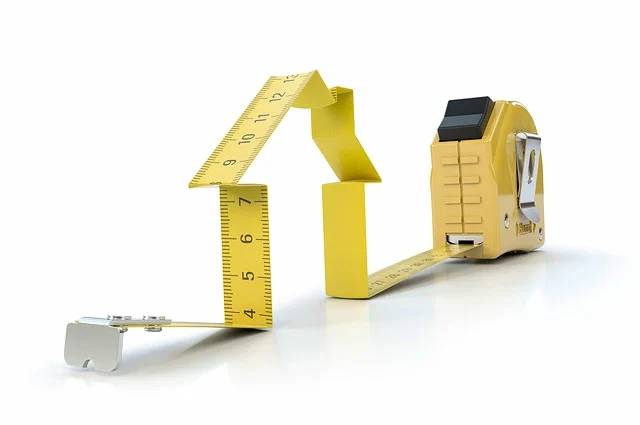
To take accurate body measurements for the Arc’teryx Beta LT sizing chart, follow these specific steps before choosing your size:
-
- Chest or Bust: Wrap a flexible measuring tape around the fullest part of your chest or bust line. Keep the tape flat, parallel to the floor, and snug against your skin or a thin base layer. Stand naturally without inflating your lungs fully.
- Waist Circumference: Measure around your natural waistline. This sits at the narrowest point of your torso between your ribcage and belly button.
- Hip Circumference: Stand with your feet together. Measure around the fullest part of your hips and seat to ensure the zipped hem will not bind.
- Sleeve Length: Bend your elbow slightly. Measure from your center back neck, across your shoulder, to your elbow and wrist bone.
| Size | Men’s Chest (Inches / cm) | Women’s Bust (Inches / cm) | Men’s Waist (Inches / cm) | Women’s Waist (Inches / cm) |
|---|---|---|---|---|
| XXS | — | 30 in / 76 cm | — | 24 in / 61 cm |
| XS | 35 in / 89 cm | 32 in / 81 cm | 29 in / 74 cm | 26 in / 66 cm |
| S | 37 in / 94 cm | 34 in / 86 cm | 31 in / 79 cm | 28 in / 71 cm |
| M | 40 in / 102 cm | 36 in / 91 cm | 34 in / 86 cm | 30 in / 76 cm |
| L | 43 in / 109 cm | 39 in / 99 cm | 37 in / 94 cm | 33 in / 84 cm |
| XL | 47 in / 119 cm | 43 in / 109 cm | 41 in / 104 cm | 37 in / 94 cm |
| XXL | 51 in / 129 cm | 47 in / 119 cm | 45 in / 114 cm | 41 in / 104 cm |
The men’s Medium suits a 40-inch chest for technical mountain use, while the women’s Medium matches a 36-inch bust line. Arc’teryx updated its men’s sizing standards across modern production. Medium remains the benchmark, smaller sizes feature a tighter cut, and larger sizes provide a looser fit than older revisions.
What does LT mean in sizing and performance?
In the Arc’teryx naming system, LT stands for Lightweight. This indicates a jacket built with durable performance materials at a minimized weight. The LT designation does not alter the chest circumference measurements on the size chart. However, it affects how the jacket drapes and layers over clothing.
In June 2024, Arc’teryx updated the Beta LT material specification to use next-gen Gore-Tex ePE membrane technology. This eliminated PFCs and dropped total garment weight to approximately 330 grams (11.6 oz) for a women’s small. The material is lighter and slightly softer than heavy-duty options like the Beta AR (All Round) or SV (Severe Weather). Thus, it drapes closer to the frame without stiffness. For street fashion styled alongside heavyweight hoodies—a look explored in our guide on Best Heavyweight Hoodies for Men: Weight, Fit, and Picks—the supple material of the LT yields a cleaner profile than rigid Gore-Tex Pro shells.
The fabric flexibility in the Beta LT creates less rigidity across your chest. When you zip the shell over a light fleece, the fabric conforms smoothly across your back. However, because the fabric lacks the heavy structure of 80-denier Gore-Tex Pro found on heavy-duty alpine jackets, any bulky mid-layer beneath the LT will push directly against the shell, creating noticeable compression points if your choice in an Arcteryx Beta LT sizing guide is too tight.
How Arc’teryx Beta sizing differs across models (Beta LT vs Beta AR vs Beta SV)
Understanding Arc’teryx Beta sizing across the entire lineup requires comparing fit classifications. Arc’teryx divides its outerwear into distinct fit designations: Trim Fit (Beta LT and baseline Beta), Regular Fit (Beta AR), and Relaxed Fit (Beta SV).

Arc’teryx Beta AR women’s sizing vs Beta LT
The primary difference between the Beta LT and the Beta AR comes down to fit classification and collar structure. While the Arcteryx Beta LT sizing guide details a trim fit, the Beta AR uses a regular fit cut larger in the chest and shoulders to accommodate heavy alpine insulation automatically.
For women looking at the Beta AR women’s sizing, a women’s Medium in the Beta AR provides noticeable room through the torso and underarms compared to a women’s Medium in the Beta LT. If you wear a size Medium in the Beta LT for mild weather, you can usually buy your exact size in the Beta AR and comfortably fit a down jacket underneath. The Beta LT requires active sizing decisions based on your intended cold-weather layers.
Next, the collar design also influences fit comfort. The Beta LT uses a StormHood where the hood connects directly to the collar. When you zip the Beta LT up fully over a heavy neck gaiter or hooded fleece, the chin area feels snugger. The Beta AR uses a DropHood design with a separate collar inside the hood. This leaves extra volume around your neck and lower jaw for bulky winter layers.
Comparing the full Beta family volume and fit
-
-
- Standard Beta Jacket: Uses a trim fit identical in chest volume to the Beta LT, designed for general hiking with light base layers.
- Beta LT (Lightweight): Features a trim fit. Lightweight 3L Gore-Tex fabric sits close to the torso with articulated patterning for active mountain movement.
- Beta AR (All Round): Features a regular fit. It offers roughly 1 to 2 inches of extra volume in the chest, shoulders, and waist compared to the Beta LT. This design accommodates thick synthetic or down mid-layers without sizing up.
- Beta SV (Severe Weather): Features a regular or relaxed fit with an extended hem length. It includes a high-volume chest cut and deep armholes designed for extreme conditions and maximum winter layering systems.
-
How to choose between sizing up or staying true to size
You should stay true to your measured size if you intend to wear the shell primarily over lightweight clothing or street layers. You should size up by one full size if your primary goal is heavy cold-weather layering with thick mid-layers.
Follow these specific steps to establish your correct size:
- Measure your chest or bust circumference at the widest point. Keep the tape parallel to the floor while wearing only a thin shirt.
- Cross-reference your figure with the official size chart; if your chest is 39.5 inches, your baseline standard size is Medium.
- Determine your primary mid-layer garment: for t-shirts, light fleeces, or crewnecks, keep your standard size.
- Test arm mobility if trying on in person: raise both arms fully above your head; if the wrists retract significantly past your wrist bones or the chest feels tight across your back, select the next size up.
We recommend sizing up for anyone who carries broader shoulders relative to their waist. Because the Beta LT uses an athletic taper, choosing your exact waist size often results in restriction around the lats when reaching forward.
Concrete sizing scenarios and worked examples
To clarify how the Arc’teryx Beta LT fits real body proportions, examine these practical application examples based on user dimensions and layering choices:

Scenario 1: The Three-Season Hiker (True-to-Size Choice)
User profile: Men’s 39.5-inch chest, 32-inch waist, height 5’10” (178 cm).
Intended use: Spring, summer, and fall trail hiking using a synthetic base layer or a thin grid fleece (like an Arc’teryx Delta or Patagonia R1).
Verdict: Select Size Medium. The jacket fits flush against the fleece without excess fabric flapping in wind gusts. Sleeve length falls right at the knuckles, and hem coverage stays secure during steep climbs.
Scenario 2: The Cold-Weather Mountaineer (Size-Up Choice)
User profile: Men’s 40-inch chest, 34-inch waist, height 6’0″ (183 cm), broad shoulders.
Intended use: Winter trekking and backcountry skiing over a heavy merino base layer plus an Arc’teryx Thorium or Cerium mid-layer puffy jacket.
Verdict: Select Size Large. Choosing Medium compresses the insulation down, losing loft and trapping heat poorly while restricting shoulder movement. Sizing up to Large provides room for the down puffy to expand while maintaining weather protection.
Scenario 3: The Urban Commuter or Streetwear Fit (Size-Up Choice)
User profile: Women’s 35-inch bust, 28-inch waist, height 5’6″ (168 cm).
Intended use: Daily city wear styled over heavyweight oversized cotton hoodies and crewnecks.
Verdict: Select Size Large (or size up from standard Medium). Thick cotton fleece does not compress like technical outdoor gear. Sizing up creates a modern draped streetwear silhouette without pulling at the back seams or binding the forearms.
Who this sizing advice does not suit
While this Arc’teryx Beta LT sizing guide helps most outdoor enthusiasts, specific body types and use cases require a different approach or a different model altogether:
- People with wide hips or pear-shaped body profiles: The athletic taper on the Beta LT hem does not offer side zippers or generous hip flared cuts. If your hip measurement places you two sizes higher than your chest measurement, the Beta LT hem will bunch up at your waist. Consider the Beta AR or long-cut shells instead.
- Extreme cold-weather winter expeditions: If you routinely need to stack a heavy base layer, active fleece, and a thick 800-fill down jacket under your hardshell, sizing up two sizes in a trim-fit Beta LT creates awkward sleeve lengths. Choose a regular-fit shell like the Beta AR or SV in your baseline size instead.
- Short body torsos with broad shoulders: Sizing up in the Beta LT increases sleeve length and back length proportionally. If you need chest room but have shorter arms, sizing up leads to excessive cuff stacking at your wrists.
Frequently asked questions
Do Arc’teryx Beta LT jackets run small?
They do not run small according to the official size chart, but their tailored trim fit sits closer to the body than standard rain jackets. If you plan to layer thick mid-layers underneath, consider sizing up one size.
What is the difference between Arc’teryx Beta LT sizing and Beta AR women’s sizing?
The Arcteryx Beta LT sizing guide shows a trim fit, while the Beta AR uses a regular fit. A women’s Medium in the Beta AR offers more room through the chest, shoulders, and underarms than a women’s Medium in the Beta LT, accommodating insulated mid-layers without sizing up.
What does LT mean in Arc’teryx sizing?
LT stands for Lightweight in the Arc’teryx naming convention. It designates minimalist design and lighter materials, using the standard size chart while offering a supple drape over your clothing.
Should I size up or down in Arc’teryx shells?
Size up if you fall between sizes or plan to wear heavy fleece and down layers underneath your shell. Stay true to size if you want an athletic fit for high exertion or casual wear over light garments.