



To achieve long-lasting definition, match product weight to your hair’s porosity and density. This choice is essential for smoothing the cuticle without causing buildup. The rest of this guide explains why frizz occurs and how anti-frizz formulas work. It also covers choosing products based on curl type, ingredient lists, shampoos, and conditioners.
Best Curly Hair Products for Frizz
The best curly hair products for frizz combine deep-penetrating humectants, sealing emollients, and flexible styling polymers to block atmospheric humidity while locking in moisture. Top performers include leave-in conditioners with marshmallow root or shea butter, alcohol-free gels like Eco Style, and rich curl creams from PATTERN Beauty and Oribe.
Finding the right formula requires matching your hair’s porosity and density with ingredients that smooth the cuticle without causing buildup. Whether you have delicate waves or tight coils, take a strategic approach to cleansing, conditioning, and styling. This transforms unpredictable hair into defined, frizz-free curls.
Why does curly hair frizz and how do anti-frizz products fix it?
Frizz occurs when the outermost layer of the hair shaft, known as the cuticle, becomes raised or damaged. Curly hair is naturally more prone to frizz than straight hair. Every curve and bend in a spiral strand causes tiny gaps in the cuticle scales. When these scales lift, moisture from surrounding humid air penetrates the hair cortex. This process causes the inner proteins to swell unevenly. This swelling expands the strand sideways, breaking apart individual curl clumps and creating the visible texture known as frizz.
Anti-frizz products work through three main physical mechanisms: hydration, sealing, and film formation. Hydrating ingredients penetrate the hair cortex to restore internal water balance, reducing the hair’s demand for atmospheric moisture. Sealing emollients—such as natural oils and plant-derived butters—fill microscopic gaps along raised cuticle scales. They create a smooth, hydrophobic barrier that repels environmental humidity. Finally, styling polymers and film-forming humectants wrap around the strand to create a flexible shell. This shell holds individual hair fibers together in cohesive curl bundles while drying.

Environmental conditions drastically alter how hair responds to anti-frizz formulas. In high humidity and damp weather, bare hair absorbs ambient vapor almost instantly. Effective hair solutions must adapt to these atmospheric shifts. They combine water-retaining ingredients with humidity-resistant polymers that keep external moisture from entering the hair shaft.
How do you choose products based on hair porosity and curl type?
Matching product weight to hair porosity is the most critical step in eliminating frizz. Hair porosity refers to how easily moisture passes through the hair cuticle.

Low porosity hair has tightly bound, overlapping cuticles that resist water absorption. Heavy butter-based creams sit on top of low-porosity strands, leading to greasy residue, flat roots, and flash-frizz. For low-porosity hair, choose lightweight, water-based leave-in sprays and liquid gels containing hydrolyzed proteins, aloe vera, or marshmallow root extract. These lighter ingredients penetrate without weighing down the hair.
High porosity hair has widely spaced gaps or tears in the cuticle layer. These gaps often result from chemical processing, heat styling, or natural structure. High-porosity strands absorb liquid instantly but lose it just as fast. This leaves the hair dry, tangled, and prone to rapid swelling in humid air. High-porosity curls thrive on dense, rich anti-frizz products. Formulas with raw shea butter, coconut oil, avocado butter, and heavy silicones or film-forming polyquaterniums fill structural gaps and trap moisture inside.
Medium porosity hair features loosely aligned cuticles that readily absorb and retain moisture. It tolerates a balanced combination of light lotions, plant oils, and medium-hold gels without becoming greasy or dry.
Curl pattern also influences product selection:
- Type 2 (Wavy): Wavy hair easily loses volume when weighted down. Stick to lightweight mousses, fluid gels, and spray leave-ins rather than thick butter creams.
- Type 3 (Curly): Ringlets need a hydrating leave-in milk and a flexible-hold gel or cream. This combination maintains curl clumping without frizz.
- Type 4 (Coily): Tight coils and zig-zag patterns require maximum moisture and dense sealants. Layer a rich leave-in cream under a heavy oil or thick gel. Doing so keeps tight coils defined and protected from shrink-related frizz.
Which ingredients effectively block humidity and smooth the cuticle?
Evaluating ingredient lists helps you select anti-frizz products that yield predictable results regardless of the weather.
Film-forming humectants: Unlike simple humectants like pure glycerin, film-forming humectants draw moisture to the hair. These ingredients create a breathable grid over the strand. Excellent options include marshmallow root, flaxseed gel, slippery elm, hydroxyethylcellulose, and aloe vera juice. They maintain moisture balance without causing hair to swell in extreme humidity.
Simple humectants: Glycerin, propylene glycol, and sorbitol attract water aggressively. In high humidity, high concentrations of simple glycerin pull excessive moisture from the air directly into the strand. This process causes puffiness. In extremely dry conditions, glycerin can pull water out of the hair shaft into the air, causing severe dryness. Look for products where glycerin appears lower on the ingredient list or is balanced by heavy emollients.
Emollients and plant sealants: Ingredients like jojoba oil, argan oil, squalane, shea butter, and babassu oil work physically. They fill in roughness along the hair shaft. Jojoba and squalane closely mimic natural scalp sebum, making them ideal for lightweight smoothing without greasy buildup.
Proteins and Polyquaterniums: Hydrolyzed wheat, soy, and silk proteins temporarily plug micro-cracks in damaged cuticles. They strengthen the strand and flatten rough patches. Synthetic polymers like Polyquaternium-11, Polyquaternium-55, and Polyquaternium-69 create strong anti-humidity shields that keep hair styled through rain and sweat.
Silicones: Ingredients like dimethicone, amodimethicone, and cyclomethicone act as slick barriers against moisture transfer. Water-soluble silicones (such as PEG-8 dimethicone) rinse clean with gentle cleansers. Non-soluble dimethicones provide long-lasting humidity protection for high-porosity hair, but require periodic clarifying to prevent buildup.
Best shampoos for frizz-prone curls
Frizz control begins at the sink. Harsh cleansers containing sodium lauryl sulfate strip natural lipophilic layers. This raises the cuticle and sets the stage for frizz before styling even begins.
PATTERN Beauty Hydration Shampoo: Formulated specifically for Type 3 and Type 4 hair textures, this shampoo uses aloe vera juice, coconut oil, and chamomile flower extract to cleanse gently. It leaves the hair fiber moist and supple, allowing curls to detangle easily without stripping natural moisture. It is best suited for medium-to-high porosity hair, though it may feel slightly heavy on ultra-fine waves.
SheaMoisture Coconut & Hibiscus Curl & Shine Shampoo: This affordable sulfate-free option combines silk protein, neem oil, and coconut oil. It offers a creamy lather that cleanses scalp oil while depositing protective lipids along the hair shaft. It works exceptionally well for thick Type 3 and Type 4 curls requiring immediate softening.
Olaplex No. 4C Bond Maintenance Clarifying Shampoo: Daily cleansers should be extra-moisturizing. However, product buildup from heavy creams and gels eventually prevents moisture from penetrating the hair. This deep-cleansing formula removes stubborn mineral deposits and styling polymers without stripping essential hydration. Use it every two to four weeks to reset the hair shaft so hydrating products can function properly.
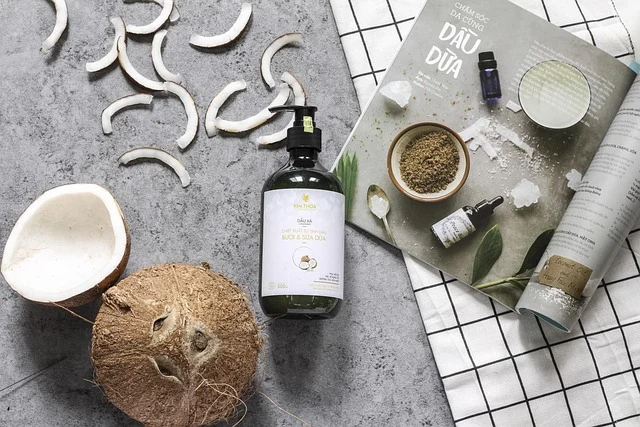
Pairing your cleansing routine with the right color-safe, hydrating shampoo protects the hair shaft from premature moisture loss during the wash phase.
Best conditioners and deep treatments for moisture balance
Rinse-out conditioners flatten the cuticle layer immediately after cleansing, restoring the hair’s acidic pH and providing essential slip for detangling.

Briogeo Farewell Frizz Curl Control Conditioner: A silicone-free, nutrient-dense formula packed with rosehip oil, argan oil, and coconut oil. It seals lifting cuticle scales and restores natural shine without leaving heavy synthetic residue. It works well across medium and high porosity textures.
Curlsmith Curl Quenching Conditioning Balm: Designed as a heavy co-wash and conditioner hybrid, this rich formula contains shea butter, sunflower seed oil, and rare Andean oil extracts. It provides intense moisture for coarse, highly porous, or severely dehydrated curls, instantly eliminating structural dryness that leads to flyaways.
Mielle Organics Rosemary Mint Strengthening Conditioner: Formulated with biotin, rosemary oil, and peppermint, this conditioner combines lightweight conditioning agents with strengthening proteins. It reinforces weak hair shafts, reducing friction-induced frizz while encouraging healthy scalp circulation.
Drawback: Ultra-rich conditioners like Curlsmith’s Conditioning Balm can weigh down fine waves or low-porosity hair, leading to limp curls at the roots. For fine hair, stick to lighter conditioners like Briogeo and apply strictly from mid-lengths to ends.
Best leave-in conditioners to lock in hydration
Leave-in treatments act as a moisture reservoir beneath your styling gels and creams, preventing the hair from drying out as water evaporates during the styling process.
Kinky-Curly Knot Today Leave-In Conditioner: A herbal leave-in formula containing marshmallow root and slippery elm extract. It offers incredible slip, making detangling effortless while forming a light, non-greasy film over every strand. It is ideal for low-porosity curls and fine hair types that need moisture without extra weight.
Adwoa Beauty Baomint Moisturizing Leave-In Conditioner: Infused with raw baobab oil, wintergreen, and peppermint oil, this rich leave-in cream deeply penetrates thick, coarse, high-porosity coily hair. It restores lost lipids and provides long-lasting softness that lasts through multi-day styles.
Camille Rose Naturals Curl Love Moisture Milk: A thick, smooth leave-in milk made with rice milk, macadamia oil, and slippery elm bark. It satisfies thirsty Type 3 and Type 4 curls, smoothing down stubborn halo frizz and creating soft, touchable definition.
Drawback: Applying rich leave-in milks directly to dry or damp hair without enough water can cause product flaking when paired with strong-hold gels. Always apply leave-ins to soaking-wet hair for clean absorption.
Best curl creams and gels for long-lasting definition
Styling creams and gels hold hydrated curl clumps together while they dry, preventing individual strands from flying away into a frizzy halo.
Oribe Curl Gloss Amplifying Crème: A lightweight gel-cream hybrid containing passionflower and jicama plant extracts. It provides a flexible, shiny hold that shapes waves and soft ringlets without crunchiness or stiffness. It excels in low-to-medium humidity conditions for fine to medium hair.
Eco Style Gel (Olive Oil or Argan Oil): An affordable water-based gel that provides firm, long-lasting hold. The olive oil variation infuses hair with moisture while creating a solid protective cast that locks out environmental humidity. It is particularly effective for sleek edge control, high-density wash-and-gos, and defining Type 3 and Type 4 curls.
PATTERN Beauty Styling Cream: Rich in shea butter and sweet almond oil, this heavy styling cream offers medium hold with high moisture retention. It is ideal for twist-outs, braid-outs, and thick coily textures that suffer from shrinkage and dry frizz.

Applying stylers to soaking wet hair allows the product to spread evenly and form cohesive curl clumps before frizz can begin forming during evaporation.
Best finishing oils and serums to seal out humidity
Finishing oils and serums are applied as the final step to break up stiffness from gel casts and provide an impenetrable humidity barrier.
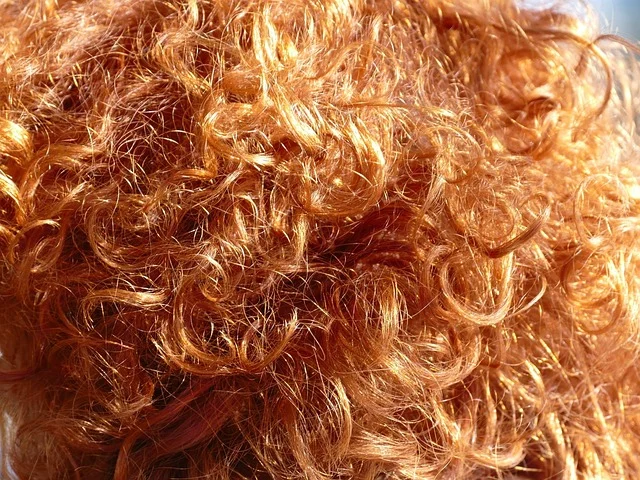
Pureology Hydrate Shine Max Serum: A lightweight, silicone-based serum designed to protect color-treated curls from external moisture while smoothing down stray surface flyaways. A few drops applied to dry hair eliminate surface static and enhance reflection.
Moroccanoil Treatment: An argan-oil-rich formula that absorbs quickly into damp or dry hair. It fills structural porosity gaps, speeds up drying time, and provides high gloss while taming coarse frizzy ends.
A plant-derived, non-greasy emollient that closely mirrors natural cutaneous lipids. It is ideal for sensitive scalps and fine hair, offering lightweight shine and moisture protection without buildup.
Drawback: Using heavy oils on damp hair before applying gel can prevent styling polymers from gripping the strand, resulting in zero hold and early-day frizz. Oils should always be applied after gels or creams have set.
Comparing top anti-frizz products by hair type and need
Choosing the right anti-frizz formula depends on your curl pattern, porosity, and specific styling targets. The table below outlines key differences between top-performing options.
| Product Name | Primary Function | Ideal Curl Type & Porosity | Key Active Ingredients | Best For |
|---|---|---|---|---|
| Kinky-Curly Knot Today | Leave-in Conditioner | Type 2–3, Low Porosity | Marshmallow Root, Slippery Elm | Weightless detangling and light moisture |
| Adwoa Beauty Baomint Leave-In | Rich Leave-in Cream | Type 3–4, High Porosity | Baobab Oil, Shea Butter | Deep hydration for coarse or dense coils |
| Briogeo Farewell Frizz Conditioner | Rinse-out Conditioner | Type 2–4, All Porosities | Argan Oil, Rosehip Oil | Daily cuticle smoothing and shine |
| Eco Style Gel (Olive Oil) | High-Hold Styler | Type 3–4, Medium to High Porosity | Water, Olive Oil, Hydrolyzed Wheat Protein | Maximum hold and humidity resistance |
| Oribe Curl Gloss Amplifying Crème | Gel-Cream Styler | Type 2–3, Fine to Medium Density | Jicama Extract, Passionflower | Soft, glossy definition without crunch |
| Pureology Hydrate Shine Max Serum | Finishing Oil / Serum | Type 2–4, Dry or Color-Treated | Cyclopentasiloxane, Avocado Oil | Sealing finished styles against humidity |
Step-by-step anti-frizz styling routine for wet hair
Having the right products is only half the battle; application technique determines whether your hair dries smooth or frizzy. Follow this structured styling routine for optimal results:
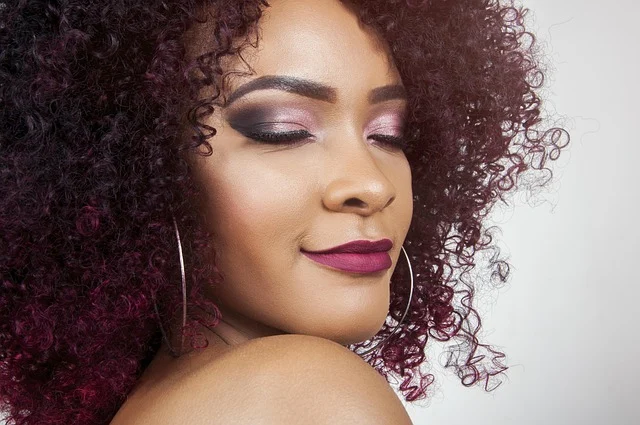
- Start on soaking wet hair: Do not towel-dry your hair before applying leave-in products. Water is the ultimate hydrator; products serve to lock that water inside the hair shaft. Keep a spray bottle nearby to wet sections as you work.
- Apply leave-in conditioner: Rub a quarter-sized amount of leave-in conditioner between your palms. Use the “praying hands” technique—smoothing your flat hands down sections of hair—to apply product evenly from mid-lengths to ends.
- Rake and detangle: Use a wide-tooth comb or your fingers to distribute product evenly, breaking up tangles without disrupting the natural formation of your curl groups.
- Layer styling cream or gel: Section your hair and apply your gel or curl cream using praying hands, followed by gentle raking. Ensure every strand is lightly coated.
- Scrunch to encourage clumping: Cup sections of hair in your palms and scrunch upward toward the scalp. You should hear a squishy sound, indicating adequate moisture and product distribution.
- Remove excess water gently: Replace harsh terrycloth towels with a microfiber towel or a clean cotton t-shirt. Gently cup and squeeze your curls upward to remove dripping water without disrupting the smooth gel cast.
- Dry without touching: Either air-dry completely or use a hair dryer with a diffuser attachment set to low heat and low airflow. Hover the diffuser around your head until a hard cast forms before pressing the diffuser bowl against your roots. Do not touch your hair while drying, as friction creates immediate halo frizz.
- Break the cast: Once hair is 100% dry, apply two drops of lightweight hair oil to your palms and gently scrunch your curls upward to break the stiff gel cast, revealing soft, bouncy, frizz-free ringlets.
- Protect curls overnight: Sleep on a silk or satin pillowcase or wear a satin bonnet. Silk reduces friction that roughens the cuticle while you sleep.
For additional heatless techniques and curl maintenance, check out alternative heatless methods that shape curls overnight without heat exposure.
How to troubleshoot common anti-frizz mistakes
If your curls remain frizzy despite using high-rated products, one of these common application mistakes may be the culprit.

Applying product to dry or damp hair: When anti-frizz products are applied to dry hair, they coat individual hair fibers unevenly instead of clumping them together, causing stiff, frizzy separation. Always apply base products while standing under running water or immediately after stepping out of the shower.
Ignoring dew point and humidity levels: Glycerin acts like a sponge. When atmospheric humidity is high, heavy glycerin products absorb ambient water until the hair shaft swells out of control. Switch to glycerin-free stylers containing polyquaterniums or marshmallow root during humid summer months.
Protein overload or protein deficiency: Hair needs a fine balance between elasticity (moisture) and structural integrity (protein). Too much protein makes hair brittle, stiff, and prone to straw-like frizz that snaps easily. Too little protein makes hair mushy, overly soft, and unable to hold a curl shape. If your hair feels limp and frizzy, add a protein treatment; if it feels stiff and rough, switch to protein-free moisturizing masks.
Skipping routine clarify washes: Over time, heavy oils, butter-based creams, and styling polymers build up on the scalp and strand. This layer creates a barrier that repels water, causing “flash drying”—where hair looks wet on top but feels bone-dry underneath. According to hair care guidelines from the American Academy of Dermatology, maintaining scalp cleanliness is essential. [aad.org] Clearing residual product buildup supports healthy hair fiber growth and prevents surface irritation.
Sources: Frizzy (graphic novel)
Frequently asked questions
What is the single best product for curly hair frizz?
There is no single universal product because frizz control depends on your hair’s porosity and thickness. However, lightweight film-forming leave-in conditioners like Kinky-Curly Knot Today paired with strong-hold gels like Eco Style offer the most consistent humidity protection for most curl patterns.
Should I apply anti-frizz products on wet or dry hair?
Always apply anti-frizz products on soaking wet hair immediately after washing. Wet hair allows products to spread evenly and form cohesive curl clumps before ambient air can lift the hair cuticle and create frizz.
Why does my hair still frizz after using anti-frizz cream?
Cream alone provides moisture but usually lacks the structural hold needed to seal the hair shaft against atmospheric moisture. Adding an alcohol-free, anti-humidity gel or polymer serum over your cream locks in moisture and prevents ambient humidity from expanding your curls.
Does glycerin cause frizz in humid weather?
Yes, in high humidity, simple humectants like glycerin pull moisture aggressively from the humid air into the hair strand, causing the shaft to swell and frizz. In high humidity, opt for film-forming humectants like flaxseed gel, aloe vera, or polyquaternium polymers instead.