



Sanforized denim fits true-to-size because it undergoes a mechanical pre-shrinking process at the mill, while unsanforized denim requires sizing up one to two waist sizes to accommodate up to 10% fabric shrinkage. Sanforized fabric retains its yarn dimensions with minimal contraction when washed, whereas untreated loomstate unsanforized fabric contracts heavily during its initial water soak.
This article details the core differences in manufacturing processes, fabric textures, and shrinkage rates between both denim types. It also provides sizing rules, step-by-step calculations for loomstate jeans, and guidance on which style best suits your preferences.
Sanforized vs Unsanforized Denim: Sizing Rules, Shrinkage Rates, and How to Choose
Buy sanforized denim true-to-size for predictable fit. Size up 1 to 2 waist sizes for unsanforized denim to accommodate up to 10% shrinkage across the waist, inseam, and rise. Sanforized fabric undergoes a mechanical pre-shrinking process at the mill that locks yarn dimensions. Unsanforized (loomstate) fabric enters your wardrobe completely untreated and contracts heavily during its initial water soak.
Understanding this distinction is essential before investing in high-end raw selvedge jeans. Both options offer raw, unwashed indigo fabric, but their manufacturing processes dictate how you buy, soak, and break them in. Skipping the math on unsanforized fabric often results in a pair of jeans that becomes unwearably small after their first contact with water.
What is sanforized denim?
Sanforized denim is fabric treated at the mill using a mechanical pre-shrinking process patented by Sanford Lockwood Cluett in the late 1920s. Mill technicians feed wet woven cotton through a series of steam jets, heated cylinders, and a thick rubber blanket. The heavy rubber blanket compresses the warp and weft yarns. This forces them into a tight, stabilized weave state before workers cut and sew the fabric into garments.
This process locks the dimensions of the cotton fibers. As a result, sanforized jeans experience minimal shrinkage when you wash them at home. The fabric retains its crisp indigo dye and protective mill starch. Consequently, enthusiasts achieve sharp raw denim contrast without complex fitting calculations.
What is unsanforized denim?
Unsanforized denim—frequently called loomstate, raw-state, or shrink-to-fit—bypasses all post-weaving steam, heat, and compression treatments. Mills ship the cloth directly from the shuttle loom to the garment cutter. Because no machinery forces the yarns to compress, the cotton fibers remain stretched out under tension from the weaving process.
When unsanforized denim contacts warm water for the first time, those stretched cotton fibers relax and contract dramatically.
What is the difference between sanforized and unsanforized denim?
The core difference lies in the mechanical pre-shrinking treatment applied to the fabric at the mill. Sanforization subjects woven denim to moisture, heat, and rubber-blanket pressure, stretching and relaxing yarns into place before cutting. Unsanforized denim leaves the loom without post-weaving treatments, leaving cotton yarns ready to shrink when exposed to water.
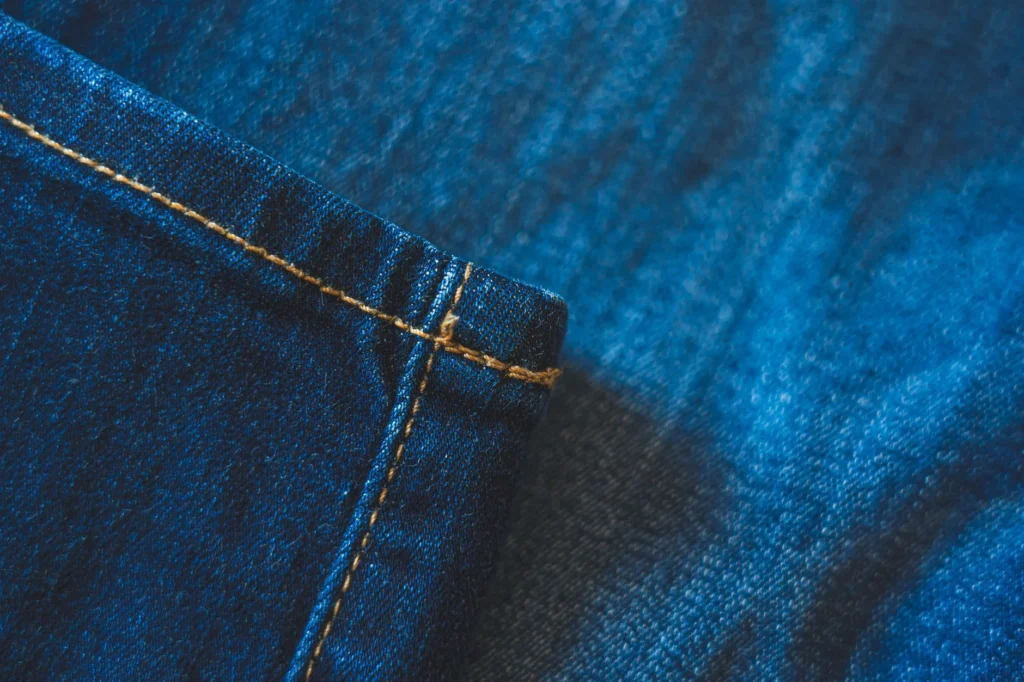
When comparing sanforized vs unsanforized denim, the former offers a smooth, uniform surface texture. Unsanforized fabric retains its natural loomstate character, which features irregular yarn tension, slubby textures, and a rougher hand-feel. When you wash loomstate denim, the cotton fibers pull tightly together. This creates a denser, more textured weave than pre-shrunk denim can match.
| Feature | Sanforized Denim | Unsanforized Denim |
|---|---|---|
| Post-Weaving Treatment | Steamed, compressed, and heat-set | None (Loomstate / Untreated) |
| Expected Shrinkage | Minimal (1% to 3%) | Significant (8% to 12%) |
| Initial Sizing Strategy | Buy true-to-size | Size up 1 to 2 waist sizes |
| Fabric Texture | Smooth, flat, uniform surface | Rough, textured, hairier weave |
| Pre-Soak Required | No | Yes (unless bought as ‘One-Wash’) |
| Leg Twist Potential | Low to None | High (Natural twill pull) |
| Waist Re-stretch | 1 inch typical | 1 to 1.5 inches after soak |
Sanforized denim suits readers who want a straightforward raw denim experience without estimating shrink ratios or executing hot soaks. Unsanforized denim suits dedicated denim enthusiasts who want traditional loomstate texture and a custom fit molded around their body.
Sanforized vs raw denim: Clearing up the confusion
Many buyers mistakenly treat “sanforized” and “raw” as opposite terms, but they describe two entirely separate stages of denim production. Raw denim refers to fabric that has not been washed, distressed, or laundered after the dyeing and garment construction process. Sanforization refers specifically to the mechanical heat-and-steam treatment applied to the fabric roll at the textile mill before cutting.
Most raw denim sold globally is sanforized. This process pre-shrinks the material without washing away unrinsed indigo dye or starch. This allows you to enjoy stiff, unwashed raw denim that fades crisp high-contrast creases over time, while avoiding unpredictable post-soak sizing shifts. If you want to learn how to choose between sanforized vs unsanforized denim or how to break in raw denim jeans fast without ruining fades, handling the stiff starch carefully during the first few weeks is key.
Do sanforized jeans shrink?
According to Denimhunters, sanforization is a mechanical process designed to reduce fabric shrinkage to under 3%. This prevents major fit changes after domestic laundering. Minimal contraction is easily offset by normal wearing. Raw denim stretches back out in high-stress areas like the waistband within a few days of use.
When comparing sanforized vs. unsanforized denim, washing sanforized denim in cold water leaves waist tightening barely noticeable. Hot water and high machine dryer heat can force an additional fraction of shrinkage (up to 3%). However, it will never shrink drastically like loomstate cotton. You can safely purchase your exact measured waist size without adding extra room for shrinkage.
How to calculate sizing for unsanforized denim
Sizing unsanforized raw denim requires calculating expected fabric loss across all dimensions before soaking. Raw loomstate cotton contracts 10% or more upon contact with warm water. Because of this, buying your true size will leave you with unwearably tight jeans after the first soak.
Follow these concrete steps to calculate your correct size:
- Measure your best-fitting non-stretch jeans flat across the waistband, front rise, back rise, thigh, knee, leg opening, and inseam. Write down these target post-soak dimensions.
- Consult the manufacturer’s unwashed (raw state) sizing chart for the specific loomstate model you want to buy.
- Add 1 to 1.5 inches to your target waistband measurement. Loomstate waistbands shrink roughly 1 to 2 inches, but they stretch back out by 1 to 1.5 inches after a few days of wear.
- Add 0.5 to 0.75 inches to your target thigh and rise measurements. These areas experience permanent shrinkage and stretch very little.
- Add 2.5 to 3.5 inches to your target inseam length to account for vertical cotton contraction.
- Select the tag size whose raw unwashed chart numbers match these increased targets.

Worked sizing example
Suppose your ideal, comfortably broken-in jean has a 32-inch waistband, a 11.5-inch thigh, and a 32-inch inseam. If you purchase an unsanforized pair with a raw 32-inch waist, the initial soak contracts the waist to 30 inches. The thigh shrinks to 10.8 inches, rendering the pair unwearably small.
Instead, choose a tag size measuring 33.5 to 34 inches in the waist, 12.2 inches in the thigh, and 35 inches in the inseam in raw condition for unsanforized vs sanforized denim. After a 45-minute warm water bath, the waist contracts to 32 inches, the thigh pulls into 11.5 inches, and the inseam shrinks to 32.2 inches. As you wear the jeans, the waistband stretches back out to a comfortable 32.5 or 33 inches, establishing your precise personal fit.
Is unsanforized denim better?
Unsanforized denim is not objectively better than sanforized denim, but it offers distinct aesthetic and tactile qualities that purists value. Loomstate fabric avoids intense steam pressure and mechanical flattening rollers. Its yarn twists remain irregular, yielding organic surface characteristics like slub, nep, and weave chatter.
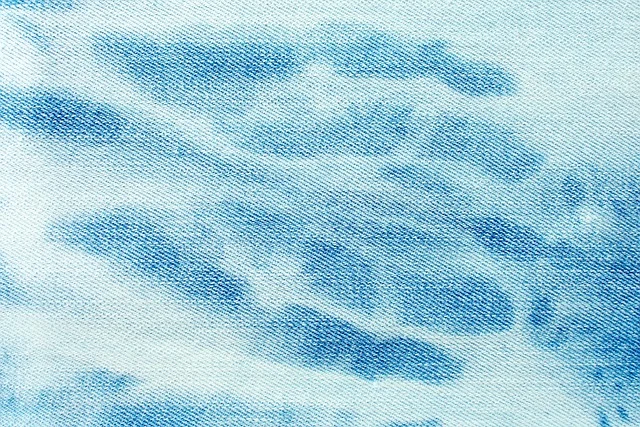
As untreated fabric shrinks around your body during the initial soak, it molds directly to your anatomy. This custom molding creates tighter, sharper crease folds behind the knee (honeycombs) and across the lap (whiskers), producing distinct fade patterns over months of wear.
Who unsanforized denim does NOT suit
Avoid unsanforized denim if you meet any of the following criteria:
- You dislike leg twist: Right-hand twill unsanforized denim pulls heavily to the right after shrinking. It rotates the outer side seam toward the top of your foot. This twist is permanent and historically authentic, but bugs wearers who want straight seams.
- You want ready-to-wear convenience: Unsanforized jeans require a pre-soak, careful drying, and initial breaking-in calculations before regular use.
- Next, you rely on hem tailoring before washing: Hemming loomstate jeans prior to soaking leads to drastically short leg lengths.
- You need absolute sizing precision out of the box: If your body weight fluctuates or you prefer consistent off-the-rack dimensions, sanforized denim delivers far safer results.
How to tell if denim is sanforized or unsanforized
Identify whether denim is sanforized or unsanforized by reviewing garment tags, inspecting fabric texture, and evaluating retailer specifications.
- Check the care tag and patch: Sanforized jeans display labels like “Pre-Shrunk,” “Sanforized,” or standard “Raw.” Unsanforized pairs state “Loomstate,” “Unsanforized,” “Shrink-to-Fit,” “G3,” or “Raw / Untreated.”
- Examine surface hairiness and weave: Unsanforized fabric shows noticeable cotton fuzz, micro-hairs, and textured ridges across the weave. This occurs because mill machinery never singed or calendared the face of the cloth. Sanforized raw denim presents a flatter, smoother hand-feel.
- Look for ‘One-Wash’ options: Japanese manufacturers often release unsanforized denim models labeled “One-Wash.” Factory workers perform the initial hot soak in Japan, removing all future shrinkage while preserving the distinctive loomstate fabric texture. If you buy a “One-Wash” pair, purchase it true-to-size.
Sanforized vs unsanforized denim: Community consensus and real-world performance
Experienced raw denim enthusiasts across online communities like Reddit’s r/rawdenim frequently debate the practical differences between these two finishes. The general consensus highlights clear real-world performance trade-offs:
First, sanforized denim offers superior consistency. Beginner raw denim wearers who purchase sanforized pairs report fewer sizing mistakes, zero leg twist surprises, and straightforward laundering. Popular entry-level brands like Naked & Famous, Unbranded Brand, and APC rely heavily on sanforized denims. These fabrics allow buyers to trust tagged waist measurements.
Second, purists favor unsanforized denim from heritage Japanese mills like Samurai, Secret Denim by ONI, and Pure Blue Japan for its unmatched texture. Reddit discussions emphasize that while sanforization flattens yarn slub, loomstate denim retains deep micro-textures. This allows indigo dye to rub off unevenly for three-dimensional, vintage-style fading.
How to perform an initial soak on unsanforized denim
If you purchase unsanforized jeans, perform an initial soak to shrink the cotton to its stable baseline before setting permanently creased wear patterns.
Step-by-step initial soaking process
- Fill a clean bathtub or basin with warm water. Use hot water (around 120°F / 50°C) for maximum shrinkage, or lukewarm water (around 90°F / 32°C) for moderate shrinkage.
- Turn your jeans inside out to protect the surface indigo dye from washing off or streaking.
- Submerge the jeans completely. Place heavy items like water-filled glass jars on top of the legs to keep the floating denim under water.
- Soak the jeans undisturbed for 45 to 60 minutes.
- Remove the jeans from the tub without wringing or twisting the fabric. Wringing creates unsightly white stress streaks in raw indigo cloth.
- Gently press water out by rolling the jeans inside a clean towel.
- Hang the jeans by the waistband or ankle hems to air dry in a well-ventilated area away from direct sunlight.
Common initial soak errors and fixes
- Problem: White marbled streaks appear on the fabric.
Cause: Spinning or wringing the jeans while wet.
Fix: Avoid machine spin cycles during the initial soak. If faint streaks appear, wear the jeans continuously; everyday abrasion blends indigo dye over time. - Problem: The waist shrank too tight after soaking.
Fix: Button the waist while slightly damp and insert a wooden waistband stretcher, or wear the jeans around your home while damp to force the cotton fibers to stretch back out. - Problem: Inseam shrank too short.
Fix: Stand on the leg cuffs while wet and pull firmly upward on the legs to manually stretch the vertical cotton yarns before hanging to dry.
Frequently asked questions
Is unsanforized denim better?
Unsanforized denim is not strictly superior, but it provides richer fabric texture and molds more naturally to your body shape after soaking. It comes with trade-offs like leg twist, sizing complexity, and mandatory soaking that make sanforized denim a more practical daily choice for most readers.
What is the difference between sanforized and unsanforized denim?
Sanforized denim undergoes a steam and rubber-blanket heat treatment at the mill that restricts shrinkage to under 3%. Unsanforized denim skips this mechanical process, shrinking 10% or more when exposed to water on its first wash.
How to tell if denim is sanforized?
Check the inner pocket stamp, waistband tag, or product details for terms like ‘Sanforized’ or ‘Pre-Shrunk’. Visually, sanforized raw fabric feels flatter and smoother across the weave. Untreated loomstate cotton has a rougher, hairier texture by comparison.
Do sanforized jeans shrink in the wash?
High heat settings during washing or tumble drying can draw out minor extra shrinkage, but the waistband will stretch back out with regular wear.
Why does unsanforized denim twist at the leg?
Unsanforized denim twists because right-hand twill weaves pull naturally in the direction of the diagonal warp yarns as cotton fibers contract during soaking. Sanforization heat-sets and locks these yarns in place to prevent leg twist, whereas unsanforized jeans retain this classic historical feature.